1 Corinthians 7
Iyo New Testament · Tap a verse to see its cross-references.
Epe re-re tewero quro murí
1Asa yendo sokomeko komo nakayáŋaŋgurí ŋuro mande topé yewe teteno. Uni ka pare kama reweya ŋuko meté. 2Quko itaka unipare se simbururu parámi horé teyoteŋgo, ŋunde ŋuro uni soso kanata-kanata pare siyi qembe, ko pare soso ŋuya kanata-kanata uni siyi qembe. 3Kamí ŋundo parímboya eteyowari, ko pare ŋundo kamímboya eteyowari. 4Pare ŋu eneŋombo eneŋo kowí kama sopoyote. Kini, kamímbo sopoyote. Ŋunde naŋge kamí ŋu eneŋombo eneŋo kowí kama sopoyote. Kini, parímbo sopoyote. 5Kamímboya parímboya koweyari ma soréŋowero. Hamó naru kano, yari hariri tewero quro newonde kanata tero koweyari meté soréŋowaŋgo. Quko imemoŋgo kopori qembe. Ŋunde kini asa koweyari sopowero rukusuwoyi Monimbuko towo yereweya. 6Nondo samaka yerewero quro mande ŋa yeteno. Mande kondé qu kini. 7Nondo pare ka kama ranowó, ko no unipare soso otetene howewaŋgo, yero iŋoyoteno. Quko unipare kanata-kanatako eneŋo puriŋo Anutu noŋgo raŋgurí; kato puriŋo ka towoní kato enesó towote.
8Asa nondo wapu ŋuro mande ka ŋande yewe. Ye neneŋo kiraróne qembe yoroteŋgo ŋuko meté. 9Quko yendo yeŋo koweye ŋu kama sopoyoteŋgo tiníqo, epe re-re ti qembe. Se simbururu tewero quro iŋo-iŋo kondé ŋundo yeŋo yoqaweya koro.
10Ye komo epe re-re taŋgurí, nondo hutuŋo mande ka yimiroteno. (Hutuŋo mande ŋako neneŋo qu kini. Kini, ŋu Uni Parámimboro hutuŋo mande qu.) Asa ŋuko ŋandiro: parímbo kamí ma roto toŋewero. 11Quko ene kamí roto toŋeweya tiníqo, kinaŋge yuri qembe. Ŋunde kini tiníqo, uya kamímboya newonde kanata tiní pitu ko yorori. Ko uni kato parí ma howewero.
12Ye uni meyowomboya mande ka yeteno. Mande ŋako neneŋomboro naŋge, Uni Parámimboro mande qu kini. Ŋande yewe, asa iŋondutu unindoro parí muko Kristo ŋuro kama iŋondutuwoyote, ko pare ŋu eneya yorowero iŋoníqo, uni ŋundo parí ma rotowero. 13Ko paretoro kamí muko Kristo ŋuro kama iŋondutuwoyote, ko uni ŋu eneya yorowero iŋoníqo, parímbo kamí ma rotowero. 14Dokoro, uni ka iŋondutu kama teyote ŋuko ene parímboya womoyote, ŋu muríwore uni ŋu meté horé yote. Ko pare ka iŋondutu kama teyote ŋuko ene iŋondutu kamímboya womoyote, ŋu muríwore pare ŋu meté horé yote. Ŋunde kini tiníqo, asa yeŋo simóye ŋuko Anutu koro toŋímo sara kama yorowaŋgo. Quko itaka meté horé yoteŋgo.
15Quko unipare iŋondutu kama teyoteŋgo qu kato parímbe ma kamí rotowero quro iŋoro tiníqo, meté toŋewaŋgo. Hutuŋo mande kato iŋondutu unipare ŋu kama kusi yereyote. Dokoro, Anutuko ye newonde imemo yowero quro neko yereró. 16Qeni. Pare, keto kameŋge rambaruru koŋgo reweyape ma kini, ŋu date iŋote? Simó, keto pareke rambaruru koŋgo reweyape ma kini, ŋu date iŋote?
Anutuko murí rokóŋaró ŋu howi qembe
17Uni Parámimbo nore kanata-kanata khe howewero qu ka nunaró, ko Anutuko khe ŋu howewero quro neko nereró. Asa ko keŋo khe qu howe qembe. Nondo hutuŋo mande ŋa Anutu koro huru-huru soso yimitoyoteno. 18Ŋandiro naŋge, komo koweke toŋoyiqota Anutuko neko kereró tiníqo, koweke toŋowí mu ma roŋgaruwowero. Asa koweke kama toŋoyi Anutuko neko kereró tiníqo, asa koweke ma toŋowero. 19Koweye toŋaŋgurí ŋuko murí moré kini, ko koweye kama toŋaŋgurí ŋu ŋuya murí moré kini. Kini, Anutu koro mande kondé qu howewero ŋundo tako o hamó qu. 20Date komo yoratoqota Anutuko nore neko yereró, asa nore meté ŋunde naŋge yorowato. 21Kepe uni kato kusi kiriní eneŋo kho simómbe ma kho pare ka yuriqota Anutuko neko kereró, peka? Ŋuro newonde quhurí ma tewero. Quko wisiyowero khe qu ka yote tiníqo, ŋunde howe qembe. 22Dokoro uni ka kho simó yoroníqo, Anutuko nekaró, ŋuko Uni Parámimboro uni wisiyaró qu qembe. Ŋunde ŋuya uni wisiyaró qu yoroní Anutuko nekaró, ŋuko Kristo koro kho simó qembe. 23Anutuko kimo tero ye kimo yereró, ŋunde ŋuroko ye unindoro kho simóŋo ŋunde ma tunoqewero. 24Uni topo, ye date komo yuriqota Anutuko neko yereró, ŋunde naŋge Anutu koro toŋímo yuri qembe.
Simó keta quya wapu quya ŋuro yete ma roŋgaruwowero. Asa koweke kama toŋoyi Anutuko neko kereró tiníqo, asa koweke ma toŋowero.
25Asa no pare keta ŋuro Uni Parámi noŋgo hutuŋo mandeyó moré kini. Quko Uni Parámimbo sikíne te nunoro samaka nereyoní mande hamó yeyoteno. Ŋundiro naŋge neneŋo iŋo-iŋone moŋgo yesowowano. 26Ŋa naru ŋako naru piyimi, ŋunde ŋuroko ye itaka yoroteŋgo ŋunde naŋge yuri qembe. 27Asa keto pare ka raró tiníqo, rotowero quro oreyó ma seqawero. Ko pare kama raró tiníqo, pare rewero kama iŋo qembe. 28Quko epe re-re titiri tiníqo, o piyimi ka kama teweya. Ko pare keta qu kame teweya ŋuyako o piyimi ka kama teweya. Quko unipare epe re-re teteŋgo ŋundo noko ŋano quhurí parámi horé korowoyoteŋgo. O quhurí ŋu yeno tunoqeyoweya ŋuro no piyimiŋoteno.
29Uni topo, ŋande yeteno, Anutuko naru riní tukuni tete. Ŋunde tero itaka uni soso pareye moré qundo pareye moré kini ŋunde qembe yuri qembe. 30Uni tendoyoteŋgo ŋuko kama tendoyoteŋgo qu qembe yuri. Uni niŋgu-niŋgu teyoteŋgo ŋuko niŋgu-niŋgu kama teyoteŋgo qu qembe yuri. Uni oka kimoyoteŋgo ŋuko o ŋu kama towowaŋgo qu qembe yuri. 31Uni o noko koro qu toworo kho teyoteŋgo ŋuko o noko koro quro kama iŋo inoyoteŋgo qu qembe yuri. Dokoro noko ŋano qu piyo teyate.
32Nondo ye iŋaŋawí parámi tewaŋgo ŋuro piyimiŋoteno. Uni ka pare kama raró ŋundo Uni Parámimboro khoyó ŋuro iŋoyote. Ko Uni Parámimboro nuŋguríŋo ŋuro naŋge iŋoyote. 33Quko uni ka pare raró ŋundo o noko koro quro iŋoro eneŋo parímboro nuŋguríŋo ŋuro naŋge iŋoyote. 34Ŋunde ŋuroko iŋo-iŋoyó muko usowote. Pare ka kamí moré kini koya pare keta kumi ŋundo Uni Parámimboro khoyó ŋuro naŋge iŋoyoteŋgo. Ene eneŋo koweye yuqaye soso rero Anutu inoyoteŋgo. Quko pare ka kame taró ŋundo o noko koro quro iŋoro eneŋo kamímboro nuŋguríŋo ŋuro iŋoyote. 35Nondo ye kusi yerewero quro mande ka kama yeteno. Kini, oka kato yeŋo iŋo-iŋoye kama usowoní ye Anutu koro oteteyó ŋu meté tero naru suki-suki howeyuri, yero iŋoteno.
36Quko uni ka pare keta kaya epe re-re tewero tete qundo pare ŋu kondé qene nuŋguwoyote tiníqo, meté eneŋo iŋo-iŋoyó howero epe re-re tiri kini teweya. Enendo o piyimi ka kama tete. 37Quko uni ŋu iŋo-iŋoyó naŋge sopo howero uni meyowomboro mandí kama howero pare keta quya epe re-re tewero quro piyimiŋoyote tiníqo, otete ŋuyako meté. 38Asa ko uni kato pare keta reweya ŋundo otete meté teweya, quko pare keta kama reweya ŋundo otete meté horé teweya.
39Pare karo kamí ŋu toŋí yoníqo, pare ŋu kamímboya womoyote. Quko kamí khumoweya quno ŋuno pare ŋu orosoyiwí yote. Enendo meté kame keta teweya, quko Uni Parámimboro uni qu ka naŋge reweya. 40Neneŋombo ŋande iŋoteno, ene kame kama teweya quko ene meté horé yoweya. Ko Anutu koro Yuqayó no quroko yoroní nondo mande ŋa wisiyo yeteno.
Did you know?
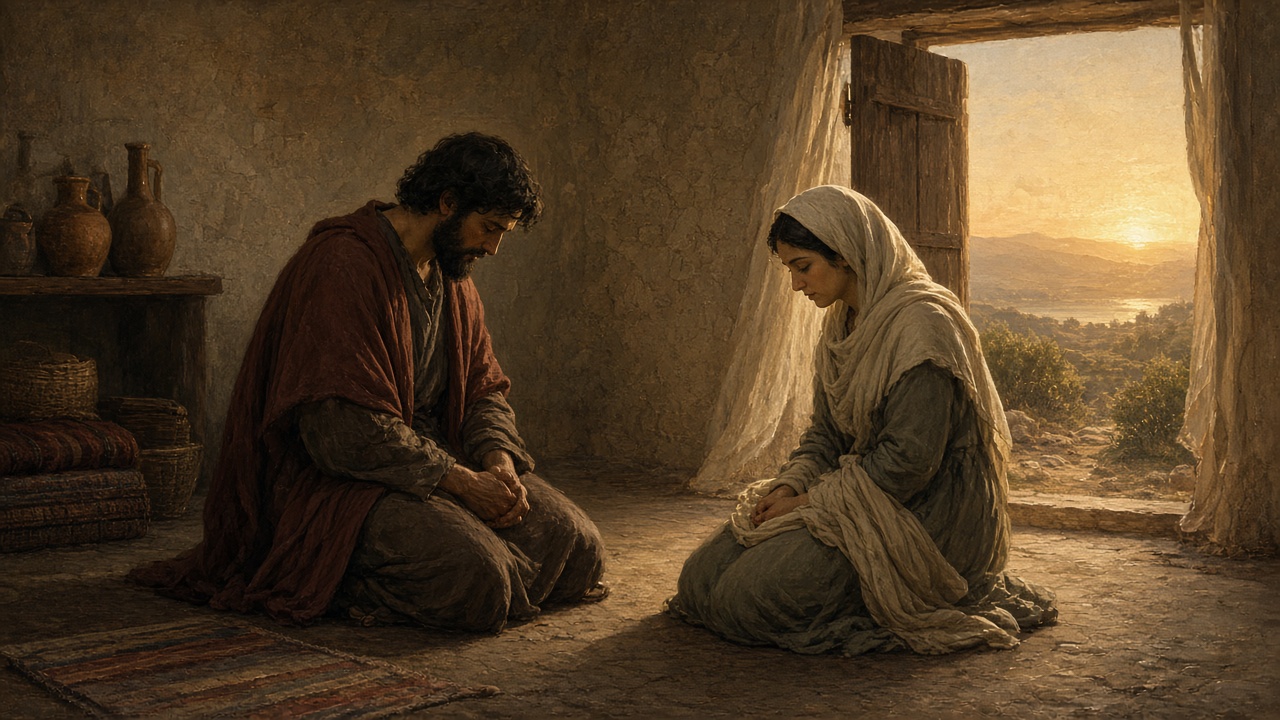
Counsel on marriage and the present crisis
- The chapter opens as a reply to matters the readers had written about. The writer says it is good to abstain from sexual relations, yet, because there is so much sexual immorality, each man should have his own wife and each woman her own husband. He presents this as a concession, not as a command, and says that each person has their own gift from God.Sources: the Bible text itself
- In marriage, the writer says the wife does not have authority over her own body, but the husband does, and likewise the husband does not have authority over his own body, but the wife does. They should not deprive each other except by mutual consent and for a time, so they may devote themselves to prayer, and then come together again, so that Satan will not tempt them through lack of self-control. Easton's Bible Dictionary (1897) presents the name Satan as “adversary” or “accuser,” and notes that he tempted Jesus in the wilderness.Sources: the Bible text itself · Satan
- The writer distinguishes a command he attributes to the Lord—a wife must not separate from her husband, and a husband must not divorce his wife—from his own judgment where he says he, not the Lord, is speaking, including marriages with an unbeliever and questions about virgins. Because of what he calls the present crisis, and because he says the time is short and this world in its present form is passing away, he thinks it good to remain as one is. He adds that to marry is not to sin, though those who marry will face troubles in this life.Sources: the Bible text itself
Notes written with AI assistance from open sources (Theographic Bible Metadata, CC BY-SA 4.0; Easton’s Bible Dictionary, public domain) and reviewed before publishing.
Credits and license for this translation
Iyo New Testament
The New Testament in the Iyo Language of Papua New Guinea
Nupela Testamen long tokples Iyo long Niugini
copyright © 2009 Wycliffe Bible Translators, Inc.
Language: Iyo
Translation by: Wycliffe Bible Translators
This translation is made available to you under the terms of the
Creative Commons Attribution-Noncommercial-No Derivatives license 4.0.
You may share and redistribute this Bible translation or extracts from it in any format, provided that:
You include the above copyright and source information.
You do not sell this work for a profit.
You do not change any of the words or punctuation of the Scriptures.
Pictures included with Scriptures and other documents on this site are licensed just for use with those Scriptures and documents.
For other uses, please contact the respective copyright owners.
2025-05-15
Source: http://png.bible/nca/ · eBible.org