Ecclesiastes 6
Common Language Bible · Tap a verse to see its cross-references.
1လူတို့တွင် အတွေ့များ၍၊ နေအောက်၌ ငါမြင်ရ သော အမှုဆိုးဟူမူကား၊ 2အလိုဆန္ဒရှိသမျှပြေလောက်အောင် စည်းစိမ် ဥစ္စာဂုဏ်အသရေကို ဘုရားသခင်ပေးသော်လည်း၊ ခံစား ရသောအခွင့်ကို ပေးတော်မမူသောကြောင့်၊ ကိုယ်တိုင် မခံစားရ။ မဆိုင်သော သူတပါးဝင်၍ ခံစားရသောအမှု သည် အနတ္တအမှု၊ ဆိုးသောအမှု ဖြစ်၏။ 3လူသည် နှစ်ပေါင်းများစွာ အသက်ရှည်၍၊ သားတရာပင် ရှိငြားသော်လည်း၊ အလိုဆန္ဒမပြည့်စုံဘဲ၊ သင်္ဂြိုဟ်ခြင်းကို မခံရဘဲ သေသွားလျှင်၊ ထိုသူထက် ပျက်သောကိုယ်ဝန်သည်သာ၍ မြတ်၏။ 4အကြောင်းမူကား၊ ပျက်သော ကိုယ်ဝန်သည် အချည်းနှီးပေါ်လာ၏။ မှောင်မိုက်ထဲမှာ ထွက်သွား၏။ သူ့အမည်ကား၊ မှောင်မိုက်နှင့်ဖုံးလွှမ်းလျက် ရှိလိမ့်မည်။ 5နေကိုလည်းမမြင်ရ။ အဘယ်အရာကိုမျှမသိရ။ သို့သော်လည်း၊ အရင်ဆိုသောသူထက်သာ၍ ချမ်းသာ ရ၏။ 6အကယ်၍ အရင်ဆိုသော သူသည် အနှစ် နှစ်ထောင်အသက်ရှင်သော်လည်း၊ အကျိုးကျေးဇူးမရှိ။ အလုံးစုံတို့သည် တခုတည်းသောအရပ်သို့ သွားရကြသည် မဟုတ်လော။ 7လူကြိုးစားအားထုတ်သမျှတို့၌ ဝမ်းဘို့သာ ကြိုးစားအားထုတ်သော်လည်း၊ စားချင်သော စိတ်မပြေ နိုင်။ 8ပညာရှိသော သူသည် မိုက်သောသူထက် အဘယ်ကျေးဇူးရှိသနည်း။ အသက်ရှင်သောသူများရှေ့ မှာ ကျင့်ကြံပြုမူတတ်သော ဆင်းရဲသား၏ အကျိုးကျေးဇူး ကား အဘယ်သို့နည်း။ 9ကိုယ်တိုင်တွေ့မြင်ခြင်း အကျိုးသည် လောဘ ပြန့်ပွားခြင်း အကျိုးထက်သာ၍ ကြီး၏။ ထိုအမှုအရာ သည် အနတ္တအမှု၊ လေကိုကျက်စားသောအမှုဖြစ်၏။ 10ရှိသမျှသော အခြင်းအရာများကို မှတ်သား နှင့်ပြီ။ လူ၏အခြင်းအရာသက်သက်ဖြစ်သည်ကို သိရ၏။ လူသည် မိမိထက် တန်ခိုးကြီးသောသူနှင့် မပြိုင်နိုင်ရာ။ 11အနတ္တတိုးပွားစရာအကြောင်း များပြားသည် ဖြစ်၍၊ လူသည် အဘယ်ကျေးဇူးရှိသနည်း။ 12အရိပ်အကဲသို့ လွန်တတ်သော အနတ္တအသက် ကာလပတ်လုံး၊ လူ၌ကျေးဇူးပြုတတ်သောအရာကို အဘယ်သူသိနိုင်သနည်း။ နေအောက်၌ လူနောက်မှာ ဖြစ်လတံ့သော အမှုအရာတို့ကိုလည်း၊ အဘယ်သူပြော နိုင်သနည်း။
Did you know?
The Vanity of Unsatisfied Wealth
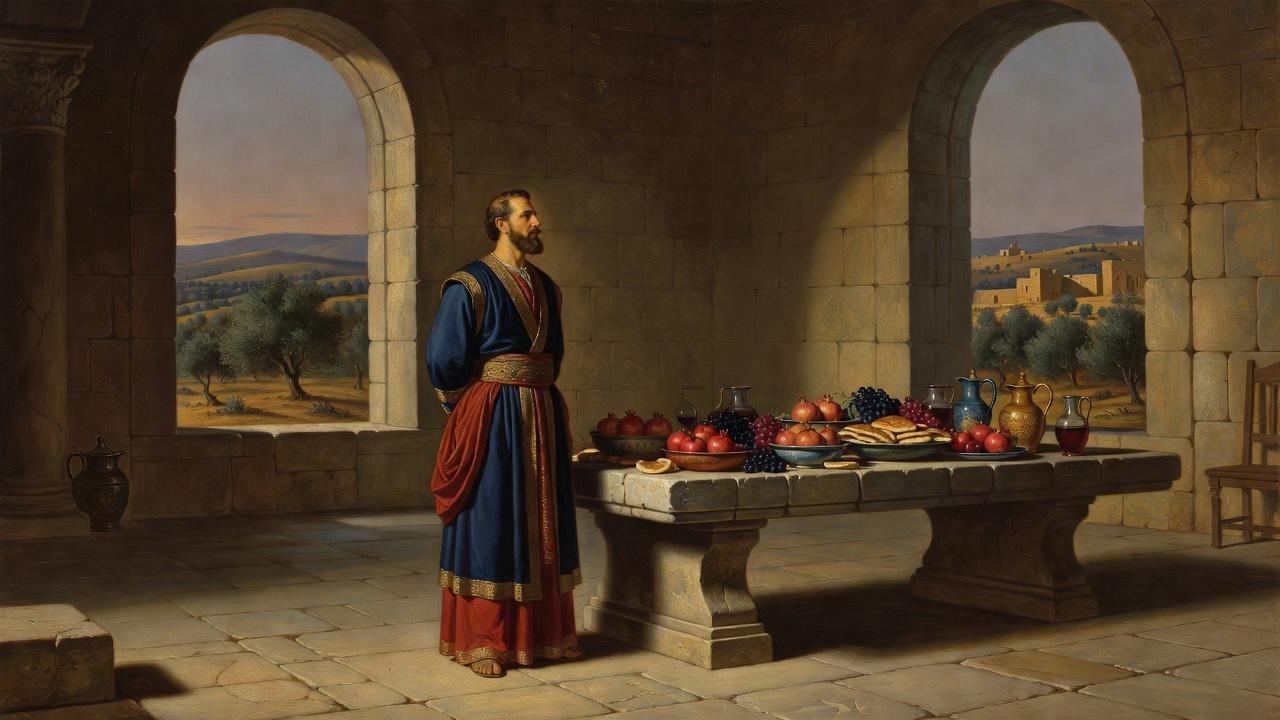
- In ancient thought, having a long life and fathering many children were considered the highest signs of blessing. Ecclesiastes observes, however, that even living two thousand years and fathering a hundred children is hollow if a person cannot enjoy their prosperity or receive a proper burial.Sources: the Bible text itself
- The author points out that although human labor is spent satisfying basic physical needs such as food, human appetite and desire remain continually unfulfilled. He contrasts enjoying what is directly present before the eyes with the ceaseless wandering of unsatisfied cravings.Sources: the Bible text itself
- The chapter emphasizes human limitations, noting that mortals cannot dispute with what has been established by one stronger than they are. Because life is fleeting like a shadow, humans cannot fully know what is truly good for them or foresee what will happen after they are gone.Sources: the Bible text itself
Notes written with AI assistance from open sources (Theographic Bible Metadata, CC BY-SA 4.0; Easton’s Bible Dictionary, public domain) and reviewed before publishing.
Credits and license for this translation
Common Language Bible
Burmese: Common Language Bible Bible without Deuterocanon
Public Domain
Language: Mynmar language (Burmese)
Translation by: Bible Society of Myanmar
Burmese Common Language Bible
This translation is published by the Bible Society of Myanmar.
If you are interested in obtaining a printed copy, please contact the Bible Society of Myanmar at https://bsmyanmar.org/.
© 2005 Bible Society of Myanmar. Note: Myanmar is not a member of the Berne Convention treaty, so this copyright does not extend outside of Myanmar.
2014-03-30
Source: http://ebible.org/mya/ · eBible.org