Zephaniah 2
Godɨn Eghaghanim: Akar Gavgavir Dɨkɨrɨzir Ghurim ko Igiam · Tap a verse to see its cross-references.
Gumazamiziba navibagh iragh
1Ia kantrin kamɨn gumazamiziba,
ia uan arazir kurabar aghumsɨzir puvatɨ.
Ia deravɨra arazir kam gɨnɨghnɨgh,
egh a bagh aghumsɨgh.
2Puvatɨghtɨ, Ikiavɨra Itir God uan anɨngagharim akaghtɨ,
ia ikuvigham mati akɨmariba mɨdɨi.
Puvatɨghtɨ, Ikiavɨra Itir God ian ataram,
eghtɨ an adarim avimɨn mɨn ian isiam.
3Ia gumazamizir uari abɨra, Ikiavɨra Itir Godɨn apengan itiba,
ia a bagh izɨ a baghvɨra ikɨ.
Egh uari abɨnigh Godɨn damazimɨn arazir aghuibar amu.
Ia kamaghɨn damutɨ, Ikiavɨra Itir God uan anɨngagharim amadaghtɨ
a izɨ arazir kuraba ikarvaghamin dughiam,
ia ti an aven modogh deraghvɨra ikiam.
Judan kantrin boroghɨn itir kantriba Ikiavɨra Itir God me gasɨghasigham
4Ikiavɨra Itir God Filistian kantri gasɨghasightɨ,
gumazitam Gazan nguibar ekiamɨn ikian kogham.
Eghtɨ Askelonɨn nguibar ekiam uaghan gumaziba puvatɨgham.
Asdotɨn itir gumazamiziba, apaniba dughiar vamɨran me batuegham,
egh me uaghan Ekronɨn itir gumazamiziba batuegham.
5O Filistian ongarir dadarimɨn itiba, ia ikuvigham.
Ikiavɨra Itir God ia isa kot gatɨgha gɨfa.
A ia gasɨghasightɨ, ian tav ikian kogham.
6Ian nguazir ongarir mɨriamɨn itim, grazir kɨnim a batogham.
Danganir kamɨn sipsipbagh eghuvir gumaziba,
ia uari bagha dɨpenir doziba ko sipsipba ikiamin dɨvazibar ingaram.
7Ezɨ Judan ikɨzimɨn ikiavɨra itir varazira, me ian nguazim iniam.
Eghtɨ men sipsipba danganir kamɨn itir grazibar amɨtɨ,
Judaba Askelonɨn nguibamɨn itir dɨpenibar dakuam.
Eghtɨ Ikiavɨra Itir God, a men God,
a me ko ikɨ me damutɨ
me deravɨra ikiam.
8Ikiavɨra Itir Godɨn Gavgaviba Bar Itim kamaghɨn mɨgei,
“Kɨ Moapɨn kantri ko, Amonɨn kantri barazima,
aning nan gumazamiziba dɨpova akar kurabar me mɨgɨa uari fe.
Me pamten mɨgɨa ghaze,
me Israelia abɨnigh men nguazim inigham.
9Kɨ Ikiavɨra Itir Godɨn Gavgaviba Bar Itim, Israelian God,
kɨ zurara angamɨra ikia, guizbangɨra mɨgɨa Akar Gavgavir kam gami,
Moapia ko, Amonia me ikuvigham,
mati Sodom ko, Gomora ikuvizɨ moghɨn me ikuvigham.
Eghtɨ ikarɨzir ataghatariba otivigh men nguazim bar anevegham.
Eghtɨ amangsɨzim itir moziba nguibar kamɨn otoghtɨ
a bar ikuvigh kamaghɨra ikiam.
Eghtɨ nan adarazir ikiavɨra itir varazira,
me, me mɨsogh pura men biziba iniva,
men nguaziba iniam.”
10Moapia ko, Amonia uari fava akaba batosi,
egha Ikiavɨra Itir Godɨn Gavgaviba Bar Itimɨn gumazamiziba,
me dɨbovir akar kurabar me mɨgei.
Kamaghɨn amizɨ, God me ikaragh pazavɨra me damuam.
11Ikiavɨra Itir God me damutɨ,
me puvɨram atiatingam.
Kantriba bar, a men asebar amutɨ
da pura bizir kɨnibar mɨn otivam.
Eghtɨ gumazamizir ongarimɨn mɨriamɨn itiba ko, gumazamizir ongarir arighatɨzimɨn itiba,
me uan nguibabara ikɨva
uan teviba apɨr dapaniba avighɨva an ziam fam.
12O Itiopian gumazamiziba, ia uaghan
Ikiavɨra Itir God mɨdorozimɨn aven ia mɨsoghtɨ
ia arɨmɨghiram.
13Ikiavɨra Itir God uan gavgavimɨn Asirian gumazamizibagh asɨghasigham,
kantrin kam a notɨn amadaghan iti.
Egh a men nguibar ekiam Ninive gasɨghasigham.
Eghtɨ nguibar ekiar kam dɨpaba puvatɨzir danganimɨn mɨn otogham,
eghtɨ gumazamiziba ua an ikian kogham.
14Bulmakauba ko, sipsipba ko, memeba ko, asɨzir atiabara izɨ a dakuam.
Apaniba dɨpenibar itir ter arariba isɨ tintinimɨn da kunigham.
Kamaghɨn amizɨ, dɨpenir kaba bar ikuvigham.
Eghtɨ dɨmagarimɨn kuarazir biariba ko, mɨghɨaba ko, dariaba
da pura izɨ dɨpenir kabar ikɨva
dar dɨpenir akɨniba ko, tiar akaba ko, winduabar dapiagh ikɨva arangam.
15Niniven adarazi nɨghnɨgha ghaze, me gavgavir ekiam iti,
me ikuvighan kogham, kamaghɨn amizɨ, me bar akonge.
Egha me ghaze, men nguibar ekiam a uabɨra kantrin igharazibar nguibar ekiaba, bar dagh afira.
Ezɨ bar puvatɨ.
Bizir kurar kaba Ninive bato.
Ezɨ nguibam ikuvigha kamaghɨra ikia,
asɨzir atiabar danganim gava.
Gumazir an boroghɨn zuiba me atiatiava
dapaniba roava bar an aghua.
Did you know?
Judgments on the Surrounding Nations
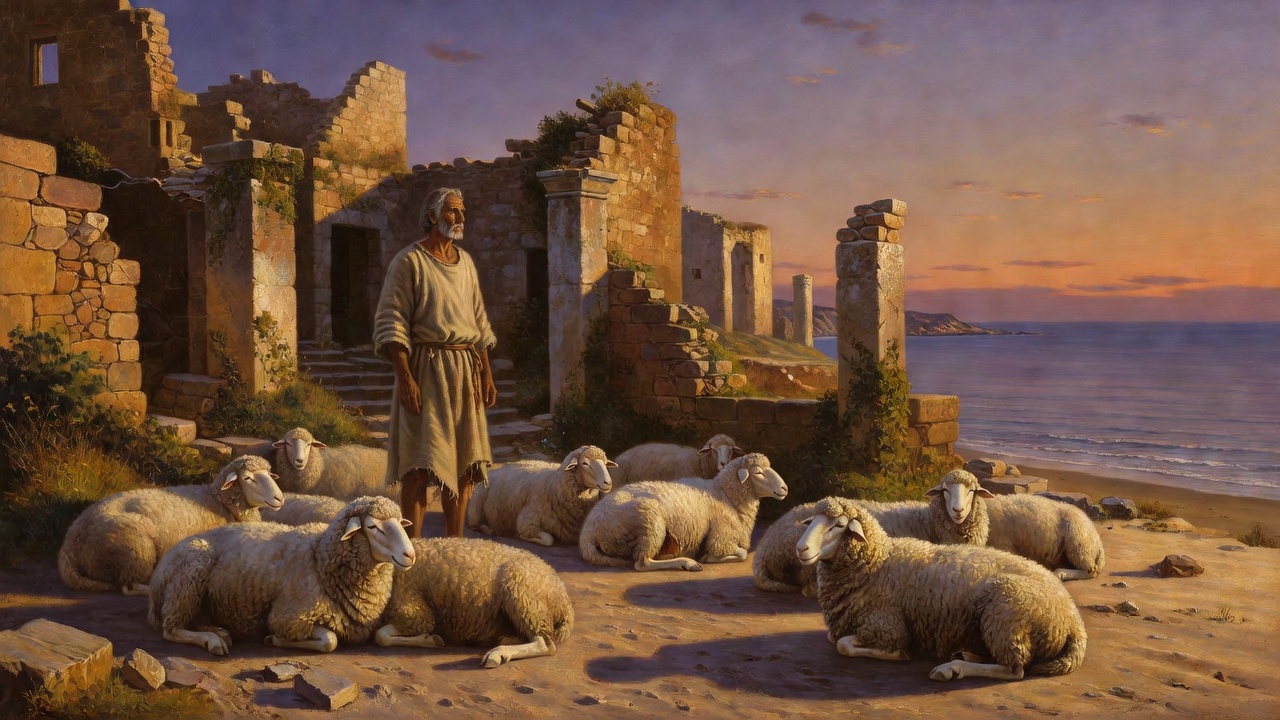
- Zephaniah lists four of the five major Philistine cities—Gaza, Ashkelon, Ashdod, and Ekron—situated along the Mediterranean coast. He prophesies that their bustling maritime settlements will become quiet pastures and sheepfolds for the surviving remnant of Judah.Sources: the Bible text itself · Gaza · Ashkelon · Ekron
- The chapter pronounces judgment in every direction around Judah: the Philistines to the west, Moab and Ammon to the east of the Jordan, Cush to the south, and Assyria to the north. Moab, located east of the Dead Sea, is warned that its pride and taunts will turn its territory into a wasteland of salt pits and weeds.Sources: the Bible text itself · Moab
- Zephaniah portrays the proud Assyrian capital of Nineveh as a future ruin where wild creatures roam and owls roost atop the pillars of its exposed cedar buildings.Sources: the Bible text itself
Notes written with AI assistance from open sources (Theographic Bible Metadata, CC BY-SA 4.0; Easton’s Bible Dictionary, public domain) and reviewed before publishing.
Places in this chapter
- Ashdod · Today: Tel Ashdod · 31.757, 34.658 · verse 4
- Ashkelon · Today: Tel Ashkelon · 31.664, 34.546 · verses 4, 7
- Ekron · Today: Tel Miqne · 31.777, 34.852 · verse 4
- Gaza · Today: Tell Harube · 31.504, 34.464 · verse 4
- Canaan · 32.767, 35.333 · verse 5
- Crete · 35.310, 24.893 · verse 5
- Ammon · 31.955, 35.934 · verses 8, 9
- Moab · Today: Moab 1 · 31.181, 35.701 · verses 8, 9
- Assyria · 36.359, 43.153 · verse 13
- Nineveh · 36.359, 43.153 · verse 13
Only places identified with high confidence are shown (90% or more according to the scholarly sources compiled by OpenBible). Period map: DARE (Digital Atlas of the Roman Empire), CC BY 4.0; modern map: © OpenStreetMap contributors; places: OpenBible.info (CC BY 4.0).
Credits and license for this translation
Godɨn Eghaghanim: Akar Gavgavir Dɨkɨrɨzir Ghurim ko Igiam
The Holy Bible in the Aruamu language of Madang Province, Papua New Guinea, 2020 Edition
Buk Baibel long tokples Aruamu long Madang Provins long Niugini long 2020
copyright © 2020 Pioneer Bible Translators
Language: Aruamu
Translation by: Pioneer Bible Translators
Contributor: The Seed Company
GOD'S STORY in the Aruamu Language of Papua New Guinea
This translation is made available to you under the terms of the
Creative Commons Attribution Share-Alike license 4.0.
You have permission to share and redistribute this Bible translation in any format and to make reasonable revisions and adaptations of this translation, provided that:
You include the above copyright and source information.
If you make any changes to the text, you must indicate that you did so in a way that makes it clear that the original licensor is not necessarily endorsing your changes.
If you redistribute this text, you must distribute your contributions under the same license as the original.
Pictures included with Scriptures and other documents on this site are licensed just for use with those Scriptures and documents.
For other uses, please contact the respective copyright owners.
Note that in addition to the rules above, revising and adapting God's Word involves a great responsibility to be true to God's Word. See Revelation 22:18-19.
2025-05-15
Source: http://png.bible/msy2020/ · eBible.org