Psalms 51
Godɨn Eghaghanim: Akar Gavgavir Dɨkɨrɨzir Ghurim ko Igiam · Tap a verse to see its cross-references.
Gumazim uan arazir kuraba gɨn amangasa God ko mɨgei
Devit onger akar kam osiri.
A gumazir onger akabar faragha zuim gɨnɨghnɨgha an osiri.
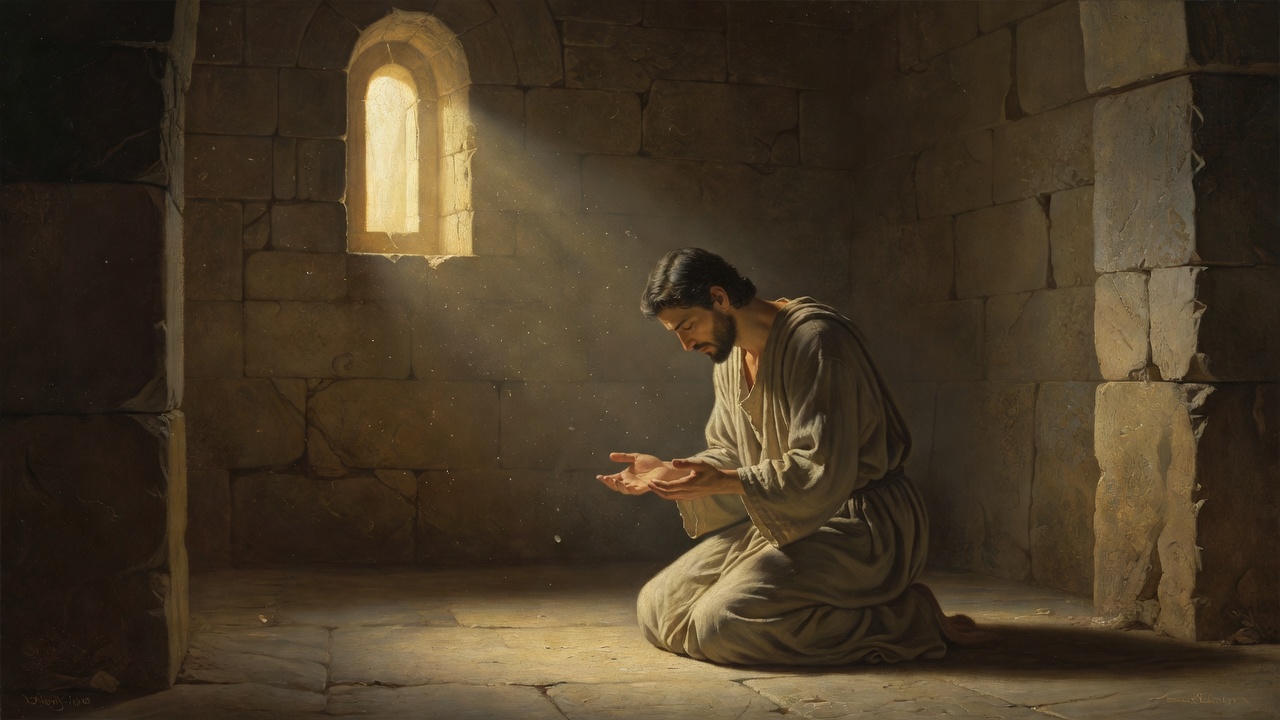
Devit Batseba ko arazir kuram gamizɨ, Godɨn akam inigha izir gumazim Natan, iza akam a gasara. Ezɨ Devit uan arazir kuram gɨnɨghnɨgha ighiar kam osiri.
1O God, nɨ uan apangkuvir arazimɨn gɨn mangɨ,
egh nan apangkufigh.
Nɨ apangkuvir ekiar kam nan ikɨ,
egh nan arazir kuraba batokegh.
2Gumazamiziba rua ua zue moghɨn,
nɨ na rueghtɨ nan arazir kuraba mangɨghtɨ
kɨ zueka.
3Kɨ fo, kɨ arazir kuram gamigha gɨfa.
Egha arazir kurar kɨ amizir kam,
kɨ a gɨnɨghnɨghavɨra iti.
4Kɨ bar nɨrara, nɨn damazimɨn arazir kuram gami.
Nɨ uan arazir aghuimɨn gɨn ghua na isa kot gatɨgha,
nan arazir kuraba bagha ivezir kuram na ganɨngi.
5Kɨ uan amebamɨn navir averiamɨn aven ikiavɨra itima,
arazir kuraba nan iti.
Arazir kurar kaba nan mɨkarzimɨn ikiavɨra itima
nan amebam na bate.
6Kɨ fo, nɨ kamaghɨn ifonge, kɨ uan nɨghnɨzimɨn aven nɨn guizɨn akamɨn gɨn mangam.
Kamaghɨn, nɨ uan nɨghnɨzir aghuim isɨ
nan navir averiam datɨgh.
7Nɨ hisopɨn ter aguar muziaritam inigh a isɨ dɨpam darugh,
egh nan mɨkarzimɨn a kavamadaghtɨ, kɨ nɨn damazimɨn zueka.
Egh na rueghtɨ kɨ bar zuegh nir ghurghurimɨn mɨn bar ghurghurika.
8Bar guizbangɨra, nɨ bar na dɨkabɨragha egha nan arazir kuraba ikaragha gɨfa.
Datɨrɨghɨn nan navir averiam deraghtɨ kɨ bar akuegham.
9Nɨ nan arazir kuraba ua dar ganan markɨ.
Nɨ da batuegh ua adagh nɨghnɨghan markɨ.
10O God, nɨ nan navir averiam damightɨ a zuegh ua igiamɨn otogh.
Eghtɨ nɨn ifongiar aghuim nan aven izɨtɨ kɨ nɨrara ganam.
11Nɨn Duam nan aven iti,
ezɨ nɨ uabɨn boroghɨn na batuegh, na da uan duam inian markɨ.
12Nɨ faraghavɨra ua na inizɨ kɨ nɨ bagha bar akonge.
Nɨ datɨrɨghɨn bar akongezir arazir kam na danɨngigh.
Kɨ nɨn akabar gɨn mangamin ifongiar kam, nɨ ua na danɨngigh.
13Eghtɨ kɨ gumazir arazir kurabagh amiba nɨn akamɨn me mɨkɨmam,
eghtɨ me nɨ bagh izam.
14O God, nɨ nan Akurvazir Gumazim,
kamaghɨn nɨ nan akuraghtɨ, kɨ uan arazir kurar kam bagh ovengan kogham.
Kamaghɨn amizɨ, nɨ nan akurazir bizir kam bagh,
kɨ pamten ighiabar amuam.
15O Ekiam, nɨ nan akuraghtɨ,
kɨ deragh eghaghanibagh fogh nɨn ziam fam.
16Kɨ fo, nɨ kamaghɨn aghua, kɨ asɨzim inigh izɨ nɨ bagh an ofa damuam.
Kɨ ofa damusɨ asɨzim mɨsuegh a tuaghtɨ, a bar isi mɨghɨran nɨ aghua.
17O God, nɨ kamaghɨn ifonge, kɨ ofan mɨn bar uabɨ abɨragh bar nɨn apengan ikiam.
Gumazamizir uari abɨra navibagh iziba,
nɨ akɨrim ragha me gasir puvatɨ.
18O God, nɨ uan ifongiamɨn gɨn mangɨ Saionɨn gumazamizibar akuragh,
egh Jerusalemɨn nguibamɨn dɨvaziba uam adar ingarightɨ da tuifigh.
19Dughiar kamɨn me ofan aghuir nɨn damazimɨn deraziba ko, asɨzim tuaghtɨ a bar isi mɨghɨrighamin ofa,
me da isɨ nɨ danɨngam.
Me uan bulmakaun apuriba inigh nɨn ofa gamir dakozimɨn izɨ
Did you know?
A Psalm of Repentance
- The psalm's introductory heading connects this prayer to the confrontation between the prophet Nathan and King David after David's adultery with Bathsheba, pleading for mercy and deliverance from bloodguilt.Sources: the Bible text itself
- The prayer uses the imagery of purification with hyssop and washing to describe spiritual cleansing, stating that God values a broken spirit and a contrite heart rather than mere animal sacrifices.Sources: the Bible text itself
- The psalm concludes with a petition for God to bless Zion and build the walls of Jerusalem, anticipating the restoration of righteous sacrifices and burnt offerings upon the altar.Sources: the Bible text itself · Zion · Jerusalem
Notes written with AI assistance from open sources (Theographic Bible Metadata, CC BY-SA 4.0; Easton’s Bible Dictionary, public domain) and reviewed before publishing.
Places in this chapter
Only places identified with high confidence are shown (90% or more according to the scholarly sources compiled by OpenBible). Period map: DARE (Digital Atlas of the Roman Empire), CC BY 4.0; modern map: © OpenStreetMap contributors; places: OpenBible.info (CC BY 4.0).
Credits and license for this translation
Godɨn Eghaghanim: Akar Gavgavir Dɨkɨrɨzir Ghurim ko Igiam
The Holy Bible in the Aruamu language of Madang Province, Papua New Guinea, 2020 Edition
Buk Baibel long tokples Aruamu long Madang Provins long Niugini long 2020
copyright © 2020 Pioneer Bible Translators
Language: Aruamu
Translation by: Pioneer Bible Translators
Contributor: The Seed Company
GOD'S STORY in the Aruamu Language of Papua New Guinea
This translation is made available to you under the terms of the
Creative Commons Attribution Share-Alike license 4.0.
You have permission to share and redistribute this Bible translation in any format and to make reasonable revisions and adaptations of this translation, provided that:
You include the above copyright and source information.
If you make any changes to the text, you must indicate that you did so in a way that makes it clear that the original licensor is not necessarily endorsing your changes.
If you redistribute this text, you must distribute your contributions under the same license as the original.
Pictures included with Scriptures and other documents on this site are licensed just for use with those Scriptures and documents.
For other uses, please contact the respective copyright owners.
Note that in addition to the rules above, revising and adapting God's Word involves a great responsibility to be true to God's Word. See Revelation 22:18-19.
2025-05-15
Source: http://png.bible/msy2020/ · eBible.org