Psalms 3
Godɨn Eghaghanim: Akar Gavgavir Dɨkɨrɨzir Ghurim ko Igiam · Tap a verse to see its cross-references.
Gumazir mam mɨzaraghara gavgavim iniasa God ko mɨgei
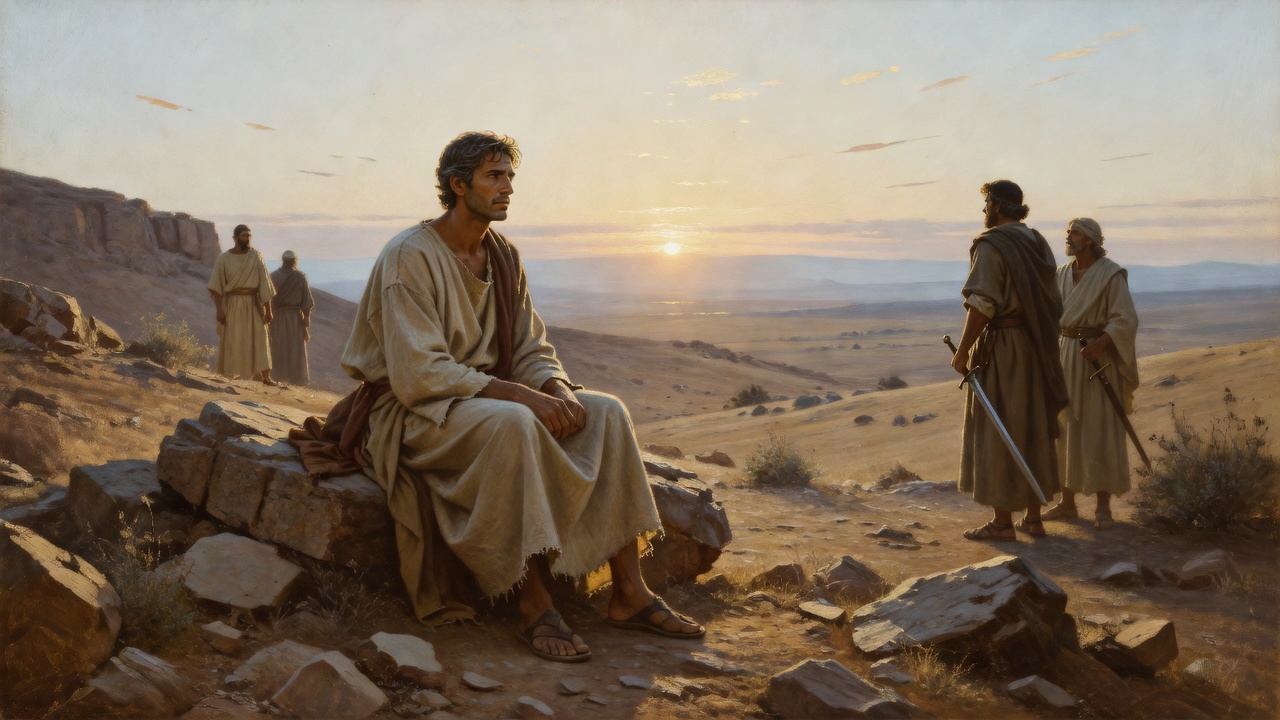
Devit uan otarim Apsalomɨn arav ghugha, dughiar kamɨn ighiar kam osiri.
1O Ikiavɨra Itir God, nan apaniba me bar avɨraseme.
Me nan apanim gamua egha pazavɨra na gami.
2Men avɨriba na mɨgɨa ghaze,
“God nɨn akuraghan kogham.”
(Ighiam gamua an suiam // atugha avughsegha ua // ighiam gami.)
3Ezɨ men akar me mɨgeir kam a guizbangɨra puvatɨ.
Ikiavɨra Itir God, nɨrara nan mɨdorozir oramɨn mɨn iti, ezɨ kɨ nɨn uabɨ modi.
Nɨrara nan akurvazima kɨ uan apaniba abɨri.
Nɨ nan osɨmtɨziba agevima, kɨ tugha gavgavighavɨra iti.
4Kɨ uabɨn akurvaghasa Ikiavɨra Itir Godɨn dei.
Ezɨ a uan mɨghsɨar ua baghavɨra inabazimɨn ikia
na baragha nan akurvasi.
(Ighiam gamua an suiam // atugha avughsegha ua // ighiam gami.)
5Kɨ mɨsiamɨn akuava onganigha, egha gɨn osegha bar deravɨra iti.
Bar guizbangɨra, Ikiavɨra Itir God bar deravɨra nan gari.
6Nan apanir 10,000pla danganiba bar na ekɨaru,
ezɨ kɨ men atiatir puvatɨ.
7O Ikiavɨra Itir God, nɨ nan God, nɨ dɨkavigh izɨ nan akuragh.
Guizbangɨra, nɨ mati gumazim uan apanibar koviabav sozi moghɨn, nɨ nan apaniba aghumsɨzim me ganɨdi.
Nɨ mati gumazim uan apanibar atariba apɨrizɨ moghɨn,
nɨ gumazir kurar kaba abɨri.
8Ikiavɨra Itir God, nɨ uabɨra en akurvagha uam e ini,
ezɨ bizir katam bar e gasɨghasɨghizir puvatɨ.
Nɨ bar deraghavɨra uan gumazamizibagh ami.
(Ighiam gamua an suiam // atugha avughsegha ua // ighiam gami.)
Did you know?
A Morning Prayer in Exile
- The psalm is traditionally framed by David's flight from his son Absalom, a crisis during which many claimed that God would no longer deliver the king.Sources: the Bible text itself
- Despite being surrounded by thousands of adversaries, the speaker expresses profound peace, noting that he can lie down, sleep, and wake safely because the Lord sustains him.Sources: the Bible text itself
- The ancient Hebrew marker Selah appears three times in this short composition, pausing the text after moments of acute distress, answered prayer, and the final blessing.Sources: the Bible text itself
Notes written with AI assistance from open sources (Theographic Bible Metadata, CC BY-SA 4.0; Easton’s Bible Dictionary, public domain) and reviewed before publishing.
Credits and license for this translation
Godɨn Eghaghanim: Akar Gavgavir Dɨkɨrɨzir Ghurim ko Igiam
The Holy Bible in the Aruamu language of Madang Province, Papua New Guinea, 2020 Edition
Buk Baibel long tokples Aruamu long Madang Provins long Niugini long 2020
copyright © 2020 Pioneer Bible Translators
Language: Aruamu
Translation by: Pioneer Bible Translators
Contributor: The Seed Company
GOD'S STORY in the Aruamu Language of Papua New Guinea
This translation is made available to you under the terms of the
Creative Commons Attribution Share-Alike license 4.0.
You have permission to share and redistribute this Bible translation in any format and to make reasonable revisions and adaptations of this translation, provided that:
You include the above copyright and source information.
If you make any changes to the text, you must indicate that you did so in a way that makes it clear that the original licensor is not necessarily endorsing your changes.
If you redistribute this text, you must distribute your contributions under the same license as the original.
Pictures included with Scriptures and other documents on this site are licensed just for use with those Scriptures and documents.
For other uses, please contact the respective copyright owners.
Note that in addition to the rules above, revising and adapting God's Word involves a great responsibility to be true to God's Word. See Revelation 22:18-19.
2025-05-15
Source: http://png.bible/msy2020/ · eBible.org