Proverbs 7
Godɨn Eghaghanim: Akar Gavgavir Dɨkɨrɨzir Ghurim ko Igiam · Tap a verse to see its cross-references.
1Nan borim, akar kam bar pɨn ko,
nɨ pamtem nan akamɨn suiraghtɨ a nɨn nɨghnɨzimɨn ikɨ.
2Nɨ nan akam deraghvɨram an gɨn mangɨ, nɨ deraghvɨra ikiam.
Egh deraghvɨra nan akamɨn gan, mati nɨ uabɨ uan damazim geghufi.
3Nɨ nan akam inigh uan navim datɨghtɨ a ikɨ mamaghɨra ikiam,
mati ring zurara nɨn dafarimɨn iti.
4Nɨghnɨzir aghuim, nɨ ko mamaghɨra ikia, mati nɨn buaramizim nɨ ko iti.
Fofozim, a mati nɨn roroar aghuim.
5Eghtɨ gumazir igharazimɨn amuim uabɨ ko dakusɨ apezeperir akabar nɨ mɨkɨm nɨ gaghontɨ,
nɨghnɨzir aghuimra nɨ mɨkemeghtɨ, nɨ an akamɨn gɨn mangan kogham.
Gumazir igiabar ikiangsɨzir akaba
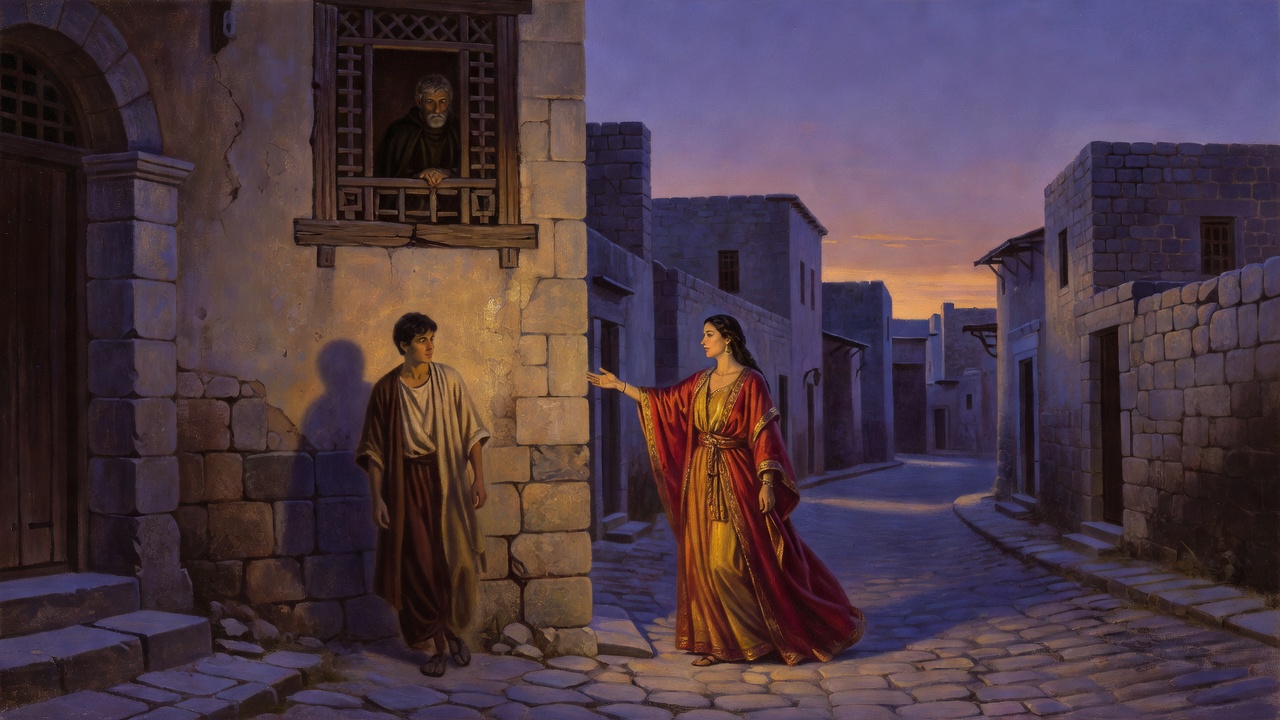
6Dughiar mamɨn kɨ uan dɨpenimɨn aven winduan boroghɨn tughav ikia
egha tuavimɨn gari.
7Egha kɨ gumazir igiabar garima me tuavimɨn mangɨgh zegh gami.
Egha me nɨghnɨzir aghuiba ko fofoziba puvatɨ. Egha mav bar paza ghu.
8Egha gumazir igiar kam,
amizir kurar mamɨn dɨpenimɨn boroghɨn arui.
9Ezɨ aruem iraghugha gɨvazɨ,
amɨnim bar pɨrasava ami.
10Ezɨ amizir kam tuavimɨn amizimɨn mɨn kurukegha, gumazir kam gekuigh uabɨ mɨkɨnasa.
Egha amizim ghuava a bato.
11Amizir kam, an aghumsɨzir puvatɨgha puv ifaghati,
egha deragha dɨpenimɨn apiaghirir puvatɨ.
12Egha a zurara gumaziba buria
tuaviba ko biziba amadir danganiba ko uari akuvir danganiba bar dagh arui.
13Ezɨ kɨ garima, amizir kam gumazir igiar kam muigha an tori.
Egha an damazimningra gara egha kamaghɨn a mɨgei,
14“Kɨ datɨrɨghɨn ofan mam gami,
ezɨ ofan kamɨn asɨzir nar mam nan dɨpenimɨn iti.
15Kamaghɨn amizɨ, kɨ uan dɨpenim ategha egha nɨ buriasa izi.
Egha kɨ nɨ bato.
16Kɨ uaghan mɨsiar aghuim uan dɨpenimɨn anekɨri.
Egha kɨ Isipɨn kantrin inir avaver dirir aghuiba itiba isa, mɨsiar kamɨn da ghuani.
17Egha kɨ pauran mughuriar bar aghuim zuiba,
mɨsiar kam ginge.
18Nɨ na ko izɨ!
Ga uaning gikararangɨva daku mamaghɨra ikɨtɨ amɨnim tiragham.
19Nɨ nan pamɨn atiatingan markɨ.
A dɨpenimɨn itir puvatɨ. A saghon ghugha maghɨra iti.
20A dagɨar avɨriba inigha da sara ghu. Egh zuamɨra izeghan kogham.
Wighɨn pumuning gɨvaghtɨ a ua izam.”
21Egha amizir kam, gumazir kamɨn navim damutɨ a dɨkavasa,
akar isɨngtɨzir aghuiba ko apezeperir akabar a gifarava a gakaghora an navim ginifi.
22Ezɨ gumazir kam amizir kamɨn akam baregha zuamɨra amizir kamɨn gɨn dɨpenimɨn ghu,
mati bulmakau me a mɨsueghtɨ an aremeghasa a inigha zui. Egha mati asɨzir mam azuazimɨn aven ghu.
23Ezɨ gumazir kam kamaghɨn fozir puvatɨ, afuzitam an dɨghorim mɨtivam.
A mati kuarazir mam mɨghegha ivem itir danganimɨn zui. Egha a fozir puvatɨ, ivem an suiraghtɨ an aremegham.
24O nan boriba, ia oragh,
ia deraghvɨra nan akam baragh.
25Ia uan naviba ateghtɨ
da amizir kamaghɨn amimɨn gɨn mangan markɨ.
26Guizbangɨra, gumazir bar avɨriba
amizir kamaghɨn amimɨn agharimɨn ariaghire.
27An bighan zuir tuavim mati nɨ ovevem bagha fɨrim mɨkɨnigha ghu.
Ia tuavir kamɨn mangam, ia Gumazamizir Oveaghuezibar Nguibamɨn zuir tuavimɨn ghugha gɨfa.
Did you know?
The Trap of Seduction
- The narrator observes the scene through the lattice of a house window, watching the street below as twilight fades into the dark of night. This literary perspective presents the story as an eyewitness account warning against wandering into places of temptation.Sources: the Bible text itself
- The seductress mentions that she has paid her vows and offered peace offerings, meaning she had meat from sacrifices prepared for a feast. She further appeals to luxury by mentioning colored linen imported from Egypt and perfumes of myrrh, aloes, and cinnamon.Sources: the Bible text itself
- To counter the allure of the stranger, the teacher urges the youth to embrace wisdom as a sister and understanding as a close relative. Cultivating an intimate, familial relationship with wisdom is framed as the vital defense against deceptive speech.Sources: the Bible text itself
Notes written with AI assistance from open sources (Theographic Bible Metadata, CC BY-SA 4.0; Easton’s Bible Dictionary, public domain) and reviewed before publishing.
Places in this chapter
- Egypt · 30.129, 31.308 · verse 16
Only places identified with high confidence are shown (90% or more according to the scholarly sources compiled by OpenBible). Period map: DARE (Digital Atlas of the Roman Empire), CC BY 4.0; modern map: © OpenStreetMap contributors; places: OpenBible.info (CC BY 4.0).
Credits and license for this translation
Godɨn Eghaghanim: Akar Gavgavir Dɨkɨrɨzir Ghurim ko Igiam
The Holy Bible in the Aruamu language of Madang Province, Papua New Guinea, 2020 Edition
Buk Baibel long tokples Aruamu long Madang Provins long Niugini long 2020
copyright © 2020 Pioneer Bible Translators
Language: Aruamu
Translation by: Pioneer Bible Translators
Contributor: The Seed Company
GOD'S STORY in the Aruamu Language of Papua New Guinea
This translation is made available to you under the terms of the
Creative Commons Attribution Share-Alike license 4.0.
You have permission to share and redistribute this Bible translation in any format and to make reasonable revisions and adaptations of this translation, provided that:
You include the above copyright and source information.
If you make any changes to the text, you must indicate that you did so in a way that makes it clear that the original licensor is not necessarily endorsing your changes.
If you redistribute this text, you must distribute your contributions under the same license as the original.
Pictures included with Scriptures and other documents on this site are licensed just for use with those Scriptures and documents.
For other uses, please contact the respective copyright owners.
Note that in addition to the rules above, revising and adapting God's Word involves a great responsibility to be true to God's Word. See Revelation 22:18-19.
2025-05-15
Source: http://png.bible/msy2020/ · eBible.org