Proverbs 5
Godɨn Eghaghanim: Akar Gavgavir Dɨkɨrɨzir Ghurim ko Igiam · Tap a verse to see its cross-references.
Nɨ gumazir igharazimɨn amuim okemegh a ko dakuan markɨ
1Nan borim, nɨ deraghvɨra kuarim atɨgh nan akam baragh.
Kɨ nɨghnɨzir aghuim ko fofozir aghuim nɨ danɨngasa.
2Eghtɨ nɨ deragh tuaviba tuisɨghamin arazim gɨfoghɨva egh tuavir aghuimɨn gɨn mangam.
Eghtɨ nɨn mɨgɨrɨgɨaba mati gumazim fofozir aghuim ikia mɨgei.
3Nɨ fogh, amizitam uan pam ategh, nɨ gakueghsɨ, a nɨ apezeperɨva akar avɨribar nɨ mɨkɨmɨva egh nɨ gekuigham.
Eghtɨ an akaba zuimɨn mɨn bar isɨngigham.
4Eghtɨ nɨ an mɨgɨrɨgɨabar gɨn mangɨghɨva, gɨn an akabagh nɨghnɨghtɨ da bar nɨn ikuvigham.
Amizir kamɨn akaba mati nɨ marasinɨn mɨsozim ame. Egha a uaghan mati mɨdorozir sabamɨn mɨn nɨ ginifi.
5Ezɨ amizir kamaghɨn amim, a nɨn akua Gumazamizir Oveaghuezibar Nguibamɨn zui. Kar ovever tuavimra.
6A ikɨrɨmɨrir aghuimɨn zuir tuavimɨn mangasa nɨghnɨzir puvatɨ.
A kamaghɨn fozir puvatɨ, a tuavir kuramɨn ghua pura zui.
7Nan boriba, deraghvɨra kuariba arighɨva nan akam baragh,
ia akar kam bakɨnɨghnɨghan markɨ.
8Nɨ bar amizir kamaghɨn amimɨn saghon ikɨ.
Egh nɨ an dɨpenimɨn tiar akamɨn boroghɨn mangan markɨ.
9Nɨ a bagh mangɨgh, egh uan ziar aghuim gasɨghasigham.
Eghtɨ an pam nɨn apangkuvighan kogham. A nɨ mɨsueghtɨ nɨ uan igiamram ovegham.
10Bizir aghuir nɨ pamtem ingara iniziba,
da gumazir igharazibar dafaribar mangɨgham.
11Eghtɨ arɨmariam nɨ inightɨ nɨ bar agharim guragham.
Egh nɨ ovengamin dughiam, nɨ dakozimɨn irɨghɨv ikɨ mɨzazim iniva arangam.
12Egh nɨ kamaghɨn mɨkɨmam, “Kɨ bar ongani. Kɨ manmaghsua otuegha aghuzir akabar aghua.
Me na akɨrasa mɨgeir akaba, kɨ da baraghan aghua.
13Gumaziba aghuzir akabar na mɨgei,
ezɨ kɨ men akaba barazir puvatɨ.
14Kɨ datɨrɨghɨn bar moghɨra ikufi,
egha gumazamizibar damazibar aghumsɨki.”
15Kɨ ua nɨ mɨgei, nɨ gumazir igharazimɨn mozir dɨpam aneman markɨ.
Nɨ uan amuimra ko ikɨ, egh anarɨra ko daku, mati gumazim uan mozir dɨpamram api.
16Nɨ amizir igharaziba ko dakutɨ, me boriba bateghtɨ, borir kaba gɨn nɨn akuraghan kogham.
Nɨn amuimra nɨ bagh boriba batɨ.
17Nɨ amizir igharaziba ko dakutɨ, nɨn boriba nɨn akurvaghan kogham.
Me gumazir nɨ fozir puvatɨzibar akurvagham. Arazir kam ikufi, nɨn boribara, nɨ ko ikɨ.
18God nɨn amuim deraghvɨram a damutɨ, a mati nɨn mozir dɨpam,
eghtɨ nɨ a bagh bar akuegham.
19An ganganim bar derazɨ an araziba bar aghungi.
Egha a bar nɨ gifonge, kamaghɨn amizɨ nɨ zurara a gɨnɨghnɨghɨva, egh bar a gifongegh. Egh nɨ zurara an otemning bagh bar akongegh.
20Nan borim, nɨ manmaghsua gumazir igharazimɨn amuim gɨnɨghnɨghvɨra ikia a gifuegha, an otemningɨn suighasa?
Arazir kam bar ikufi.
21Nɨ fogh, Ikiavɨra Itir God nɨ amir biziba a bar dar gari,
egha bar deraghavɨra nɨn arazibar gara dagh fo.
22Gumazimɨn arazir kuram,
ivemɨn mɨrara an suira, egha mati benimɨn mɨn a ikiagharɨki.
23Kamagh amir gumazim, a uan ifongiam dɨkabɨrir puvatɨgha arazir bar onganim gami,
eghtɨ an arazir kamning a mɨsueghtɨ an aremegham.
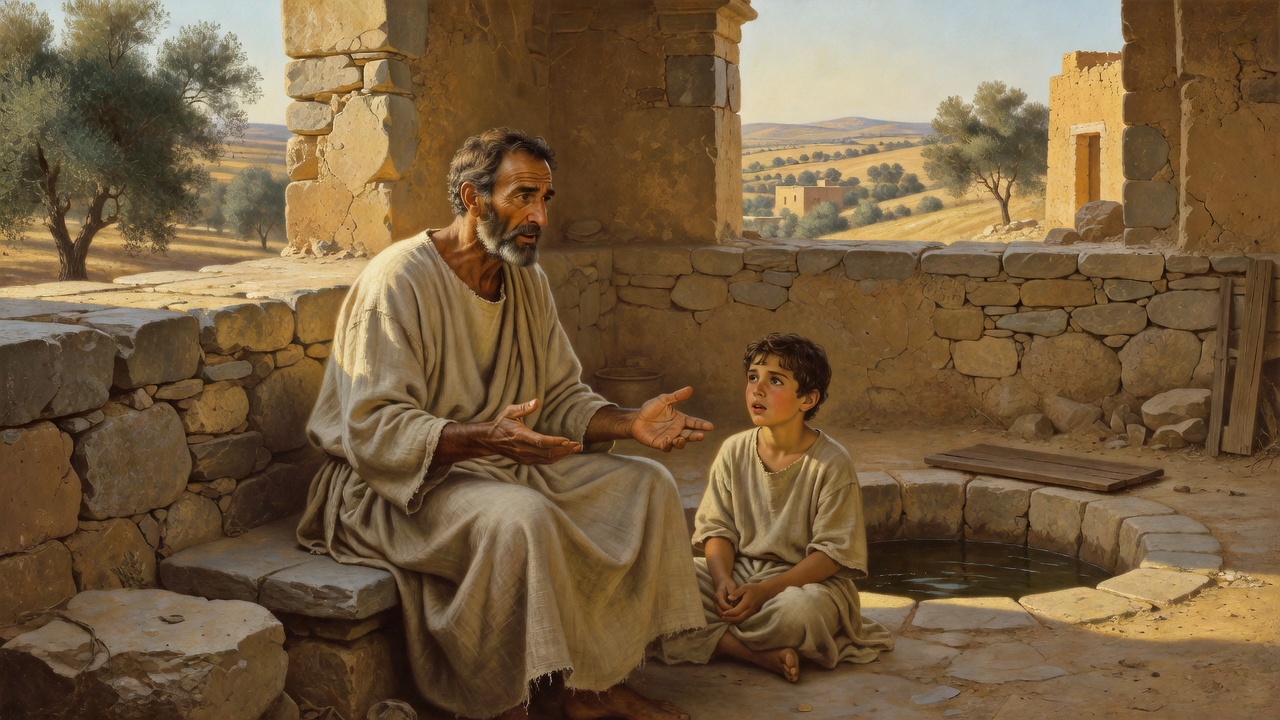
Did you know?
Wisdom, Fidelity, and the Pitfalls of Seduction
- The passage uses domestic water sources, such as a personal cistern and well, as metaphors for marital intimacy and fidelity. The father advises finding satisfaction at home rather than letting one's springs and streams scatter into public streets and squares.Sources: the Bible text itself
- Seductive speech is contrasted with its consequences: while its words are portrayed as sweet like honey and smooth like oil, the ultimate outcome is described as bitter like wormwood, piercing like a double-edged sword, and leading to death and Sheol.Sources: the Bible text itself
- The warning highlights both practical and spiritual costs of infidelity, from the loss of personal wealth and physical vigor to public disgrace before the community assembly, concluding that all human ways are examined by the LORD.Sources: the Bible text itself
Notes written with AI assistance from open sources (Theographic Bible Metadata, CC BY-SA 4.0; Easton’s Bible Dictionary, public domain) and reviewed before publishing.
Credits and license for this translation
Godɨn Eghaghanim: Akar Gavgavir Dɨkɨrɨzir Ghurim ko Igiam
The Holy Bible in the Aruamu language of Madang Province, Papua New Guinea, 2020 Edition
Buk Baibel long tokples Aruamu long Madang Provins long Niugini long 2020
copyright © 2020 Pioneer Bible Translators
Language: Aruamu
Translation by: Pioneer Bible Translators
Contributor: The Seed Company
GOD'S STORY in the Aruamu Language of Papua New Guinea
This translation is made available to you under the terms of the
Creative Commons Attribution Share-Alike license 4.0.
You have permission to share and redistribute this Bible translation in any format and to make reasonable revisions and adaptations of this translation, provided that:
You include the above copyright and source information.
If you make any changes to the text, you must indicate that you did so in a way that makes it clear that the original licensor is not necessarily endorsing your changes.
If you redistribute this text, you must distribute your contributions under the same license as the original.
Pictures included with Scriptures and other documents on this site are licensed just for use with those Scriptures and documents.
For other uses, please contact the respective copyright owners.
Note that in addition to the rules above, revising and adapting God's Word involves a great responsibility to be true to God's Word. See Revelation 22:18-19.
2025-05-15
Source: http://png.bible/msy2020/ · eBible.org