Malachi 1
Godɨn Eghaghanim: Akar Gavgavir Dɨkɨrɨzir Ghurim ko Igiam · Tap a verse to see its cross-references.
About this book
About Malachi
- Easton's Bible Dictionary (1897) presents Malachi, a name meaning "messenger" or "angel," as the last of the minor prophets and the writer of the last book of the Old Testament canon. Nothing is known of him beyond what is contained in his book of prophecies.Sources: Easton: Malachi · Malachi
- Some have supposed that the name is simply a title for a messenger of Jehovah, not a proper name. Easton's Bible Dictionary (1897) concludes, however, that there is reason to regard Malachi as the prophet's ordinary name.Sources: Easton: Malachi · Malachi
- Easton's Bible Dictionary (1897) dates the prophecies to about 420 B.C., after Nehemiah's second return from Persia, or possibly before that return. Because Ezra does not mention him and he does not mention the restoration of the temple, the dictionary infers that he prophesied after Haggai and Zechariah.Sources: Easton: Malachi
- Easton's Bible Dictionary (1897) treats Malachi as a contemporary of Nehemiah, comparing Malachi 2:8 with Nehemiah 13:15 and Malachi 2:10-16 with Nehemiah 13:23. It also notes that the temple services were still in existence, citing Malachi 1:10, 3:1 and 3:10.Sources: Easton: Malachi
Notes written with AI assistance from open sources (Theographic Bible Metadata, CC BY-SA 4.0; Easton’s Bible Dictionary, public domain) and reviewed before publishing.
E Ikiavɨra Itir Godɨn apengan ikɨ, egh bizir e amiba bagh // ziar ekiam a danɨngam
God bar Israelia gifonge
1Ikiavɨra Itir God, Israelia mɨkɨmasa akar kam isa Malakai ganɨngi. 2Ikiavɨra Itir God kamaghɨn mɨgei, “Kɨ bar fomɨra ia gifueghavɨra iti.” Ezɨ ia ghaze, “Nɨ manmaghɨram e gifonge?”
Ezɨ Ikiavɨra Itir God ghaze, “Ia oragh, fomɨra Jekop ko Iso, aning aveghbuamning, ezɨ kɨ Jekop gifuegha, Ison aghua. 3Iso uan ovavir boriba ko, me Idomia me garɨsi, ezɨ kɨ me gifongezir puvatɨ. Kamaghɨn amizɨ, kɨ Ison danganir mɨghsɨam gasɨghasigha gɨfa, egha an nguazim gamizɨma, an afiar atiabar nguibamɨn oto.”
4Eghtɨ Idomia kamaghɨn mɨkɨm suam, “En nguibar ekiaba ikuvigha gɨfa, ezɨ e uam adar ingaram,” eghtɨ Ikiavɨra Itir Godɨn Gavgaviba Bar Itim men akam ikaragh mɨkɨm suam, “Ia uam adar ingartɨ, kɨ da apɨrarightɨ da ua bar ikuvigham. Eghtɨ gumazamizir igharaziba, me Idomia ia mɨkɨm suam, ‘Me gumazamizir kuraba,’ egha ‘Me gumazamizir, Ikiavɨra Itir God zuraram atariba.’ ” 5Ia Israelian gumazamiziba, ia uan damazibar bizir kamɨn ganam. Egh ia kamagh mɨkɨm suam, “Ikiavɨra Itir God, gavgavir ekiam ikia, Israelia iararam akurvazir puvatɨ, a uaghan kantrin igharazibar ingangarir gavgavibagh ami.”
Ikiavɨra Itir God // ofa gamir gumazibar atari
6Egha Ikiavɨra Itir Godɨn Gavgaviba Bar Itim kamaghɨn ofa gamir gumazibav gɨa ghaze, “Boriba uan afeziabar apengan ikia men ziaba fe, ezɨ ingangarir gumaziba uan gumazir dapanibar apengan ikia men akabar gɨn zui. Kamaghɨn amizɨ, ia oragh. Kɨ ian afeziam. Ia manmaghɨn amigha nan apengan itir puvatɨ? Kɨ ian gumazir dapanim. Ia manmaghɨra amigha nan akabar gɨn zuir puvatɨ? Ia nan aghuagha akɨrim ragha na gasi. Egha ia kamaghɨn na mɨgɨa ghaze, ‘E manmaghɨra nɨn aghuagha akɨrim ragha nɨ gasi?’ 7Ia oraghtɨ, kɨ ian arazir kuramɨn gun ia mɨkɨmam. Ia nan ofabagh amir dakozimɨn asɨzir kuraba inigha iza ofaba tue. Egha ia gɨn kamaghɨn nan azangsɨsi, ‘E manmaghɨra nɨn ziam gasɨghasɨki?’ Kɨ datɨrɨghɨn ia mɨkɨmam. Ia ghaze, nan ofa gamir dakozim ti pura bizim, ia kamaghɨn amua nan ziam gasɨghasɨki. 8Ia ofa gamua, asɨzir damazir okavɨrɨzir mam inigha na bagha an ofa gami, ia ghaze, ian arazir kam ti deras, o? Egha ia asɨzir arɨmariaba itiba ko, agharir dɨbɨriba, ia da isa na bagha ofa damuasa da inigha izi, ia amir arazir kam a deras, o? Ia asɨzir kamagh garitam isɨ uan gavmanɨn faragha zuir gumazir dapanim danightɨ, a ti ia amizir arazir kam gifuegham, o? Egh a bizir kam ikarvagh bizir bar aghuitam ia danɨngam, o? Ti bar puvatɨgham! Kɨ Ikiavɨra Itir Godɨn Gavgaviba Bar Itim, kɨ kamaghɨn ia mɨkeme.”
9Aria, ia ofa gamir gumaziba, ia God deragh e damusɨ an azangsɨgh. Eghtɨ a bar ian azangsɨzim bareghan koghtɨ, tinara osɨmtɨzir kam ateram? Osɨmtɨzir kam iarara aneteram. Ikiavɨra Itir Godɨn Gavgaviba Bar Itim, kamaghɨn ia mɨgei.
10Ezɨ Ikiavɨra Itir Godɨn Gavgaviba Bar Itim ghaze, “Kamaghɨn ti deragham, gumazitam nan Dɨpenimɨn tiar akaba asegham, eghtɨ gumazitam aven mangɨ ofan mɨngariba puvatɨzir kabar amusɨ ofa gamir dakozimɨn avim arɨghan kogham. Kɨ ian arazir kabagh ifongezir puvatɨ. Egh ofan ia na bagha inigha iziba, kɨ da inian kogham.
11“Kɨ Ikiavɨra Itir Godɨn Gavgaviba Bar Itim, kɨ ghaze, gumazamizir aruem anadi naghɨn itiba ko, aruem uaghiri naghɨn itir kantriba, me bar moghɨra ziar ekiam na ganɨdi. Nguibaba bar dar gumazamiziba mughuriar aghuim zuir ofaba ko, ofan igharazir guar avɨriba sara na danɨngam. Gumazamizir kaba me bar moghɨra ziar ekiam na ganɨdi. 12Ezɨ ia nan ofa gamir dakozim mɨgɨa ghaze, a pura bizim, egha dagher kurar ia aghuaziba, ia da isa ofan mɨn na ganɨdi. Ia kamaghɨn amua nan ziam fer puvatɨ. 13Ia kamaghɨn mɨgɨa ghaze, ‘Oio, e ofa damuamin arazim a bar e baseme.’ Ezɨ ian arazir kam kamaghɨn akagha ghaze, ia Ikiavɨra Itir Godɨn Gavgaviba Bar Itimɨn ziar ekiam, a ganɨdir puvatɨ. Ia asɨzir atiaba mɨsoghezir asɨziba isa, dar ofabagh ami. Ia uaghan asɨzir arɨmariaba itiba ko, agharir dɨbɨriba isa na bagha izi. Egha ia ghaze, Kɨ Ikiavɨra Itir God, kɨ ti ia amir ofan kabagh ifuegham, a? Ti bar puvatɨgham! 14Ian tina, na ko ofa damuasa akam akɨrigha inabazir asɨzir mɨkarziba sara itir aghuiba ategha, asɨzir kurar mɨzɨrɨziba inigha Ikiavɨra Itir God, bagha izi. Ia ifavarir arazir kam bangɨn ia ivezir kuram iniam. Kɨ Ikiavɨra Itir Godɨn Gavgaviba Bar Itim. Kɨ atrivibar Ekiam, ezɨ kantribar gumazamiziba bar nan atiatia nan ziamra fe. Kamaghɨn amizɨ, kɨ bizir kam bagh ia gasɨghasigham.”
Did you know?
Honoring God and Defective Offerings
- The name Malachi means messenger or angel. While some have suggested it was a title rather than a proper name, scholars and traditions widely treat it as the prophet's personal name, placing his ministry during the period of Nehemiah, after Haggai and Zechariah.Sources: Malachi
- The opening dispute recalls the twin brothers Jacob and Esau, the ancestors of Israel and Edom. The text contrasts God's covenant love for Israel with the judgment and desolation coming upon the mountainous region of Edom.Sources: Esau (Edom) · Jacob (Israel) · Edom · the Bible text itself
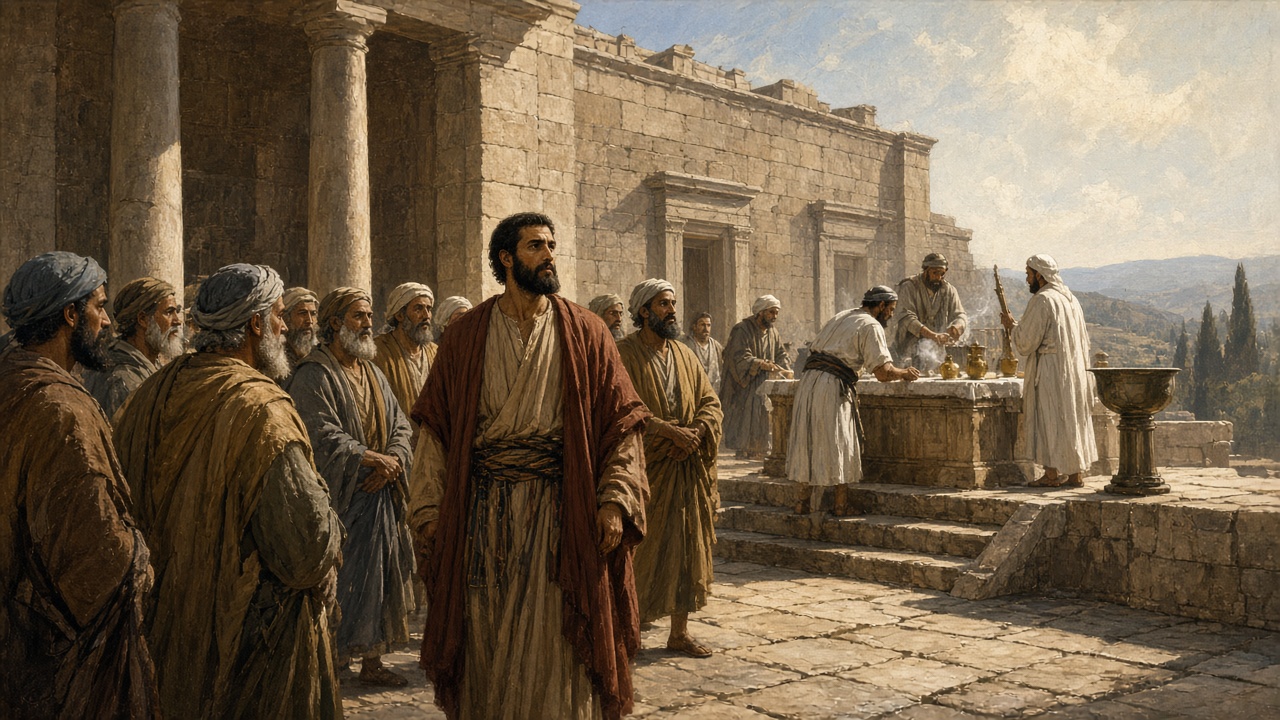
- The priests are rebuked for offering blind, lame, and diseased animals on the altar rather than unblemished livestock. Malachi exposes their disrespect by asking whether a civil governor would accept such inferior gifts.Sources: the Bible text itself
Notes written with AI assistance from open sources (Theographic Bible Metadata, CC BY-SA 4.0; Easton’s Bible Dictionary, public domain) and reviewed before publishing.
Places in this chapter
- Edom · 30.746, 35.604 · verse 4
Only places identified with high confidence are shown (90% or more according to the scholarly sources compiled by OpenBible). Period map: DARE (Digital Atlas of the Roman Empire), CC BY 4.0; modern map: © OpenStreetMap contributors; places: OpenBible.info (CC BY 4.0).
Credits and license for this translation
Godɨn Eghaghanim: Akar Gavgavir Dɨkɨrɨzir Ghurim ko Igiam
The Holy Bible in the Aruamu language of Madang Province, Papua New Guinea, 2020 Edition
Buk Baibel long tokples Aruamu long Madang Provins long Niugini long 2020
copyright © 2020 Pioneer Bible Translators
Language: Aruamu
Translation by: Pioneer Bible Translators
Contributor: The Seed Company
GOD'S STORY in the Aruamu Language of Papua New Guinea
This translation is made available to you under the terms of the
Creative Commons Attribution Share-Alike license 4.0.
You have permission to share and redistribute this Bible translation in any format and to make reasonable revisions and adaptations of this translation, provided that:
You include the above copyright and source information.
If you make any changes to the text, you must indicate that you did so in a way that makes it clear that the original licensor is not necessarily endorsing your changes.
If you redistribute this text, you must distribute your contributions under the same license as the original.
Pictures included with Scriptures and other documents on this site are licensed just for use with those Scriptures and documents.
For other uses, please contact the respective copyright owners.
Note that in addition to the rules above, revising and adapting God's Word involves a great responsibility to be true to God's Word. See Revelation 22:18-19.
2025-05-15
Source: http://png.bible/msy2020/ · eBible.org