Joshua 20
Godɨn Eghaghanim: Akar Gavgavir Dɨkɨrɨzir Ghurim ko Igiam · Tap a verse to see its cross-references.
Josua nguibar ekiar gumazamiziba arɨ mangɨ mongamiba amɨsefe
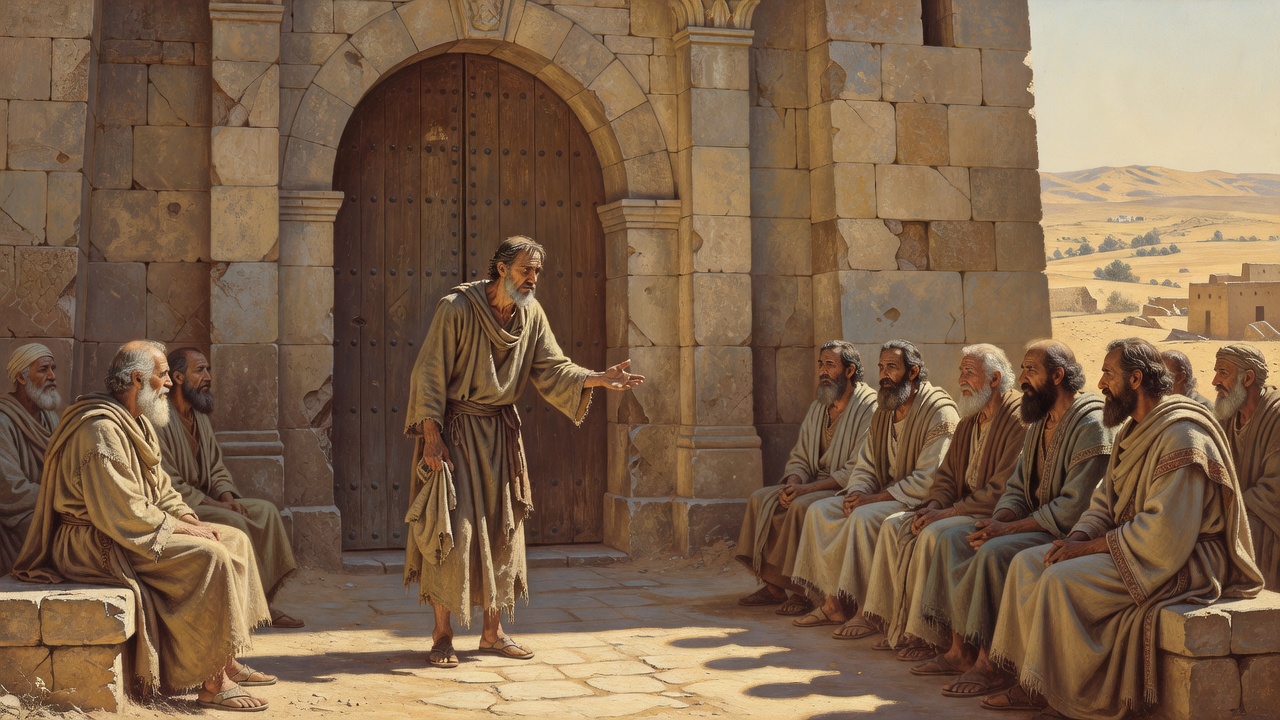
1Ezɨ gɨn Ikiavɨra Itir God Josua mɨgɨa ghaze, 2“Kɨ faragha Moses mɨkemezɨ moghɨra nɨ Israelia mɨkɨmtɨ, me nguibar ekiar gumazamiziba arɨ mangɨ mongamibagh, inamightɨ da ikɨ. 3Eghtɨ ian gumazitam, atamakuigh gumazitam mɨsueghtɨ an aremegham, an arɨ mangɨ nguibar ekiar kabar tamɨn modogh ikiam. Eghtɨ aremezir gumazimɨn tav uam a ikarvaghsɨ a burian kogham.
4“Eghtɨ gumazir osɨmtɨzim gamizim nguibar ekiar kamɨn mongsɨ mangɨ otogh, faragh mangɨ nguibar ekiamɨn tiar akamɨn, uan osɨmtɨzimɨn gun gumazir aruabav kemegh. Eghtɨ me an amamangatɨghtɨ, a mangɨ me ko ikiam. 5Eghtɨ gumazir a ikarvaghasava amim an gɨn izɨtɨ, nguibar ekiamɨn gumazir dapaniba a isɨ an agharim datɨghan kogham. Me fo, a guizbangɨra an apanim gamua a mɨsoghezɨ ana aremezir puvatɨ. Egh nguibar ekiar kamɨn gumazamiziba a geghuv deragh an ganam. 6Egh a nguibar ekiar kamɨn averara ikɨ mangɨtɨ, me gumazamizibar damazimɨn kotɨn aven, an osɨmtɨzim tuisɨgh a bareghtɨ, an kot deraghtɨ, a nguibar ekiar kamɨn averara ikɨ mangɨtɨ, ofa gamir gumazibar dapanim ovengeghamin dughiam otogham. Eghtɨ gɨn a uamategh uan nguibar a ikegha ara izezimɨn mangam.”
7Ezɨ me kamaghɨn oregha Naptalin anabamɨn nguibar mɨghsɨamɨn itir mam Kedes ginaba. A Galilin Distrighɨn aven iti. Egha Efraimɨn nguibar mɨghsɨamɨn itim, Sekem ginaba. Egha Kiriat Arba, an ziar mam Hebron, me a ginaba. A Judan anabamɨn nguibar mɨghsɨamɨn itim. 8Egha me Rubenɨn anabamɨn nguazimɨn, Beserɨn nguibam ginaba. Nɨ Jerikon tugh Jordanɨn Fanemɨn vongɨn gantɨ, Beserɨn nguibar mɨghsɨam ikiam. An aruem anadi naghɨn dɨpaba puvatɨzir danganimɨn iti. Egha Gatɨn anabamɨn nguazimɨn, Gileatɨn Distrighɨn aven, me Ramotɨn nguibar ekiam ginaba. Egha Manasen anabamɨn nguazimɨn, Basanɨn Distrighɨn aven, Golanɨn nguibar ekiam ginaba. 9Nguibar ekiar mongamin kaba, kar Israelia, ko Kantrin Igharazibar Gumazamizir me ko itiba, me me bagha dagh inaba, eghtɨ men tav atamakuigh gumazitam mɨsoghtɨ an aremeghtɨ, an tav a ikarvaghsɨ damutɨ, an atiating ivegh mangɨ nguibar ekiar kabar aven mangɨ deragh ikiam. A kagh ikɨ mangɨtɨ kotiar dughiamɨn gumazamiziba bar a baregham. Eghtɨ gumazir ovevem ikaraghasa amim, faragh deraghvɨra oregh fogh suam, gumazir kam ti guizbangɨra nɨghnigha a mɨsoghezɨ an areme, o puvatɨ. Kot mɨkɨm suam, Gumazir kam osɨmtɨzim guizbangɨra iti, eghtɨ an a ikaragham. Puvatɨghtɨ, puvatɨgham.
Did you know?
The Cities of Refuge
- The cities of refuge provided sanctuary for anyone who caused an accidental death, protecting them from retaliation by the victim's avenger of blood. A fugitive had to present their case to the elders at the city gate and could remain safely inside until standing trial before the assembly and until the death of the serving high priest.Sources: the Bible text itself
- Six cities were designated across the land, divided evenly with three on each side of the Jordan River. Kedesh, Shechem, and Hebron served the hill country west of the Jordan, while Bezer, Ramoth in Gilead, and Golan in Bashan served the eastern tribes.Sources: the Bible text itself · Hebron · Shechem · Kedesh
- The legal protection provided by the cities of refuge applied equally to native Israelites and to foreigners residing among them.Sources: the Bible text itself
Notes written with AI assistance from open sources (Theographic Bible Metadata, CC BY-SA 4.0; Easton’s Bible Dictionary, public domain) and reviewed before publishing.
Places in this chapter
- Galilee · 32.760, 35.527 · verse 7
- Hebron · Today: Tel Rumeida · 31.525, 35.102 · verse 7
- Kedesh · Today: Tel Kedesh · 33.112, 35.530 · verse 7
- Shechem · Today: Tell Balatah · 32.214, 35.282 · verse 7
- Bashan · 32.781, 35.935 · verse 8
- Gilead · Today: Gilead 1 · 32.187, 35.692 · verse 8
- Jericho · Today: Tell es Sultan · 31.872, 35.445 · verse 8
- Jordan · Today: Jordan River · 31.761, 35.558 · verse 8
- Ramoth · Today: Tall er Rumeith · 32.500, 36.015 · verse 8
Only places identified with high confidence are shown (90% or more according to the scholarly sources compiled by OpenBible). Period map: DARE (Digital Atlas of the Roman Empire), CC BY 4.0; modern map: © OpenStreetMap contributors; places: OpenBible.info (CC BY 4.0).
Credits and license for this translation
Godɨn Eghaghanim: Akar Gavgavir Dɨkɨrɨzir Ghurim ko Igiam
The Holy Bible in the Aruamu language of Madang Province, Papua New Guinea, 2020 Edition
Buk Baibel long tokples Aruamu long Madang Provins long Niugini long 2020
copyright © 2020 Pioneer Bible Translators
Language: Aruamu
Translation by: Pioneer Bible Translators
Contributor: The Seed Company
GOD'S STORY in the Aruamu Language of Papua New Guinea
This translation is made available to you under the terms of the
Creative Commons Attribution Share-Alike license 4.0.
You have permission to share and redistribute this Bible translation in any format and to make reasonable revisions and adaptations of this translation, provided that:
You include the above copyright and source information.
If you make any changes to the text, you must indicate that you did so in a way that makes it clear that the original licensor is not necessarily endorsing your changes.
If you redistribute this text, you must distribute your contributions under the same license as the original.
Pictures included with Scriptures and other documents on this site are licensed just for use with those Scriptures and documents.
For other uses, please contact the respective copyright owners.
Note that in addition to the rules above, revising and adapting God's Word involves a great responsibility to be true to God's Word. See Revelation 22:18-19.
2025-05-15
Source: http://png.bible/msy2020/ · eBible.org