Joshua 17
Godɨn Eghaghanim: Akar Gavgavir Dɨkɨrɨzir Ghurim ko Igiam · Tap a verse to see its cross-references.
Nguazir me Manasen anabar me tuirazimningɨn igharazim bagha bɨghizim
1Ezɨ nguazir me Josepɨn otarir ivariam Manasen anabamɨn adarazi bagha bɨghizir nguazim, me an ovavir boribagh anɨngi. Ezɨ Makir, a Manasen otarir ivariam, a Gileatɨn afeziam, a mɨdorozir gumazir bar aghuim. Kamaghɨn me faraghavɨra Gileatɨn Distrik ko Basanɨn Distrighɨn itir nguaziba isa an ovavir boribagh anɨngi. 2Egha me datɨrɨghɨn aruem uaghiri naghɨn amadaghan Jordanɨn Fanemɨn itir nguaziba isa, Manasen ovavir borir igharazibagh anɨngi. Manasen ovavir boribar ziabar kara: Abieser, Helek, Asriel, Sekem, Hefer, Semida. Gumazir kaba, me vaghvagha uan ikɨzir ekiabar inazir afeziabar otifi. 3Manase, Makir bate, ezɨ Makir, Gileat bate, ezɨ Gileat Hefer bate, ezɨ Hefer Selofehat bate, ezɨ Selofehat, a guivibaram ote, egha otariba puvatɨ. Ezɨ an guivibar ziabar kara: Mala, Noa, Hokla, Milka, ko Tirsa. 4Ezɨ guivir kaba ghua ofa gamir gumazim Eleasar, ko Josua ko gumazir dapanibav gɨa ghaze, “Ikiavɨra Itir God, Moses mɨgɨa ghaze, ‘En afeziamɨn aveghbuabar otariba tongɨn ia nguazitam e danɨngigh.’ ” Ezɨ Josua Ikiavɨra Itir Godɨn akamɨn gɨn ghua, nguaziba abɨgha Selofehatɨn guivibagh anɨga, egha maghɨra Manasen anabamɨn aven itir gumaziba saram anɨngi. 5Josua nguaziba abɨgha da isa Manasen anabamɨn adarazir guiviba ko otaribagh anɨngi. Kamaghɨn Manasen anabamɨn adarasi, bar moghɨra 10plan nguaziba bar ada ini. Ezɨ Manasen anabamɨn ikɨzir igharazimɨn adarasi, Jordanɨn Fanemɨn vongɨn amadaghan Gileatɨn Distrik ko Basanɨn Distrighɨn nguaziba ini.
7Manasen anabamɨn adarazir nguazir mɨtaghniam, Aserɨn anabamɨn nguazimɨn ikegha ghua Mikmetatɨn nguibamɨn oto, an aruem anadi naghɨn amadaghan Sekemɨn nguibar ekiamɨn iti. Egha mɨtaghniam sautɨn amadaghan ghua Entapuabar nguazimɨn tu. 8Ezɨ Manasen anabamɨn nguazim ko Efraimɨn anabamɨn nguazimɨn mɨtaghniam, Tapuan nguibar ekiamɨn kagh iti. Egha Tapuan nguibam uabɨ, a Efraimbar nguibam. Ezɨ nguazir Tapuan nguibam ekɨaruzim, a Manasen adarazir nguazim. 9Ezɨ Efraimɨn adarazir nguibar ekiaba, kar nguibar ekiar sautɨn amadaghan itiba, ezɨ Manasen adarazir nguazim notɨn amadaghan iti, ezɨ aningɨn nguazir mɨtaghniam aruem uaghiri naghɨn Kanan daghurimɨn uaghira, Mediterenianɨn Ongarir Ekiamɨn mɨriam bar an ghu. Ezɨ Aserɨn nguazim not ko aruem uaghiri naghɨn aningɨn tongɨra iti, ezɨ Isakarɨn adarazir nguazim, not ko aruem anadi naghɨn aningɨn tongɨra iti. 11Isakar ko Aserɨn nguazir mɨtaghniamningɨn aven, Manasen anabam, nguibar kaba ini: Betsan, ko Ipleam, ko nguibar aning okarigha itiba, Nafat Dor, Endor, Tanak, ko Megido, ko nguibar da okarigha itiba. 12Ezɨ Manasen anabamɨn adarasi, Kenanɨn gumazamiziba nguibar ekiar kabar me batoghan ibura, ezɨ me me ko nguibar ekiar kabar ikiavɨra iti. 13Ezɨ Israelia gɨn gavgavim inigha, Kenania abɨrima, me pura men ingangarir gumazir kɨnibar iti. Egha me me batoghezir puvatɨ.
14Egha gɨn Josepɨn ovavir boriba, Josua bagha izegha a mɨgɨa ghaze, “Ikiavɨra Itir God bar deragha e gamizɨ, e bar avɨraseme. Ezɨ e nguazir avɨritaba inian fɨrɨn, nɨ nguazir vamɨra isava e ganɨngi.” 15Ezɨ Josua kamaghɨn men akam ikaragha ghaze, “Ian avɨrim bar ekeveghtɨ Efraimbar mɨghsɨabar itir nguazim ian suvightɨ, ia uari ghuanang Peresia ko Refaimian ruarir ghurimɨn mangɨ, uari baghvɨra nguazitamɨn ganɨva anezenegh.” 16Ezɨ Josepɨn ovavir boriba kamaghɨn a mɨgei, “Mɨghsɨar nguazir kam en sufi. Kenania, me danganir zarimɨn nguazir voroghɨra ireghav itiba, me bar moghɨra mɨdorozir karisɨn ainɨn gavgaviba itiba iti. Betsanɨn nguibar ekiam ko an okarigha itir nguibaba ko, Jesrilɨn nguibamɨn boroghɨn danganir zarimɨn itir adarasi, me bar ainɨn mɨdorozir karisba iti.”
17Ezɨ Josua kamaghɨn Efraim ko Manasen anabamningɨn adarazir nɨghnɨziba fa me mɨgɨa ghaze, “Ian anabamningɨn aven ia guizbangɨra bar avɨrasemegha, bar gavgafi. Nguazir vamɨra, a ian sufi. Kamaghɨn, ia nguazir igharazitaba uaghan ada iniam. 18Egh nguibar mɨghsɨabar itiba, ia bar moghɨram ada iniam. Ruarir kam a guizbangɨra ruarir ghurir pɨzim, ia an mɨtaghniar tamɨn ikegh an ingar mangɨ, an saghon itir mɨtaghniar igharazimɨn otogh. Kenania gavgavigha mɨdorozir karisɨn bar gavgaviba iti. Eghtɨ ia me mɨsogh men agɨntɨghtɨ me aregham.”
Did you know?
The Allotment for Manasseh and the House of Joseph
- The tribe of Manasseh was split geographically on both sides of the Jordan River. Because the clan of Machir was renowned for warfare, they had already received the eastern territories of Gilead and Bashan, while the remaining clans received ten portions on the west side of the Jordan.Sources: the Bible text itself · Machir · Gilead · Bashan
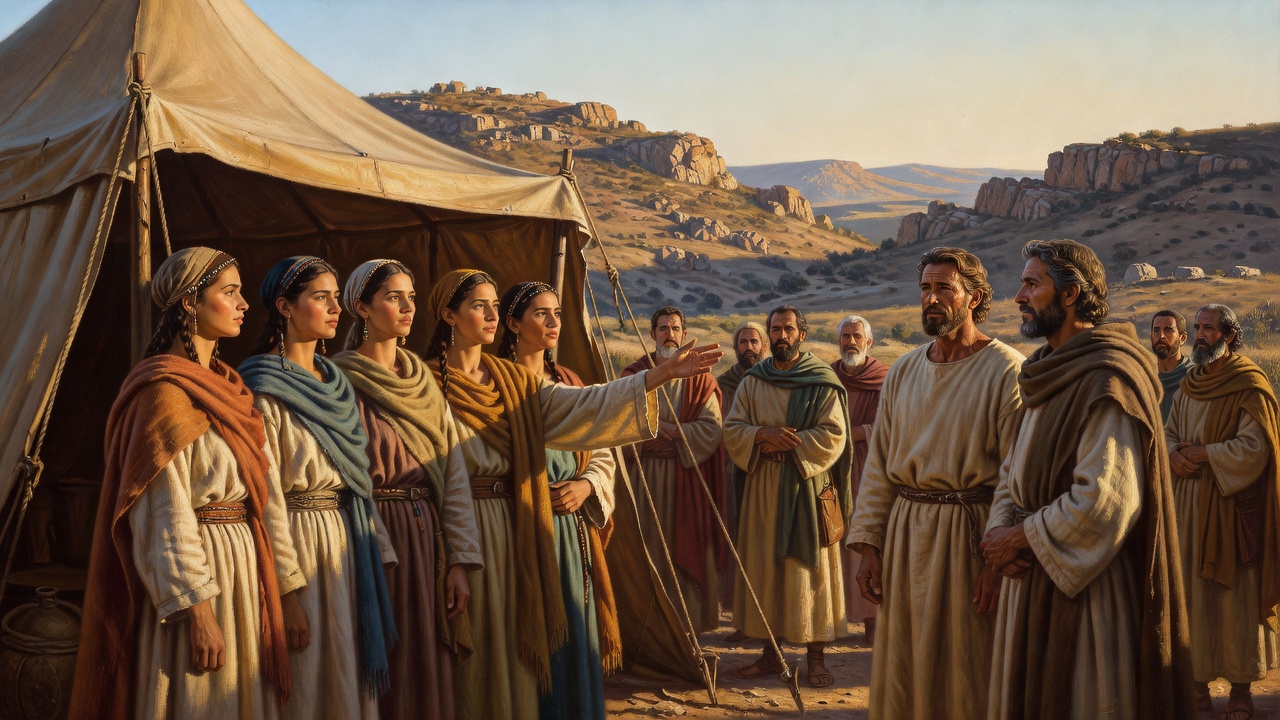
- The daughters of Zelophehad—Mahlah, Noah, Hoglah, Milcah, and Tirzah—approached Joshua and Eleazar the priest to claim the property rights previously granted to them through Moses. Their claim resulted in female heirs receiving land portions alongside their father's brothers.Sources: the Bible text itself · Hepher · Machir
- When the tribes of Ephraim and Manasseh complained that their territory was too small, Joshua urged them to clear the forested hill country instead of fearing the lowland Canaanites, who possessed iron chariots around cities like Beth-shean.Sources: the Bible text itself · Joshua · Beth-shean
Notes written with AI assistance from open sources (Theographic Bible Metadata, CC BY-SA 4.0; Easton’s Bible Dictionary, public domain) and reviewed before publishing.
Places in this chapter
- Bashan · 32.781, 35.935 · verses 1, 5
- Gilead · Today: Gilead 1 · 32.187, 35.692 · verses 1, 5, 6
- Jordan · Today: Jordan River · 31.761, 35.558 · verses 1, 2, 5
- Shechem · Today: Tell Balatah · 32.214, 35.282 · verse 7
- Great Sea · Today: Mediterranean Sea · 31.805, 34.170 · verses 9, 10
- Megiddo · Today: Tel Megiddo · 32.585, 35.184 · verse 11
- Taanach · Today: Tell Ta’anakh · 32.522, 35.219 · verse 11
- Valley of Jezreel · Today: Jezreel Valley · 32.596, 35.242 · verse 16
Only places identified with high confidence are shown (90% or more according to the scholarly sources compiled by OpenBible). Period map: DARE (Digital Atlas of the Roman Empire), CC BY 4.0; modern map: © OpenStreetMap contributors; places: OpenBible.info (CC BY 4.0).
Credits and license for this translation
Godɨn Eghaghanim: Akar Gavgavir Dɨkɨrɨzir Ghurim ko Igiam
The Holy Bible in the Aruamu language of Madang Province, Papua New Guinea, 2020 Edition
Buk Baibel long tokples Aruamu long Madang Provins long Niugini long 2020
copyright © 2020 Pioneer Bible Translators
Language: Aruamu
Translation by: Pioneer Bible Translators
Contributor: The Seed Company
GOD'S STORY in the Aruamu Language of Papua New Guinea
This translation is made available to you under the terms of the
Creative Commons Attribution Share-Alike license 4.0.
You have permission to share and redistribute this Bible translation in any format and to make reasonable revisions and adaptations of this translation, provided that:
You include the above copyright and source information.
If you make any changes to the text, you must indicate that you did so in a way that makes it clear that the original licensor is not necessarily endorsing your changes.
If you redistribute this text, you must distribute your contributions under the same license as the original.
Pictures included with Scriptures and other documents on this site are licensed just for use with those Scriptures and documents.
For other uses, please contact the respective copyright owners.
Note that in addition to the rules above, revising and adapting God's Word involves a great responsibility to be true to God's Word. See Revelation 22:18-19.
2025-05-15
Source: http://png.bible/msy2020/ · eBible.org