Isaiah 50
Godɨn Eghaghanim: Akar Gavgavir Dɨkɨrɨzir Ghurim ko Igiam · Tap a verse to see its cross-references.
1Egha Ikiavɨra Itir God kamaghɨn Israelian gumazamizibav gei:
“Jerusalemɨn nguibar ekiam, mati ian amebam.
Ia ti ghaze, gumazim uan amuim batuegha bar anemadazɨ a ghuzɨ moghɨn,
kɨ akɨrim ragha bar a gasara, a?
Egh ia mamaghɨn nɨghnɨghtɨ, akɨnafarir poroghamiba uari ataghɨrazimɨn akam, a managh iti?
Egha kɨ uaghan gumazitamɨn bizitam inizir puvatɨgha, uam a ikarazir puvatɨ.
Ezɨ ia tizim bagha kamaghɨn nɨghnɨgha ghaze,
ia nan boriba, kɨ uan ikarvazim akɨrmɨghsɨ,
dagɨaba bagh pura ingangarir gumazir kɨnibar mɨn gumazir igharazibar ingarsɨ, ia amadagham?
Kamaghɨn puvatɨ.
Ian arazir kurar avɨribara na gamima, kɨ ian anɨngaghegha,
akɨrim ragha Jerusalem gasaragha, a isa gumazir igharazibar agharim gatɨ.
2“Egha kɨ iza ia bagha rui gari, ezɨ manmaghɨn amizɨ gumazitam itir puvatɨ?
Egha kɨ ian deir dughiamɨn, ia tizim bagha nan dɨmdiam ikarvaghan aghua?
Ia ti ghaze, kɨ ua ia inian gavgaviba puvatɨ.
Ia ghaze, kɨ ian akurvaghamin gavgaviba puvatɨ.
Kɨ mɨkɨmtɨ, ongarim bar dakegham.
Kɨ mɨkɨmtɨma, faner ekiaba bar dakegh gigir kɨnibar otivigham.
Eghtɨ dar osiriba arɨmɨghiregh kuram.
3Egh kɨ uaghan overiam damightɨ a bar pigham,
mati gumazim ovengezɨ, ana bagha azirakar korotiam aru.”
Gumazamiziba Ekiamɨn ingangarir gumazim pazav a gami
4Ikiavɨra Itir God, en Ekiam, nan sure gamigha,
uan akabar igharaz darazir sure damuamin fofozir aghuim na ganɨngi.
Ezɨ kɨ an akam inigha, gumazamizir amiagha pura itiba,
deraghvɨra men sure damuva gavgavim me danɨngam.
Egha zurara mɨzarazibar, a na gaghurima,
kɨ dɨkava suren gumazimɨn mɨn, an mɨgɨrɨgɨaba baraghasa bar ifonge.
5Ikiavɨra Itir God, en Ekiam, uan akam baraghasa nan kuarimning kuizɨ,
kɨ an akam batoghezir puvatɨ.
Egha kɨ akɨrim ragha a gasarazir puvatɨ.
6Kɨ pura uabɨ isa apanibar taghizɨ,
me aghorimɨn nan akɨragharim mɨsogha, nan ghuamasɨziba asi.
Me akar kurabar na mɨgei,
kɨ men gari me nan guam giparima,
kɨ uan guam men modozir puvatɨ.
7Guizbangɨra, Ikiavɨra Itir God, nan Ekiam, nan gara nan akurvasi,
kamaghɨn amizɨ, men akar kurar katam na abɨrazir puvatɨ.
Kɨ fo, kɨ amir ingangarir kam bagh aghumsɨzim inian kogham,
kamaghɨn amizɨ, kɨ gavgavim uabɨ ganɨga uan ingangarim gami.
8God bar nan boroghɨra ikia ghaze,
arazir kuratam nan itir puvatɨ.
Eghtɨ apanir tuivighav itir kabar tav na isɨ kot datɨgh,
akatam na gasɨ na mɨkemeghan kogham.
Bar puvatɨgham.
9Ia gan! Ikiavɨra Itir God, nan Ekiam, a uabɨra nan akurvasi.
Ezɨ ua tina na mɨkɨm suam, kɨ arazir kuram iti? Puvatɨ.
Akaba na gasi darasi,
me mati korotiaba barareba da api, da okozokoregha bar ikuvizɨ moghɨn,
me bar moghɨra ikuvigham.
10Ia Ikiavɨra Itir Godɨn atiatia an apengan ikia, an ingangarir gumazimɨn akabar gɨntɨziba,
ia atiatingan markɨ.
Ia angazangarim puvatɨgha mɨtarmemɨn arui darasi,
ia nɨghnɨzir gavgavim Ikiavɨra Itir Godɨn ikɨva a mɨzuam ikɨ.
11Ia gan! Ia nɨghnɨzir gavgavim Ekiamɨn itir puvatɨ,
ia mati gumazamiziba tuavir mɨtarmebar mangasa, uari uan adenir avibagh aboi,
ia uan arazir kamɨn gɨn mangɨ, e ganika.
Ia mangɨ ikiamin danganim,
Ekiam an amɨsevegha gɨfa, a mɨzazir bar kuram iniamin danganim.
Did you know?
The Obedient Servant and Divine Vindication
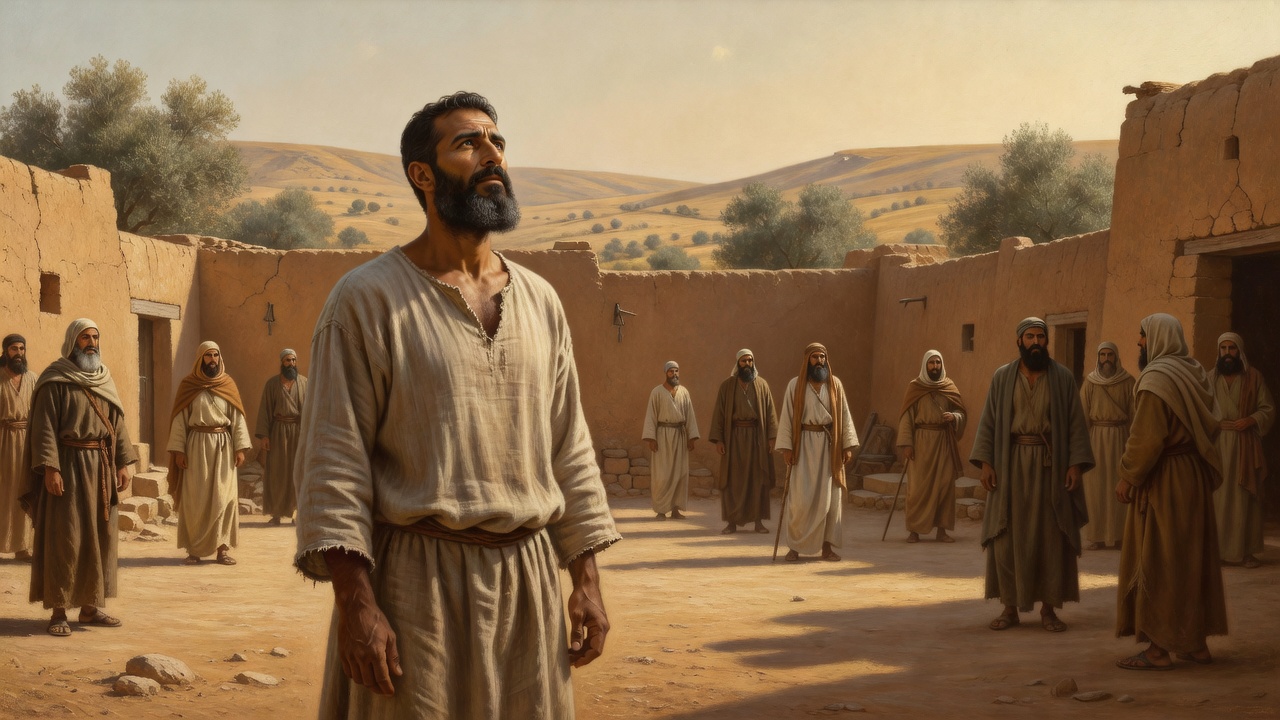
- In ancient Near Eastern legal custom, a husband issued a certificate of divorce to formalize a separation, and impoverished debtors might sell their children into servitude. In Isaiah 50:1, God uses these legal metaphors to demonstrate that Israel was not abandoned due to a divine debt or permanent annulment of the covenant, but went into exile because of its own transgressions.Sources: the Bible text itself
- The speaker in Isaiah 50:4–7 portrays the posture of an attentive disciple who willingly endures physical maltreatment, including beatings, the plucking of his beard, and being spat upon. Setting one's face 'like flint' is a vivid idiom signifying resolute determination and steadfast trust in God despite public shame and hostility.Sources: the Bible text itself
Notes written with AI assistance from open sources (Theographic Bible Metadata, CC BY-SA 4.0; Easton’s Bible Dictionary, public domain) and reviewed before publishing.
Credits and license for this translation
Godɨn Eghaghanim: Akar Gavgavir Dɨkɨrɨzir Ghurim ko Igiam
The Holy Bible in the Aruamu language of Madang Province, Papua New Guinea, 2020 Edition
Buk Baibel long tokples Aruamu long Madang Provins long Niugini long 2020
copyright © 2020 Pioneer Bible Translators
Language: Aruamu
Translation by: Pioneer Bible Translators
Contributor: The Seed Company
GOD'S STORY in the Aruamu Language of Papua New Guinea
This translation is made available to you under the terms of the
Creative Commons Attribution Share-Alike license 4.0.
You have permission to share and redistribute this Bible translation in any format and to make reasonable revisions and adaptations of this translation, provided that:
You include the above copyright and source information.
If you make any changes to the text, you must indicate that you did so in a way that makes it clear that the original licensor is not necessarily endorsing your changes.
If you redistribute this text, you must distribute your contributions under the same license as the original.
Pictures included with Scriptures and other documents on this site are licensed just for use with those Scriptures and documents.
For other uses, please contact the respective copyright owners.
Note that in addition to the rules above, revising and adapting God's Word involves a great responsibility to be true to God's Word. See Revelation 22:18-19.
2025-05-15
Source: http://png.bible/msy2020/ · eBible.org