Isaiah 31
Godɨn Eghaghanim: Akar Gavgavir Dɨkɨrɨzir Ghurim ko Igiam · Tap a verse to see its cross-references.
Ikiavɨra Itir God uan gavgavim akazɨ, kantrin gavgaviba daghire
1Ia abuir gumaziba, ia kantri Isipɨn ghuava uarir akurvaghasa, men azangsɨsi, iavzika!
Ia bar ikuvigham.
Ia Isipian hoziaba ko men karisɨn avɨriba ko karisɨn suizir gumazir bar gavgaviba, ia nɨghnɨzir gavgavim dar iti.
Ia ti ghaze, Isipia ian akuragham.
Egha ia Israelian Godɨn Bar Zuezim, nɨghnɨzir gavgavim an itir puvatɨ.
Egha ia uarir akurvaghasa Ikiavɨra Itir Godɨn azangsɨzir puvatɨ.
Kamaghɨn amizɨ, ia bar ikuvigham.
Iavzika!
2Ikiavɨra Itir God, fofozir aghuim iti.
A dughiar kuram gumazamizir kurabar anɨngsɨ, me danɨngam.
Egha a zurara uan akabar gɨn zui.
A dɨkavigh gumazir kuraba ko,
gumazir arazir kurabagh amibar akurvazir gumaziba ko mɨsogham.
3Isipia, me aseba puvatɨ, me pura gumazir kɨniba.
Men hoziaba uaghan en hoziabar mɨn gari, da aseba puvatɨ.
Eghtɨ Ikiavɨra Itir God uan gavgavim akagh ivezir kuram me danɨngamin dughiam,
kantrin gavgavir kam irɨghtɨ kantrin an akurazim uaghan irɨgham.
Egh aning uaghara bar ikuvigham.
4Guizbangɨra, Ikiavɨra Itir God kamaghɨn na mɨgɨa ghaze,
“Ia fo, laionɨn tam, sipsipɨn a mɨsoghezim amɨsɨ dazer ikɨ,
egh sipsipɨn kam ategh arɨmangɨghan kogham.
Eghtɨ sipsipbar gari gumazir avɨrim izɨ a dagarvaghtɨ,
a men atiatigh arɨ mangɨghan kogham.
Kamaghɨra, kɨ Ikiavɨra Itir Godɨn Gavgaviba Bar Itim,
kɨ dɨkavigh Saionɨn Mɨghsɨamɨn apanibav soghsɨ izighiram,
eghtɨ bizitam nan tuavim apɨrighan kogham.
5E fo, kuaraziba pɨn mɨgha, egha deraghvɨra uan mɨkonibar itir nguzibagh eghufi.
Kamaghɨra, kɨ Ikiavɨra Itir Godɨn Gavgaviba Bar Itim,
kɨ deragh Jerusalem geghuv deragh an ganam.
Kɨ zurarama an boroghɨn ikɨ mangɨn izegh damu
a getiva deragh an ganɨva an akurvagham.”
6Ia Israelia, ia Ikiavɨra Itir God, deragha a barazir puvatɨgha an akaba batosi.
Egh ia uan navibagh iragh uamategh a bagh izɨ.
7Ikiavɨra Itir God izamin dughiamɨn,
ia asebar marvir guaba makunigham.
Kar nedazir ia uari uan dafaribar silva ko gol isa dar ingariziba.
Ia kamaghɨn amigha arazir kuram gami.
8Ikiavɨra Itir God kamaghɨn mɨgɨa ghaze,
“Mɨdorozir sabar tam Asirian kantri mɨsogh egh bar me agɨvagham.
Mɨdorozir sabar kam, a gumazibar sabam puvatɨ, kɨ uabɨ anemadaghtɨ a mangam.
Asiriaba mɨdorozir sabar kam gitavɨraghsɨ aregham,
eghtɨ men mɨdorozir gumazir igiaba kalabusɨn mangɨ
pura ingangarir gumazir kɨnibar mɨn otivigham.
9Atiatir bar ekiam, Asiriaba batoghtɨ,
men nguibar ekiar gavgavim irɨgham.
Men mɨdorozir gumazibar dapaniba, bar atiatigh uan mɨdorozir inir avɨzir asaraghav itim ategh
onganigh puvɨram aregham.”
Kar Ikiavɨra Itir Godɨn Akar Gavgavim.
A Saionɨn Mɨghsɨamɨn ikia, avimɨn mɨn iti.
A Jerusalemɨn nguibar ekiamɨn ikia,
danganir ekiar avir pamtemɨn isimɨn mɨn iti.
Did you know?
Warning Against Egyptian Alliances
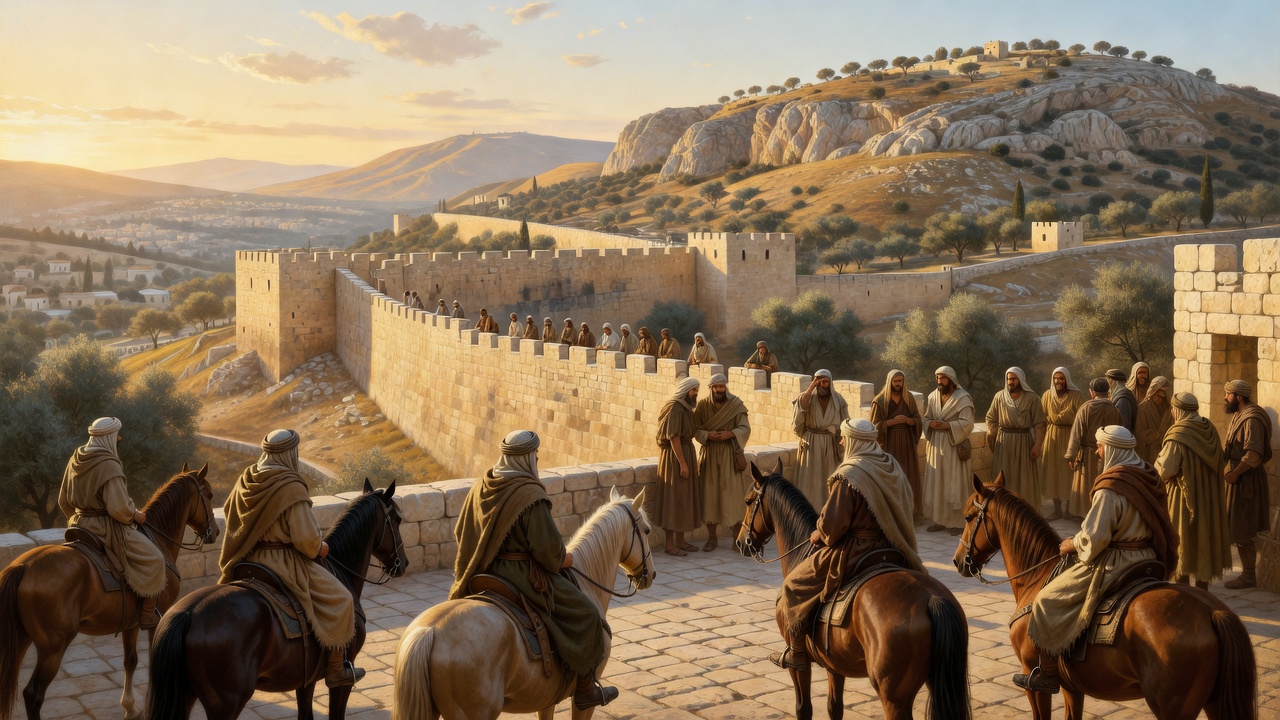
- Isaiah denounces Judah's reliance on Egypt for military strength, especially its multitude of horses and chariots. The prophet contrasts human and military resources with divine sovereignty, reminding the people that the Egyptians are merely mortal men and their warhorses are flesh rather than spirit.Sources: the Bible text itself · Egypt
- Mount Zion, a prominent fortified hill on which Jerusalem was built, is depicted as directly defended by God. Using the imagery of an undaunted lion and hovering birds, the passage promises that Jerusalem will be protected from Assyria by divine intervention rather than by mortal swords.Sources: the Bible text itself · Jerusalem · Mount Zion
Notes written with AI assistance from open sources (Theographic Bible Metadata, CC BY-SA 4.0; Easton’s Bible Dictionary, public domain) and reviewed before publishing.
Places in this chapter
- Egypt · 30.129, 31.308 · verse 1
- Mount Zion · 31.772, 35.229 · verse 4
- Jerusalem · 31.777, 35.234 · verses 5, 9
- Assyria · 36.359, 43.153 · verse 8
- Zion · Today: Jerusalem · 31.777, 35.234 · verse 9
Only places identified with high confidence are shown (90% or more according to the scholarly sources compiled by OpenBible). Period map: DARE (Digital Atlas of the Roman Empire), CC BY 4.0; modern map: © OpenStreetMap contributors; places: OpenBible.info (CC BY 4.0).
Credits and license for this translation
Godɨn Eghaghanim: Akar Gavgavir Dɨkɨrɨzir Ghurim ko Igiam
The Holy Bible in the Aruamu language of Madang Province, Papua New Guinea, 2020 Edition
Buk Baibel long tokples Aruamu long Madang Provins long Niugini long 2020
copyright © 2020 Pioneer Bible Translators
Language: Aruamu
Translation by: Pioneer Bible Translators
Contributor: The Seed Company
GOD'S STORY in the Aruamu Language of Papua New Guinea
This translation is made available to you under the terms of the
Creative Commons Attribution Share-Alike license 4.0.
You have permission to share and redistribute this Bible translation in any format and to make reasonable revisions and adaptations of this translation, provided that:
You include the above copyright and source information.
If you make any changes to the text, you must indicate that you did so in a way that makes it clear that the original licensor is not necessarily endorsing your changes.
If you redistribute this text, you must distribute your contributions under the same license as the original.
Pictures included with Scriptures and other documents on this site are licensed just for use with those Scriptures and documents.
For other uses, please contact the respective copyright owners.
Note that in addition to the rules above, revising and adapting God's Word involves a great responsibility to be true to God's Word. See Revelation 22:18-19.
2025-05-15
Source: http://png.bible/msy2020/ · eBible.org