Hosea 13
Godɨn Eghaghanim: Akar Gavgavir Dɨkɨrɨzir Ghurim ko Igiam · Tap a verse to see its cross-references.
God Israelia gasɨghasigham
1Fomɨra Efraimɨn anabamɨn adarazi mɨgeima,
anabar igharazibar gumazamiziba atiatiav agoi, egha orasi.
Efraimia uari Israelian anababar tongɨn uan ziam fe.
Egha Efraimɨn adarazi ua asem Balɨn ziam fava arazir kamɨn arazir kuram gamigha gɨfa.
Kamaghɨn amizɨ, me arɨghiregham.
2Egha datɨrɨghɨn me arazir kuram gamua ghuavɨra iti.
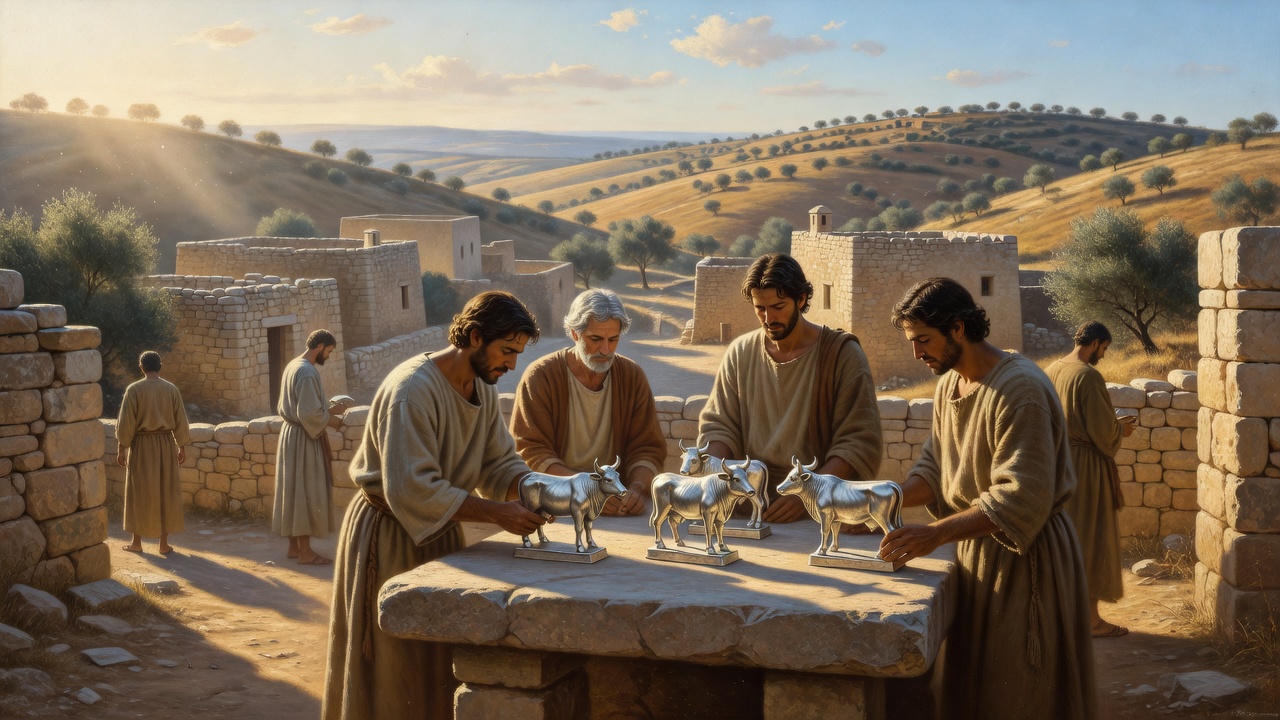
Me uari bagha marvir guaba silvan dar ingara egha dar ziaba fe.
Gumazir maba uari dagh nɨghnigha, egha uan dafaribar dar ingari.
Egh nedazir kaba bagh ofa damuasa gumaziba amɨsefe.
Me bulmakaun nedazir kabar tori.
Amei! Kar gumazamizir anabar bar kuraba.
3Kamaghɨn amizɨ, gumazamizir kaba mɨzarazimɨn ghuariamɨn mɨn pura gɨvagham.
Me dɨmagarimɨn ghuariamɨn mɨn iti,
eghtɨ aruem anangtɨ, ghuariam zuamɨra mɨsɨngigham.
Me raizɨn mɨsevibar mɨn amɨnim dagh ivangtɨ, da pura tintinibar mangam.
Egh me avir mɨgharimɨn mɨn pɨn ghuavanang pura gɨvagham.
4Ikiavɨra Itir God ua kamaghɨn mɨgei:
“Kɨ Ikiavɨra Itir God, ian God, kɨ Isipɨn ia inigha ian akua azenan ize.
Kɨ uabɨra, kɨ ian God.
Ua godɨn igharaziba puvatɨ.
Kɨrara kɨ ian Akurvazir Gumazimra!
5Ia gumazamiziba puvatɨzir danganimɨn itima,
kɨ deravɨra ia geghufi.
Danganir kam, amɨnir fefem itima,
dɨpaba an puvatɨ.
6Ezɨ gɨn ia nguazir aghuimɨn otogha
dagher avɨriba ikia, egha biziba bar iti.
Ia bizir kaba inigha gɨvagha egha ifaghata uari fa ghaze,
ia uari uan gavgavibar da ini.
Egha kamaghɨn ia na gɨnamada.
7Kamaghɨn amizɨ, kɨ ian tuavibar mongɨva ia mɨzuamam,
mati laion ko kaziar atiar igharaziba ami moghɨn,
ia mɨsoghtɨ ia arɨmɨghiram.
8Kɨ uabɨ fegh ia mɨkɨnigh, egh ian evariba abɨgham,
mati bean amebam, an nguzim ovengezɨ an a bagh atari.
Egh kɨ ia abɨghɨrarigh egh zuamɨra ia tuigham,
mati laion ko asɨzir atiar igharaziba ami mokɨn.
9“O Israelian gumazamiziba, kɨ uabɨra ian Akurvazir Gumazim.
Ezɨ ia aghua, kamaghɨn ia ikuvigham.
Iavzika!
10Ia atrivim ko gumazir dapaniba uari danɨngasa nan azara.
Eghtɨ me manmaghɨn ian akurvagham?
Me bar ian akuraghan kogham.
11Ezɨ kɨ anɨngaghegha atriviba ia ganɨngi.
Ezɨ datɨrɨghɨn kɨ bar puvɨra ian anɨngagha,
ian atriviba batuegha gɨfa.
12“Kɨ Efraimian arazir kuraba bar,
uan akɨnafarimɨn aven da osirigha gɨvagha,
deravɨra da atɨzɨ da iti.
13Israelia deravɨra ikian fɨrɨn, me onganigha egha aghua.
Men arazir kam, mati borim amebamɨn navimɨn itima,
amebam a batasava amima, an azenan otivan aghua.
14Kɨ ti Gumazamizir Oveaghuezibar Nguibamɨn gavgavim da ua me inigham, a? Puvatɨgham.
O ovevem, nɨ gumazamiziba dɨkabɨrir gavgavim managh iti?
O ovevem, nɨ gumazamiziba mɨzazim me ganɨdir gavgavim managh iti?
Apangkuvir arazim ti nan damazimɨn modogham.
15“Efraimia bar avɨrasemegha Israelian anabar igharazibagh afira.
Ezɨ kɨ aruem anadi naghɨn amɨnir fefem amadagham,
eghtɨ a men mozir dɨpabar amutɨ da dakegham.
Egh men bizir aghuiba bar da inigh mangɨgham.
16Samariaba bar nan akaba barazir puvatɨ, kamaghɨn amizɨ, me ivezir kuram iniam.
Apaniba izɨ me mɨsoghtɨ me arɨmɨghiram.
Egh borir doziba isɨ nguazimɨn me apɨstɨ, me uaghan arɨmɨghiram.
Egh amizir navir adasebar naviba abɨgham.”
Did you know?
The Fall of Ephraim and Samaria
- Hosea 13 opens by recounting that Ephraim, once exalted in Israel, brought about its own ruin through the worship of Baal. Baal was the principal male deity of the Phoenicians, and his cult had long influenced the northern tribes.Sources: the Bible text itself · Baal
- The chapter recalls that God had been Israel's God ever since the land of Egypt and had known them in the arid wilderness. However, once the people had pasture and were satisfied, their hearts grew proud and they forgot their helper.Sources: the Bible text itself · Egypt
- The prophecy ends with an announcement of judgment on Samaria, the capital city established by King Omri on the hill of Shomeron. Hosea declares that Samaria will bear her guilt and suffer violent destruction for rebelling against God.Sources: the Bible text itself · Samaria
Notes written with AI assistance from open sources (Theographic Bible Metadata, CC BY-SA 4.0; Easton’s Bible Dictionary, public domain) and reviewed before publishing.
Places in this chapter
Only places identified with high confidence are shown (90% or more according to the scholarly sources compiled by OpenBible). Period map: DARE (Digital Atlas of the Roman Empire), CC BY 4.0; modern map: © OpenStreetMap contributors; places: OpenBible.info (CC BY 4.0).
Credits and license for this translation
Godɨn Eghaghanim: Akar Gavgavir Dɨkɨrɨzir Ghurim ko Igiam
The Holy Bible in the Aruamu language of Madang Province, Papua New Guinea, 2020 Edition
Buk Baibel long tokples Aruamu long Madang Provins long Niugini long 2020
copyright © 2020 Pioneer Bible Translators
Language: Aruamu
Translation by: Pioneer Bible Translators
Contributor: The Seed Company
GOD'S STORY in the Aruamu Language of Papua New Guinea
This translation is made available to you under the terms of the
Creative Commons Attribution Share-Alike license 4.0.
You have permission to share and redistribute this Bible translation in any format and to make reasonable revisions and adaptations of this translation, provided that:
You include the above copyright and source information.
If you make any changes to the text, you must indicate that you did so in a way that makes it clear that the original licensor is not necessarily endorsing your changes.
If you redistribute this text, you must distribute your contributions under the same license as the original.
Pictures included with Scriptures and other documents on this site are licensed just for use with those Scriptures and documents.
For other uses, please contact the respective copyright owners.
Note that in addition to the rules above, revising and adapting God's Word involves a great responsibility to be true to God's Word. See Revelation 22:18-19.
2025-05-15
Source: http://png.bible/msy2020/ · eBible.org