Esther 7
Godɨn Eghaghanim: Akar Gavgavir Dɨkɨrɨzir Ghurim ko Igiam · Tap a verse to see its cross-references.
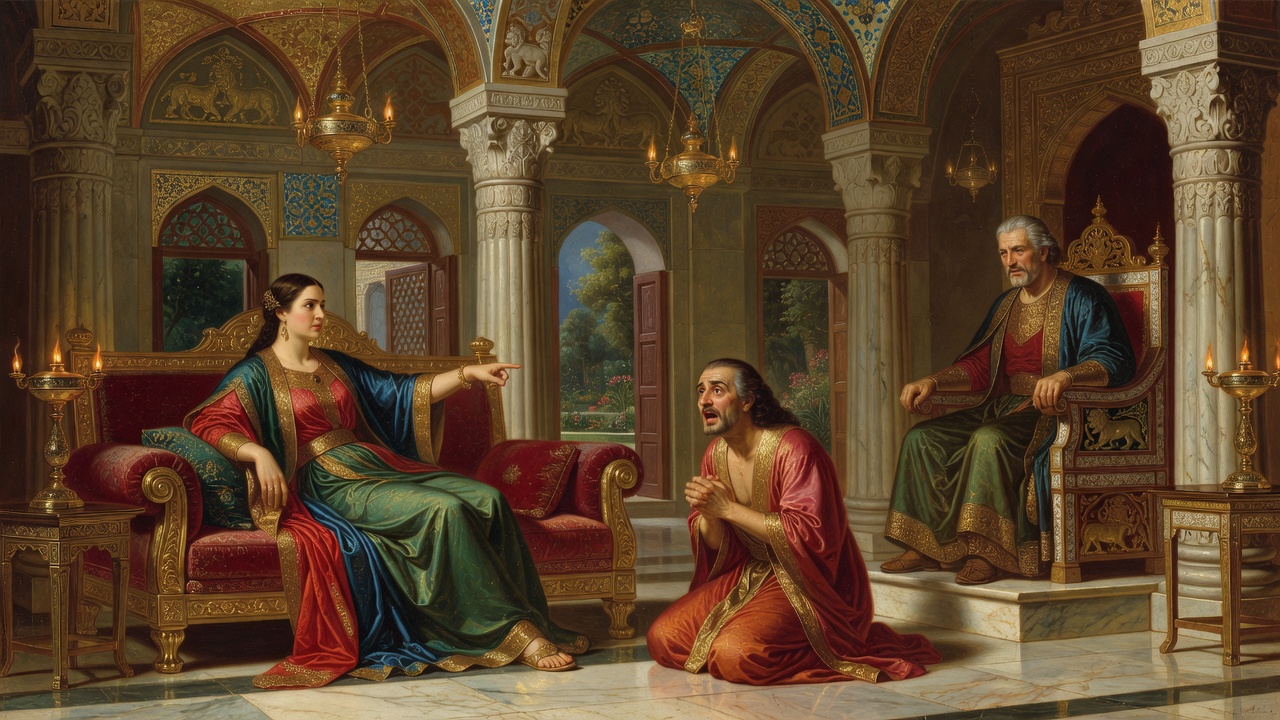
1Ezɨ kar namba 2ɨn dughiam atrivim ko Haman ghugha Esta koma api. Me wain apa egha daghemɨn tongɨn atrivim uam Estan azara, “Kwin Esta, bizir nɨ ifuegha na mɨkɨmasava amim, nɨ na mɨkɨm. Eghtɨ, nguibar kɨ ativagha garim, kɨ tongɨra anebigh egh akuatam nɨ danɨngam.”
3Ezɨ Esta a ikaragha ghaze, “Atrivim, kɨ nɨn azangsɨsi, nɨn ifongiam nan azangsɨzimɨn ikɨtɨ, nɨ nan azangsɨzim ikaragh. Ezɨ nan azangsɨzimra kara, kɨ ko nan adarasi, e ovengan kɨ aghua. E angamɨra ikiasa. 4Kɨ kamaghɨn oraki, gumazir mam kɨ uan adarazi ko e mɨsueghtɨ e aremeghamin tuavim atɨgha gɨfa. Me bar e kuavaremeghasa. Egh me kɨ uan adarazi ko e isɨ, pura kalabuziar amiziba ko gumazibar mɨn ikɨsɨ, e iniam, eghtɨ kɨ nɨ mɨkɨmamin akaba puvatɨgham. Kɨ osɨmtɨzim nɨ danɨngan aghua. Ezɨ me bar e kuvarɨmasa, kamaghɨn kɨ bizir kamɨn gun mɨgei.”
5Ezɨ Atrivim Serksis kamaghɨn oregha Estan azara, “Tina atiatiba puvatɨgha, nɨ mɨgeir bizir kabar amutɨ da otivasa. Ezɨ gumazir kam managh iti?”
6Ezɨ Esta a ikaragha ghaze, “Kɨ Haman mɨgei. A en apanim damu egh e gasɨghasɨghasa.” Ezɨ Haman, Atrivim Serksis ko Kwin Esta, aningɨn guamningɨn bar aguaghfagha bar atiatingi. 7Ezɨ atrivim puvɨra atara dɨkavigha pura dagher dakozim ategha azenan ghua uan dɨpenimɨn dɨvazimɨn aven itir plauan azenimɨn ghu. Guizbangɨra Hamanɨn ganganim, atrivim bizir kam bagh osɨmtɨzim a danɨngam. A ua bagh Kwin Esta mɨkɨmɨva a gaghorasa. A ghaze, an apangkuvim nan ikɨ, egh atrivim na bagh mɨkɨmtɨ, a na gasɨghasɨghan kogham. Kamaghɨn a dɨpenimɨn aven ikiavɨra iti.
8Egha a bar osemegha dakozir Esta aperaghav itimɨn uabɨ ekunigha uabɨn akurvaghasa Esta gaghori. Ezɨ datɨrɨghɨra atrivim azenimɨn ikegha aven iza kamaghɨn ganigha, pamten tuaragha mɨgei, “Gumazir kam ti nan dɨpenimɨn nan damazimɨn arazir kurabar kwin damuasa?”
Atrivim mɨkemezɨ, an ingangarir gumaziba maghɨra iza, Hamanɨn guam avara, arazir kamɨn me gumaziba bar men akaghasa, atrivim Haman mɨsueghtɨ an aremegham. 9Ezɨ atrivimɨn dɨpenimɨn ingangarir gumazir mam an ziam Harbona, a kamaghɨn mɨgɨa ghaze, “Haman temer akɨnir mam uan dɨpenimɨn boroghɨn anesara. Ezɨ an ruarim 20 mitan tu. A Mordekai dafagh aneguasa ingarizir bizim, gumazir fomɨra atrivimɨn akurazɨma an ovengezir puvatɨzim.”
Ezɨ atrivim akam amaga ghaze, “Ia mangɨ Haman isɨ temer akɨnir kamɨn an fɨrim dafagh aneguraghtɨ, an aremegh.” 10Ezɨ me Haman inigha, a Mordekai aguasa asarazir tememram Haman agura. Me kamaghɨn amigha gɨvazɨma atrivim navir amɨrizim isi.
Did you know?
Esther Exposes Haman's Plot
- At the second banquet of wine, Queen Esther revealed that she and her people had been condemned to total annihilation. When the king demanded to know who would devise such a scheme, she directly denounced Haman, the king's high-ranking official, as the wicked adversary.Sources: the Bible text itself · Esther · Haman
- When King Ahasuerus returned from the palace garden in fury, he found Haman falling upon the couch where Esther was reclining to plead for his life. The king interpreted this breach as an attempt to assault the queen, and attendants immediately covered Haman's face.Sources: the Bible text itself · Ahasuerus
- Harbonah, one of the royal eunuchs, informed the king that Haman had built a gallows fifty cubits high at his house for Mordecai, the man who had previously uncovered a plot to save the king's life. Ahasuerus immediately ordered Haman to be executed on the very structure he had prepared.Sources: the Bible text itself · Mordecai · Harbonah
Notes written with AI assistance from open sources (Theographic Bible Metadata, CC BY-SA 4.0; Easton’s Bible Dictionary, public domain) and reviewed before publishing.
Credits and license for this translation
Godɨn Eghaghanim: Akar Gavgavir Dɨkɨrɨzir Ghurim ko Igiam
The Holy Bible in the Aruamu language of Madang Province, Papua New Guinea, 2020 Edition
Buk Baibel long tokples Aruamu long Madang Provins long Niugini long 2020
copyright © 2020 Pioneer Bible Translators
Language: Aruamu
Translation by: Pioneer Bible Translators
Contributor: The Seed Company
GOD'S STORY in the Aruamu Language of Papua New Guinea
This translation is made available to you under the terms of the
Creative Commons Attribution Share-Alike license 4.0.
You have permission to share and redistribute this Bible translation in any format and to make reasonable revisions and adaptations of this translation, provided that:
You include the above copyright and source information.
If you make any changes to the text, you must indicate that you did so in a way that makes it clear that the original licensor is not necessarily endorsing your changes.
If you redistribute this text, you must distribute your contributions under the same license as the original.
Pictures included with Scriptures and other documents on this site are licensed just for use with those Scriptures and documents.
For other uses, please contact the respective copyright owners.
Note that in addition to the rules above, revising and adapting God's Word involves a great responsibility to be true to God's Word. See Revelation 22:18-19.
2025-05-15
Source: http://png.bible/msy2020/ · eBible.org