Ecclesiastes 6
Godɨn Eghaghanim: Akar Gavgavir Dɨkɨrɨzir Ghurim ko Igiam · Tap a verse to see its cross-references.
Ikɨrɨmɨrir kam, osɨmtɨziba an iti
1Kɨ overiamɨn apengan ikia osɨmtɨzir kurar mamɨn garima, gumazamiziba aneterava ingangarir dafam gami. 2God gumazir mam dagɨar avɨriba ko, bizir avɨriba ko ziar ekiam, da a ganɨngi, ezɨ a ifongezir bizitamɨn otevezir puvatɨ. Ezɨ gumazir kam, God a ganɨngizɨ bizir aghuir kaba, an adar amu bar akuegh ikian fɨrɨn, God gumazir igharazim bizir kaba anetaghizɨ an ada inigha dagh amua bar akuegha iti. Arazir kam, a bar ikuvigha, an mɨngariba mongezɨ e dagh fozir puvatɨgha okam nɨghnɨsi.
3Eghtɨ gumazitam borir 100pla ikɨva, nguazir kamɨn azenir avɨribar ikɨ, egh gumazir kam uan bizir aghuir kaba bagh bar akuegh ikian kogh, egh gɨn aremeghtɨ, me deragh a bagh mozim gɨkuigh anefaghan koghtɨ, arazir kam, a bar derazir puvatɨ. Kɨ guizbangɨra mɨgei, borir amebamɨn navimɨn aven aremezim, a gumazir azenir avɨribar nguazir kamɨn itim gafira. 4Kamagh amir borim, mati pura bizim, a ziaba puvatɨzɨ, me mɨtarmemɨn anefazir dughiamɨn, me a gɨnamadagha gɨfa. 5Egha borir kam, an aruer angazangarimɨn ganizir puvatɨgha, bizitam bar a gɨfozir puvatɨ. Egha borir kam datɨrɨghɨn avughsazir aghuim gamua iti. Kamaghɨn, borir kamɨn dabirabim, gumazir bizir avɨriba itir kamɨn dabirabim gafira. 6Gumazir kam uan bizir kabar gara, dagh agoir puvatɨ. Gumazir kam 1,000ɨn azeniba o 2,000ɨn azenibar nguazir kamɨn ikɨtɨ, an dabirabim, borir kamɨn dabirabim gafiraghan kogham. Guizbangɨra, e bar moghɨram oveng nguibar vamɨran mangam.
7E dagheba iniasa, kamaghɨn, e zurara ingari. Ezɨ dagher e isiba, da en ifongiam agevir puvatɨ. 8Manmaghɨn amizɨ, fofozir gumazim fofoziba puvatɨzir gumazim gafira? Bar puvatɨ. Eghtɨ gumazir biziba puvatɨzim, arazir aghuimɨn gumazamizibar damazimɨn a damightɨ, bizir kam manmaghɨn an akuraghtɨ, a ikɨvɨra ikiamin ivezir aghuir manam iniam? 9Gumazir maba ghaze, e bizir guar avɨriba inisɨ nɨghnɨghan kogham. Arazir kam uaghan an mɨngariba aven mongezɨ e dagh fozir puvatɨgha okam nɨghnɨsi, mati gumazim amɨnimɨn suighasa ivegha ghuava an suighan ibura. Kamaghɨn dera, bizir tizir e inigha gɨvaziba, e dagh ifuegh dar suiragh ikiam.
10Bizir otivir kaba, da puram otivir puvatɨ. Bar fomɨra God da otivasa mɨkemezɨ, da datɨrɨghɨn otivaghiri. Egha God en arazibagh fogha gɨfa. Kamaghɨn e a ko uari batoghan kogham. Guizbangɨra, an gavgavim en gavgavim gafira. 11E fo, e mɨgɨrɨgɨar adoghodozir avɨribav kɨmtɨma, da manmaghɨn en akurvagham? Bar puvatɨ. Puvɨra mɨgeir arazim, a tong en akuraghan kogham, e pura mɨgei. 12E dughiar bar otevimɨn nguazir kamɨn iti, ezɨ en ikɨrɨmɨrim, a dagheba puvatɨgha uaghan an mɨngariba mongezɨ e dagh fozir puvatɨgha okam nɨghnɨsi. En ikɨrɨmɨrim, mati ghuariam aruem apazazɨma, temer dughuazim zuamɨram arav ghu. Ezɨ tina kamaghɨn fo, e arazir aghuir manamɨn gɨntɨgham? Ezɨ tina kamaghɨn fo, e ovegh gɨvaghtɨ, bizir manaba overiamɨn apengan otivam?
Did you know?
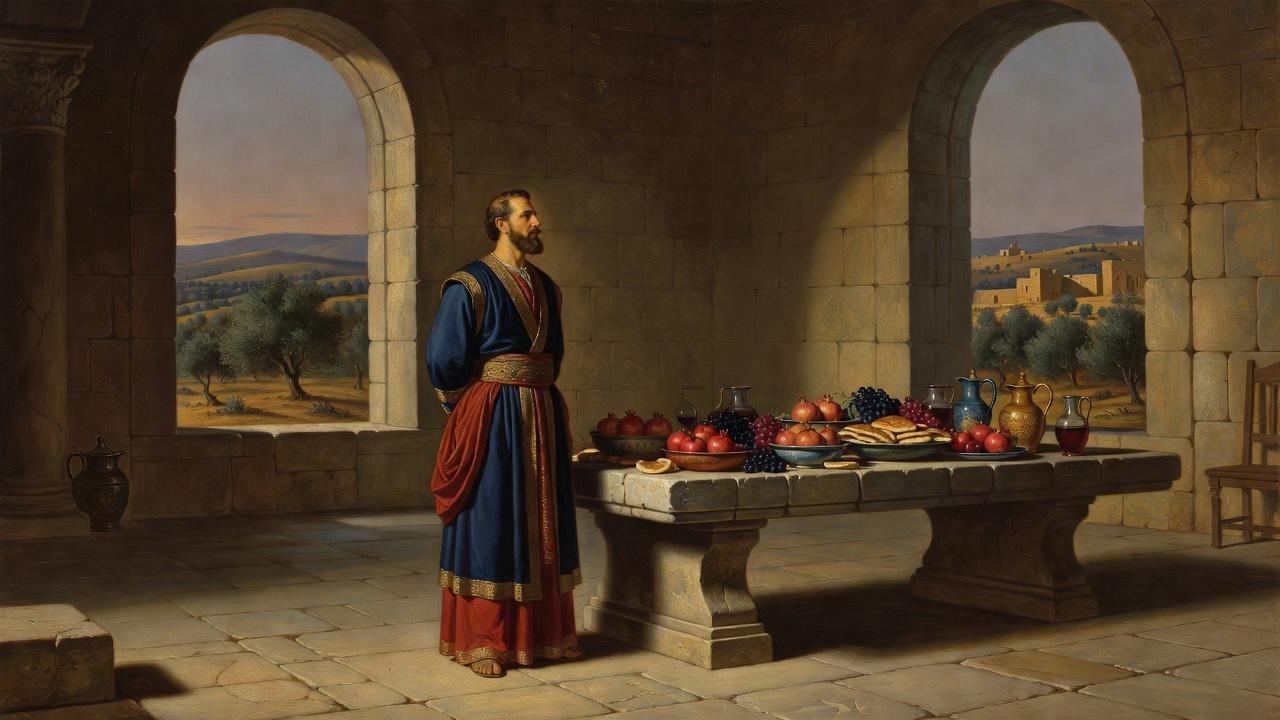
The Vanity of Unsatisfied Wealth
- In ancient thought, having a long life and fathering many children were considered the highest signs of blessing. Ecclesiastes observes, however, that even living two thousand years and fathering a hundred children is hollow if a person cannot enjoy their prosperity or receive a proper burial.Sources: the Bible text itself
- The author points out that although human labor is spent satisfying basic physical needs such as food, human appetite and desire remain continually unfulfilled. He contrasts enjoying what is directly present before the eyes with the ceaseless wandering of unsatisfied cravings.Sources: the Bible text itself
- The chapter emphasizes human limitations, noting that mortals cannot dispute with what has been established by one stronger than they are. Because life is fleeting like a shadow, humans cannot fully know what is truly good for them or foresee what will happen after they are gone.Sources: the Bible text itself
Notes written with AI assistance from open sources (Theographic Bible Metadata, CC BY-SA 4.0; Easton’s Bible Dictionary, public domain) and reviewed before publishing.
Credits and license for this translation
Godɨn Eghaghanim: Akar Gavgavir Dɨkɨrɨzir Ghurim ko Igiam
The Holy Bible in the Aruamu language of Madang Province, Papua New Guinea, 2020 Edition
Buk Baibel long tokples Aruamu long Madang Provins long Niugini long 2020
copyright © 2020 Pioneer Bible Translators
Language: Aruamu
Translation by: Pioneer Bible Translators
Contributor: The Seed Company
GOD'S STORY in the Aruamu Language of Papua New Guinea
This translation is made available to you under the terms of the
Creative Commons Attribution Share-Alike license 4.0.
You have permission to share and redistribute this Bible translation in any format and to make reasonable revisions and adaptations of this translation, provided that:
You include the above copyright and source information.
If you make any changes to the text, you must indicate that you did so in a way that makes it clear that the original licensor is not necessarily endorsing your changes.
If you redistribute this text, you must distribute your contributions under the same license as the original.
Pictures included with Scriptures and other documents on this site are licensed just for use with those Scriptures and documents.
For other uses, please contact the respective copyright owners.
Note that in addition to the rules above, revising and adapting God's Word involves a great responsibility to be true to God's Word. See Revelation 22:18-19.
2025-05-15
Source: http://png.bible/msy2020/ · eBible.org