Deuteronomy 23
Godɨn Eghaghanim: Akar Gavgavir Dɨkɨrɨzir Ghurim ko Igiam · Tap a verse to see its cross-references.
Gumazamizir taba, Godɨn gumazamizibar tongɨn ikian kogham
1Egha Moses ua kamaghɨn mɨgei, “Gumazitam, me an mɨkarzir mogomem amɨsararigham, o bar anetughtɨ, a Ikiavɨra Itir Godɨn gumazamizibar tongɨn ikian kogham.
2“Eghtɨ gumazitam, amizim ko uaningɨn itir puvatɨgha, a koma akua borim a ganɨngi, eghtɨ amizim oteghamin borir kam, a Ikiavɨra Itir Godɨn gumazamizibar tongɨn ikian kogham. Eghtɨ an ovavir borir gɨn otivamiba me uaghan zurara Ikiavɨra Itir Godɨn gumazamizibar tongɨn ikian kogham.
3“Eghtɨ Amonia ko, Moapia ko, men ovavir borir gɨn otivamiba, me Ikiavɨra Itir Godɨn gumazamizibar aven ikian kogham. 4Bizir kamɨn mɨngarim kamakɨn. E Isip ataghɨrazir dughiam, me daghetaba ko dɨpataba inigha iza en akurazir puvatɨ. Me Balam givese, eghtɨ a God ko mɨkɨmtɨ, an e gasɨghasɨgham. Balam a Beorɨn otarim, egha Aramɨn nguazimɨn itir nguibar ekiam Petorɨn gumazim. 5Ezɨ Ikiavɨra Itir God, ian God, Balamɨn akam baraghizir puvatɨ. Ikiavɨra Itir God, bar ia gifonge. Kamaghɨn amizɨ, a ian akurvaghasa an akar kurar an e gamizir kam gɨrazɨ, a ghua akar aghuimɨn oto. 6Kamaghɨn, ia zurara gumazamizir kaba deragh ikɨ biziba bar avɨrasemeghsɨ, ia men akurvaghan markɨ. 7Eghtɨ Idomia ko Isipia, ia ko ikɨtɨ, ia pazɨ me gɨnɨghnɨghan markɨ. Guizbangɨra, Idomia ian ikɨzibar mɨn iti. Ia fomɨra, gumazamizir pura guighav itibar mɨn Isipɨn kantrin ike, kamaghɨn amizɨ, ia men aghuaghan markɨ. 8Eghtɨ men gɨn otivamin azɨziba, merara Ikiavɨra Itir Godɨn gumazamizibar tongɨn ikiamin tuavim iti.”
Mɨdorozir gumaziba itir danganim, Godɨn damazimɨn zuegh ikɨ
9Egha Moses ua kamaghɨn mɨgei, “Ia mɨdorozim bagh mangamin dughiam, ian mɨdorozir gumaziba arazir kuraba, Ikiavɨra Itir Godɨn damazimɨn me itir danganimɨn dar amuan markɨ. 10Eghtɨ gumazitam dɨmangan daku mangɨ irebamɨn gantɨ, dɨpam an mɨkarzir mogomemɨn otoghtɨ, a danganir me itim ategh, azenan mangɨgh ikɨ. 11Egh guaratɨzimɨn a mangɨ deragh ruegh, eghtɨ aruem magɨrɨghtɨ, a ua danganir me itimɨn aven izɨ.
12“Eghtɨ mɨdorozir gumaziba mɨsɨgh daviamɨn danganim, danganir me itimɨn azenan ikɨ. 13Egh mɨdorozir gumaziba davisɨ azenan mangɨ uari bagh toribagh kusɨ itaziba inigh da sara mangɨ. Egh me torim gɨkuigh, egh davigh gɨvagh ua torim apemegh. 14Ikiavɨra Itir God, ian God, zurara ia ko ia itir danganimɨn ikɨ, egh ian akurvaghtɨ ia uan apaniba abɨnam. Kamaghɨn, ia itir danganim Godɨn damazimɨn zurara zuegh ikɨ. Ia Godɨn damazimɨn bizitam damightɨ a Godɨn damazimɨn mɨzeghtɨ, Ikiavɨra Itir God akɨrim ragh ia gasaragham.”
Arazir igharazir maba
15Egha Moses ua kamaghɨn mɨgei, “Ingangarir gumazir kɨnitam pura uan gumazir dapanimɨn arɨ mangɨ, izɨ uabɨn akurvaghsɨ ian azangsɨgham, eghtɨ ia uam an gumazir dapanim bagh anemangan markɨ. 16Egh a mangɨ ian nguibatamɨn ikɨsɨ ifuegh, a mangɨ. Ia pazɨva a damuan markɨ.
17“Israelian gumazamiziba, ia asebar ziaba fer dɨpenibar aven, tuavimɨn amiziba ko tuavimɨn gumazibar mɨn otivigh asebar ziam famin arazimɨn gɨn mangɨ, dagɨaba bagh tintinibar gumaziba ko amiziba ko dakuan markɨ. 18Ia uaghan, tuavir amizim o tuavir gumazimɨn arazir kam damighɨva arazir kamɨn dagɨaba inigh, egh gɨn dagɨar kaba isɨ uan akar dɨkɨrɨzir Ikiavɨra Itir God ko amizim, anekɨrsɨ izɨ, Ikiavɨra Itir God, ian God, an Dɨpenimɨn aven mangan markɨ. Bar guizbangɨra, Ikiavɨra Itir God, ian God arazir kam ko an dagɨaba, sara bar dar aghua.
19“Eghtɨ ia uan namakam ateghtɨ a ian dagɨaba pura da inigh, egh mɨkɨm suam, a gɨn ua da ikarvagham. Eghtɨ ia dagɨatam uam a gisɨn ua datɨgh a inian markɨ. Eghtɨ me nɨn dagheba o bizir igharazitaba pura da inigh, uam da ikarvaghsɨ mɨkɨmtɨ, ia dagh isɨn bizitaba ua da inisɨ men azangsɨghan markɨ. 20Ia ikɨzir igharaziba ateghtɨ, me pura ian biziba inigham, eghtɨ ia dagh isɨn dagɨataba ua da ini. Eghtɨ ian namakaba, ia me da dagɨaba inian markɨ. Ia arazir aghuir kamɨn gɨn mangɨtɨ, Ikiavɨra Itir God, en God, nguazir ia datɨrɨghɨn mangɨ dapiamin kamɨn aven, ian bizir ia damuamiba bar, a bizir aghuibar ia damuam.
21“Eghtɨ ia akar dɨkɨrɨzitam Ikiavɨra Itir God, en God, ko a damigh, egh ia zuamɨra a damightɨ an otogh. Eghtɨ Ikiavɨra Itir God, ian dɨkɨrɨzir akar kam gɨn amadaghan kogham. Ia akar dɨkɨrɨzir kam damightɨ, a zuamɨram otoghan koghtɨ, ia Godɨn damazimɨn osɨmtɨzim iti. 22Ia Ikiavɨra Itir God ko akar dɨkɨrɨzim damighan kogh, egh ia osɨmtɨziba puvatɨgham. 23Egh ia uari uan ifongiabar gɨn mangɨ Ikiavɨra Itir God, ian God bagh akar dɨkɨrɨzim damigh, egh guizbangɨra an gɨn mangɨ.
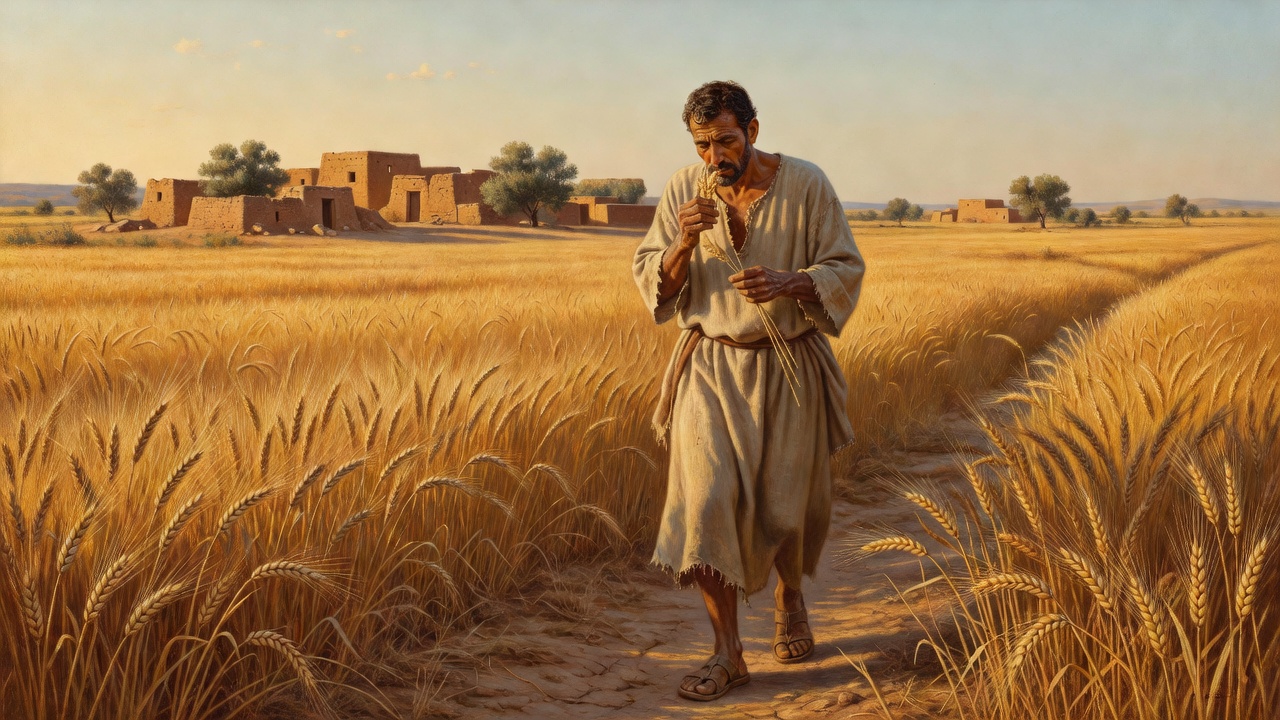
24“Egh ia mangɨ uan namakamɨn wainɨn azenimɨn aven mangɨ, egh ia uan ifongiabar an azenimɨn wainɨn ovɨzibar amɨ, egh ia uari bagh da isɨ akɨrabar aghuigh da inigh mangan markɨ. 25Egh ia mangɨ namakamɨn witɨn azenimɨn aven mangɨ, egh dafaribar witɨn ovɨzibagh eku ada ini dar amɨ. Egh ia wit aghorir sabamɨn dar ghoran markɨ.”
Did you know?
Community Purity and Social Laws
- Ammonites and Moabites were excluded from the assembly because they withheld food and water and hired Balaam son of Beor against Israel. Balaam came from Pethor in Aram-naharaim (Mesopotamia), a region between the Tigris and Euphrates rivers where Pethor is identified with the ancient site of Pitru.Sources: the Bible text itself · Balaam · Pethor · Mesopotamia
- In contrast to the exclusion of Ammon and Moab, Israelites were instructed not to despise Edomites, whom they regarded as kin, or Egyptians, among whom they had lived as foreigners. Descendants of the third generation from both groups were permitted to enter the assembly of the Lord.Sources: the Bible text itself · Egypt
- The chapter outlines distinct social and military protections, including granting refuge to runaway foreign slaves rather than returning them to their masters. It also permitted hungry travelers to eat grapes or pluck grain by hand in a neighbor's field, provided they did not gather surplus into containers or use a sickle.Sources: the Bible text itself
Notes written with AI assistance from open sources (Theographic Bible Metadata, CC BY-SA 4.0; Easton’s Bible Dictionary, public domain) and reviewed before publishing.
Places in this chapter
- Egypt · 30.129, 31.308 · verse 4
- Mesopotamia · Today: Aram-naharaim · 36.864, 39.033 · verse 4
- Pethor · Today: Til Barsip · 36.701, 38.087 · verse 4
Only places identified with high confidence are shown (90% or more according to the scholarly sources compiled by OpenBible). Period map: DARE (Digital Atlas of the Roman Empire), CC BY 4.0; modern map: © OpenStreetMap contributors; places: OpenBible.info (CC BY 4.0).
Credits and license for this translation
Godɨn Eghaghanim: Akar Gavgavir Dɨkɨrɨzir Ghurim ko Igiam
The Holy Bible in the Aruamu language of Madang Province, Papua New Guinea, 2020 Edition
Buk Baibel long tokples Aruamu long Madang Provins long Niugini long 2020
copyright © 2020 Pioneer Bible Translators
Language: Aruamu
Translation by: Pioneer Bible Translators
Contributor: The Seed Company
GOD'S STORY in the Aruamu Language of Papua New Guinea
This translation is made available to you under the terms of the
Creative Commons Attribution Share-Alike license 4.0.
You have permission to share and redistribute this Bible translation in any format and to make reasonable revisions and adaptations of this translation, provided that:
You include the above copyright and source information.
If you make any changes to the text, you must indicate that you did so in a way that makes it clear that the original licensor is not necessarily endorsing your changes.
If you redistribute this text, you must distribute your contributions under the same license as the original.
Pictures included with Scriptures and other documents on this site are licensed just for use with those Scriptures and documents.
For other uses, please contact the respective copyright owners.
Note that in addition to the rules above, revising and adapting God's Word involves a great responsibility to be true to God's Word. See Revelation 22:18-19.
2025-05-15
Source: http://png.bible/msy2020/ · eBible.org