Deuteronomy 20
Godɨn Eghaghanim: Akar Gavgavir Dɨkɨrɨzir Ghurim ko Igiam · Tap a verse to see its cross-references.
Mɨdorozibar araziba
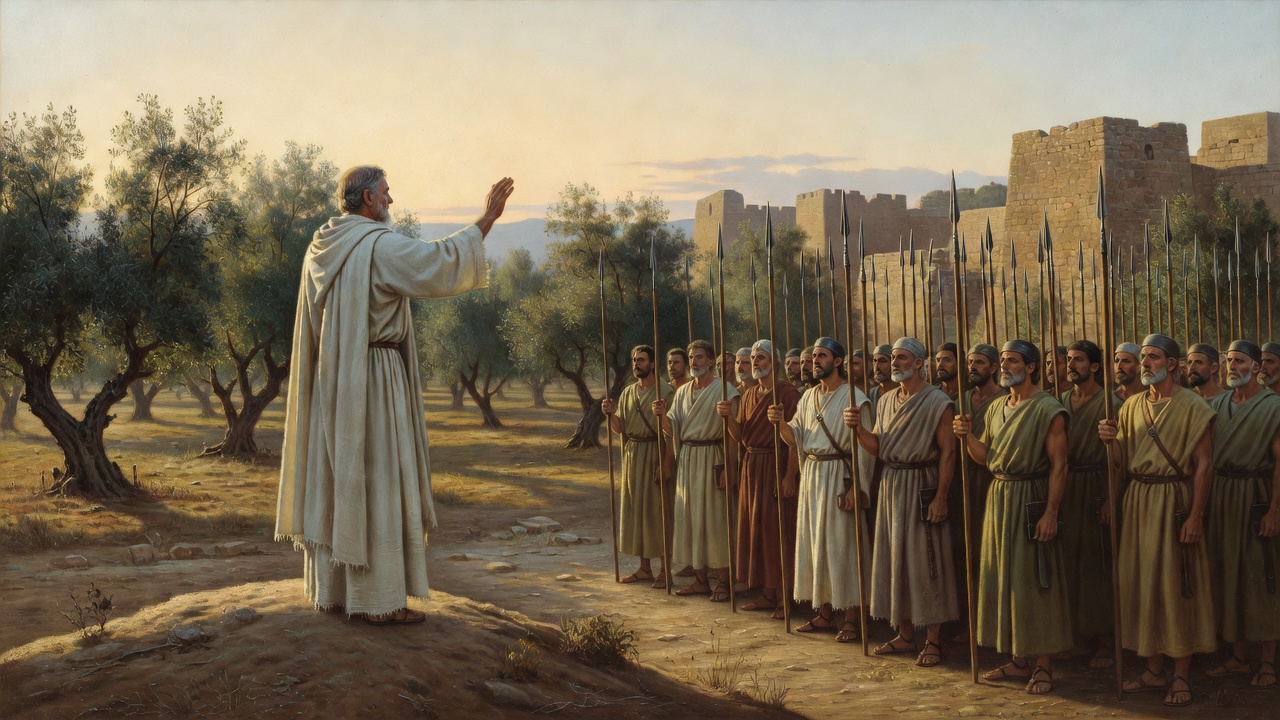
1Egha Moses mɨgɨa ghuavɨra ikia ghaze, “Ia uan apaniba ko mɨsogh mangɨ gantɨ men karisba ko hoziaba, ko men mɨdorozir gumaziba, ian dɨbobonim gafiraghtɨ, ia men atiatingan markɨ. Ikiavɨra Itir God, ian Godɨn Isipɨn ia inigha ian akua izezim, a ia ko iti. 2Ia mɨdorozim forsɨ ofa gamir gumazitam faragh izɨ mɨdorozir gumazibar guamɨn tugh kamaghɨn me mɨkɨm, 3‘O Israelia, ia oragh. Ia mɨdorozim bagh datɨrɨghɨn mangam. Egh ia mangɨ apanibar ganɨva atiating aghariba ian amɨraghtɨ ia okam nɨghnɨgh puram akongan markɨ. 4Ikiavɨra Itir God, ian God, a ia ko zui. A mɨdorozir kamɨn aven ikɨ ian akuragh mɨsoghtɨ, ia uan apaniba abɨnigham. Kamaghɨn amizɨ, ia atiatingan markɨ.’
5“Eghtɨ mɨdorozir gumazibar dapaniba kamaghɨn me mɨkɨm suam, ‘Gumazitaba ti kagh ikia dɨpenir igiabar ingarigha, egh deragh dar amusɨ tɨghar God ko mɨkɨmam? Gumazir kamaghɨn amiba ikɨ, egh uamategh dɨpenibar mangɨ. Me mɨdorozimɨn oveghtɨ, gumazir igharaziba men dɨpenir igiaba iniam. 6Ezɨ gumazitaba ti kagh ikia wainɨn azenir igiaba oparigha, egh dar wainɨn dɨpaba tɨghar da iniam? Gumazir kamaghɨn amiba ikɨ, egh uamategh uan dɨpenibar mangɨ. Me mɨdorozimɨn oveghtɨ, gumazir igharaziba men wainɨn ovɨzir igiaba iniam. 7Ezɨ gumazitaba ti kagh ikia uari bagh amuibagh inamigha, egh tɨghar men ikiam? Gumazir kamaghɨn amiba ikɨ, egh uamategh uan nguibabar mangɨ. Me mɨdorozimɨn oveghtɨ, gumazir igharaziba men amuibar ikiam.’
8“Egh mɨdorozir gumazibar dapaniba ua kamaghɨn, uan mɨdorozir gumazibav kɨm suam, ‘Gumazitaba ti kagh ikia mɨsoghan atiatia egha agoa ikiama? Ian tina kagh ikia kamaghɨn ami, a uamategh uan nguibamɨn mangɨ. A kamaghɨn damu mɨdorozir gumazir igharazibar amutɨ, me uaghan atiatingam.’ 9Egh me mɨdorozir gumazibav kemegh gɨvagh, egh me mɨdorozir gumazir okoruabar faragh mangamin gumazir dapaniba amɨsefegh.
10“Ia dɨvazir gavgavim avɨnizir nguibar ekiatam ko mɨsoghsɨ an boroghɨra mangɨ, egh faragh nguibar kamɨn itir gumazamiziba kamagh me mɨkɨm, ‘Mɨdoroziba markiam. Ia uan nguibam isɨ puram en dafarim datɨgh.’
11“Eghtɨ me ian akamɨn amamangatɨgh, egh ia bagh dɨvazibar tiar akar ekiaba kuigh, egh ian apengan ikɨ kalabuziar gumazamizibar mɨn pura ingangarim damu. 12Egh nguibar ekiar kamɨn gumazamiziba ian amamangatɨghan kogh, ia ko mɨsoghsɨ damutɨ, ian mɨdorozir gumaziba nguibar ekiar kam avɨnizir dɨvazir gavgavim bar anekɨarugh. 13Eghtɨ Ikiavɨra Itir God, en God, ian amamangatɨghtɨ, ia nguibar ekiar kam iniam. Ia a inigh gɨvagh, an aven itir gumazibara, bar me mɨsueghtɨ me arɨmɨghiregh. 14Ikiavɨra Itir God nguibar ekiar kam ia ganigha gɨfa. Kamaghɨn amizɨ, ia nguibar kamɨn amiziba, ko boriba ko bulmakauba ko asɨzir igharaziba, ko uan apanibar bizir igharazir nguibar kamɨn itiba sara, ia uari bagh da inigh. 15Ia kamaghɨra nguibar ekiar ian nguazimɨn saghon itibar amu. Nguibar ekiar kaba, da ian boroghɨn itir ikɨzibar nguibaba puvatɨ.
16“Egh ia nguazir Ikiavɨra Itir God, ian God, ia danɨngamin kamɨn nguibatam inigh gɨvagh, egh an itir gumazamiziba ko asɨziba sara bar dav sueghtɨ da arɨmɨghiregh. 17Ia Ikiavɨra Itir God, ian God ia mɨkemezɨ moghɨn, Hitia ko Amoria, Kenania, ko Peresia, Hivia ko Jebusia, ia bar me kuavaremegh. 18Ia bar me mɨsueghtɨ me arɨghireghtɨ deragham. Me ikɨ uan arazir kurar uan asebar ziaba fava amir arazibar ian sure damuam. Me kamaghɨn damu ia gekutɨ, ia Ikiavɨra Itir God ategh, arazir kurar a bar aghuazibar amuam.
19“Ia nguibatam inisɨ mɨsogh dughiar bar ruarimɨn anevɨnigh ikɨ, egh sobiabar nguibar kamɨn boroghɨn itir temer beba okan markɨ. Temeba ian apaniba puvatɨ. Ia dar ovɨzibar amam, egh dagh asɨghasɨghan markɨ. 20Egh ia temer igharaziba okɨva uarir akurvagh mɨsoghamin bizibar ingarigh mɨdorozim damu apaniba abɨnigh, egh nguibar kam uari bagh a iniam.”
Did you know?
Laws Concerning Warfare
- Before entering combat, Israelite officers announced specific exemptions from military duty, releasing men who had built a house not yet dedicated, planted a vineyard not yet harvested, become engaged to be married, or felt afraid.Sources: the Bible text itself
- The law established different warfare policies for distant cities compared to cities within the Promised Land; distant cities were first offered terms of peace, whereas the inhabitants of nearby nations were marked for complete destruction to avoid idolatry.Sources: the Bible text itself
- During long sieges, Israelite forces were forbidden from cutting down fruit-bearing trees to construct siege works, limiting their timber harvesting only to trees known not to produce food.Sources: the Bible text itself
Notes written with AI assistance from open sources (Theographic Bible Metadata, CC BY-SA 4.0; Easton’s Bible Dictionary, public domain) and reviewed before publishing.
Places in this chapter
- Egypt · 30.129, 31.308 · verse 1
Only places identified with high confidence are shown (90% or more according to the scholarly sources compiled by OpenBible). Period map: DARE (Digital Atlas of the Roman Empire), CC BY 4.0; modern map: © OpenStreetMap contributors; places: OpenBible.info (CC BY 4.0).
Credits and license for this translation
Godɨn Eghaghanim: Akar Gavgavir Dɨkɨrɨzir Ghurim ko Igiam
The Holy Bible in the Aruamu language of Madang Province, Papua New Guinea, 2020 Edition
Buk Baibel long tokples Aruamu long Madang Provins long Niugini long 2020
copyright © 2020 Pioneer Bible Translators
Language: Aruamu
Translation by: Pioneer Bible Translators
Contributor: The Seed Company
GOD'S STORY in the Aruamu Language of Papua New Guinea
This translation is made available to you under the terms of the
Creative Commons Attribution Share-Alike license 4.0.
You have permission to share and redistribute this Bible translation in any format and to make reasonable revisions and adaptations of this translation, provided that:
You include the above copyright and source information.
If you make any changes to the text, you must indicate that you did so in a way that makes it clear that the original licensor is not necessarily endorsing your changes.
If you redistribute this text, you must distribute your contributions under the same license as the original.
Pictures included with Scriptures and other documents on this site are licensed just for use with those Scriptures and documents.
For other uses, please contact the respective copyright owners.
Note that in addition to the rules above, revising and adapting God's Word involves a great responsibility to be true to God's Word. See Revelation 22:18-19.
2025-05-15
Source: http://png.bible/msy2020/ · eBible.org