Amos 8
Godɨn Eghaghanim: Akar Gavgavir Dɨkɨrɨzir Ghurim ko Igiam · Tap a verse to see its cross-references.
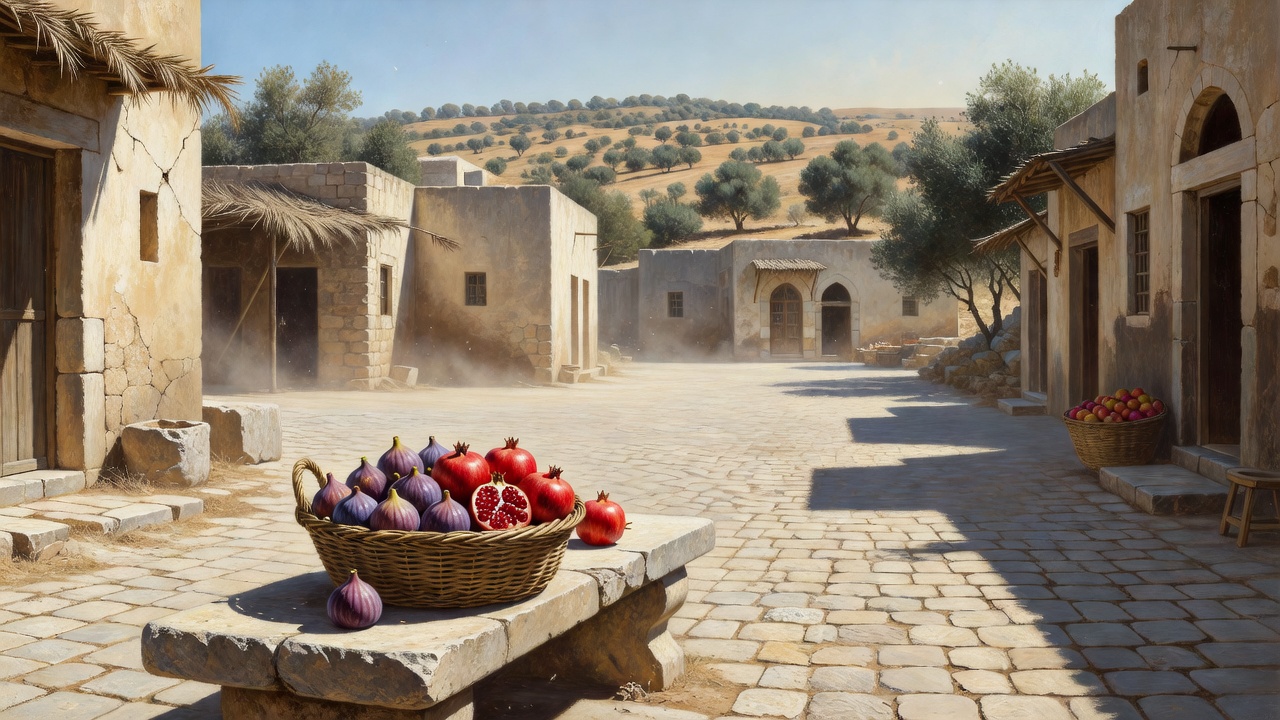
Amos irebamɨn mɨn garir bizimɨn akɨramɨn gari, dagher aghuir anigha gɨvazir abuananaba an iti
1Kɨ irebamɨn mɨn garir bizimɨn gari, Ikiavɨra Itir Godɨn Ekiam, dagher aghuir anigha gɨvazir abuananaba itir akɨram nan aka. 2Egha a nan azara, “Amos, nɨ bizir tizimɨn gari?”
Ezɨ kɨ a ikaragha ghaze, “Kɨ dagher aghuir anigha gɨvazir abuananabar gari, da akɨrar mam gizɨvagha iti.”
Ezɨ Ikiavɨra Itir God, ua kamaghɨn na mɨgei:
“Dughiar abuananam otogha gɨfa, kar dughiar kɨ ivezir kuram isɨ
uan gumazamiziba Israelia danɨngamim,
mati gumazamiziba dagher aghuir anigha gɨvazir abuananaba asiamin dughiam otogha gɨfa.
Egh kɨ ua uan nɨghnɨzim giraghan kogham.
Kɨ bar me gasɨghasigham.
3Dughiar kamɨn, gumazamizir atrivimɨn dɨpenimɨn itiba,
me uam ighiabar amuan kogham.
Me azivɨra ikiam.
Eghtɨ gumazamizir ariaghirezibar kuaba, tintinibar danganibar irɨv ikiam.
Me gumazir kuaba azenan da akuntɨ, gumaziba mɨkɨman iburagham.
Kɨ Ikiavɨra Itir Godɨn Ekiam, kɨ kamaghɨn mɨkeme.”
Israelɨn kantri ikufi
4Ezɨ Ikiavɨra Itir God ghaze,
Israelia, Ia oragh. Ia Israelia, ia gumazamizir biziba oteveziba dɨkabɨra,
egha gumazamizir onganarazir ian kantrin itiba
ia me gasɨghasɨsi.
5Ia kamaghɨn uariv gɨa ghaze,
Godɨn ziam fer isar ekiar kaba zuamɨra gɨvaghtɨ,
e uan daghetaba inigh mangɨ dagɨaba bagh da amangam.
Dughiar manamra Sabat gɨvagham?
Eghtɨ e uan dagheba inigh da amadir danganimɨn mangɨ
dar iveziba pɨn dar arigham.
Egh ababanir ifavaribar amu,
egh skel guva me gifartɨ, me bizir kabagh ivezam.
6E witɨn kurabar dagɨaba pɨn dar arɨgh, egh dar dagɨar ekiaba iniam.
E gumazir onganarazim inightɨ,
an e da inizir biziba, dagɨar muziarimɨn da ikarvagham.
Eghtɨ dagɨar kam pura dagarir asuamning givezamin dagɨamɨn ababanimɨn mɨn ikiam.
Egh e an suiragh anemadaghtɨ,
a gumazir igharazimɨn ingangarir gumazir kɨnimɨn mɨn otogham.
Eghtɨ gumazir igharazir kam, dagɨaba isɨ, onganarazir gumazir kam danightɨ,
a uan osɨmtɨzir kam ikarvaghsɨ dagɨaba e danɨngam.
7Ikiavɨra Itir God, a Jekopɨn ovavir boribar God,
an akam akɨrigha ghaze,
Ia Israelia, ia amir arazir kurar kaba, kɨ da bakɨnɨghnighan kogham.
8Kamaghɨn amizɨ, kɨ nguazim damightɨ, mɨkɨmkɨzim a gɨnobaghtɨ,
nguazir kamɨn itir gumazamiziba atiatingɨva arangam.
Eghtɨ nguazir kamɨn danganiba bar akongam.
Mati Isipɨn kantrin itir Nailɨn Fanemɨn, aperiam otogha buigha ua mɨkɨrɨzɨ moghɨn,
nguazir kam bar buigh ghuvanabogh ua izighiram.
9Dughiar kam otoghtɨ, kɨ aruem damightɨma, ana aruer arɨzimɨn mɨtategham,
Amɨnir bɨrim aruer arɨzimɨn, nguazir kamɨn itir gumazamiziba batogham.
Kɨ Ikiavɨra Itir Godɨn Ekiam, kɨ kamaghɨn mɨkeme.
10Ia isar ekiabagh amua bar akongezir dughiaba, kɨ dagh iraghtɨ,
da mati gumazim ovengezɨ, ia an aghuimazimɨn iti moghɨn ikiam.
Kɨ ian onger akabagh iraghtɨ,
da azir onger akabar mɨn otivigham.
Kɨ ia damutɨ ia azirakar korotiabar aghuigh,
egh uan osɨmtɨzim akakaghsɨ, bar moghɨra uan dapanir arɨzibagh isegham.
Kɨ ia damutɨ ia mati poroghamimning borir vamɨrara itima, an areme,
ezɨ aning a bagha osemezɨ moghɨn, ia azi bar osemegham.
Dughiar kurar kamɨn osɨmtɨzim,
mati ia dagher mɨsozim amezɨ a ia mɨsozi moghɨn,
a mangɨvɨra ikɨ mangɨ gɨvagham.
11Ikiavɨra Itir Godɨn Ekiam, ua kamaghɨn mɨgɨa ghaze:
“Kɨ mɨtiriar ekiam damightɨ a ian kantrin otivam.
Eghtɨ gumazamiziba mɨtiriam bar puvɨra men agham,
eghtɨ me daghem bagh mɨtiriam men aghan kogham. Puvatɨ.
Kuarim puvɨra men pɨram,
eghtɨ me dɨpam bagh kuarim men pɨran kogham. Puvatɨ.
Me Ikiavɨra Itir Godɨn akam baraghsɨ
mɨtiriam men agham.
Kɨ Ikiavɨra Itir Godɨn Ekiam, kɨ kamaghɨn mɨkeme.
12Gumazamizir kaba bar, Ikiavɨra Itir Godɨn akam baraghsɨ ifueghɨva,
a inisɨ ongarir vuemɨn ikegh vuemɨn mangɨ,
aruem anadi naghɨn ikegh aruem uaghiri naghɨn mangɨ
Godɨn akam bagh mangɨgh zegh damu a buriva a batoghan kogham.
13“Dughiar kamɨn amizir igiar diriba ko gumazir igiaba, nan akam inisɨ damu,
damaziba men sɨrightɨ me iregham,
mati gumazamiziba dɨpam bagha ariaghire.
14Ezɨ gumazamizir maba Samarian asebar ziabar gavgavim uan akabagh anɨga,
kamaghɨn mɨgei, ‘E aser Danɨn nguibar ekiamɨn itimɨn ziamɨn, e guizbangɨra mɨgei.’
Egha ‘E aser Berseban nguibar ekiamɨn itimɨn ziamɨn, e guizbangɨra mɨgei.’
Kamaghɨn amizɨ, gumazamizir kaba guizbangɨra osɨmtɨziba ikɨ arɨghiregham,
egh ua dɨkavan kogham.”
Did you know?
The Basket of Summer Fruit and Coming Famine
- Amos condemned merchants who grew impatient with religious observances like the New Moon and the Sabbath because they paused commerce. These traders sought to cheat buyers by shrinking the measure for grain (the ephah), increasing the price (the shekel), using rigged scales, and selling worthless chaff to desperate buyers.Sources: the Bible text itself
- To describe the catastrophic shaking and upheaval awaiting the land, the prophet compared the ground rising and receding to the annual flooding of the Nile River in Egypt.Sources: the Bible text itself · Egypt
- Amos warned of a severe spiritual crisis: a famine not of bread or water, but of hearing the words of the Lord. He pictured people wandering in exhaustion from sea to sea across the land in search of divine guidance without finding it.Sources: the Bible text itself
Notes written with AI assistance from open sources (Theographic Bible Metadata, CC BY-SA 4.0; Easton’s Bible Dictionary, public domain) and reviewed before publishing.
Places in this chapter
- Egypt · 30.129, 31.308 · verse 8
- Nile · Today: Nile River · 31.465, 30.367 · verse 8
- Dan · Today: Tel Dan · 33.249, 35.652 · verse 14
- Samaria · 32.276, 35.195 · verse 14
Only places identified with high confidence are shown (90% or more according to the scholarly sources compiled by OpenBible). Period map: DARE (Digital Atlas of the Roman Empire), CC BY 4.0; modern map: © OpenStreetMap contributors; places: OpenBible.info (CC BY 4.0).
Credits and license for this translation
Godɨn Eghaghanim: Akar Gavgavir Dɨkɨrɨzir Ghurim ko Igiam
The Holy Bible in the Aruamu language of Madang Province, Papua New Guinea, 2020 Edition
Buk Baibel long tokples Aruamu long Madang Provins long Niugini long 2020
copyright © 2020 Pioneer Bible Translators
Language: Aruamu
Translation by: Pioneer Bible Translators
Contributor: The Seed Company
GOD'S STORY in the Aruamu Language of Papua New Guinea
This translation is made available to you under the terms of the
Creative Commons Attribution Share-Alike license 4.0.
You have permission to share and redistribute this Bible translation in any format and to make reasonable revisions and adaptations of this translation, provided that:
You include the above copyright and source information.
If you make any changes to the text, you must indicate that you did so in a way that makes it clear that the original licensor is not necessarily endorsing your changes.
If you redistribute this text, you must distribute your contributions under the same license as the original.
Pictures included with Scriptures and other documents on this site are licensed just for use with those Scriptures and documents.
For other uses, please contact the respective copyright owners.
Note that in addition to the rules above, revising and adapting God's Word involves a great responsibility to be true to God's Word. See Revelation 22:18-19.
2025-05-15
Source: http://png.bible/msy2020/ · eBible.org