1 Timothy 2
Godɨn Eghaghanim: Akar Gavgavir Dɨkɨrɨzir Ghurim ko Igiam · Tap a verse to see its cross-references.
E gumazamizibar akurvaghsɨ God ko mɨkɨmɨva an azangsɨgham
1Kɨ mɨghɨghavɨra ia mɨgei, faragh damuamin bizim a kamakɨn, ia gumazamiziba bagh God ko mɨkɨmɨva a mɨnabɨva an azangsɨghɨva, egh a gumazamiziba bar men akurvaghsɨ a gakaghon. 2Egh uaghan atriviba ko gavmanba bagh Godɨn azangsɨgh. Kamaghɨn, e bar deragh ikɨva navir amɨrizibar ikɨva, God baghavɨra itir arazibar amuva, God ifongezir araziba bar dar gɨn mangam. 3God ko mɨgeir arazir kam, a Godɨn damazimɨn bar dera. God, en Akurvazir Gumazim, an arazir kam gifonge. 4A kamaghsua, a bar gumazamiziba men akurvagham. Eghtɨ me bar guizɨn akamɨn mɨngarim gɨfogham. 5E fo, Godɨn vamɨra iti. Ezɨ abuir gumazir vamɨra iti, a God ko en tighɨn iti. A gumazir kamra, Krais Iesus. 6Dughiar God inabazimɨn, Krais Iesus gumazamiziba bar me bagha uabɨ isa God ganigha aremegha ua me givese. Ezɨ arazir kamɨn God kamaghɨn en aka, a uan gumazamiziba bar moghɨra ua me iniam. 7Egha ingangarir kam bagha, God aposel ko akam akunamin gumazimɨn ikiasa na mɨsefe. Kɨ guizbangɨra mɨgei, kɨ ifarir puvatɨ. A Kantrin Igharazibar Gumazamizibar sure damuasa ingangarim na ganɨngi, eghtɨ me nɨghnɨzir gavgavim Kraisɨn ikɨva guizɨn akam gɨfogham.
8Kɨ kamaghɨn ifonge, nguazir kamɨn gumaziba bar dafariba fɨva God ko mɨkɨm. Kɨ kamaghsua, me bar uari isɨva God danɨngɨva, zuegh ikɨva, anɨngagharir arazim ko adoghodozir arazim atakigh. Me arazir kam damuva, God ko mɨkɨm.
Ingangarir aghuim damuamin arazim, a guizɨn amizibar kurukazim
9Kɨ uaghan kamaghɨn ifonge, amiziba korotiar aghuibar aghutɨ, da men tughatɨgham. Eghtɨ men korotiaba, igharaz darazi men ganɨva nɨghnɨzir kuraba ko aghumsɨzir nɨghnɨziba ikian kogham. Me uan dapanir arɨziba mɨghvɨra da asɨngan markɨ, egh uan mɨkarziba, manmaniaba ko gol ko korotiar bar pɨn koziba, puram azenan dar kurukan markɨ. 10Amizir Godɨn akamɨn gɨn mangasa ifongeziba, me arazir aghuibar amu. Arazir kaba, kar guizɨn men kurukazim.
11Egh amizir mam bar uabɨ dɨkabɨragh nɨmɨra ikɨva Godɨn akamɨn fofozim iniam. 12Kɨ kamaghɨn amizir kamɨn amamangatɨzir puvatɨ, a uabɨ fɨva gumazimɨn faraghfaragh mangɨ, egh an sure damuan kogham. Amizir kam nɨmɨra ikɨ. 13Ia oragh! God faragha Adamɨn ingarigha, gɨn Ivɨn ingari. 14Ezɨ Adam akar ifavariba nɨghnɨzir gavgavim a dar itir puvatɨ. Amizimra akar ifavariba nɨghnɨzir gavgavim a dar iti, egha arazir kuram gami. 15Amizim boriba batir ingangarim damuva, egh nɨghnɨzir gavgavim zurara Kraisɨn ikɨva uabɨ isɨva a danɨngɨva zuegh ikɨ, egh a igharaz darazigh ifongegh, arazir aghuibar gɨn mangɨtɨ, God an akuragham.
Did you know?
Prayer, modest worship, and Adam and Eve
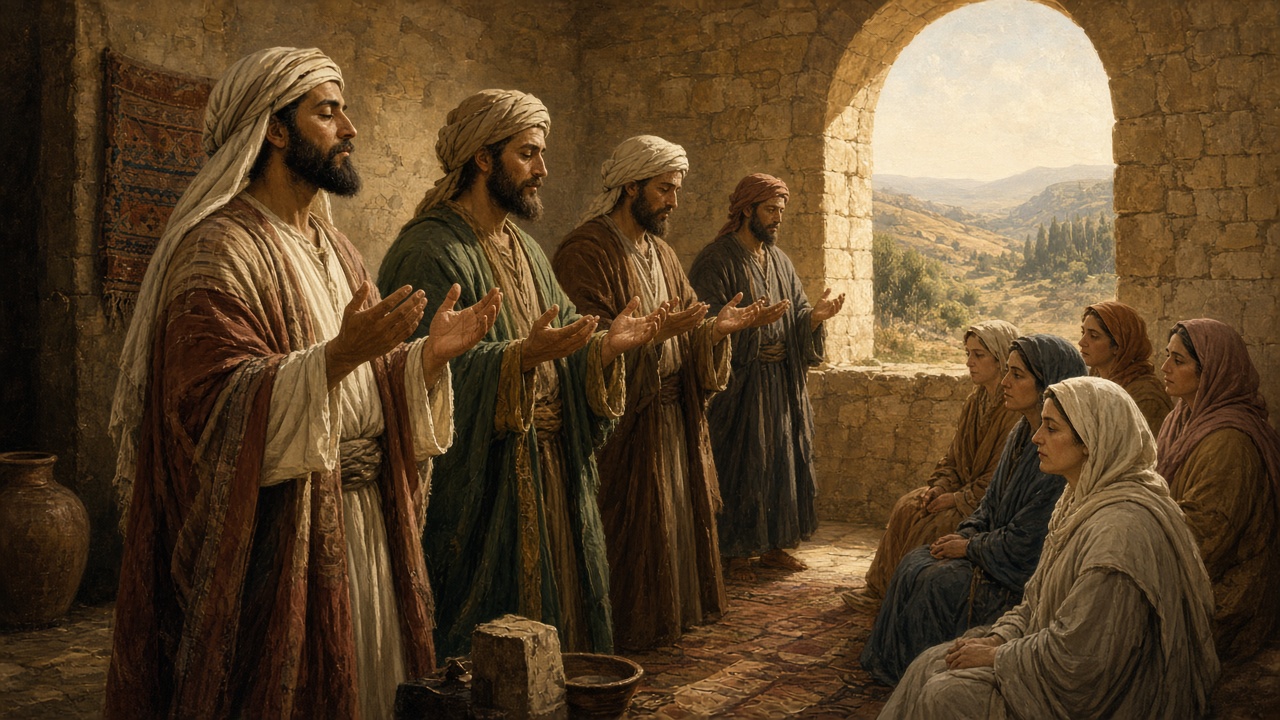
- This chapter urges that petitions, prayers, intercessions, and thanksgiving be offered for everyone, including kings and all those in authority, so that believers may lead tranquil and quiet lives in all godliness and dignity. It also says there is one God and one mediator between God and men, the man Christ Jesus, who gave himself as a ransom for all.Sources: the Bible text itself
- When the letter says that Adam was formed first, and then Eve, it appeals to the first man of Genesis. Easton's Bible Dictionary (1897) explains that Adam is a Babylonian word meaning 'red,' the generic name for man, with the same meaning in Hebrew and Assyrian, and that he was formed from the dust of the earth.Sources: the Bible text itself · Adam
- The letter says it was not Adam who was deceived, but the woman, who was deceived and fell into transgression. Easton's Bible Dictionary (1897) says Eve means 'life' or 'living,' the name Adam gave his wife, and that the account of her creation is given in Genesis 2:21-22.Sources: the Bible text itself · Eve
Notes written with AI assistance from open sources (Theographic Bible Metadata, CC BY-SA 4.0; Easton’s Bible Dictionary, public domain) and reviewed before publishing.
Credits and license for this translation
Godɨn Eghaghanim: Akar Gavgavir Dɨkɨrɨzir Ghurim ko Igiam
The Holy Bible in the Aruamu language of Madang Province, Papua New Guinea, 2020 Edition
Buk Baibel long tokples Aruamu long Madang Provins long Niugini long 2020
copyright © 2020 Pioneer Bible Translators
Language: Aruamu
Translation by: Pioneer Bible Translators
Contributor: The Seed Company
GOD'S STORY in the Aruamu Language of Papua New Guinea
This translation is made available to you under the terms of the
Creative Commons Attribution Share-Alike license 4.0.
You have permission to share and redistribute this Bible translation in any format and to make reasonable revisions and adaptations of this translation, provided that:
You include the above copyright and source information.
If you make any changes to the text, you must indicate that you did so in a way that makes it clear that the original licensor is not necessarily endorsing your changes.
If you redistribute this text, you must distribute your contributions under the same license as the original.
Pictures included with Scriptures and other documents on this site are licensed just for use with those Scriptures and documents.
For other uses, please contact the respective copyright owners.
Note that in addition to the rules above, revising and adapting God's Word involves a great responsibility to be true to God's Word. See Revelation 22:18-19.
2025-05-15
Source: http://png.bible/msy2020/ · eBible.org