1 Samuel 27
Godɨn Eghaghanim: Akar Gavgavir Dɨkɨrɨzir Ghurim ko Igiam · Tap a verse to see its cross-references.
Devit Filistiaba ko iti
1Ezɨ Devit gɨn kamaghɨn nɨghnɨsi, “Kɨran oveghangɨn, Sol na mɨsueghtɨ kɨ aremegham. Kamaghɨn ti deragham, kɨ arɨ mangɨ Filistiabar kantrin ikiam. Eghtɨ Sol aghuaghɨva, ua na inisɨ, Israelian nguazimɨn na burian kogham. Eghtɨ kɨ tuavir kamɨn, kɨ a mɨseveghirɨgham.”
2Egha Devit uan 600plan gumaziba ko me gumazim Akis bagha zui, a Maokɨn otarim, a Getɨn nguibar ekiamɨn atrivim. 3Ezɨ Devit uan gumaziba ko men amuiroghboriba, me Atrivim Akis ko Getɨn apiaghav iti. Devitɨn amuir pumuning a ko iti. Mamɨn ziam Ahinoam, a Jesrilɨn amizim, ezɨ igharazim Abigel, a Karmelian amizim, a faragha ikezir pam Nabal, an areme. 4Ezɨ Sol kamaghɨn oraki, Devit ara ghua Getɨn nguibar ekiamɨn itima, a uam a burir puvatɨ.
5Ezɨ Devit gɨn kamaghɨn Atrivim Akis mɨgei, “Nɨ na gifuegh na ateghtɨ, kɨ mangɨ ruarimɨn nɨn nguibar dozir mamɨn ikiam. Kamaghɨn derazir puvatɨ, e nɨn nguibar ekiamɨn ikɨtɨ, nɨ ingangarir ekiamɨn e damuan kɨ aghua.” 6Ezɨ Akis Devitɨn akam baregha nguibar dozir mam a ganɨngi, an ziam Siklak. Kamaghɨn amizɨ, Siklak a Judabar atrivibar nguibamra, ezɨ a ikia iza datɨrɨghɨn ikiavɨra iti. 7Ezɨ Devit azenir vamɨra ko iakɨnir 4plan Filistiabar kantrin iti.
8Dughiar kamɨn Devit uan gumaziba ko ghua Gesuria ko Girsia, ko Amalekia mɨsosi. Gumazamizir kaba Israelian apanibagh ami, egha Isipɨn boroghɨn, sautɨn amadaghan, Surɨn gumazamiziba puvatɨzir danganimɨn iti. Me fomɨra danganir kamɨn iti. 9Ezɨ Devit zurara uan gumaziba ko ghua me mɨsogha, men gumazamizibav sozi me bar ariaghire. Ezɨ me, men sipsipba ko bulmakauba ko, donkiba ko, kamelba ko men korotiaba sara bar ada inigha, uan nguibamɨn ghue. Egha gɨn, a uamategha Atrivim Akis bagha ghu. 10Ezɨ Atrivim Akis zurara dughiabar kamaghɨn Devitɨn azai, “Nɨ datɨrɨghɨn ghua te ko mɨsoke?”
Eghtɨ Devit a gifar suam, “Kɨ ghua Negevɨn Judabar gumazibav sosi.” O, a na mɨkɨm suam, “Kɨ ghua Jeramelian nguibamɨn gumazibav sosi.” O, a suam, “Kɨ ghua Kinian nguibamɨn gumazibav sosi.” Gumazamizir ikɨzir kaba, me sautɨn amadaghan Judan nguazimɨn iti.
11Egha Devit ghua mɨsozir dughiabar a gumazamiziba kuavarei. A kamaghɨn nɨghnɨsi, “Gumazitam ikɨva, a gɨn Getɨn izɨva, kɨ uan gumaziba ko amizir bizibar gun Getia geghanigham.” Devit Filistian ikia dughiabar zurara arazir kamram ami.
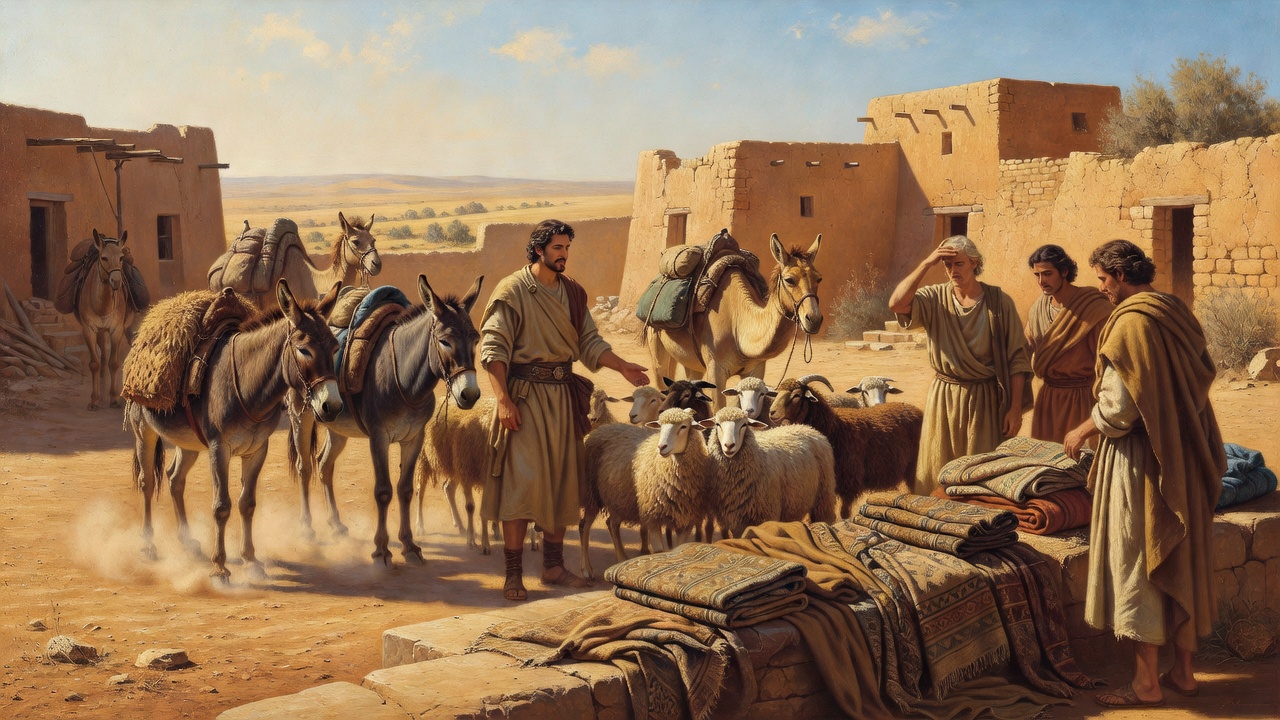
12Kamaghɨn amizɨ Atrivim Akis nɨghnɨzir gavgavim Devitɨn ikiava kamaghɨn nɨghnɨsi, “Israelia, kar an gumazamizibara, a me ko mɨsosi. Ezɨ me ti bar an aghuaghama. A datɨrɨghɨn nan akuragh zurara nan ingangarir gumazimɨn ikiam.”
Did you know?
David in Philistine Territory
- To permanently escape King Saul's pursuit, David sought refuge across the border in the Philistine city of Gath with Achish son of Maoch, bringing along his six hundred warriors and his two wives, Ahinoam of Jezreel and Abigail of Carmel.Sources: the Bible text itself · Achish · Gath · Ahinoam
- David requested an outlying settlement rather than residing in the Philistine royal city, leading Achish to grant him Ziklag in the Negev. David and his followers lived there for a year and four months, establishing a possession that later belonged to the kings of Judah.Sources: the Bible text itself · Ziklag · Achish
- Operating out of Ziklag, David raided nomadic groups in the southern desert toward Shur and Egypt, including the Amalekites. He left no survivors who could reveal his targets, leading King Achish to believe that David was attacking his own kinsmen in the Negev of Judah.Sources: the Bible text itself · Shur · Achish
Notes written with AI assistance from open sources (Theographic Bible Metadata, CC BY-SA 4.0; Easton’s Bible Dictionary, public domain) and reviewed before publishing.
Places in this chapter
Only places identified with high confidence are shown (90% or more according to the scholarly sources compiled by OpenBible). Period map: DARE (Digital Atlas of the Roman Empire), CC BY 4.0; modern map: © OpenStreetMap contributors; places: OpenBible.info (CC BY 4.0).
Credits and license for this translation
Godɨn Eghaghanim: Akar Gavgavir Dɨkɨrɨzir Ghurim ko Igiam
The Holy Bible in the Aruamu language of Madang Province, Papua New Guinea, 2020 Edition
Buk Baibel long tokples Aruamu long Madang Provins long Niugini long 2020
copyright © 2020 Pioneer Bible Translators
Language: Aruamu
Translation by: Pioneer Bible Translators
Contributor: The Seed Company
GOD'S STORY in the Aruamu Language of Papua New Guinea
This translation is made available to you under the terms of the
Creative Commons Attribution Share-Alike license 4.0.
You have permission to share and redistribute this Bible translation in any format and to make reasonable revisions and adaptations of this translation, provided that:
You include the above copyright and source information.
If you make any changes to the text, you must indicate that you did so in a way that makes it clear that the original licensor is not necessarily endorsing your changes.
If you redistribute this text, you must distribute your contributions under the same license as the original.
Pictures included with Scriptures and other documents on this site are licensed just for use with those Scriptures and documents.
For other uses, please contact the respective copyright owners.
Note that in addition to the rules above, revising and adapting God's Word involves a great responsibility to be true to God's Word. See Revelation 22:18-19.
2025-05-15
Source: http://png.bible/msy2020/ · eBible.org