Ephesians 2
Godɨn Akar Aghuim; Akar Dɨkɨrɨzir Gavgavir Igiam · Tap a verse to see its cross-references.
E gumazamizir ariaghreziba, God e gamizɨ e Krais ko angamra iti
1Ia fomɨra Godɨn akam barazi puvatɨgha arazir kurabagh amuava, kamaghɨn ian duaba guizbangɨra aremezɨ moghɨn iti, mati gumazamizir ariaghreziba. 2Faragha zuir dughiamɨn, ia nguazir kamɨn arazir kurabar gɨn zui. Egha ia duar kurar overiamɨn itibar atrivim, ia an akam baregha an gɨn zui. Duar kurar kam, gumazamizir Godɨn akam barazi puvatɨzibar navir averiabar aven ingari. 3Fomɨra e bar moghɨra men mɨn ami, egha uan navir ghurimɨn ifongiamɨn gɨn zui. E uan nivafɨzir agorogem ko uan nɨghnɨzir kurabar gɨn zui. Dughiar kamɨn e nguazimɨn itir gumazamizibar mɨn amima, kamaghɨn God bar en arazir kuraba bagh ivezir kuram e danɨngasa nɨghnɨzim gami. 4Guizbangɨra, en arazir kuraba e gamizɨ en duaba guizbangɨra aremezɨ moghɨn iti, mati gumazamizir ariaghreziba. Ezɨ God bar e gɨfongezɨ, an apangkuvir dafam bar e avara. Kamaghɨn an e gamizɨ e Krais ko angamra iti. God uan apangkuvimɨn tuavimra, a en akura. 6A kamagh sua, e Krais Iesus ko Godɨn Nguibamɨn atrivimɨn ikiam. Kamaghɨn an e gamizɨ e Krais ko poroghav ikia, a ko ua dɨkafi. 7A kamagh sua, a uan apangkuvir bar dafam, tɨghar izamin dughiabar gumazamiziba bar men akaghasa. Eghtɨ me fogh suam, a Krais Iesusɨn ingangarimɨn tuavimɨn a bar me gifonge. Kamaghɨn an arazir aghuir kamɨn e gami. 8Ia nɨghnɨzir gavgavim Godɨn itima, ezɨ a uan apangkuvimɨn tuavimra ian akurvasi. Kar ia uari amizir puvatɨzir bizim. Puvatɨ. God pura ia ganɨngi. Kar ian ingarimɨn ivezim puvatɨ. Kamaghɨn bizir kam bagh gumazitam uabɨ uan ziam fan markɨ. 10God fomɨra e bagha, ingangarir aghuir e gɨn damuamiba, a dagh nɨghnɨgha da atɨ. A kamagh sua, e ingangarir kabar amuasa, egha kamaghɨn an e gamizɨ, e Krais Iesus ko poroghav ikia datɨrɨghɨn gumazamizir igiabar otifi.
Krais apanim gamir arazim a gɨvazɨ, ezɨ Judaba ko Kantrin Igharazibar Gumaziba ikɨzir vamɨra iti
11Ia Kantrin Igharazibar otivir gumaziba, ia kamaghɨn fo, Judaba, uan gumazibar mɨkarzir mogomebar aghori. Egha me kamaghɨn ia dɨbori, ia gumazir mɨkarzir mogomebar aghorir puvatɨziba. Arazir kam kamakɨn, gumaziba uari uan mɨkarzir mogomebar aghori. Eghtɨ ia deravɨra nɨghnɨgh, ia fomɨra Kantrin Igharazibar Gumazibar mɨn ike. 12Dughiar kam ia Kraisɨn saghon iti. Ia Israelɨn gumazamizibar azenan iti, kamaghɨn ia nguibar igharazibar gumazibar mɨn iti. God uan adarasi ko akam akɨrigha, egha uan gumazamiziba akar gavgavir dɨkɨrɨzim me ganɨngi. Ezɨ ia akar gavgavir dɨkɨrɨzir kamɨn aven itir puvatɨ. Ia nguazir kamɨn ikiava God gɨfozir puvatɨgha, egha ia bizir aghuir mɨzuai iti tam itir puvatɨ. 13Ia faragha saghon iti, ezɨ datɨrɨghɨn Kraisɨn ghuzim ia ruegha egha ian akua izezɨ, ezɨ ia Krais Iesus ko poroghav ikia, Godɨn boroghɨn iti.
14Krais uabɨ e gamizɨ e navir amɨrɨzim ikiava deravɨra uari inigha iti. Fomɨra Judaba ko Kantrin Igharazibar Gumazamiziba uarir apanim gami. Ezɨ arazir kam a divazimɨn mɨn men tongɨn ikia me abɨki. Ezɨ Krais uan ovevemɨn tuavimɨn divazir kam anekariaghatɨgha egha apanir arazir kam agɨfa. Ezɨ Judaba ko Kantrin Igharazibar Gumaziba ikɨzir vamɨram oto. 15Krais, Moses Osirizir Araziba, ko akar gavgaviba, ko arazir me anogorogheziba sara bar da gɨfa. A ghaze, a kamaghɨn damigh, ikɨzir pumuning damutɨ, aning a ko porogh ikɨva egh ikɨzir igiar vamɨran otogham. A tuavir kamɨn an e gamizɨ e navir vamɨra iti. 16Krais ter ighuvimɨn aremegha egha tuavir kamɨn ikɨzir pumuning gamizɨ aning ikɨzir vamɨran oto. Egha uam aning inigha God bagha ize. Egha an ovever tuavir kamra me uarir apanim gamir arazim anegɨfa. 17Kamaghɨn Krais izeghava akar aghuim gumazamiziba bar me mɨkɨra ghaze, ia navir vamɨra ikɨ. A, gumazamizir Godɨn saghon itiba ko gumazamizir Godɨn boroghɨn itiba bar, akar aghuim me mɨkɨri. 18Kamaghɨn Kraisɨn ingangarimɨn tuavimra e bar, Judaba ko Kantrin Igharazibar Gumaziba, Godɨn Duam en akurvazima e uari akuvagha Afeziamɨn boroghɨn izi.
E Kraisɨn adarasi, e mati Godɨn Dɨpenimra
19Kamaghɨn amizɨ, datɨrɨghɨn ia Kantrin Igharazibar Gumaziba, ia ua kamaghɨn nɨghnɨghan markɨ egh suam, ia nguibar igharazibar gumazamiziba o nguibaba puvatɨzir gumazamiziba. Puvatɨ. Ia Godɨn adarasi ko uaghara ghu, egha uaghan Godɨn gumazamizibar tongɨn itir marasi. 20Ia uaghan mati God ingarizir dɨpenimɨn mɨn iti. Gumazim dɨpenim ingarasa ter akɨniba kuazizɨ moghɨn, God aposelba ko uan akam inigha izir gumaziba me amɨsevezɨ me an tuivigha ingangarim gami. Ezɨ Krais Iesus, a uabɨ dɨpenir guarimɨn mɨn iti. 21Dipenir guarim a dɨpenir agharim bar a gupuzɨ moghɨn, Krais bar e isafuragha e gamima e aghua, ghuava God baghavɨra itir dɨpenimɨn oto. 22Ia uaghan Krais ko poroghav iti, ezɨ God igharaz darazi ko ia isafuragha ia gamizɨ, ia guizɨn Godɨn Dɨpenimɨn mɨn oto. Ezɨ Godɨn Duam dɨpenir kamɨn aven iti.
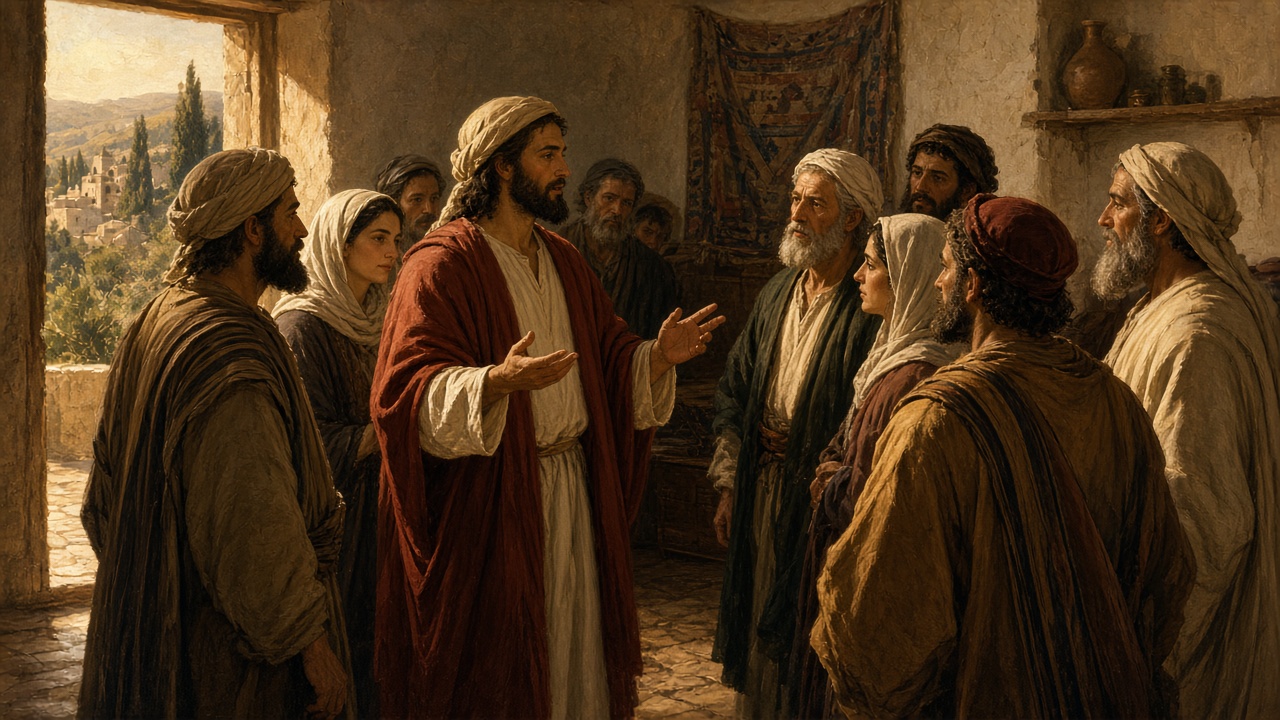
Did you know?
Made alive and brought near
- Ephesians 2 addresses readers who were dead in their trespasses and sins, conforming to the ways of this world and of the ruler of the power of the air. It says that God, rich in mercy, made them alive with Christ, raised them up with him, and seated them with him in the heavenly realms, and that they have been saved by grace through faith, not from themselves but as the gift of God, not by works, so that no one can boast.Sources: the Bible text itself
- Ephesians 2 reminds readers who are Gentiles in the flesh that they were called uncircumcised by the so-called circumcision, which the chapter describes as done in the body by human hands. It says that at that time they were separate from Christ, alienated from the commonwealth of Israel, and strangers to the covenants of the promise, without hope and without God in the world.Sources: the Bible text itself
- Ephesians 2 calls Christ himself our peace: he made the two one and tore down the dividing wall of hostility, abolishing in his flesh the law of commandments and decrees, to create in himself one new man and reconcile both to God in one body. He preached peace to those far away and those near, and through him both have access to the Father by one Spirit. The readers are no longer strangers and foreigners but fellow citizens with the saints and members of God’s household, built on the apostles and prophets with Christ Jesus as the cornerstone, and in him they too are being built together into a holy temple, a dwelling for God in his Spirit.Sources: the Bible text itself
Notes written with AI assistance from open sources (Theographic Bible Metadata, CC BY-SA 4.0; Easton’s Bible Dictionary, public domain) and reviewed before publishing.
Credits and license for this translation
Godɨn Akar Aghuim; Akar Dɨkɨrɨzir Gavgavir Igiam
The New Testament in the Aruamu language of Madang Province, Papua New Guinea, 2004 Edition
Nupela Testamen long tokples Aruamu long Madang Provins long Niugini long 2004
copyright © 2004 Pioneer Bible Translators and the Bible Society of Papua New Guinea
℗ Faith Comes by Hearing
Language: Aruamu
Translation by: Pioneer Bible Translators
Godɨn Akar Aghuim in the Aruamu Language
This translation was produced by Pioneer Bible Translators, and was published in 2004 by the Bible Society of Papua New Guinea.
If you are interested in obtaining a printed copy, please contact the Pioneer Bible Translators at www.pioneerbible.org
This translation is made available to you under the terms of the
Creative Commons Attribution-Noncommercial-No Derivatives license 4.0.
You may share and redistribute this Bible translation or extracts from it in any format, provided that:
You include the above copyright and source information.
You do not sell this work for a profit.
You do not change any of the words or punctuation of the Scriptures.
Pictures included with Scriptures and other documents on this site are licensed just for use with those Scriptures and documents.
For other uses, please contact the respective copyright owners.
2025-05-15
Source: http://png.bible/msy/ · eBible.org