Proverbs 9
Godigo dwagi yai po buku · Tap a verse to see its cross-references.
Te wiegi yai homu kolesagago te we bidi i wali
1Wiegi yai doloba pai homu kolesagago aga be sę yani. Agai te pos nogo a naga olama, me badu nogo si te dodolama, te dąų walama, te be au ilali. 2Agai te kibu hasa dabe elama, tama ulama, tama te pusai wain wę pedalumainu ilali. Tama agai te nai tuabo tebol sisi ilama, dodolai. 3Agai te aga sę ebo we dabe tagala palama, te taun pesage tomoba doligi pelama, tama augwaligo te tiwai i wali, 4“Dage wiegi yai homu kolesaga meni yai bidi, me dage kolesaga umuna sai bidi dabe, dage te wiegi yai doloba pai homu kolesaga yai bidigo beba asiąo. 5Dage aselama, aga dali te nai, me te pusu yai wain ąį agai sisi yali, te tuagasiąo. 6Te duga umuna sai kolesaga ebo tagalama, tama aselama, te bidabo ula sagasiąo. Dagego te wiegi yai homu kolesagago sunumi wali piąo,” augwaligo te po wabo dao.
Te tobage kolesaga si ebo bidi
7Nago te posobo po wabo bidi dodolobo si da, teda agai te dwai po nageba wei ponaibao. Tama nago te dwai sę ebo bidi dodolainu ebaso da, teda agai nage elama, tama nago tigi dolaibao. 8Tama tiyu, te dwai posobo po wabo bidi me dodoligio, tagalao. Agai te nage dali boi bidi naga yaibao. Tiali goli, nago te wiegi yai homu kolesaga elalubo bidi dodolobaso da, te agai nage wei homu yaibao. 9Nago te wiegi yai homu kolesaga elalubo bidiba po mani da, teda agai homu kolesaga te wiegi yai mu pedelaibao. Tama nago te doloba pai bidi ola mobaso da, teda nago agai kolesaga te kuna mu ma konemainu tebao.
10Te Genuai Bidide wi eyu, aga dologode bidibo bidi, agai te dwagi yai homu kolesaga page konebo gagalai dao. God te Tedali Gasagi Yai mu dao. Tama nago te wiegi yai kolesaga sainogo da, teda hasia bolo nago aga bugagia konea sao. 11Te wiegi yai homu kolesagago da, te da nage te tǫde sesabi elama bidimainu yaibao, tama nago kibu be te hauwa mu bidaibao. 12Te nago wiegi yai homu kolesaga sobaso da, teda naga digi te naga wiegi yai bugagia ilibao. Tiali goli, nage te hagoma ebo bidi da, teda naga digi naga ma te dolobo dao.
Umuna sai kolesagago te we bidi dabe i wali
13Te umuna sai kolesaga te we me deligo po dągą subigila ola bilibo tiwai ebao. Agai homu kolesaga te wiegi yai me elalusiąyu, tama te wiegi yai kolesaga me konebeo. 14Agai be te taun pesage tomode ugwadu elaluali, tama aga te sunumi pąde elalubo sia saide dugulalubao. 15Agai te we bidi dabe augwa sęba soabo sulama, tama agai augwali asela yao olama, i wabo dao. Agai te tama po obao, 16“Dage te wiegi yai homu kolesaga meni yani bidi, me te dage umuna sai bidi me, dage te eno be tomoba asiąo,” wali. 17“Te nago wę wi saibaso, te wę te tuabo wiegi yai wę mu dao. Tama nage te geme wi duala selama, te nai wi saibaso da, te nai da, te pusu umabo mu ebo dao,” te po obao. 18Te agai po odobo bidi dabe da, te agai be te gų page tiwai elalubo te augwaligo me konebeo. Te bidi dabe agaba pelabo, te augwaligo me konesiąwai, augwali te isali bidi dabego pesagede megi bidalubo dao.
Did you know?
The Invitations of Wisdom and Folly
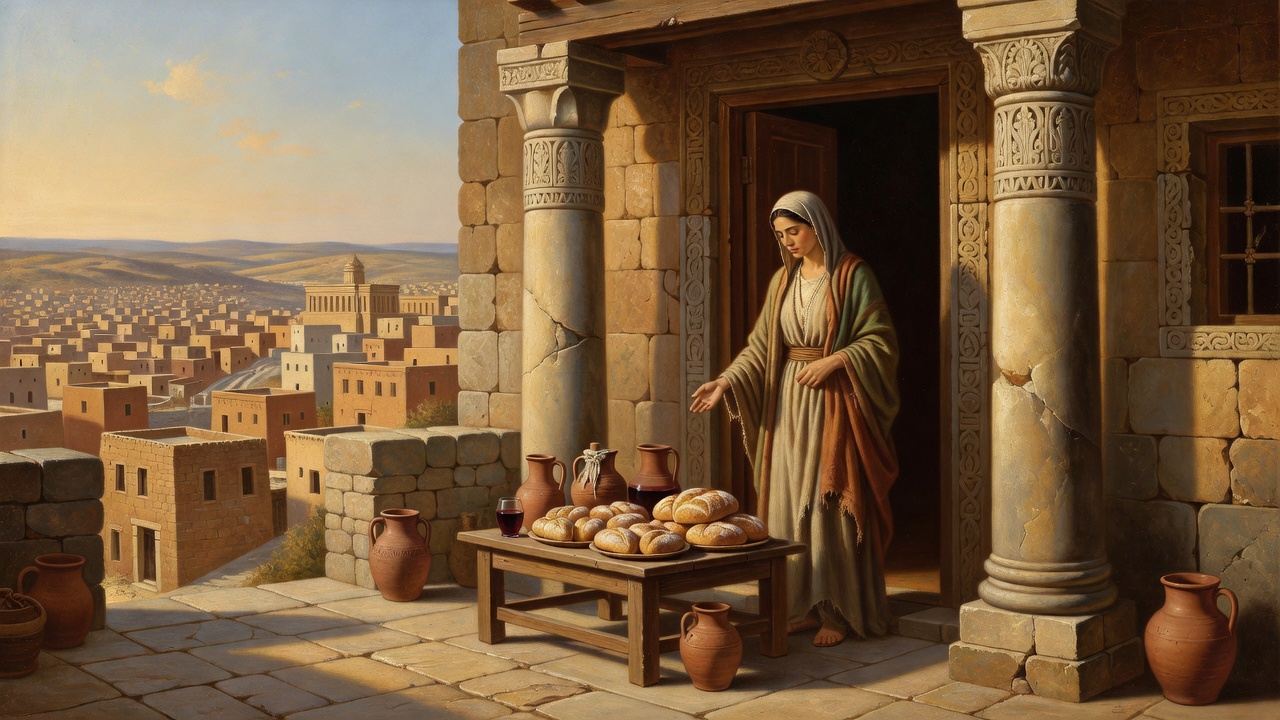
- Proverbs 9 contrasts two personified figures, Wisdom and Folly, who each present a rival banquet. Both women issue public invitations from the highest places of the city, appealing directly to the simple and those lacking judgment to make a choice between their paths.Sources: the Bible text itself
- The two feasts offer starkly different outcomes. Wisdom invites guests to a prepared house with seven carved pillars to eat her meat, drink mixed wine, and gain life, whereas Folly seductively offers stolen water and secret food, concealing that her guests end up in the depths of the grave.Sources: the Bible text itself
- The chapter highlights differing responses to instruction: correcting a mocker brings insult and hatred, whereas teaching a wise person increases their understanding. The foundation of true discernment is described as the fear of the LORD and the knowledge of the Holy One.Sources: the Bible text itself
Notes written with AI assistance from open sources (Theographic Bible Metadata, CC BY-SA 4.0; Easton’s Bible Dictionary, public domain) and reviewed before publishing.
Credits and license for this translation
Godigo dwagi yai po buku
The Holy Bible in the Dadibi Language of Papua New Guinea
Buk Baibel long tok ples Dadibi long Niugini
copyright © 1987, 2001 Wycliffe Bible Translators, Inc.
Language: Dadibi
Translation by: Wycliffe Bible Translators
This translation is made available to you under the terms of the
Creative Commons Attribution-No Derivatives license 4.0.
You may share and redistribute this Bible translation or extracts from it in any format, provided that:
You include the above copyright and source information.
You do not make any derivative works that change any of the actual words or punctuation of the Scriptures.
Pictures included with Scriptures and other documents on this site are licensed just for use with those Scriptures and documents.
For other uses, please contact the respective copyright owners.
2019-08-22
Source: http://png.bible/mps/ · eBible.org