Isaiah 50
Godigo dwagi yai po buku · Tap a verse to see its cross-references.
1Genuai Bidigo te Israel we bidi dabeba te
tiwai po wali,
“Taun Jerusalem te duga ida tiwai elalubao.
Dagego homugo eno aga tudiba mubao homu eyu,
te bidigo we sabo kolesaga bolama,
te sai we mu sela sąbo tiwai homu eba, agawe?
Te dagego tama homu ebaso da,
teda te tama po wali pepa mena elalubawe,
eno aga mu sela sąwaniwe?
Tama me, te eno bidi me delide negeli sali me elalubeo.
Te tama homu dagego magi baso ebawe,
eno wai dabe eno dage te gasa bidi dabeba te olo sę
ebo bidi tiwai ilama, tagala paliyu,
eno te negeli sali dodolabo mone saliwe? Mu menio.
Te dagego dwai sę hauwa ena haliga sębę ilibaso,
eno te Jerusalem tudiba munama,
tama eno dage te gasa bidi dabego nogoba muai
dao.”
2“Eno dage gegagasali sogo,
magi baso eno te bidi me deli bidibo subewe?
Te eno dage i wali sogo,
magi baso dagego eno i wali wei ponobewe?
Dagego homugo te eno dage ma sabo
bomo meni da homu yali da, agawe?
Odao. Eno te po obaso,
te tamu ąį tigidali mu sula saibao.
Eno te po obaso, te genuai soabo ąį
te masigi sane olo elalueibao.
Te sųgų dabe isilama, kugumini dwai yaibao.
3Tama eno te dagalu me sisi mu emainu eyu,
te aga bidi isaide te wego homu dene ebaso
gudubo ugwa tiwai yaibao.
Mu tama, eno te tobage sę yabo homu
elalubao,” Genuai Bidigo te po wali.
Te bidi dabego Genuai Bidigo sę bidiba dwai sę yali po wai
4God Genuai Bidigo enabolo
te wiegi yai po wabo kolesaga ola mawai,
tama eno te wiegi yai po te bomo meni yai we bidi
dabego haliga dąų walu, waibao.
Tigidali sogo kigamude agai enabolo te wiegi yai gesi sę
po ola mawainu ebo po odabo homu godolo mu
ebo dao.
5Genuai Bidigo eno olo dalama,
te agai po odomainu yali, te eno agade hagoma eyu,
te agai enaba mawainu ebo sęde
te habu bulu me kilasa pabeo.
6Ena te bidi dabego keloago tudide elama,
eno penane nisi gudumainu yalio.
Te augwaligo enaba dwai posobo po weyu,
eno gesabidiba pesą sąyu yali,
eno ena gesabidi te augwaliba dualubeo.
7Te augwaligo dwai po wabogo
ena aiyaba me elalugobeo,
magi baso meni, God Genuai Bidigo ena tau sabo
dao.
Te ena digi ena dąų walama, te ena sę yali.
Eno te tiwai koneani, eno ebo sęde
te ena hale me sogobe homu ebao.
8God pąde bidiyu, te agai te po waibao,
eno dwai sę me ebeo.
Te bidi me deligo ena po tų ilabo homu eba, agawe?
Teda agai ena te po tųba odasa pelama,
te agai ena po tų ilabo po pusumainao wali.
9God Genuai Bidigo ena tau siyu,
tama dego te po weyu,
eno dwai sę me yalio waibawe?
Ena po kisilama wali hani bage,
augwali te ugwa asobago togolama silibo tiwai mu
yaibao.
10Dage te Genuai Bidi dologoba pelama,
te agai sę bidigo po wali pabo hani dabe,
dage wi me igimio.
Te dage hulide biliyu, te dage ula meni yai,
te dage konealubo homu Godiba dąų wao,
te Genuai Bidigo dage tonalu, agai dage tau saibao.
11Tiali goli, dage te Genuai Bidiba
konealubo homu dąų wasiąbo hani dabe,
te duga digi isi ula ilama,
te dage be hulia side bidibo bage,
dagego te sole dabe domonama,
tego duga pabo sunumidu te sole uladu pao.
Tiali goli, Genuai Bidigo te dage bidigi pabo pesage dąį
ilali, te genuai dene sabo pesage dao.
Did you know?
The Obedient Servant and Divine Vindication
- In ancient Near Eastern legal custom, a husband issued a certificate of divorce to formalize a separation, and impoverished debtors might sell their children into servitude. In Isaiah 50:1, God uses these legal metaphors to demonstrate that Israel was not abandoned due to a divine debt or permanent annulment of the covenant, but went into exile because of its own transgressions.Sources: the Bible text itself
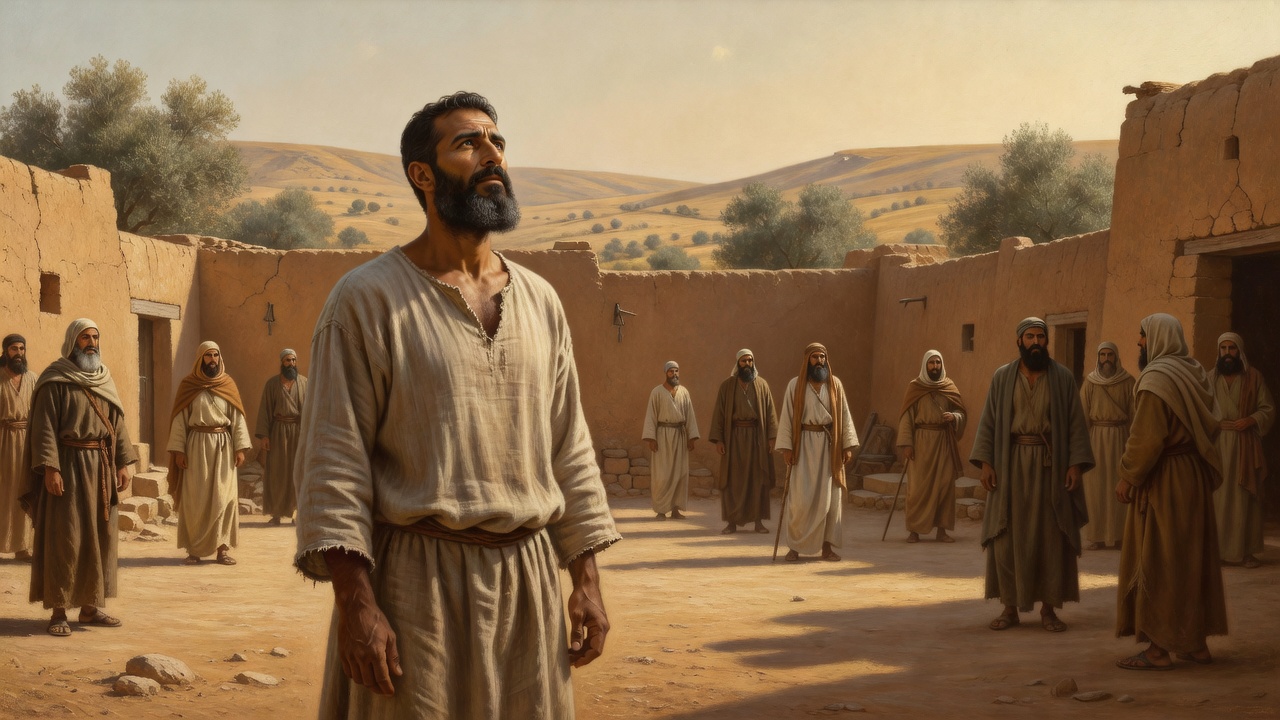
- The speaker in Isaiah 50:4–7 portrays the posture of an attentive disciple who willingly endures physical maltreatment, including beatings, the plucking of his beard, and being spat upon. Setting one's face 'like flint' is a vivid idiom signifying resolute determination and steadfast trust in God despite public shame and hostility.Sources: the Bible text itself
Notes written with AI assistance from open sources (Theographic Bible Metadata, CC BY-SA 4.0; Easton’s Bible Dictionary, public domain) and reviewed before publishing.
Credits and license for this translation
Godigo dwagi yai po buku
The Holy Bible in the Dadibi Language of Papua New Guinea
Buk Baibel long tok ples Dadibi long Niugini
copyright © 1987, 2001 Wycliffe Bible Translators, Inc.
Language: Dadibi
Translation by: Wycliffe Bible Translators
This translation is made available to you under the terms of the
Creative Commons Attribution-No Derivatives license 4.0.
You may share and redistribute this Bible translation or extracts from it in any format, provided that:
You include the above copyright and source information.
You do not make any derivative works that change any of the actual words or punctuation of the Scriptures.
Pictures included with Scriptures and other documents on this site are licensed just for use with those Scriptures and documents.
For other uses, please contact the respective copyright owners.
2019-08-22
Source: http://png.bible/mps/ · eBible.org