Hosea 3
Godigo dwagi yai po buku · Tap a verse to see its cross-references.
Hosea me aga dwai we dali
1Genuai Bidigo enabolo te tama po ma wali, “Nago te naga we godolo ma yao, megi da agai te gasa bidi dali penani yali te palia salio. Nago aga godolo mu eyu, te eno ena we bidi Israel dabe, augwali godolo mu ebo tiwai gilama yao. Mu tama, te augwaligo ena tagalama, te tibo godiba pelama, tama augwaligo te olali wain wai dabe te tibo godiba ofa yainu sali. Tiali goli, tagalao, eno te Israel dabe godolo mu idubo dao,” wali.
2Tialima, eno te we te 150 kinago, me te bali naigo pągąwai beg a naga olama, me deligo eno te we ma abelali. 3Tialima, te eno agabolo wali, “Mu tama, nage te eno we dao, tiali goli, te megi tebode ena nage dali me pigobeo,” wali. “Hasia bolo te nage ena dali hauwa sogo elama bidao, tama te sogo nage te sunumide bilibo we tiwai me bidilamuo. Tama te eno nage naga tonalueibao,” eno te po wali. 4Te tiwai naga te Israel dabe te hauwa sogo olo bidaibao. Tama te augwali tonalubo te polalubo bidi, me king bidi te meni yaibao. Te augwaligo te tibo godiba ofa me isąyu, te augwaligo masigi pos ni me dualisąma, lotu me wagobeo. Te augwaligo te haniani tibo god dabe tagalaibao, tama te piksa dabe augwa te nosali pedelabo sę konemainu ola mabo nai dabe, te tagala silaibao. 5Te tiali sogo silibaso da, teda te Israel dabe te Godiba ma aselama, te Genuai Bidi deliba naga lotu waibao. Te augwaligo te king Devitgo wąį nǫų deli naga wali paibao. Tama augwa te Genuai Bidigo po dologoba naga pobaso, tama agai te haniani wiegi yai nai augwaliba mayu yaibao.
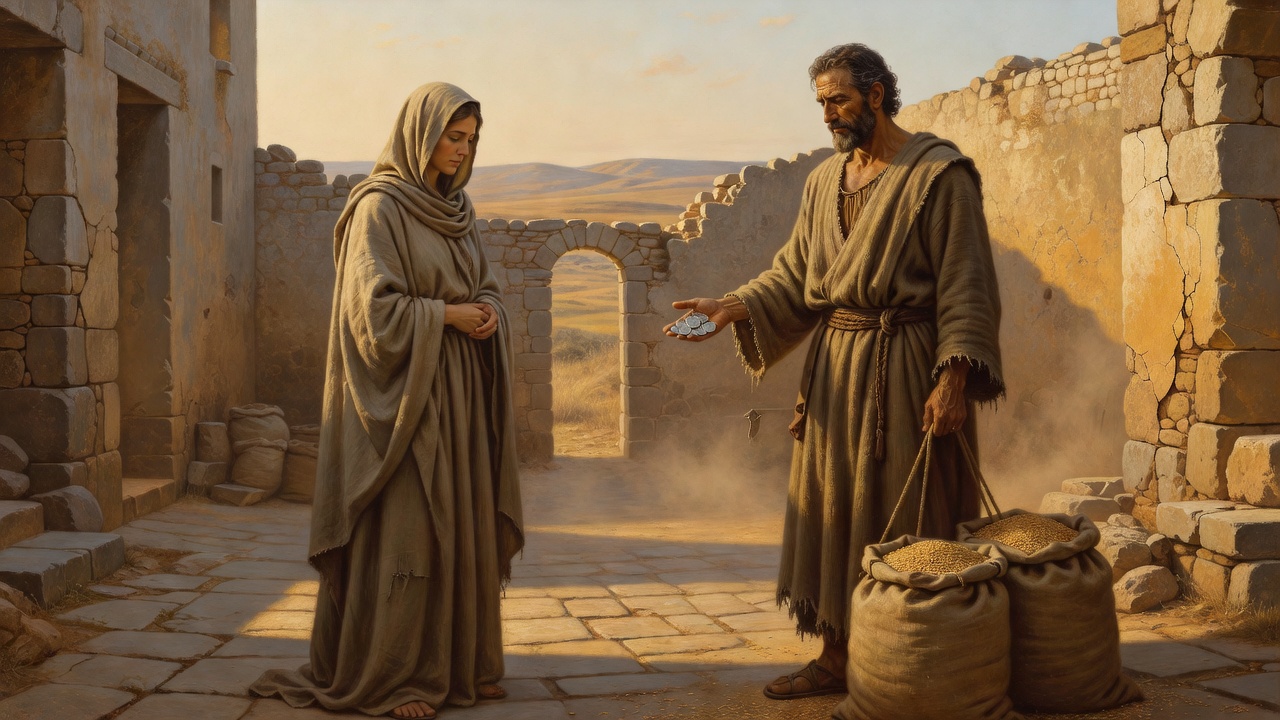
Did you know?
A Symbolic Redemption
- In Hosea 3, the prophet is commanded to buy back his unfaithful wife, paying fifteen shekels of silver along with a homer and a lethech of barley. This personal act serves as a living illustration of God's enduring love for Israel despite the nation's unfaithfulness and devotion to other gods.Sources: the Bible text itself
- The chapter foretells a long period during which the Israelites would live without king, prince, sacrifice, sacred pillar, ephod, or idol. Afterward, they are prophesied to return in reverence to seek the LORD and David their king in the last days.Sources: the Bible text itself
Notes written with AI assistance from open sources (Theographic Bible Metadata, CC BY-SA 4.0; Easton’s Bible Dictionary, public domain) and reviewed before publishing.
Credits and license for this translation
Godigo dwagi yai po buku
The Holy Bible in the Dadibi Language of Papua New Guinea
Buk Baibel long tok ples Dadibi long Niugini
copyright © 1987, 2001 Wycliffe Bible Translators, Inc.
Language: Dadibi
Translation by: Wycliffe Bible Translators
This translation is made available to you under the terms of the
Creative Commons Attribution-No Derivatives license 4.0.
You may share and redistribute this Bible translation or extracts from it in any format, provided that:
You include the above copyright and source information.
You do not make any derivative works that change any of the actual words or punctuation of the Scriptures.
Pictures included with Scriptures and other documents on this site are licensed just for use with those Scriptures and documents.
For other uses, please contact the respective copyright owners.
2019-08-22
Source: http://png.bible/mps/ · eBible.org