Ecclesiastes 6
Godigo dwagi yai po buku · Tap a verse to see its cross-references.
Bidabo ulade page me elalubeo
1Eno suali, te kolesaga dwai me deligo te genuai sęgę te tǫde bidi dabe augwaliba mobao. Te kolesaga e tiwai dao. 2Godigo te genuai nogi, me te mone doado bage hauwa te bidibolo mawaibao, tama te bidi aga godolo ebo nai me deli agade me sǫą pogobeo. Tiali goli, Godigo te bidi aga te nai dabede wiegi yai pemene emainu sula tagalobeo. Tama nosali, te gasa hani bidi me deligo te nai dabe saibao, tama aga te naide wiegi yai pemene dogia paibao. Te tebo kolesaga te dwai mu elama, te aga page meni yai mu elalubao. 3Te bidi me deligo wai dabe te bidi sese a naga, te 100 elaluali bidi te kibu be hauwa bidali. Tiali goli, aga wiegi yai doado bagede wiegi yai pemene isąyu, tama te aga isibo sogo augwaligo aga bugagia me pubalusiąyu da, teda te dwai mu yali. Eno mu po tama obao, te wai bǫų me deli aga idago haligade isali waigo, agai te bidi aiyaba elalualio, te bidi te umabo hauwa kibu be te tǫde bidali digi tagalao. 4Te tobage wai da, te olo nai tiwai da, aga nogi menio, te augwaligo aga pubulali sogo, augwaligo aga homu kone ma ebeo. 5Te wai bǫųgo te giliga ula me subeo, te mena nai me deli agai me konebeo. Tiali goli, megi aga bugagia toma neyu bidibao, tialima te waigo dugulalubo pagego te nai doado bage hauwa elaluali bidigo dugulalubo page agai aiyaba elaluali. 6Magi baso meni, te bidi agai aga te nai doado bagede wiegi yai pemene homu menisąwai. Te bidigo kibu be te bidi sese umabo, te 1,000, ma 2,000 kibu be bidali goli, agai te wai bǫų aiyaba me elalubeo. Da tigidali isilama, te bulu deli naga paibao, te mu da, agawe?
7Dago nai tuabo homu elama, te dago sesemane sogo sę ebo dao. Tialima, dago te sela tubo naigo, te dago godolo yali homuba me usu nugu pogobeo. 8Magi baso te kolesaga koneani bidigo te kolesaga konesiąwai bidi aiyaba elalubo dawe? Te magi nai meni yai bidigo wiegi yai kolesaga te we bidi augwaligo gedude ebaso da, teda tego aga magi elama tau saibawe? 9Te dago dena elalubo naide dwagi yai homu pemene eyu bidao. Te kolesaga ebogo te haniani naide pesą ebo kolesaga aiyaba elalubo dao. Te naide pesą ebo kolesaga aga page me elalubeo, te bidi udayu, te wali nogogo tola sainu ebo tiwai naga ebao. Te dago sali nai dabede wiegi yai homu pemene ebaso, usu yaibao. 10Tigidali nai pedalubo, te odolali me pedalubeo. Menio. Polobadu mu Godigo po weyu, te augwali pedelao wali gilama, te augwali pedalubo sę ebao. Te Godigo da bidigo kolesaga koneanio. Tibaso, dago aga dali konila po me wagobeo. Magi baso meni, te agai bomogo dago bomo aiyaba elaluai dao. 11Dago bobobage po wabosi, te tagalao, te usugobeo, dago aga aiyaba elalugobeo. Dago po olo tama waibao, tama tebogo da tau mu sogobeo. 12Da bidi te pęwadage sogo naga te tǫde bidibao, te ni noma elaluali te pǫgo giliga ge sesela sąbo si te polo menia sabo tiwai ebao. Te dago bidibo ulago page meni yai elalubao. Tialima, mena wiegi yai kolesaga dago wali pabo usu yabo te dego koneaibawe? Te da isai madigi, te magi nai mu e tǫde pedelabo dego mu koneaibawe?
Did you know?
The Vanity of Unsatisfied Wealth
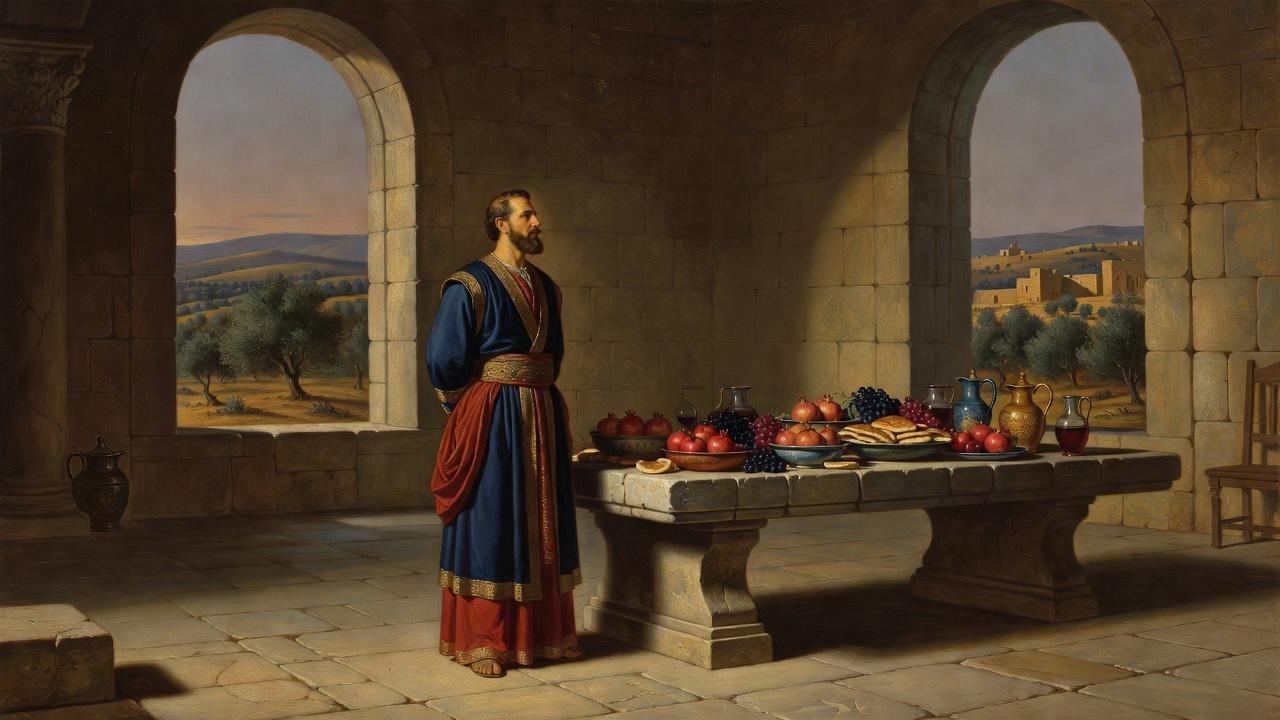
- In ancient thought, having a long life and fathering many children were considered the highest signs of blessing. Ecclesiastes observes, however, that even living two thousand years and fathering a hundred children is hollow if a person cannot enjoy their prosperity or receive a proper burial.Sources: the Bible text itself
- The author points out that although human labor is spent satisfying basic physical needs such as food, human appetite and desire remain continually unfulfilled. He contrasts enjoying what is directly present before the eyes with the ceaseless wandering of unsatisfied cravings.Sources: the Bible text itself
- The chapter emphasizes human limitations, noting that mortals cannot dispute with what has been established by one stronger than they are. Because life is fleeting like a shadow, humans cannot fully know what is truly good for them or foresee what will happen after they are gone.Sources: the Bible text itself
Notes written with AI assistance from open sources (Theographic Bible Metadata, CC BY-SA 4.0; Easton’s Bible Dictionary, public domain) and reviewed before publishing.
Credits and license for this translation
Godigo dwagi yai po buku
The Holy Bible in the Dadibi Language of Papua New Guinea
Buk Baibel long tok ples Dadibi long Niugini
copyright © 1987, 2001 Wycliffe Bible Translators, Inc.
Language: Dadibi
Translation by: Wycliffe Bible Translators
This translation is made available to you under the terms of the
Creative Commons Attribution-No Derivatives license 4.0.
You may share and redistribute this Bible translation or extracts from it in any format, provided that:
You include the above copyright and source information.
You do not make any derivative works that change any of the actual words or punctuation of the Scriptures.
Pictures included with Scriptures and other documents on this site are licensed just for use with those Scriptures and documents.
For other uses, please contact the respective copyright owners.
2019-08-22
Source: http://png.bible/mps/ · eBible.org