Amos 6
Godigo dwagi yai po buku · Tap a verse to see its cross-references.
Te Israel dabe augwa bomogo digi bugagia bidabo tau sobaso, usu egobeo
1Amosgo po e dao. Hobede dao, dage Jerusalemde bugagia dugulalubo we bidi, me te Samaria taunde bidibo we bidi, dagego te tiwai homu ebao, te magi nai me deligo dage me dologobe da homu ebo dao. Te hobede ebao, dage te polalubo kantri tǫ Israel gegunai bidi dabe, te dagego augwali tau somainogo te we bidi dageba asidu gebo dao. Hobede mu ebao, dage tigidali dolaibao. 2Dage pelama, Kalne taun sugi pao. Tama nosali dagego te Hamat genuai taun sugi pao, te dage ma bilama, te Get taun me sugi pao, te kantri Filistia tǫde elalubao. Dagego homugo te taun dabego bomo te dage Juda me Israel dabego tǫ kantrigo bomo edelai da homu eba, agawe? Te dagego homugo augwaligo tǫ te genuai mu elama, te dagego tǫ kantri tiwai si meni da homu eba, agawe? Awe, tiali goli augwali dolai dao. 3Hobedagia mu. Dagego homugo te dolobo sę dageba pedalugobe da homu ebao. Tialima, hobede mu ebao, te dagego ebo dwai sę dabego te dwai sogo pąba pedalumainu sesebo sę ebo dao.
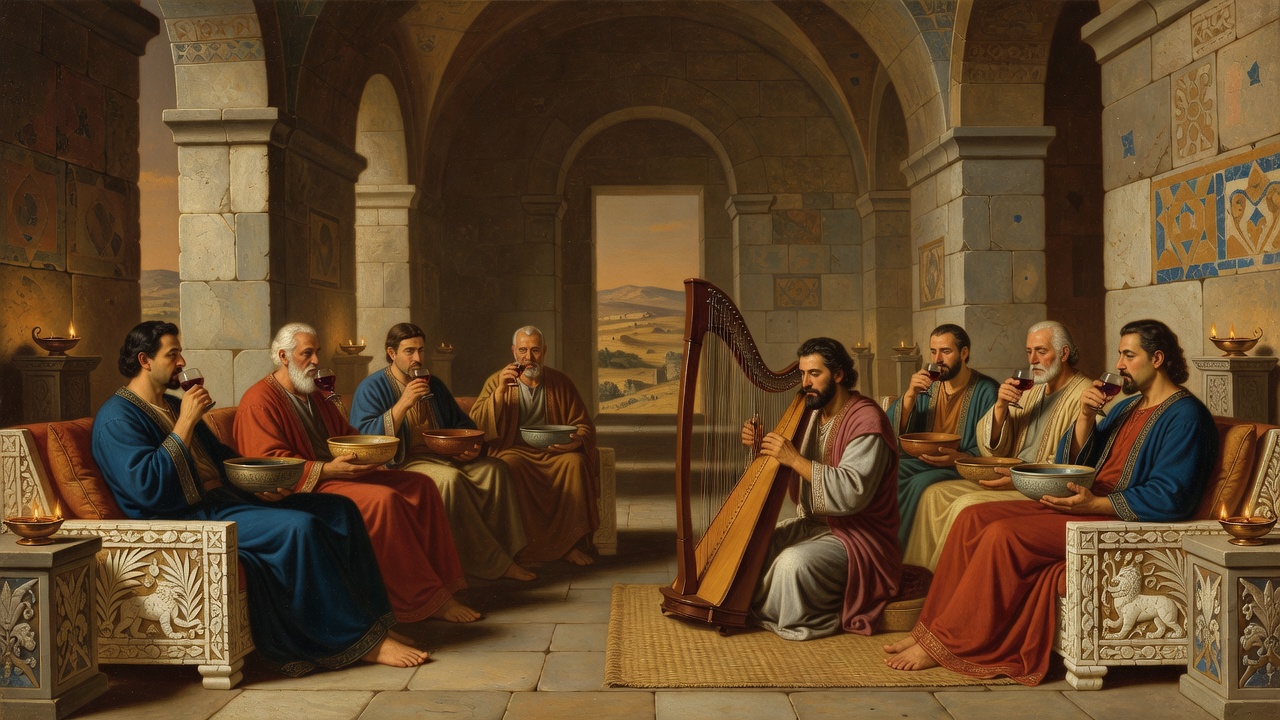
4Dage mone hauwa elalubo bidi dabe, te wiegi yai pibo bet sai mude olo pila mubadi, te wiegi yai nai bulmakau me nisai sipsip mi tubao, dage dua dao. Te dwai sogogo dageba gesabidi si unulaibao. 5Dagego te gesi olo balia nigibo sę ebo wei ebo dao, te Devitgo yali tiwai eyu, dagego te wiegi yai musik gagali eyu, te gita gagali me ebo dao. 6Dagego te genuai kap wain wę hauwa tubo dao. Te dagego denami ebo sawi yai sanda, me ili yai nai te duga tigide denami iliyu mubo dao. Tiali goli, dagego te tǫ kantri Israel nosali dolabo homu dene dwasianu me ebo menio. 7Tama tialima, dage Israel bage te gasa buluba kalabus sela pabo sogo, dage naga te polasa pabo hani mu tiwai pedaluyu paibao. Tama duga te genuai nai daa tuali tiwai munu ma tugobeo.
8God, Tigidali Bomo Elalubo Genuai Bidi, Tigidali Nai Tonalubo Bidi, agai te tiwai bomai po dąų wali, “Eno te Israel dabego gagea peyu, te hagoma ebo kolesaga ebo, te eno hagela homu ebao. Te eno augwaligo genuai boma pai be dabe eno haliga sębę yaibao. Tama tialima, eno te augwaligo polalubo taun dali, te tomode elalubo tigidali nai te augwa boi bidi dabego nogoba mawaibao,” te po wai dao.
9Te nogo si we bidi naga te deli bede geme me bidiyu da, teda tigidali isaibao. 10Te bidi me deli isali sogo, te aga deli kaneme bidi me deli asama, te aga tigi selama, ulugi painu yaibao. Tama te deli kaneme hani bidigo te be tomode geme dualalubo bidi i weyu, te tiwai waibao, “Te gasa bidi dabe me bidibawe, ma meniwe?” Te geme dualalubo bidigo te tiwai po wei ponaibao, “Menio,” wali. Tialima, te deli kaneme hani bidigo te tama po waibao, “Pedauwali pania sao. Dago Genuai Bidigo nogi munu me nogi ilamo dao,” te po waibao.
11Magi baso meni. Genuai Bidigo po obaso, te tigidali genuai be me, dwasianu be dali, te subigila todogola pelama, olo pobele bage hogomu pedelaibao.
12Dagego homugo te hos kibu dabe te genuai masigi dabe daidu ugwadu udada pabo usu yaiba, agawe? Te menio. Ma, dagego homugo te genuai masigi ugwadu daide te bulmakau dabego te gi tǫ elebo dono kegebo usu yaiba homu eba, agawe? Menio. Te kolesaga dabe mu geda mubao. Tiali goli, te dagego te tobage deli tigi poai kolesaga naga ebao. Dagego te po tų ebo doloba pai kolesaga te bidi isilibo nabi tiwai pedalubao. Tama dagego te wiegi yai kolesaga te dwai ha ebo nai tiwai pedalubo dao.
13Dagego te taun Lodebar aiyaba elaluali da homu elama, pemene eyu, te dage hagoma eyu, bidibao. Tama dagego duga nogi ugwaba siyu, te po me obao, “Te dena bomogo digi te taun Karnaim sali,” homu ebao. 14Tiali goli, Tigidali Bomo Elalubo Genuai Bidi agai te tama po wai, “Te eno gasa bidi hani me deli tagala palama, te dage Israelba boi hwįagasomainu yaibao. Augwaligo te dage dali hwįbo sę umabo mu eyu, genuai sęgę mawaibao, te Hamat taun te not badu gagalasa pabo, te wę Araba te saut badu usu nigi paibao,” te po wai dao.
Did you know?
Complacency and Impending Exile
- Amos addresses the ruling elite who felt secure in both Zion, the fortified hill of Jerusalem, and Mount Samaria, the capital of the northern kingdom built on an elevated summit by King Omri. Despite the natural defenses and prestige of these cities, their leaders are warned that their ease and overconfidence would end in captivity.Sources: Zion · Samaria · the Bible text itself
- The prophet challenges Israel to look at renowned foreign cities such as Calneh near the Euphrates, Hamath on the Orontes in Upper Syria, and the Philistine stronghold of Gath. These neighboring powers were neither smaller nor less protected, yet they could not escape destruction.Sources: Calneh · Hamath · Gath · the Bible text itself
- Amos criticizes the aristocracy for indulging in extravagant banquets, resting on beds inlaid with ivory, and improvising music on harps like David, all while ignoring the impending ruin of Joseph. The name Joseph here designates the northern tribes of Israel, whose moral decay and social injustice were neglected by their wealthy leaders.Sources: David · Joseph (son of Jacob) · the Bible text itself
Notes written with AI assistance from open sources (Theographic Bible Metadata, CC BY-SA 4.0; Easton’s Bible Dictionary, public domain) and reviewed before publishing.
Places in this chapter
- Samaria · 32.276, 35.195 · verses 1, 8
- Zion · Today: Jerusalem · 31.777, 35.234 · verse 1
- Hamath · Today: Hama · 35.136, 36.750 · verse 2
- Philistia · 31.664, 34.546 · verse 2
Only places identified with high confidence are shown (90% or more according to the scholarly sources compiled by OpenBible). Period map: DARE (Digital Atlas of the Roman Empire), CC BY 4.0; modern map: © OpenStreetMap contributors; places: OpenBible.info (CC BY 4.0).
Credits and license for this translation
Godigo dwagi yai po buku
The Holy Bible in the Dadibi Language of Papua New Guinea
Buk Baibel long tok ples Dadibi long Niugini
copyright © 1987, 2001 Wycliffe Bible Translators, Inc.
Language: Dadibi
Translation by: Wycliffe Bible Translators
This translation is made available to you under the terms of the
Creative Commons Attribution-No Derivatives license 4.0.
You may share and redistribute this Bible translation or extracts from it in any format, provided that:
You include the above copyright and source information.
You do not make any derivative works that change any of the actual words or punctuation of the Scriptures.
Pictures included with Scriptures and other documents on this site are licensed just for use with those Scriptures and documents.
For other uses, please contact the respective copyright owners.
2019-08-22
Source: http://png.bible/mps/ · eBible.org