Mark 12
Abureni NT Portions · Tap a verse to see its cross-references.
A̠sidogh ogbo ya̠ i̠ko̠ ma̠ a̠lei a̠grep bho̠
1Sa̠ A̠zizo̠s ake̠ ma̠ orogh a̠sidogh onigha̠ awa ma̠a̠: “Odi o̠ni̠ aro̠ ma̠ ola̠ a̠gbebh ra̠grep d̠a̠ a̠lei d̠o̠yo̠. Sa̠ a̠ko ma̠ a̠lei bho̠ a̠kiton, sa̠ a̠gbo ma̠ ogugua̠ ola̠ omumogh a̠min a̠grep bho̠ omutiom. I̠na a̠lo ma̠ otu ipoiny nyen, sa̠ a̠nigha̠ ma̠ a̠nwunom o̠ko̠ a̠lei bho̠, sa̠ i̠na a̠b̠etina̠ agi̠ ma̠ e̠gi̠ d̠a̠ opa̠n ebhugh. 2Igiel bho̠ a̠lei obhel o̠ku̠ a̠grep bho̠, sa̠ i̠na a̠nigha̠ ma̠ a̠limon odi e̠bana d̠o̠yo̠ ma̠ o̠gi̠ ka̠ obhin a̠bin imuma̠ d̠o̠yo̠ d̠a̠ aru̠gu̠o̠ ogbo ya̠ i̠ko̠ ma̠ a̠lei bho̠ oru. 3Sa̠ ogbo ya̠ i̠ko̠ ma̠ a̠lei bho̠ ipuom i̠na, sa̠ id̠ul, sa̠ imulumeni i̠na ma̠ obhobho i̠kpo̠. 4Opa̠n igiel, sa̠ i̠na a̠nigha̠ ma̠ a̠limon opa̠n e̠bana d̠o̠yo̠ ma̠ o̠gi̠ ka̠ obhin a̠bin imuma̠ d̠o̠yo̠ d̠a̠ aru̠gu̠o̠ ogbo ya̠ i̠ko̠ ma̠ a̠lei bho̠ oru. Sa̠ awa id̠ul i̠na, ib̠om e̠mu̠, i̠lo̠gh i̠na ma̠ ari̠ghe̠l. 5Sa̠ a̠puta̠ a̠ruom opa̠n e̠bana ma̠ o̠gi̠, sa̠ awa igigh obha̠. Obha̠ agu̠o̠ awa id̠ulogh ipa̠n iya̠ uruom, ya̠a̠ i̠ze̠gi̠ ma̠ idi.
6“Opa̠n o̠ni̠ ola̠ i̠na a̠nwuna̠ ma̠ oruom bo̠, a̠ten ogini o̠nyi̠ d̠o̠yo̠ wa̠ i̠na a̠tula̠n ibom bho̠. Ekunuguma̠ bho̠ sa̠ i̠na a̠nigha̠ ma̠ o̠nyi̠ d̠o̠yo̠ ma̠ a̠limon o̠gi̠ ka̠ o̠te̠i̠ awa, ezin bho̠ i̠na a̠fugh ma̠a̠, ‘Ami̠ na̠ a̠ma̠ra̠ ma̠a̠ awa ta̠ ezuruna̠ ma̠ eghoi enigha̠ ma̠ o̠nyi̠ d̠ami̠.’
7“Ya̠a̠ ogbo ya̠ i̠ko̠ ma̠ a̠lei bho̠, odi a̠fugh a̠nigha̠ ma̠ odi ma̠a̠, ‘Onon o̠nyi̠ o̠ni̠ wa̠nwuna̠ ma̠ a̠lei bho̠. Itue ta̠ ogigh i̠na, sa̠ i̠di̠ar ad̠i̠a d̠o̠yo̠ ta̠ a̠ten iya̠ i̠yar.’ 8Sa̠ awa ipuom o̠nyi̠ bho̠, sa̠ igigh i̠na, sa̠ id̠ud̠ur ozu bho̠ irobh d̠a̠ etire.”
9Sa̠ A̠zizo̠s a̠pura̠n ma̠a̠, “O̠ku̠a ka̠ o̠ni̠ wa̠ a̠nwuna̠ ma̠ a̠lei bho̠ ta̠ a̠d̠ighi ma̠ ere? I̠na ta̠ a̠ru ra̠ aze̠gi̠ ma̠ a̠nwunom i̠ye̠ ya̠ i̠ko̠ ma̠ a̠lei bho̠, sa̠ ta̠ a̠b̠eton a̠lei bho̠ a̠nigha̠ ma̠ ipa̠n ogbo. 10Inyin ta̠ osen d̠o̠ o̠bi̠gh d̠a̠ A̠d̠ire E̠tu̠tu̠ bho̠ ke̠re̠, ma̠ esi bho̠ u̠ge̠ ma̠a̠:
“ ‘Ekpokpogh ikputu wa̠ iloma̠rutu bho̠ ighel bho̠
na̠ ra̠ a̠ten e̠ko̠ wa̠ a̠lei abar a̠pu bho̠;
11onon abar ola̠ Wa̠nwuna̠ bho̠ a̠gir,
sa̠ amar a̠bhon d̠a̠ a̠misigh d̠i̠yar o̠bi̠gh’?”
12Ogbo aru̠mu̠ rokur bho̠ na̠ i̠tu̠ghu̠me̠ni̠ ma̠ oloko bho̠ na̠ ikei bho̠ eloghom ma̠a̠ A̠zizo̠s a̠rogh a̠sidogh bho̠ a̠gboloma̠ awa, sa̠ awa i̠ru̠ru̠an ob̠ol o̠yo̠. Ya̠a̠ awa ighil o̠lo̠gh a̠nwunom bho̠, ebula̠ o̠ku̠a sa̠ awa i̠we̠le̠man i̠na iten i̠d̠u̠a.
Ipura̠n otua̠ otua̠-ebhugh
13Sa̠ awa ya̠ od̠i d̠a̠ a̠dila̠de i̠to̠ bho̠ iruom idi Afarisi na̠ idi ogbo i̠tu̠o̠no̠m ta̠ E̠ro̠d ma̠ o̠gi̠ ka̠ o̠kpati̠ o̠yo̠ ka̠ i̠na ta̠ a̠fugh abar api̠o̠m. 14Sa̠ awa i̠gi̠ ka̠ i̠te̠i̠ i̠na ipura̠n ma̠a̠, “O̠ni̠ atu̠ghu̠me̠ni̠, i̠yar ologhom ma̠ anwa na̠ amar na̠ a̠gir d̠a̠ o̠nu̠o̠kpe̠ atu̠ghu̠me̠ni̠ d̠oyom, sa̠ anwa na̠ okpon d̠o̠ ma̠ odi o̠ni̠ a̠gurumeni abhe̠l opa̠n, sa̠ anwa na̠ a̠bhin ya̠gia̠ga̠i bho̠ na̠ atu̠ghu̠me̠ni̠ ma̠ agu̠o̠ o̠tu̠o̠no̠m A̠zib̠a̠. Gba ma̠ a̠nigha̠ i̠yar, A̠sora̠n i̠yar otua̠ otua̠-ebhugh onigha̠ A̠siza̠ ke̠re̠? I̠yar otua̠ bo̠d̠o̠ ka̠ i̠yar otua̠ d̠o̠?”
15Ya̠a̠ A̠zizo̠s a̠loghom ikoiny d̠awa sa̠ awo̠ran awa ma̠a̠, “Inyin udin ere na̠ o̠kpati̠ ami̠? Ibhine ma̠ a̠dinari̠ ma̠ eru ami̠ ta̠ abi̠gh.” 16Sa̠ awa ibhin a̠dinari̠ bho̠ iruom i̠na, sa̠ i̠na a̠pura̠n ma̠a̠, “Onon ka̠ a̠misigh ta̠ a̠nyen, sa̠ u̠ge̠ ma̠ a̠d̠ien ta̠ a̠nyen d̠a̠ anyu̠ bho̠?”
Sa̠ awa i̠wo̠ran ma̠a̠, “Ita̠ A̠siza̠.”
17Sa̠ i̠na agba a̠nigha̠ awa ma̠a̠, “O̠ku̠a bha̠, inigha̠ ma̠ A̠siza̠ ma̠ i̠di̠ar ta̠ A̠siza̠, ma̠ enigha̠ ma̠ A̠zib̠a̠ ma̠ ita̠ A̠zib̠a̠.”
Sa̠ awa ib̠a̠gha̠gha̠ d̠a̠ ebul awo̠ran d̠o̠yo̠.
Ipura̠n wa̠ a̠gboloma̠ ma̠ // ob̠etina̠ d̠a̠ omugh bho̠
18Ogbo Asadusi ya̠ oma̠ra̠ d̠o̠ ma̠ ob̠etina̠ d̠a̠ omugh od̠i bho̠, i̠gi̠ ka̠ i̠te̠i̠ A̠zizo̠s epura̠n ma̠a̠, 19“O̠ni̠ atu̠ghu̠me̠ni̠, A̠mozizi age̠ a̠nigha̠ i̠yar ma̠a̠, ku̠gba ma̠ umor o̠ni̠ a̠mugh awe̠le̠man ani̠ d̠o̠yo̠ ad̠u̠a, ya̠a̠ na̠ o̠mar d̠o̠ ma̠ o̠nyi̠, ma̠a̠, o̠ni̠ bho̠ ta̠ a̠bhin ani̠ umor bho̠ b̠o̠ka̠ amar anwi̠i̠ny a̠nigha̠ ma̠ umor d̠o̠yo̠. 20I̠se̠n bha̠ od̠ua̠l a̠rumor e̠ro̠; sa̠ okei bho̠ a̠bhin ani̠ ya̠a̠ i̠na na̠ o̠mar d̠o̠ ma̠ o̠nyi̠ sa̠ a̠mugh awe̠le̠man ani̠ bho̠ ad̠u̠a. 21Sa̠ oleghemeni i̠wal umor bho̠ a̠bhin ani̠ bho̠, i̠na eka̠ na̠ o̠mar d̠o̠ ma̠ o̠nyi̠ sa̠ a̠mugh. Obha̠ onin agu̠o̠ a̠mutuma̠ ma̠ wa̠leghemeni i̠sar umor bho̠. 22A̠mite ma̠ o̠ku̠a oku̠a tu̠tu̠n sa̠ eb̠la̠ od̠ua̠l a̠rumor ya̠ ibhin ani̠ bho̠ imugughu, i̠mar d̠o̠ bebina̠ ekpo o̠nyi̠. Ekunuguma̠ bho̠ sa̠ ani̠ bho̠ a̠mugh nyen. 23Igiel ob̠etina̠ d̠a̠ omugh bho̠ ka̠, ani̠ bho̠ ta̠ aro̠ ma̠ ani̠ ta̠ a̠nyen, d̠a̠ ebula̠ agu̠o̠ ani̠ bho̠ na̠ awal eb̠la̠ od̠ua̠l a̠rumor bho̠?”
24Sa̠ A̠zizo̠s awo̠ran ma̠a̠, “Inyin ta̠ o̠ru̠ru̠an d̠o̠ o̠pi̠e, ebula̠ agu̠o̠ inyin u̠mu̠gho̠nyan d̠o̠ ma̠ ratu̠ghu̠me̠ni̠ A̠d̠ire E̠tu̠tu̠ bho̠, bo̠d̠o̠ a̠limon ta̠ A̠zib̠a̠ bho̠ ke̠re̠? 25Igiel imumugh bho̠ ta̠ eb̠egina̠, awa ta̠ e̠ro̠ ma̠ agu̠o̠ itileduom ta̠ A̠zib̠a̠ d̠a̠ ote̠nai̠ny. Awa ko obhinogh d̠o̠ ma̠ anwani̠, sa̠ ko onigha̠nom d̠o̠ ma̠ anwi̠nyan anwi̠i̠ny nyen. 26Iya̠ igboloma̠ ma̠ ogbo ya̠ ta̠ eb̠egina̠ d̠a̠ omugh bho̠, inyin ta̠ osen d̠o̠ o̠bi̠gh d̠a̠ a̠d̠ire ta̠ A̠mozizi ma̠ asu̠gbagba ed̠um bho̠ ma̠ iya̠ A̠zib̠a̠ agba a̠nigha̠ i̠na bho̠ ke̠re̠? Ma̠a̠, ‘Ami̠ A̠zib̠a̠ ta̠ Ebraham, na̠ A̠zib̠a̠ ta̠ Azi̠ki̠, na̠ A̠zib̠a̠ ta̠ A̠zeko̠pu̠.’ 27I̠na A̠zib̠a̠ imumugh d̠o̠, ya̠a̠ i̠na ola̠ ogbo ya̠ od̠i d̠a̠ a̠ghud̠um. Inyin o̠mar o̠ru̠ru̠an o̠pi̠e̠!”
Oloko wa̠ a̠lei abar a̠pu bho̠
28Odi o̠ni̠ atu̠ghu̠me̠ni̠ oloko bho̠ a̠ru ra̠ amu̠gho̠n i̠b̠e̠re̠gi̠an d̠awa, sa̠ abi̠gh ma̠ I̠na amar awo̠ran awa, sa̠ a̠pura̠n ma̠a̠, “Eb̠la̠ roloko bho̠ ka̠ oken a̠lei abar a̠pu?” 29Sa̠ A̠zizo̠s awo̠ran i̠na ma̠a̠, “Onon wa̠ a̠lei abar a̠pu bho̠: ‘I̠nagha, E Izre̠l! Wa̠nwuna̠ A̠zib̠a̠ d̠i̠yar, i̠na ku̠ku̠m Wa̠nwuna̠ bho̠. 30Bhine ma̠ eb̠la̠ ekpo ologi d̠oyom, na̠ eb̠la̠ eloghoma̠n ozu d̠oyom, na̠ eb̠la̠ i̠ru̠ru̠an ologi d̠oyom, na̠ eb̠la̠ e̠mi̠ d̠oyom, ma̠ a̠tula̠n Wa̠nwuna̠ A̠zib̠a̠ d̠oyom.’ 31Oleghemeni i̠wal bho̠, bha̠ onon: ‘Tula̠ne ma̠ o̠ni̠ wa̠ od̠i d̠a̠ aka d̠oyom bho̠, ma̠ agu̠o̠ anwa itula̠n ozu d̠oyom bho̠.’ Oloko ola̠ a̠pu ma̠ i̠nye̠n bo̠.” 32Sa̠ o̠ni̠ atu̠ghu̠me̠ni̠ oloko bho̠ awo̠ran ma̠a̠, “Anwa amar agba ma̠ iya̠gia̠ga̠i bho̠. Onin A̠zib̠a̠ ku̠ku̠m od̠i, opa̠n bo̠, a̠ten i̠na. 33Sa̠ anwa ta̠ a̠bhin eb̠la̠ ekpo ologi d̠oyom, na̠ eb̠la̠ i̠ru̠ru̠an ologi d̠oyom, na̠ eb̠la̠ e̠mi̠ d̠oyom a̠tula̠n Wa̠nwuna̠ A̠zib̠a̠ d̠oyom. Sa̠ anwa ta̠ a̠tula̠n o̠ni̠ etua̠n d̠oyom ma̠ agu̠o̠ ozu d̠oyom, a̠lei abar a̠pu ma̠ obhin i̠nam o̠kpe̠ alu̠kpe̠ na̠ ipa̠n ralu̠kpe̠.” 34Igiel bho̠ A̠zizo̠s abi̠gh ma̠a̠ i̠na amar awo̠ran bho̠, sa̠ agba a̠nigha̠ i̠na ma̠a̠, “Irileghom ta̠ A̠zib̠a̠ na̠ osigima̠ mu nyam.” Sa̠ o̠ni̠ ola̠ a̠ne ma̠ opita̠ opura̠n abar na̠ o̠ro̠ d̠o̠.
Akrai̠st ka̠ o̠nyi̠ ta̠ a̠nyen?
35Agu̠o̠ A̠zizo̠s na̠ atu̠ghu̠me̠ni̠ d̠a̠ Otu ta̠ A̠zib̠a̠ bho̠, sa̠ i̠na a̠pura̠n ma̠a̠, “Ogbo atu̠ghu̠me̠ni̠ oloko bho̠ na̠ edin ere na̠ e̠gba ma̠a̠ Witenemeni bho̠ ma̠a̠ o̠nyi̠ ta̠ A̠devidi? 36E̠mu̠gh E̠tu̠tu̠ bho̠ awo̠l d̠a̠ o̠nu̠ ta̠ A̠devidi na̠ agu̠o̠ agba ma̠a̠,
“ ‘Wa̠nwuna̠ A̠zib̠a̠ agba a̠nigha̠ ma̠ Wa̠nwuna̠ d̠ami̠ ma̠a̠:
“Ro̠ ma̠ a̠dila̠de d̠a̠ od̠iom agu̠o̠ d̠ami̠
tu̠tu̠n ami̠ ta̠ a̠guri ma̠ ogbo o̠lo̠gi̠an a̠d̠ien d̠oyom
d̠a̠ ekpukpu a̠sike d̠oyom.” ’
37A̠devidi na̠ agu̠o̠ a̠bhelegi i̠na ma̠ ‘Wa̠nwuna̠.’ O̠ku̠a ka̠ I̠na aro̠ eka̠ ma̠ o̠nyi̠ d̠o̠yo̠?”
Sa̠ o̠lo̠gh a̠nwunom bho̠ ibhin a̠libhon ologi i̠nagha ma̠ atu̠ghu̠me̠ni̠ ta̠ A̠zizo̠s.
A̠zizo̠s akparame̠ni̠ a̠kikiom a̠gboloma̠ // ma̠ ogbo atu̠ghu̠me̠ni̠ oloko bho̠
38Igiel bho̠ A̠zizo̠s na̠ atu̠ghu̠me̠ni̠ bho̠, sa̠ i̠na agba ma̠a̠, “I̠mare̠ ma̠ ekpona̠ ma̠ ogbo atu̠ghu̠me̠ni̠ oloko bho̠. Awa iba̠ra̠ ma̠ opa̠n obura̠ ibom isosora̠n rakapa, sa̠ iba̠ra̠ ma̠ a̠nwunom obhin d̠a̠ ozuruna̠ eghoi obheleguma̠ awa d̠a̠ regbolom a̠b̠ua̠, 39sekina̠ o̠ro̠ d̠a̠ ra̠dila̠de edim d̠a̠ a̠rutu u̠gala A̠zu bho̠, na̠ o̠ro̠ d̠a̠ a̠risisi edim d̠a̠ ro̠d̠e̠. 40Awa na̠ eponoma̠ ma̠ rekpukele anwani̠ na̠ e̠wo̠ro̠gh i̠di̠ar, sa̠ awa na̠ esiseiny iwewegh ra̠siseiny b̠o̠ka̠ olelegi awa. Awa ta̠ e̠te̠i̠ ibom ebhum ase̠.”
Okpoki ali̠se̠bh ta̠ ekpukele ani̠ bho̠
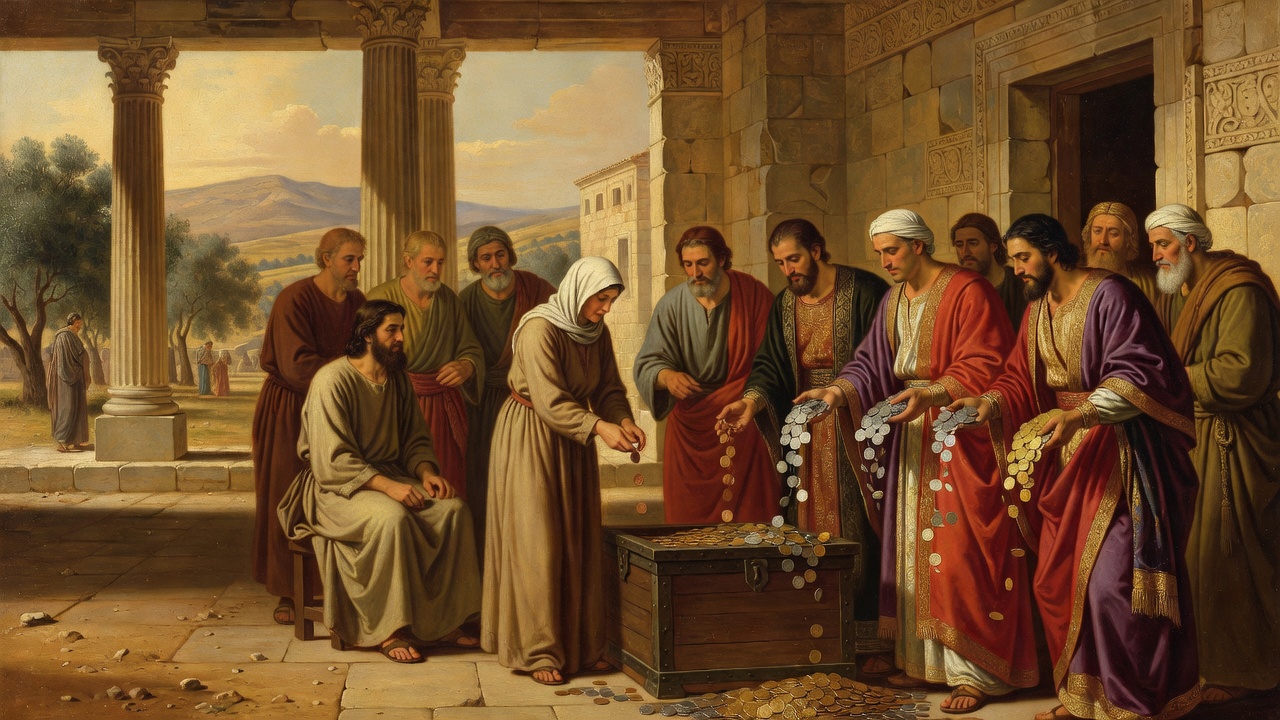
41A̠zizo̠s aro̠ ma̠ a̠dila̠de a̠sumogha̠n igba̠ alu̠kpe̠ bho̠, sa̠ a̠kpon agu̠o̠ a̠nwunom na̠ ebhin na̠ e̠lo̠gi̠ ma̠ ikpoki ali̠se̠bh d̠awa bho̠. Sa̠ i̠na abi̠gh ka̠ a̠d̠izo aru̠lala na̠ e̠lo̠gi̠ ma̠ a̠b̠utu ikpoki d̠a̠ ologi. 42Sa̠ odi onyigoiny ekpukele ani̠, agi̠ ka̠ alo̠gh i̠wal i̠gbara ikpoki ako̠pa, ya̠ ilei ape̠ni̠. 43Sa̠ i̠na a̠bhelegi ma̠ ogbo atu̠ghan d̠o̠yo̠ agba a̠nigha̠ awa ma̠a̠: “Ya̠gia̠ga̠i ami̠ na̠ agba na̠ a̠nigha̠ inyin ma̠a̠, eb̠la̠ ogbo ya̠ i̠lo̠gi̠ ma̠ i̠di̠ar e̠ne̠ghe̠ d̠a̠ igba̠ bho̠, onyigoiny ekpukele ani̠ onon alo̠gh a̠pu. 44Ezin bho̠, eb̠la̠ a̠nwunom i̠nye̠n na̠ ibom e̠li̠la d̠awa, wa̠ a̠ru, ape̠to̠n o̠nyi̠ esi d̠a̠ e̠li̠la d̠o̠yo̠ alo̠gh. Ya̠a̠, d̠a̠ ologi igoiny d̠o̠yo̠, i̠na a̠kpukpu ma̠ eb̠la̠ ya̠ i̠na a̠nwuna̠ bho̠ alo̠gh.”
Did you know?
Debates in the Temple
- The Sadducees, who say there is no resurrection, question Jesus about seven brothers and one widow, appealing to what Moses wrote. He points them to the burning bush in the Book of Moses, where God says, “I am the God of Abraham, the God of Isaac, and the God of Jacob.” Abraham, “father of a multitude,” was Terah’s son; Isaac was Abraham’s only son by Sarah; and Jacob was the second-born of the twin sons of Isaac and Rebekah.Sources: the Bible text itself · Abraham · Isaac · Jacob (Israel)
- Asked which commandment is the most important, Jesus begins, “Hear, O Israel, the Lord our God, the Lord is One,” and adds, “Love your neighbor as yourself.” Israel is another name for Jacob, the second-born twin son of Isaac and Rebekah; Jacob’s name is explained as one who follows on another’s heels, or supplanter.Sources: the Bible text itself · Jacob (Israel)
- Teaching in the temple courts, Jesus asks how the scribes can say that the Christ is the Son of David if David himself calls him “Lord.” David, whose name means “Beloved,” was the eighth and youngest son of Jesse, a citizen of Bethlehem, and his early occupation was tending his father’s sheep on the uplands of Judah.Sources: the Bible text itself · David
Notes written with AI assistance from open sources (Theographic Bible Metadata, CC BY-SA 4.0; Easton’s Bible Dictionary, public domain) and reviewed before publishing.
Credits and license for this translation
Abureni NT Portions
Abureni: Abureni NT Portions (New Testament)
copyright © 2022 Luke Initiative for Scripture Translationand The Seed Company
Language: (Abureni)
Contributor: The Seed Company
This translation is made available to you under the terms of the
Creative Commons Attribution Share-Alike license 4.0.
You have permission to share and redistribute this Bible translation in any format and to make reasonable revisions and adaptations of this translation, provided that:
You include the above copyright and source information.
If you make any changes to the text, you must indicate that you did so in a way that makes it clear that the original licensor is not necessarily endorsing your changes.
If you redistribute this text, you must distribute your contributions under the same license as the original.
Pictures included with Scriptures and other documents on this site are licensed just for use with those Scriptures and documents.
For other uses, please contact the respective copyright owners.
Note that in addition to the rules above, revising and adapting God's Word involves a great responsibility to be true to God's Word. See Revelation 22:18-19.
2025-07-02
Source: http://ebible.org/mgj/ · eBible.org