Mark 10
Abureni NT Portions · Tap a verse to see its cross-references.
Atu̠ghu̠me̠ni̠ iya̠ igboloma̠ ma̠ Ogbogina̠ Ilom
1Sa̠ A̠zizo̠s ad̠u̠a ma̠ i̠se̠ agi̠ d̠a̠ ebhugh A̠zudia̠, sa̠ ab̠e̠i̠ d̠a̠ aku̠b̠o̠ Azo̠dan. Sa̠ o̠lo̠gh a̠nwunom ipita̠ iko i̠na ikiton, sa̠ a̠puta̠ atu̠ghu̠me̠ni̠ awa ma̠ agu̠o̠ i̠na na̠ a̠gir gha̠n bho̠.
2Sa̠ Rafarisi bho̠ iru ma̠ o̠da o̠yo̠ okpon, sa̠ ipura̠n i̠na ma̠a̠, “Owolom ta̠ a̠rue a̠soroni ma̠ ani̠ d̠o̠yo̠ ke̠re̠?”
3Sa̠ i̠na awo̠ran awa ma̠a̠, “A̠mozizi agba eka̠ a̠nigha̠ inyin, a̠gboloma̠ ma̠ ogbogina̠ ilom?”
4Sa̠ awa i̠wo̠ran ma̠a̠, “A̠mozizi a̠ma̠ra̠ ma̠a̠ onigha̠ ma̠ a̠d̠ire ogbogina̠ ilom, obhin osoroni ani̠.”
5Ya̠a̠, A̠zizo̠s agba a̠nigha̠ awa ma̠a̠, “A̠mozizi a̠din ab̠agh e̠mu̠ d̠inyin age̠ ma̠ oloko obha̠ a̠nigha̠ inyin. 6Ya̠a̠, d̠a̠ o̠pu̠r ob̠eton bho̠, A̠zib̠a̠ ale̠m awa ma̠ ‘o̠ya na̠ olobhiri.’ 7‘Ebula̠ o̠ku̠a, olobhiri o̠ni̠ ta̠ awe̠le̠ ma̠ oweni na̠ o̠we̠de̠ d̠o̠yo̠, sa̠ ta̠ agi̠ ka̠ ab̠araguma ma̠ ani̠ d̠o̠yo̠, 8sa̠ i̠wal awa ta̠ eten onin ozu.’ O̠ku̠a bha̠ awa bo̠mu̠ i̠wal, kpe̠le̠me̠ni̠ awa na̠ eten onin ozu. 9O̠ku̠a a̠d̠ighi be̠le̠ni̠, abar wa̠ A̠zib̠a̠ na̠ atu̠lo̠m bho̠, o̠nyi̠o̠mo̠ro̠ni̠ o̠bagi̠o̠n d̠o̠.”
10Igiel bha̠ awa imula̠ i̠gi̠ d̠a̠ otu bho̠, sa̠ ogbo atu̠ghan bho̠ ipura̠n i̠na igboloma̠ ma̠ abar onon. 11Sa̠ i̠na agba a̠nigha̠ awa ma̠a̠, “O̠ni̠ ola̠ a̠soroni ma̠ ani̠ d̠o̠yo̠ sa̠ a̠bhin opa̠n, bha̠ a̠sor oloko od̠e e̠ma a̠gboloma̠ ma̠ ani̠ bho̠. 12Ani̠ ola̠ a̠gbogina̠ ma̠ owolom d̠o̠yo̠ sa̠ awal opa̠n, a̠sor oloko od̠e e̠ma.”
A̠zizo̠s a̠tutumeni ma̠ I̠gbara anwi̠i̠ny
13A̠nwunom ibhin i̠gbara anwi̠i̠ny d̠awa eru d̠a̠ A̠zizo̠s agu̠o̠ ola̠ i̠na ta̠ a̠kula̠n awa, ya̠a̠ ogbo atu̠ghan d̠o̠yo̠ i̠b̠ab̠agi̠na ikigima̠ awa.
14A̠zizo̠s abi̠gh o̠ku̠a bho̠, sa̠ agam a̠nigha̠ ma̠ ogbo atu̠ghan d̠o̠yo̠, sa̠ agba a̠nigha̠ awa ma̠a̠, “Ima̠ra̠ i̠gbara anwi̠i̠ny bho̠ eru d̠ami̠, ya̠a̠ ka̠ okigima̠ awa, ezin bho̠ irileghom ta̠ A̠zib̠a̠ aro̠ a̠nigha̠ ma̠ a̠nwunom ya̠ od̠i ma̠ agu̠o̠ i̠gbara anwi̠i̠ny. 15Ya̠gia̠ga̠i, ami̠ na̠ agba na̠ a̠nigha̠ inyin, o̠ni̠ ola̠ o̠da d̠o̠ ma̠ irileghom ta̠ A̠zib̠a̠ a̠bhin agu̠o̠ o̠gbara o̠nyi̠ ko od̠igh d̠o̠ d̠a̠ ologi.” 16Sa̠ a̠b̠ola̠n o̠gbara o̠nyi̠, o̠gbara o̠nyi̠ i̠se̠, agbam agu̠o̠ a̠tutumeni.
O̠li̠la O̠ni̠ bho̠
17Sa̠ A̠zizo̠s a̠b̠etina̠ ma̠ erile, sa̠ odi o̠ni̠ a̠kpo ma̠ eghil ka̠ a̠kpud̠ia̠n i̠na a̠pura̠n ma̠a̠, “Ob̠eb̠i o̠ni̠ atu̠ghu̠me̠ni̠, ere ma̠ abar wa̠ ami̠ ta̠ a̠d̠ighi ma̠ ola̠ ami̠ ta̠ ate̠i̠ a̠ghud̠um ekunuguma̠ o̠to̠?”
18Sa̠ A̠zizo̠s awo̠ran ma̠a̠, “Anwa na̠ atu̠n ere na̠ a̠bhelegi ami̠ ma̠ ob̠eb̠i o̠ni̠? O̠ni̠ ola̠ aro̠ ma̠ ob̠eb̠i bo̠, a̠ten A̠zib̠a̠. 19Anwa a̠loghom roloko bho̠: ‘Ko ogigh o̠ni̠, ko od̠e ma̠ e̠ma, ko ob̠igh a̠b̠igh, ko o̠gba ma̠ onyob̠a̠ igunugha̠, ko oniniom o̠ni̠, zuruna̠ ma̠ eghoi a̠nigha̠ ma̠ onweni na̠ o̠we̠de̠ d̠oyom.’ ”
20Sa̠ i̠na agba ma̠a̠, “O̠ni̠ Atu̠ghu̠me̠ni̠, ami̠ na̠ a̠koko ma̠ roloko i̠nye̠n keka̠ d̠a̠ i̠gbara d̠ami̠.”
21Sa̠ A̠zizo̠s a̠bhin obhel a̠kpon i̠na, sa̠ a̠ba̠ra̠ i̠na, sa̠ agba a̠nigha̠ i̠na ma̠a̠, “Onin abar a̠sugho, gi̠e̠ ka̠ a̠wol eb̠la̠ i̠di̠ar ya̠ anwa inwuna̠ bho̠ ma̠ a̠nigha̠ ma̠ ronyigoiny bho̠, sa̠ anwa ta̠ ate̠i̠ e̠li̠la d̠a̠ ote̠nai̠ny, ma̠ a̠ru ra̠ atu̠o̠no̠m ami̠.”
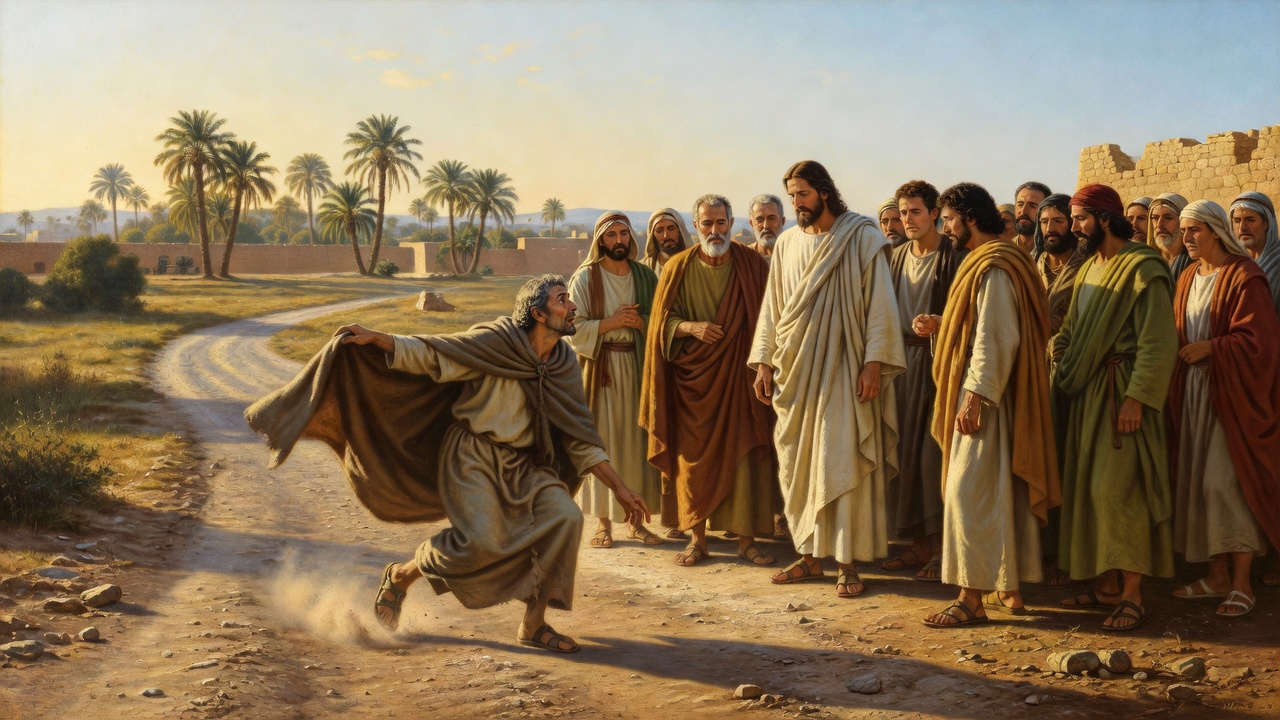
22Sa̠ o̠ni̠ bho̠ a̠zum d̠a̠ ebula̠ awo̠ran bho̠, sa̠ a̠ten ad̠u̠a, ezin bho̠ i̠na a̠gbo ma̠ ibom e̠li̠la.
23Sa̠ A̠zizo̠s a̠kpon ogbo atu̠ghan d̠o̠yo̠ a̠gir sa̠ agba ma̠a̠, “Agu̠o̠ akpar aru̠lala ma̠ od̠igh d̠a̠ irileghom ta̠ A̠zib̠a̠!”
24Sa̠ ogbo atu̠ghan bho̠ ib̠a̠gha̠gha̠ d̠a̠ ebula̠ atu̠ghu̠me̠ni̠ d̠o̠yo̠. Ya̠a̠ A̠zizo̠s a̠mula̠ alo̠gho̠m ma̠a̠, “Anwi̠i̠ny d̠ami̠, amar akpar od̠igh d̠a̠ irileghom ta̠ A̠zib̠a̠! 25A̠b̠ur e̠nam a̠dol o̠wo̠l d̠a̠ oyol anu̠ga oten a̠pu ma̠ o̠li̠la ma̠ od̠igh d̠a̠ irileghom ta̠ A̠zib̠a̠.”
26Sa̠ awa imula̠ ib̠ogina̠ ma̠ o̠gbam, sa̠ odi na̠ a̠pura̠n odi ma̠a̠, “O̠ku̠a ka̠ a̠nyen ta̠ a̠rue a̠ten?”
27Sa̠ A̠zizo̠s a̠bhin obhel a̠kpon awa awo̠ran ma̠a̠, “D̠a̠ o̠nyi̠o̠mo̠ro̠ni̠ bha̠ na̠ orue d̠o̠ a̠mite, ya̠a̠ d̠a̠ A̠zib̠a̠ d̠o̠, d̠a̠ A̠zib̠a̠ kabar kabar ta̠ a̠rue a̠mite.”
28Sa̠ A̠puta̠ agba ma̠a̠, “Kpone! I̠yar na̠ o̠we̠le̠man kabar kabar na̠ o̠tu̠o̠no̠m anwa!”
29Sa̠ A̠zizo̠s awo̠ran ma̠a̠, “Ya̠gia̠ga̠i ami̠ na̠ agba na̠ a̠nigha̠ inyin ma̠a̠, o̠ni̠ ola̠ awe̠le̠man eghun otu, bo̠d̠o̠ a̠rumor, bo̠d̠o̠ aru̠marani̠, bo̠d̠o̠ onweni, bo̠d̠o̠ o̠we̠de̠, bo̠d̠o̠ anwi̠i̠ny, bo̠d̠o̠ od̠ighi, d̠a̠ ebula̠ ami̠ na̠ asu̠gbagba bho̠, 30ola̠ ko o̠te̠i̠ d̠o̠ ma̠ i̠wal e̠wala na̠ a̠d̠usubh igiel ma̠ i̠se̠n d̠a̠ obhel onon bo̠: a̠d̠igh eghun otu, a̠rumor, aru̠marani̠, onweni, anwi̠i̠ny, a̠de od̠ighi na̠ a̠nwunom oponoma̠ ogbikimeni o̠yo̠ nyen, na̠ a̠ghud̠um kid̠ud̠ul d̠a̠ amu̠m wa̠ na̠ a̠ru bho̠. 31Ya̠a̠, a̠d̠izo ogbo ya̠ od̠i d̠a̠ ed̠ia̠ ta̠ eten d̠a̠ aman, sa̠ ogbo ya̠ od̠i d̠a̠ aman bho̠ ta̠ eten d̠a̠ ed̠ia̠.”
Oleghemeni i̠sar igiel // A̠zizo̠s a̠wa̠ a̠gboloma̠ ma̠ omugh d̠o̠yo̠
32D̠a̠ obhel bho̠ awa na̠ eten na̠ e̠gi̠ d̠a̠ A̠zeruse̠le̠m bho̠, A̠zizo̠s aro̠ d̠a̠ ed̠ia̠ d̠a̠ awa. Sa̠ ekpoyogh ologi na̠ a̠rugugu isibh ogbo ya̠ na̠ e̠tu̠o̠no̠m bho̠. Sa̠ i̠na a̠puta̠ a̠bhin d̠iobh na̠ i̠wal bho̠ a̠ten d̠a̠ aka, sa̠ ake̠ ma̠ o̠gba i̠di̠ar ya̠ na̠ eru ra̠ omutuma̠ o̠yo̠ bho̠ onigha̠ awa, 33ma̠a̠, “I̠nagha o! I̠yar na̠ o̠gi̠ d̠a̠ A̠zeruse̠le̠m, sa̠ ta̠ owol O̠nyi̠ ta̠ O̠ni̠ onigha̠ ma̠ ogbo aru̠mu̠ rokur bho̠ na̠ i̠tu̠ghu̠me̠ni̠ ma̠ oloko bho̠, sa̠ ta̠ esobh ase̠ omugh ebhumeni i̠na. Ta̠ eb̠eton i̠na o̠lo̠gh d̠a̠ agu̠o̠ ibhebhia̠n bho̠, 34sa̠ ta̠ e̠ki̠ri̠ i̠na, sa̠ ta̠ emurughom i̠na ma̠ i̠gho̠r, sa̠ ta̠ e̠gu̠ro̠gh i̠na, sa̠ ta̠ egigh i̠na, a̠bin i̠sar a̠d̠a̠ma̠ bho̠ sa̠ ta̠ a̠b̠etina̠ d̠a̠ omugh!”
Ipuru ta̠ A̠zemsi na̠ Azo̠n
35Sa̠ A̠zemsi na̠ Azo̠n, anwi̠i̠ny ta̠ Aze̠bidi iru d̠a̠ o̠yo̠ ra̠ ifugh inigha̠ i̠na ma̠a̠, “O̠ni̠ atu̠ghu̠me̠ni̠, i̠yar na̠ o̠bho̠ro̠gh agu̠o̠ ola̠ anwa ta̠ a̠gir a̠nigha̠ i̠yar kabar kabar ola̠ i̠yar upuru nyam.”
36Sa̠ i̠na awo̠ran ma̠a̠, “Ere ma̠ abar wa̠ inyin na̠ o̠bho̠ro̠gh ami̠ ma̠ ogir onigha̠ inyin bho̠?”
37Sa̠ awa i̠wo̠ran ma̠a̠, “D̠ighi odi i̠yar aro̠ ma̠ a̠dila̠de d̠a̠ od̠iom d̠oyom, sa̠ uwed̠i ta̠ aro̠ d̠a̠ okiel d̠a̠ isosorogia̠n d̠oyom.”
38Ya̠a̠, A̠zizo̠s agba ma̠a̠, “Inyin u̠mu̠gho̠nyan d̠o̠ ma̠ abar wa̠ inyin na̠ opuru bho̠. Inyin ta̠ orue o̠d̠a d̠a̠ okpa̠ko wa̠ ami̠ ta̠ ad̠a bho̠, bo̠d̠o̠ a̠d̠ien owura̠ amu̠m wa̠ ta̠ owur ami̠ bho̠ ke̠re̠?”
39Sa̠ awa i̠wo̠ran ma̠a̠, “I̠yar ta̠ orue.”
Sa̠ A̠zizo̠s agba a̠nigha̠ awa ma̠a̠, “Inyin ta̠ o̠d̠a d̠a̠ okpa̠ko wa̠ ami̠ ta̠ ad̠a bho̠, sa̠ inyin ta̠ owura̠ ma̠ a̠d̠ien amu̠m wa̠ ta̠ owur ami̠ bho̠, 40ya̠a̠, o̠ro̠ a̠dila̠de d̠a̠ od̠iom d̠ami̠ bo̠d̠o̠ d̠a̠ okiel d̠ami̠, bha̠ ami̠ o̠ni̠ wa̠ ta̠ ato̠ bho̠ d̠o̠. A̠dila̠de i̠nye̠n i̠ro̠ inigha̠ ma̠ ogbo ya̠ na̠ oguri osisa̠n bho̠.”
41Igiel wa̠ d̠iobh ogbo ogir iyed̠i i̠mu̠gho̠n bho̠, sa̠ rologi d̠awa igurom inigha̠ ma̠ A̠zemsi na̠ Azo̠n.
42Sa̠ A̠zizo̠s a̠bhelegi awa agba a̠nigha̠ awa ma̠a̠, “Inyin ologhom ma̠a̠, ogbo aru̠mu̠ ogbo ya̠ o̠ro̠ d̠o̠ ma̠ A̠zu bho̠ inwuna̠ ma̠ a̠limon i̠to̠ egboloma̠ awa, sa̠ ogbo ya̠ i̠bu̠gh e̠mi̠ bho̠ na̠ eponoma̠ awa. 43Ya̠a̠, o̠ro̠ d̠o̠ ma̠ o̠ku̠a d̠a̠ esa̠d̠io d̠inyin. Kpe̠le̠me̠ni̠, o̠ni̠ wa̠ na̠ abho̠ro̠gh o̠bu̠gh e̠mi̠ d̠a̠ esa̠d̠io d̠inyin bho̠, aro̠ ma̠ ob̠a̠ra̠motu d̠inyin, 44sa̠ o̠ni̠ ola̠ na̠ abho̠ro̠gh o̠ro̠ o̠pu̠r, a̠d̠ia̠ aro̠ ma̠ e̠bana ta̠ eb̠la̠ a̠nwu̠nom. 45Ezin bho̠, O̠nyi̠ ta̠ O̠ni̠ na̠ oru d̠o̠ ma̠ a̠nwunom o̠ro̠ rob̠a̠ra̠motu d̠o̠yo̠, ya̠a̠ i̠na a̠ru ma̠ o̠ro̠ ob̠a̠ra̠motu onigha̠ a̠nwunom, na̠ onigha̠ a̠ghud̠um d̠o̠yo̠ obhin o̠ta a̠d̠izo ogbo.”
A̠likoko ikpom a̠rid̠ien ta̠ Abatimi̠o̠s
46Sa̠ awa iten i̠gi̠ d̠a̠ Aze̠riko. Agu̠o̠ A̠zizo̠s na̠ ogbo atu̠ghan d̠o̠yo̠ na̠ o̠lo̠gh a̠nwunom na̠ e̠d̠u̠a d̠a̠ Aze̠riko bho̠, bha̠ Abatimi̠o̠s o̠ni̠ ikpom a̠rid̠ien o̠nyi̠ ta̠ A̠timi̠o̠s aro̠ ma̠ a̠dila̠de d̠a̠ aka eten, na̠ a̠puru ma̠ ipupuru. 47Igiel bho̠ i̠na amu̠gho̠n ma̠ A̠zizo̠s wa̠ Anazare̠t na̠ a̠ten bho̠, sa̠ i̠na ake̠ ma̠ izul, a̠mulughu ma̠a̠, “A̠zizo̠s, O̠nyi̠ ta̠ A̠devidi, kpone ami̠ ma̠ igbirigbir!”
48Sa̠ o̠lo̠gh a̠nwunom bho̠ i̠b̠ab̠agi̠na i̠na ma̠a̠ i̠na a̠nima̠, ya̠a̠, i̠na alo̠gh e̠mi̠ omulughu ma̠a̠, “O̠nyi̠ ta̠ A̠devidi, kpone ami̠ ma̠ igbirigbir!”
49Sa̠ A̠zizo̠s amara kpom, sa̠ a̠ruom awa ma̠ obhelegi o̠ni̠ ikpom a̠rid̠ien bho̠ oruom o̠yo̠, sa̠ awa ibhelegi i̠na i̠gba ma̠a̠, “Kpo̠luzu! B̠etina̠! I̠na na̠ a̠bhelegi nyam.” 50Sa̠ i̠na ake̠gi̠na ma̠ akapa anyu̠ d̠o̠yo̠ a̠robh, sa̠ a̠pel amara a̠rile agi̠ ka̠ ate̠i̠ A̠zizo̠s.
51Sa̠ A̠zizo̠s a̠pura̠n i̠na ma̠a̠, “Anwa na̠ abho̠ro̠gh ami̠ ma̠ ogir ere onigha̠ oyom?” Sa̠ o̠ni̠ ikpom a̠rid̠ien bho̠ awo̠ran ma̠a̠, “We̠mu̠ atu̠ghu̠me̠ni̠, ami̠ na̠ abho̠ro̠gh omula̠ o̠bi̠gh abar.”
52Sa̠ A̠zizo̠s agba ma̠a̠, “Yele, ologi ima̠ra̠ d̠oyom na̠ a̠koko nyam.” Ogbo na̠ onin, sa̠ i̠na a̠mula̠ abi̠gh abar, sa̠ i̠na atu̠o̠no̠m A̠zizo̠s agi̠ d̠a̠ eten bho̠.
Did you know?
Discipleship and Faith on the Road to Jerusalem
- As Jesus and His followers traveled toward Jerusalem through Jericho in the Jordan valley, they encountered Bartimaeus, whose name means the son of Timaeus. Sitting by the roadside as a blind beggar, he repeatedly called Jesus the 'Son of David' before receiving his sight and following Him along the road.Sources: Jericho · Bartimaeus · Timaeus · the Bible text itself
- James and John, the sons of the Galilean fisherman Zebedee, asked Jesus for the two highest seats of honor at His right and left hand. Jesus used their request to contrast Gentile rulers who lord authority over others with the kingdom of God, where whoever wants to be first must become the servant and slave of all.Sources: James (Son of Zebedee) · John the Apostle · Zebedee · the Bible text itself
Notes written with AI assistance from open sources (Theographic Bible Metadata, CC BY-SA 4.0; Easton’s Bible Dictionary, public domain) and reviewed before publishing.
Places in this chapter
- Jordan · Today: Jordan River · 31.761, 35.558 · verse 1
- Judea · Today: Judea 1 · 31.777, 35.234 · verse 1
- Jerusalem · 31.777, 35.234 · verses 17, 32, 33
- Jericho · Today: Tell el Alayiq · 31.852, 35.436 · verse 46
- Nazareth · 32.702, 35.298 · verse 47
Only places identified with high confidence are shown (90% or more according to the scholarly sources compiled by OpenBible). Period map: DARE (Digital Atlas of the Roman Empire), CC BY 4.0; modern map: © OpenStreetMap contributors; places: OpenBible.info (CC BY 4.0).
Credits and license for this translation
Abureni NT Portions
Abureni: Abureni NT Portions (New Testament)
copyright © 2022 Luke Initiative for Scripture Translationand The Seed Company
Language: (Abureni)
Contributor: The Seed Company
This translation is made available to you under the terms of the
Creative Commons Attribution Share-Alike license 4.0.
You have permission to share and redistribute this Bible translation in any format and to make reasonable revisions and adaptations of this translation, provided that:
You include the above copyright and source information.
If you make any changes to the text, you must indicate that you did so in a way that makes it clear that the original licensor is not necessarily endorsing your changes.
If you redistribute this text, you must distribute your contributions under the same license as the original.
Pictures included with Scriptures and other documents on this site are licensed just for use with those Scriptures and documents.
For other uses, please contact the respective copyright owners.
Note that in addition to the rules above, revising and adapting God's Word involves a great responsibility to be true to God's Word. See Revelation 22:18-19.
2025-07-02
Source: http://ebible.org/mgj/ · eBible.org