Matthew 6
Abureni NT Portions · Tap a verse to see its cross-references.
Atu̠ghu̠me̠ni̠ ya̠ Igboloma̠ ma̠ Onwo Inwo
1“I̠mare̠ ma̠ ekpona̠ b̠o̠ka̠ ogir ib̠eb̠i d̠inyin i̠ro̠ ma̠ iya̠ inyin na̠ ogir na̠ oleriom a̠nwunom o̠bi̠gh inyin. Ku̠gba ma̠a̠ inyin ugir o̠ku̠a, bha̠ inyin ko o̠te̠i̠ d̠o̠ ma̠ amu̠kpe̠ d̠a̠ agu̠o̠ O̠we̠de̠ d̠inyin wa̠ od̠i d̠a̠ ote̠nai̠ny bho̠.
2“O̠ku̠a a̠d̠ighi be̠le̠ni̠, igiel anwa na̠ a̠nwo ma̠ inwo, ko od̠ia̠ ma̠ a̠pughe ma̠ od̠od̠ue ma̠ agu̠o̠ ibhelebhel bho̠ na̠ egir d̠a̠ u̠gala A̠zu bho̠, na̠ d̠a̠ reten bho̠, ma̠ agu̠o̠ ola̠ a̠nwunom ta̠ e̠se̠bh awa. Ya̠gia̠ga̠i Ami̠ na̠ agba na̠ a̠nigha̠ inyin ma̠a̠ awa na̠ e̠te̠i̠ amu̠kpe̠ d̠awa. 3Ya̠a̠ anwa, nwo ma̠ inwo ma̠ agu̠o̠ ola̠ ekiel agu̠o̠ d̠oyom ko ologhom d̠o̠ ma̠ iya̠ od̠iom agu̠o̠ d̠oyom na̠ a̠gir, 4Ma̠ agu̠o̠ ola̠ ogir inwo d̠oyom aro̠ d̠a̠ e̠wo̠gi̠na, sa̠ O̠we̠de̠ d̠oyom wa̠ na̠ abi̠gh d̠a̠ e̠wo̠gi̠na bho̠ ta̠ akpe̠ nyam.
Atu̠ghu̠me̠ni̠ ya̠ Igboloma̠ ma̠ A̠siseiny
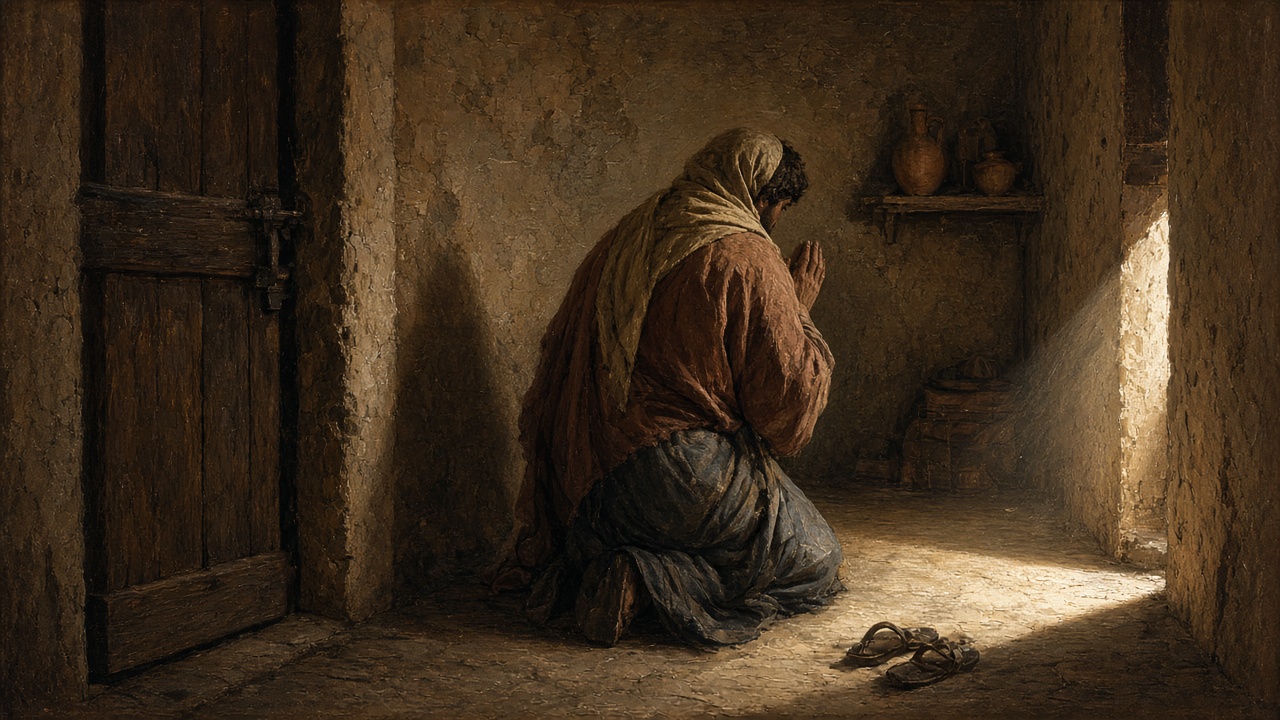
5“Igiel inyin na̠ osiseiny, o̠ni̠ ko o̠ro̠ ma̠ agu̠o̠ ogbo ibhelebhel bho̠. Ezin bho̠ awa na̠ eba̠ra̠ ma̠ o̠ro̠ e̠mara d̠a̠ ru̠gala na̠ d̠a̠ aka reten bho̠ osiseiny, ma̠ agu̠o̠ ola̠ a̠nwunom ta̠ e̠bi̠gh awa. Ya̠gia̠ga̠i, awa na̠ e̠te̠i̠ epa̠ ma̠ amu̠kpe̠ d̠awa eleghemeni. 6Ya̠a̠ igiel anwa na̠ a̠siseiny, d̠ighe d̠a̠ e̠bhai̠ ma̠ a̠gugi ma̠ egugh bho̠, ma̠ a̠siseiny a̠nigha̠ ma̠ O̠we̠de̠ d̠oyom wa̠ od̠i d̠a̠ e̠wo̠gi̠na bho̠, sa̠ O̠we̠de̠ d̠oyom wa̠ na̠ abi̠gh d̠a̠ e̠wo̠gi̠na bho̠ ta̠ akpe̠ nyam. 7O̠ni̠ ko ota̠ba̠ ma̠ a̠fugh d̠a̠ a̠siseiny d̠inyin ma̠ agu̠o̠ ibhebhia̠n bho̠, ya̠ na̠ e̠ru̠ru̠an ma̠ ota̠ba̠ a̠fugh d̠a̠ a̠siseiny ta̠ a̠d̠ighi ma̠ ola̠ ta̠ o̠nagha awa. 8O̠ku̠a a̠d̠ighi be̠le̠ni̠, o̠ni̠ ko orugh agu̠o̠ awa, ezin bho̠ O̠we̠de̠ d̠inyin a̠loghom abar wa̠ na̠ akparama inyin bho̠, kisa̠ inyin ta̠ opuru i̠na.
9“O̠ku̠a a̠d̠ighi be̠le̠ni̠, onon agu̠o̠ inyin ta̠ osiseiny:
“ ‘O̠we̠de̠ d̠i̠yar wa̠ od̠i d̠a̠ ote̠nai̠ny,
A̠d̠ien d̠oyom aro̠ ma̠ ola̠ e̠tu̠tu̠,
10Irileghom d̠oyom a̠ru,
I̠to̠ d̠oyom e̠ro̠ ani̠ ma̠ i̠se̠n a̠de onon,
Ma̠ agu̠o̠ od̠i d̠a̠ ote̠nai̠ny bho̠.
11Ed̠ia̠n ya̠ eb̠la̠ ra̠d̠a̠ma̠ bho̠,
Nigha̠ i̠yar ya̠ a̠didon.
12We̠le̠mane̠ ma̠ i̠karabh d̠i̠yar,
Ma̠ agu̠o̠ i̠yar na̠ o̠we̠le̠man i̠karabh ya̠ ipa̠n ogbo na̠ ed̠ighi i̠yar bho̠.
13Ko oma̠ra̠ i̠yar omel d̠a̠ ad̠agi̠an,
Ya̠a̠, tenemeni i̠yar d̠a̠ agu̠o̠ o̠karabh o̠ni̠ bho̠.’
14Ku̠gba ma̠a̠, inyin na̠ o̠we̠le̠man i̠karabh ya̠ a̠nwunom na̠ ed̠ighi inyin, O̠we̠de̠ d̠inyin wa̠ od̠i d̠a̠ ote̠nai̠ny bho̠ ta̠ awe̠le̠man i̠karabh d̠inyin nyen. 15Ya̠a̠, ka̠ inyin o̠we̠le̠man d̠o̠ ma̠ i̠karabh ya̠ a̠nwunom na̠ ed̠ighi inyin bho̠, O̠we̠de̠ bho̠ ka̠ o̠we̠le̠man d̠o̠ ma̠ i̠karabh d̠inyin nyen.
Atu̠ghan ya̠ Igboloma̠ ma̠ One O̠ko̠i̠
16“Igiel inyin na̠ one ma̠ o̠ko̠i̠, o̠ni̠ ko o̠ku̠ru̠ru̠ ma̠ agu̠o̠ ibhelebhel a̠nwunom, ya̠ na̠ egurumeni ma̠ ra̠misigh d̠awa ma̠ oleriom a̠nwunom ma̠ awa na̠ ene ma̠ o̠ko̠i̠. Ya̠gia̠ga̠i, Ami̠ na̠ agba na̠ a̠nigha̠ inyin ma̠a̠, awa na̠ e̠te̠i̠ epa̠ ma̠ amu̠kpe̠ d̠awa. 17Ya̠a̠, igiel anwa na̠ a̠ne ma̠ o̠ko̠i̠, titila̠ ma̠ a̠misigh d̠oyom ma̠ a̠sigha̠ ma̠ elo d̠a̠ e̠mu̠ d̠oyom, 18Agu̠o̠ ola̠ anwa ko oleriom d̠o̠ ma̠ a̠nwunom ma̠a̠ anwa na̠ a̠ne ma̠ o̠ko̠i̠, ya̠a̠ O̠we̠de̠ d̠oyom ku̠ku̠m wa̠ o̠bi̠gh d̠o̠ bho̠. Sa̠ O̠we̠de̠ d̠oyom wa̠ na̠ abi̠gh d̠a̠ e̠wo̠gi̠na bho̠ ta̠ akpe̠ nyam.
Koko ma̠ I̠di̠ar Edim d̠a̠ Ote̠nai̠ny
19“O̠ni̠ ko okoko ma̠ i̠di̠ar edim d̠inyin d̠a̠ a̠de onon, esi wa̠ ad̠u̠i̠ny na̠ o̠sari̠ ta̠ e̠pi̠e̠gi̠, sa̠ aru̠gba ta̠ eb̠ogion ed̠igh ka̠ eb̠ighogh bho̠. 20Ya̠a̠, ikoko ma̠ i̠di̠ar edim d̠inyin d̠a̠ ote̠nai̠ny, esi wa̠ ad̠u̠i̠ny bo̠d̠o̠ o̠sari̠ ko o̠pi̠e̠gi̠ d̠o̠, sa̠ aru̠gba ko ob̠ogion d̠o̠ ed̠igh ka̠ eb̠ighogh bho̠. 21Esi wa̠ i̠di̠ar edim d̠oyom od̠i bho̠, i̠se̠ esi ologi d̠oyom ta̠ aro̠.
22“Ekpo a̠d̠ien bha̠ ato̠di̠ ozu o̠ni̠. O̠ku̠a a̠d̠ighi be̠le̠ni̠, ku̠gba ma̠ ekpo a̠d̠ien d̠oyom aghu̠a, eb̠la̠ ozu d̠oyom ta̠ amar awar. 23Ya̠a̠, ku̠gba ma̠ ekpo ad̠ien d̠oyom na̠ a̠b̠oma̠n, eb̠la̠ ozu d̠oyom ta̠ aro̠ d̠a̠ azi̠m. Ebula̠ o̠ku̠a, ku̠gba ma̠ e̠b̠alab̠al wa̠ od̠i d̠a̠ ozu d̠oyom bho̠ na̠ a̠ten azi̠m, o̠ku̠a ka̠ azi̠m bho̠ ta̠ aro̠ eka̠?
A̠zib̠a̠ na̠ Okpoki
24“O̠ni̠ ola̠ ta̠ a̠rue aro̠ ma̠ ob̠a̠ra̠motu ta̠ i̠wal a̠nwunom aru̠mu̠ bo̠. Ezin bho̠, i̠na ta̠ a̠ghel odi sa̠ ta̠ a̠tula̠n uwed̠i, bo̠d̠o̠ ta̠ a̠zuruna̠ ma̠ eghoiy a̠nigha̠ ma̠ odi, sa̠ ta̠ ab̠agh e̠mu̠ a̠nigha̠ ma̠ uwed̠i. O̠ni̠ ka̠ orue d̠o̠ ako̠l A̠zib̠a̠ na̠ okpoki.
I̠ku̠nu̠ na̠ I̠nyo̠gho̠nyo̠gh
25“Ebula̠ o̠ku̠a, Ami̠ na̠ agba na̠ a̠nigha̠ inyin, o̠ni̠ ko o̠nyo̠gho̠ghan a̠ghud̠um d̠inyin ma̠ egboloma̠ ma̠ abar ola̠ od̠e, bo̠d̠o̠ abar ola̠ o̠d̠a, bo̠d̠o̠ ipulupul ozu bho̠, na̠ abar ola̠ o̠lagha. A̠ghud̠um na̠ olei d̠o̠ ma̠ abar a̠pu ma̠ ed̠ia̠n, sa̠ ozu olei d̠o̠ ma̠ abar a̠pu ma̠ ibura̠, ke̠re̠? 26Ikpone ma̠ ed̠ighom a̠ghud̠um i̠nu̠r ya̠ na̠ e̠bhe̠bh d̠a̠ anyu̠ bho̠. Awa igbebh d̠o̠, bo̠d̠o̠ ib̠u d̠o̠, bo̠d̠o̠ ikpol d̠o̠ nyen ed̠ia̠n eguri d̠a̠ esi eko, ya̠a̠ O̠we̠de̠ d̠inyin wa̠ od̠i d̠a̠ ote̠nai̠ny bho̠ na̠ a̠koko awa. Inyin ulei d̠a̠ ma̠ abar opu awa ke̠re̠? 27A̠nyen inyin ola̠ ta̠ a̠rue a̠bhin d̠a̠ i̠nyo̠gho̠ghan alo̠gho̠m bebina̠ ekud̠i obhel d̠a̠ a̠ghud̠um d̠o̠yo̠ bho̠?
28“Ya̠a̠, inyin na̠ o̠nyo̠gho̠ghan ere na̠ ogboloma̠ ma̠ ibura̠? I̠mare̠ ma̠ ekpon ra̠lele ya̠ od̠i d̠a̠ e̠sala bho̠, ma̠ agu̠o̠ awa na̠ ebhin e̠su̠. Awa igir d̠o̠ ma̠ i̠kparakpar ogir, ikpogh d̠o̠ ma̠ i̠di̠ar nyen. 29Ya̠a̠, Ami̠ na̠ agba na̠ a̠nigha̠ inyin ma̠a̠ Aso̠lo̠mo̠n eka̠, d̠a̠ eb̠la̠ isosorogia̠n d̠o̠yo̠, na̠ obura̠ d̠o̠ ma̠ ibura̠ ya̠ ibhon ile̠i ita̠ odi i̠se̠. 30Sa̠ ku̠gba ma̠ A̠zib̠a̠ na̠ a̠buri ma̠ i̠gho̠gho̠ ya̠ od̠i ma̠ a̠didon d̠a̠ e̠sala bho̠, sa̠ o̠nyi̠ obhel sa̠ na̠ orobh na̠ o̠lo̠gh d̠a̠ e̠ba anya bho̠, I̠na ka̠ oburi d̠a̠ inyin a̠pu ma̠ o̠ku̠a ke̠re̠? Inyin ogbo ya̠ ologi ima̠ra̠ o̠ghu̠a d̠o̠ bho̠! 31Ebula̠ o̠ku̠a, ka̠ o̠nyo̠gho̠ghan efugh ma̠a̠, ‘I̠yar ta̠ od̠e ma̠ ere?’ Bo̠d̠o̠, ‘Ta̠ o̠d̠a ma̠ ere?’ Bo̠d̠o̠ ‘Ta̠ o̠lo̠gi̠an ere?’ 32Ezin bho̠ eb̠la̠ i̠nye̠n, bha̠ i̠di̠ar ya̠ ibhebhia̠n bho̠ na̠ ewia̠n o̠te̠i̠ bho̠, ya̠a̠ O̠we̠de̠ d̠inyin d̠a̠ ote̠nai̠ny a̠loghom ma̠ a̠bhon inyin o̠te̠i̠ eb̠la̠ i̠di̠ar i̠ye̠. 33Ya̠a̠, abar wa̠ abu̠gh a̠pu bho̠, bha̠ iwia̠ne ma̠ o̠te̠i̠ irileghom ta̠ A̠zib̠a̠, na̠ a̠ghud̠um igielake̠ ta̠ A̠zib̠a̠, sa̠ ta̠ o̠lo̠gho̠m eb̠la̠ i̠di̠ar i̠nye̠n onigha̠ inyin. 34O̠ku̠a a̠d̠ighi be̠le̠ni̠, o̠ni̠ ko o̠nyo̠gho̠ghan egboloma̠ ma̠ agu̠o̠ elegien ta̠ aro̠. Ezin bho̠, elegien na̠ agu̠o̠ ta̠ anyo̠gho̠ghan a̠gboloma̠ ma̠ agu̠o̠ i̠na ta̠ aro̠. Ezin bho̠ e̠mu̠ a̠d̠a̠ma̠ i̠se̠ a̠wuna̠ ma̠ i̠nyo̠ngho̠yo̠ngh iya̠ o̠yo̠.
Did you know?
Secret righteousness and trust
- This chapter is part of the Sermon on the Mount. An event listing dates that sermon to AD 28 and records it as lasting one day.Sources: Sermon on the Mount · the Bible text itself
- Jesus says not to sound a trumpet in the synagogues and streets when giving to the needy, as the hypocrites do in order to be honored. He also warns against praying on street corners to be seen and against fasting with a disfigured face; instead, he describes praying in an inner room with the door shut, and fasting with an anointed head and a washed face.Sources: the Bible text itself
- Jesus says that not even Solomon in all his glory was adorned like one of the lilies of the field. A dictionary entry explains that his Hebrew name, Shelomoh, means “Peaceful,” that he was David’s son by Bathsheba, and that Nathan called him Jedidiah, “beloved of the Lord”; his reign is recorded in 1 Kings 1–11 and 2 Chronicles 1–9.Sources: the Bible text itself · Solomon
Notes written with AI assistance from open sources (Theographic Bible Metadata, CC BY-SA 4.0; Easton’s Bible Dictionary, public domain) and reviewed before publishing.
Credits and license for this translation
Abureni NT Portions
Abureni: Abureni NT Portions (New Testament)
copyright © 2022 Luke Initiative for Scripture Translationand The Seed Company
Language: (Abureni)
Contributor: The Seed Company
This translation is made available to you under the terms of the
Creative Commons Attribution Share-Alike license 4.0.
You have permission to share and redistribute this Bible translation in any format and to make reasonable revisions and adaptations of this translation, provided that:
You include the above copyright and source information.
If you make any changes to the text, you must indicate that you did so in a way that makes it clear that the original licensor is not necessarily endorsing your changes.
If you redistribute this text, you must distribute your contributions under the same license as the original.
Pictures included with Scriptures and other documents on this site are licensed just for use with those Scriptures and documents.
For other uses, please contact the respective copyright owners.
Note that in addition to the rules above, revising and adapting God's Word involves a great responsibility to be true to God's Word. See Revelation 22:18-19.
2025-07-02
Source: http://ebible.org/mgj/ · eBible.org