Luke 15
Abureni NT Portions · Tap a verse to see its cross-references.
A̠sidogh o̠nana wa̠ a̠bhe bho̠
1Odi a̠d̠a̠ma̠, igun ma̠ otua̠-ebhugh na̠ id̠ighi ma̠ i̠karabh a̠nwunom na̠ ekokod̠ia̠n na̠ ekin A̠zizo̠s ma̠ o̠nagha atu̠ghu̠me̠ni̠ d̠o̠yo̠. 2Ya̠a̠ a̠nwunom Afarisi bho̠ na̠ ogbo atu̠ghu̠me̠ni̠ oloko ta̠ A̠mozizi bho̠, i̠ro̠ ma̠ i̠se̠ na̠ eghunuma̠ ma̠a̠, “O̠ni̠ onon na̠ ada ma̠ id̠ighi ma̠ i̠karabh na̠ a̠bhin, sa̠ i̠na na̠ a̠d̠igh na̠ awa na̠ a̠d̠ed̠ia̠n.”
3Sa̠ A̠zizo̠s a̠rogh a̠sidogh onon a̠nigha̠ awa ma̠a̠: 4“Obhin o̠tu̠o̠m ma̠ odi o̠ni̠ inyin a̠nwuna̠ ma̠ o̠lo̠gh ro̠nana ya̠ ilei i̠wal e̠wala na̠ a̠d̠usubh (100), sa̠ odi o̠nana bho̠ a̠bhe, i̠na ko o̠we̠le̠ d̠o̠ ma̠ i̠wal e̠wala na̠ d̠iobh na̠ esugho (99) ro̠nana iyed̠i d̠a̠ e̠sala bho̠, agi̠ ka̠ abho̠ro̠ghan o̠nana wa̠ a̠bhe bho̠ ke̠re̠? 5Igiel i̠na abi̠gh o̠nana bho̠, i̠na ta̠ a̠bhin a̠libhon ologi a̠b̠eton o̠nana bho̠ ale̠ti̠an d̠a̠ o̠kpalu̠ma d̠o̠yo̠ a̠rol a̠bhin a̠yel. 6Igiel i̠na na̠ a̠misi d̠a̠ otu, i̠na ta̠ a̠kokod̠i ma̠ ra̠tologha̠n d̠o̠yo̠, na̠ ogbo ya̠ na̠ erugh na̠ etua̠n i̠na bho̠ agba ma̠a̠, ‘Id̠ighe na̠ ami̠ ma̠ ebhon ologi, ezin bho̠, ami̠ na̠ abi̠gh o̠nana d̠ami̠ wa̠ a̠bhe bho̠.’ 7Ami̠ na̠ agba na̠ a̠nigha̠ inyin ma̠a̠, onin agu̠o̠ bho̠ ibo d̠a̠ ote̠nai̠ny d̠a̠ ebula̠ onin od̠ighi ma̠ i̠karabh o̠ni̠ ola̠ a̠tiba̠ra̠, ta̠ epu ma̠ ibo d̠a̠ ebula̠ i̠wal e̠wala na̠ d̠iobh na̠ esugho (99) a̠nwunom ya̠ na̠ e̠b̠ab̠ala bho̠.
A̠sidogh okpoki wa̠ a̠bhe bho̠
8“Bo̠d̠o̠, ani̠ ola̠ a̠nwuna̠ ma̠ d̠iobh adrakma sa̠ odi a̠bhe. I̠na ko o̠su̠o̠m d̠o̠ ma̠ ato̠di̠, a̠gber otu bho̠, a̠bhin obhel abho̠ro̠ghan tu̠tu̠n i̠na ta̠ abi̠gh ke̠re̠? 9Igiel i̠na abi̠gh okpoki bho̠, i̠na ta̠ a̠bhelegi ma̠ ra̠tologha̠n d̠o̠yo̠, na̠ ogbo ya̠ na̠ erugh na̠ etua̠n i̠na bho̠ agba ma̠a̠, ‘Id̠ighe na̠ ami̠ ma̠ ebhon ologi, ezin bho̠ ami̠ na̠ abi̠gh okpoki d̠ami̠ wa̠ a̠bhe bho̠.’ 10Onin agu̠o̠ bho̠, ami̠ na̠ agba na̠ a̠nigha̠ inyin ma̠a̠, ibo od̠i d̠a̠ esa̠d̠io itileduom ta̠ A̠zib̠a̠, ka̠ od̠ighi ma̠ i̠karabh o̠ni̠ a̠tiba̠ra̠.”
A̠sidogh obhebhia̠n o̠nyi̠ bho̠
11Sa̠ A̠zizo̠s a̠rogh opa̠n a̠sidogh amar agba a̠mutiom ma̠a̠, “Odi o̠ni̠ aro̠ ma̠ ola̠ a̠nwuna̠ i̠wal anwi̠i̠ny. 12Sa̠ o̠gbara bho̠ a̠fugh a̠nigha̠ ma̠ o̠we̠de̠ d̠awa ma̠a̠, ‘O̠we̠de̠ d̠ami̠, ru̠gi̠ ma̠ ad̠i̠a d̠oyom ma̠ a̠nigha̠ ami̠ ma̠ a̠bin d̠ami̠.’ Sa̠ o̠we̠de̠ bho̠ aru̠gi̠ ma̠ i̠di̠ar ya̠ i̠na a̠nwuna̠ bho̠ a̠nigha̠ ma̠ i̠wal awa.
13“Na̠ obia̠ d̠o̠, sa̠ o̠gbara bho̠ a̠kokod̠i ma̠ eb̠la̠ i̠di̠ar d̠o̠yo̠, sa̠ a̠bhin a̠b̠etina̠ ma̠ e̠gi̠ d̠a̠ opa̠n ebhugh ola̠ a̠gbeiny, sa̠ a̠rugh ado̠l i̠te̠i̠ a̠d̠e ma̠ eb̠la̠ e̠li̠la d̠o̠yo̠ ma̠ iyobh. 14Igiel bho̠ i̠na na̠ a̠d̠e ma̠ eb̠la̠ ikpoki d̠o̠yo̠ amado̠n bho̠, sa̠ o̠ko̠i̠ ed̠ia̠n a̠sor d̠a̠ eb̠la̠ ebhugh bho̠, sa̠ e̠kparama ado̠l ate̠i̠ i̠na. 15Ebula̠ o̠ku̠a sa̠ i̠na agi̠ ka̠ ate̠i̠ odi o̠nyi̠ eghun ebhugh bho̠, ma̠ onigha̠ o̠yo̠ ma̠ ogir. Sa̠ o̠ni̠ bho̠ a̠ruom i̠na ma̠ o̠gi̠ ka̠ okponom roporopo d̠o̠yo̠. 16Sa̠, o̠ko̠i̠ a̠d̠ighi i̠na ate̠i̠ esi ola̠, i̠na ra̠ a̠nwuna̠ ma̠ e̠d̠o̠gh od̠e ani̠ ed̠ia̠n ya̠ roporopo bho̠ na̠ ed̠e bho̠, ya̠a̠ o̠ni̠ ola̠ a̠nigha̠ i̠na bebina̠ abar od̠e na̠ o̠ro̠ d̠o̠.
17“Igiel bho̠ i̠na ra̠ a̠loghoma̠n ozu bho̠, sa̠ i̠na ma̠a̠, ‘I̠ni̠ ma̠ rob̠a̠ra̠motu ya̠ o̠we̠de̠ d̠ami̠ ako̠ ma̠ ogir ogir onigha̠ o̠yo̠, ya̠ o̠te̠i̠ d̠o̠ ma̠ ed̠ia̠n ed̠e esughieni bho̠? Ya̠a̠ ami̠ od̠i ma̠ enen na̠ a̠mugh o̠ko̠i̠! 18Ami̠ ta̠ a̠ten a̠yel ka̠ ate̠i̠ o̠we̠de̠ d̠ami̠ a̠fugh a̠nigha̠ i̠na ma̠a̠: O̠we̠de̠, ami̠ na̠ a̠gir i̠karabh a̠gboloma̠ ma̠ anwa na̠ ote̠nai̠ny. 19Ami̠ i̠kpe̠ mu̠ ma̠ o̠ro̠ o̠nyi̠ d̠oyom. Bhine ami̠ ma̠ a̠guri ma̠ agu̠o̠ odi ob̠a̠ra̠motu ola̠ anwa i̠ko̠.’ 20Sa̠ i̠na a̠b̠etina̠ agi̠ ka̠ ate̠i̠ o̠we̠de̠ d̠o̠yo̠.
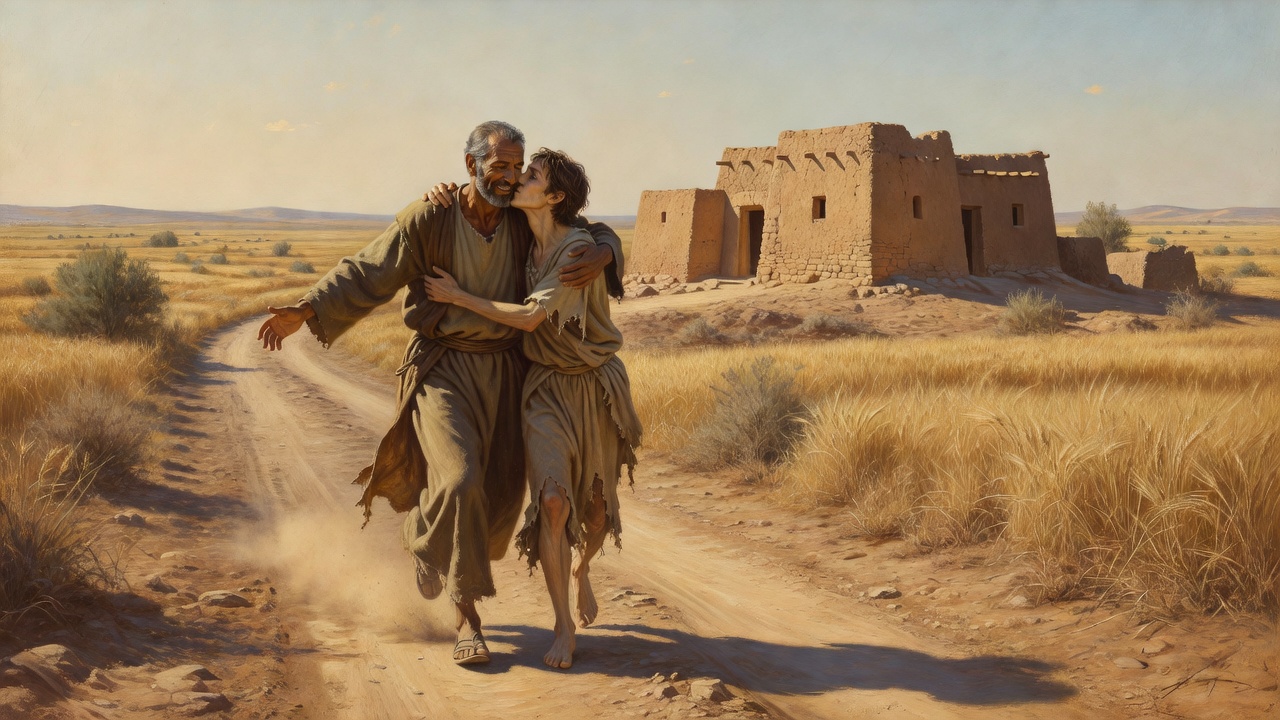
“I̠na od̠id̠ia̠ ma̠ esi egbeiny sa̠ o̠we̠de̠ d̠o̠yo̠ abi̠gh ka̠ i̠na na̠ a̠ru, sa̠ igbirigbir na̠ etula̠n o̠nyi̠ bho̠ isibh i̠na, sa̠ i̠na a̠ghil agi̠ ka̠ ate̠i̠ o̠nyi̠ bho̠ sa̠ a̠b̠ola̠n i̠na.
21“Sa̠ o̠nyi̠ bho̠ a̠fugh a̠nigha̠ ma̠ o̠we̠de̠ d̠o̠yo̠ ma̠a̠, ‘O̠we̠de̠, ami̠ na̠ a̠gir i̠karabh a̠gboloma̠ ma̠ anwa na̠ ote̠nai̠ny. Ami̠ i̠kpe̠ mu̠ ma̠ o̠ro̠ o̠nyi̠ d̠oyom.’
22“Sa̠, o̠we̠de̠ bho̠ a̠fugh a̠nigha̠ ma̠ rob̠a̠ra̠motu d̠o̠yo̠ ma̠a̠, ‘I̠nu̠re̠! Ibhine ma̠ akapa wa̠ a̠bhon a̠pu bho̠ ma̠ eburi i̠na, ma̠ e̠lo̠gh a̠gulu d̠a̠ ad̠u̠nu̠ agu̠o̠ d̠o̠yo̠, ma̠ e̠lo̠gi̠ i̠na ma̠ ragbaka. 23Ibhine ma̠ e̠nam e̠nu̠m bho̠ ma̠ eru ra̠ egigh, sa̠ ta̠ od̠e ma̠ e̠yal obhon ologi. 24Ezin bho̠, o̠nyi̠ d̠ami̠ onon a̠mugh a̠mugha̠ sa̠ a̠mula̠ a̠ru d̠a̠ a̠ghud̠um i̠se̠n; i̠na a̠bhe a̠bha̠ sa̠ na̠ o̠bi̠gh i̠na ma̠ i̠se̠n.’ Sa̠ awa i̠ke̠ ma̠ od̠e e̠yal bho̠.
25“D̠a̠ onin obhel wa̠ i̠nye̠n na̠ emite bho̠, okei o̠nyi̠ bho̠ aro̠ d̠a̠ ed̠um na̠ a̠gir ogir. Igiel bho̠ i̠na na̠ a̠mula̠ na̠ a̠yel na̠ a̠tua̠n otu d̠awa bho̠, sa̠ i̠na amu̠gho̠n okoroko a̠ma̠ti na̠ aso̠r na̠ i̠gba. 26Sa̠ i̠na a̠bhelegi ma̠ odi ob̠a̠ra̠motu bho̠ a̠pura̠n abar wa̠ na̠ a̠mite bho̠. 27Sa̠ i̠na awo̠ran ma̠a̠, ‘Umor d̠oyom na̠ a̠mula̠ a̠ru, sa̠ o̠we̠de̠ d̠oyom a̠gigh e̠nam e̠nu̠m bho̠ sa̠ na̠ o̠ghe̠re̠ghu̠o̠m. Ezin bho̠, i̠na na̠ a̠mula̠ a̠ru d̠a̠ a̠ghud̠um na̠ alu̠kpo̠ a̠luzu.’
28“Sa̠ ologi ta̠ okei umor bho̠ a̠gurom sa̠ i̠na a̠gin od̠igh d̠a̠ ologi otu. Sa̠ o̠we̠de̠ d̠o̠yo̠ a̠mite agi̠ ka̠ ale̠gh i̠na. 29Sa̠, i̠na awo̠ran o̠we̠de̠ d̠o̠yo̠ ma̠a̠, ‘Kpone! Eb̠la̠ rala i̠nye̠n ya̠ ami̠ na̠ a̠gir a̠nigha̠ ma̠ anwa ma̠ agu̠o̠ ogoni bho̠, a̠d̠a̠ma̠ ola̠ ami̠ i̠pi̠o̠m i̠to̠to̠gi̠ d̠oyom na̠ o̠ro̠ d̠o̠. O̠ku̠a eka̠, a̠d̠a̠ma̠ ola̠ anwa inigha̠ ami̠ bebina̠ o̠nyi̠ ewel ola̠ obhin od̠igh na̠ ra̠tologha̠n d̠ami̠ od̠e e̠yal na̠ o̠ro̠ d̠o̠. 30Ya̠a̠, o̠nyi̠ d̠oyom onon wa̠ agi̠ ka̠ a̠d̠e ma̠ e̠li̠la d̠oyom iyobh na̠ id̠eme̠ma a̠mula̠ a̠ru bho̠, sa̠ anwa igigh e̠nam e̠nu̠m bho̠ inigha̠ i̠na!’
31“Sa̠ o̠we̠de̠ d̠o̠yo̠ a̠fugh a̠nigha̠ i̠na ma̠a̠, ‘O̠nyi̠ d̠ami̠, anwa od̠i na̠ ami̠ ma̠ eb̠la̠ igiel. Kabarkabar ola̠ ami̠ inwuna̠, oloyom. 32Akpe̠ i̠yar od̠e e̠yal obhon ologi. Ezin bho̠, umor d̠oyom onon a̠mugh a̠mugha̠ sa̠ a̠mula̠ a̠ru d̠a̠ a̠ghud̠um, i̠na a̠bhe a̠bha̠ sa̠ na̠ o̠bi̠gh i̠na.’ ”
Did you know?
Lost and Found
- Tax collectors and sinners were gathering around to listen to Jesus, and the Pharisees and scribes began to grumble that he welcomes sinners and eats with them. Jesus then told them parables about a lost sheep, a lost silver coin, and a lost son.Sources: the Bible text itself
- Teaching and healing in Perea to Jerusalem is recorded as starting in AD 30 with a duration of one day.Sources: Teaching and Healing in Perea to Jerusalem
Notes written with AI assistance from open sources (Theographic Bible Metadata, CC BY-SA 4.0; Easton’s Bible Dictionary, public domain) and reviewed before publishing.
Credits and license for this translation
Abureni NT Portions
Abureni: Abureni NT Portions (New Testament)
copyright © 2022 Luke Initiative for Scripture Translationand The Seed Company
Language: (Abureni)
Contributor: The Seed Company
This translation is made available to you under the terms of the
Creative Commons Attribution Share-Alike license 4.0.
You have permission to share and redistribute this Bible translation in any format and to make reasonable revisions and adaptations of this translation, provided that:
You include the above copyright and source information.
If you make any changes to the text, you must indicate that you did so in a way that makes it clear that the original licensor is not necessarily endorsing your changes.
If you redistribute this text, you must distribute your contributions under the same license as the original.
Pictures included with Scriptures and other documents on this site are licensed just for use with those Scriptures and documents.
For other uses, please contact the respective copyright owners.
Note that in addition to the rules above, revising and adapting God's Word involves a great responsibility to be true to God's Word. See Revelation 22:18-19.
2025-07-02
Source: http://ebible.org/mgj/ · eBible.org