Ephesians 4
Abureni NT Portions · Tap a verse to see its cross-references.
Od̠igh onin d̠a̠ Akrai̠st
1O̠ku̠a a̠d̠ighi be̠le̠ni̠, ami̠ wa̠ od̠i d̠a̠ ikoli d̠a̠ ebula̠ Wa̠nwuna̠ bho̠, na̠ akpo̠me̠ni̠ ma̠ rologi d̠inyin ma̠ orugh a̠ma̠rugh ya̠ isora̠n agu̠o̠ ubhin ubhelegi inyin bho̠, 2d̠a̠ ibom o̠ki̠ri̠me̠ni̠ ozu, na̠ ekima̠, na̠ a̠ma̠ne ya̠ odi ta̠ a̠ne ma̠ odi d̠a̠ ebula̠ etula̠n. 3Iwia̠ne ma̠ o̠ro̠ onin d̠a̠ E̠mu̠gh bho̠, ma̠ agu̠o̠ ola̠ ekima̠ ta̠ aro̠ ma̠ abar wa̠ akpu̠o̠m inyin bho̠. 4Onin ozu na̠ onin E̠mu̠gh od̠i, ma̠ agu̠o̠ ubhelegi inyin nyen ra̠ ud̠ighom d̠a̠ onin eb̠em ologi bho̠, 5onin Wa̠nwuna̠, onin ologi ima̠ra̠, onin owura̠mu̠m, 6onin A̠zib̠a̠ na̠ O̠we̠de̠ ta̠ eb̠la̠ i̠yar, wa̠ a̠pu kabar kabar bho̠, sa̠ na̠ awo̠l d̠a̠ eb̠la̠ a̠nwunom d̠o̠yo̠ na̠ a̠gir eb̠la̠ i̠di̠ar bho̠, sa̠ na̠ a̠rugh d̠a̠ eb̠la̠ i̠yar.
7Ya̠a̠, Akrai̠st a̠nigha̠ ko̠ni̠ ko̠ni̠ i̠yar enigha̠ ya̠ o̠ni̠ o̠ni̠ ta̠ a̠rue a̠bhin a̠gir e̠kal ogir d̠o̠yo̠. 8Obha̠ ezin bho̠ u̠ge̠ d̠a̠ A̠d̠ire E̠tu̠tu̠ bho̠ ma̠a̠,
“Ogiel bho̠ i̠na a̠bhun d̠a̠ anyu̠ bho̠,
sa̠ i̠na a̠bhin i̠di̠ar e̠ne̠ghe̠ d̠a̠ agu̠o̠ ogbo ikoli e̠gham bho̠ a̠nigha̠ ma̠ a̠nwunom d̠o̠yo̠.”
9I̠se̠n ka̠ “I̠na a̠bhun,” ka̠ a̠ma̠ra̠ eka̠, a̠sigimeni ma̠ o̠ro̠ ma̠a̠, i̠na a̠sor d̠a̠ agba wa̠ ade̠bh a̠pu d̠a̠ a̠de bho̠? 10I̠na wa̠ a̠sor bho̠ bha̠ uwa̠ a̠bhun bho̠ a̠pel eb̠la̠ re̠nai̠ny bho̠ nyen, ma̠ omuzo eb̠la̠ e̠mara̠nwunom bho̠. 11I̠na bha̠ wa̠ aso̠n idi ma̠ ogbogir, idi a̠riwil, idi i̠gba ma̠ asu̠gbagba, idi ikponom ma̠ a̠nwunom ta̠ A̠zib̠a̠, na̠ i̠tu̠ghu̠me̠ni̠ ma̠ atu̠ghu̠me̠ni̠, 12ma̠ agu̠o̠ ola̠ o̠ghu̠ame̠ni̠ a̠nwunom ta̠ A̠zib̠a̠ d̠a̠ ogir olo ozu ta̠ Akrai̠st obhuneni bho̠, 13tu̠tu̠n ta̠ o̠te̠i̠ a̠dila̠de ola̠ eb̠la̠ i̠yar ta̠ oten onin d̠a̠ ologi ima̠ra̠ bho̠, o̠mar ologhom O̠nyi̠ ta̠ A̠zib̠a̠, na̠ o̠mar od̠igh e̠mu̠ olegha̠n ka̠ Akrai̠st. 14Sa̠ i̠yar ko o̠ro̠ mu̠ ma̠ agu̠o̠ i̠gbara anwi̠i̠ny, iya̠ ipoka̠na̠n amu̠m na̠ eb̠oroghom, na̠ a̠bhin na̠ agi̠ ma̠ ebha̠ na̠ enen d̠a̠ a̠d̠ien kere kere oghur atu̠ghu̠me̠ni̠, na̠ i̠le̠ge̠ na̠ ikoiny ogbo ya̠ na̠ egon ogelemeni a̠nwunom. 15Kpe̠le̠me̠ni̠ bha̠ i̠yar obhin d̠a̠ etula̠n o̠gba ma̠ iya̠ a̠ga̠i bho̠, sa̠ i̠yar ta̠ obhobh d̠a̠ eb̠la̠ re̠kal o̠ro̠ ma̠ agu̠o̠ Akrai̠st we̠mu̠ bho̠. 16Ad̠u̠a d̠o̠yo̠ sa̠ u̠tu̠lu̠gi̠ ma̠ eb̠la̠ a̠risisi ozu bho̠ na̠ id̠id̠igh uguri ma̠ onin, sa̠ esi i̠se̠ na̠ a̠gir agu̠o̠ u̠to̠ unigha̠ i̠na ma̠ ogir bho̠, b̠o̠ka̠ ozu bho̠ a̠bhobh, aghu̠a, a̠muzo na̠ etula̠n.
Omom A̠ghud̠um d̠a̠ Akrai̠st
17O̠ku̠a a̠d̠ighi be̠le̠ni̠, ami̠ na̠ a̠bhin d̠a̠ a̠d̠ien ta̠ Wa̠nwuna̠ bho̠ na̠ akparame̠ni̠ na̠ agba na̠ a̠nigha̠ inyin ma̠a̠, ob̠eton i̠se̠n o̠gi̠ d̠a̠ ed̠ia̠, o̠ni̠ ko orugh mu ma̠ agu̠o̠ a̠nwunom ya̠ o̠ro̠ d̠o̠ ma̠ anwi̠i̠ny a̠rughun A̠zu na̠ erugh bho̠, ya̠ na̠ ebhin agu̠o̠ awa eb̠em ologi o̠ro̠ d̠o̠ bho̠ na̠ e̠su̠su̠ghu̠d̠i̠an. 18Awa irue d̠o̠ ma̠ o̠mu̠gho̠nyan abar, ma̠ ola̠ awa na̠ esigima̠ d̠a̠ a̠ghud̠um wa̠ A̠zib̠a̠ na̠ a̠nigha̠ ma̠ a̠nwunom bho̠. Ezin bho̠, awa iloghom d̠o̠ ma̠ a̠ga̠i abar, d̠a̠ ebula̠ o̠kparakpar ologi d̠awa. 19Awa inwuna̠ mu ma̠ igbiriri ozu, ma̠ ola̠ awa na̠ eb̠eton a̠ruzu d̠awa enigha̠ ma̠ a̠d̠ien kere kere i̠karabh, na̠ a̠ma̠rugh o̠ku̠ku̠. 20Ya̠a̠, i̠nye̠n i̠di̠ar ya̠ inyin u̠tu̠ghan ugboloma̠ ma̠ Akrai̠st bho̠ d̠o̠, 21ku̠gba ma̠a̠, inyin o̠mar o̠mu̠gho̠n i̠di̠ar ya̠ igboloma̠ i̠na bho̠, sa̠ i̠na atu̠ghu̠me̠ni̠ inyin a̠gia̠ga̠i ya̠ od̠i na̠ A̠zizo̠s bho̠, 22bha̠ i̠si̠ghe̠ ma̠ ado̠l ugba̠iny o̠ni̠ wa̠ obhon d̠o̠ bho̠ ma̠ erobh, ya̠ i̠d̠u̠a d̠a̠ i̠karabh ebhiroma̠ igelemeni iru bho̠. 23E̠mu̠gh bho̠ a̠nwe ma̠ i̠ru̠ru̠an d̠inyin a̠tenemeni ma̠ imom, 24ma̠ erugh a̠ma̠rugh emobh o̠ni̠ ola̠ ed̠ighiom i̠di̠ar bho̠ i̠gu̠b̠an ita̠ A̠zib̠a̠, d̠a̠ a̠ga̠i e̠b̠ab̠ala, na̠ igielake̠.
25O̠ku̠a a̠d̠ighi be̠le̠ni̠, i̠we̠le̠mane̠ ma̠ o̠gba igunugha̠, ya̠a̠ odi agba ma̠ iya̠gia̠ga̠i a̠nigha̠ ma̠ odi, ezin bho̠ eb̠la̠ i̠yar onin d̠a̠ Akrai̠st. 26Inyin ta̠ orue o̠gam i̠gam, ya̠a̠ i̠gam bho̠ od̠ighi d̠o̠ ma̠ ola̠ inyin ta̠ ogir i̠karabh. I̠gam bho̠ o̠ro̠ d̠o̠ tu̠tu̠n ogogo bho̠ ta̠ a̠sor. 27O̠ni̠ ko onigha̠ ma̠ Eru bho̠ ma̠ e̠ti̠ti̠gha. 28O̠ni̠ ola̠ na̠ a̠rugh ado̠l a̠b̠igh ob̠igh mu, ya̠a̠ a̠bhin aru̠gu̠o̠ d̠o̠yo̠ akparame̠ni̠ a̠gir ogir ola̠ asu̠o̠, b̠o̠ka̠ i̠na ate̠i̠ abar ola̠ onigha̠ ani̠ o̠ni̠ ola̠ a̠dila̠de bho̠ na̠ a̠puru ma̠ o̠lo̠gh agu̠o̠. 29I̠karabh a̠fugh omite d̠o̠ d̠a̠ aru̠nu̠ d̠inyin. Kpe̠le̠me̠ni̠ bha̠ aro̠ ma̠ ob̠eb̠i abar ola̠ ta̠ akpo̠me̠ni̠ ma̠ rologi ogbo ya̠ i̠mu̠gho̠n bho̠, sa̠ ta̠ ed̠igh asu̠o̠ enigha̠ awa. 30O̠ni̠ ko od̠ighi ma̠ ola̠ E̠mu̠gh E̠tu̠tu̠ ta̠ A̠zib̠a̠ ta̠ a̠d̠igh i̠ku̠nu̠, i̠na wa̠ aro̠ ma̠ elegh wa̠ A̠zib̠a̠ na̠ a̠bhin na̠ a̠lelegi ma̠a̠ inyin iya̠ o̠yo̠ bho̠, na̠ oleriom ma̠a̠ inyin ta̠ oten d̠a̠ a̠d̠a̠ma̠ itenemeni bho̠. 31I̠si̠ghe̠ ma̠ eb̠la̠ igurumia̠n ologi, na̠ ibom i̠gam, na̠ i̠karabh ebhiroma̠, izul o̠te̠i̠ abar onyen, na̠ a̠fugh i̠basi̠, na̠ ado̠l o̠lo̠gi̠an a̠d̠ien, sekina̠ eghir ologi d̠a̠ a̠ghud̠um d̠inyin. 32Kpe̠le̠me̠ni̠ bha̠ odi alo̠gh agu̠o̠ a̠nigha̠ ma̠ odi, odi a̠kpon odi ma̠ igbirigbir, odi a̠kpon i̠karabh ta̠ odi asi̠ghe̠ ma̠ a̠d̠ien, ma̠ agu̠o̠ A̠zib̠a̠ atu̠n ebula̠ Akrai̠st a̠kpon i̠karabh d̠inyin asi̠ghe̠ ma̠ a̠d̠ien bho̠.
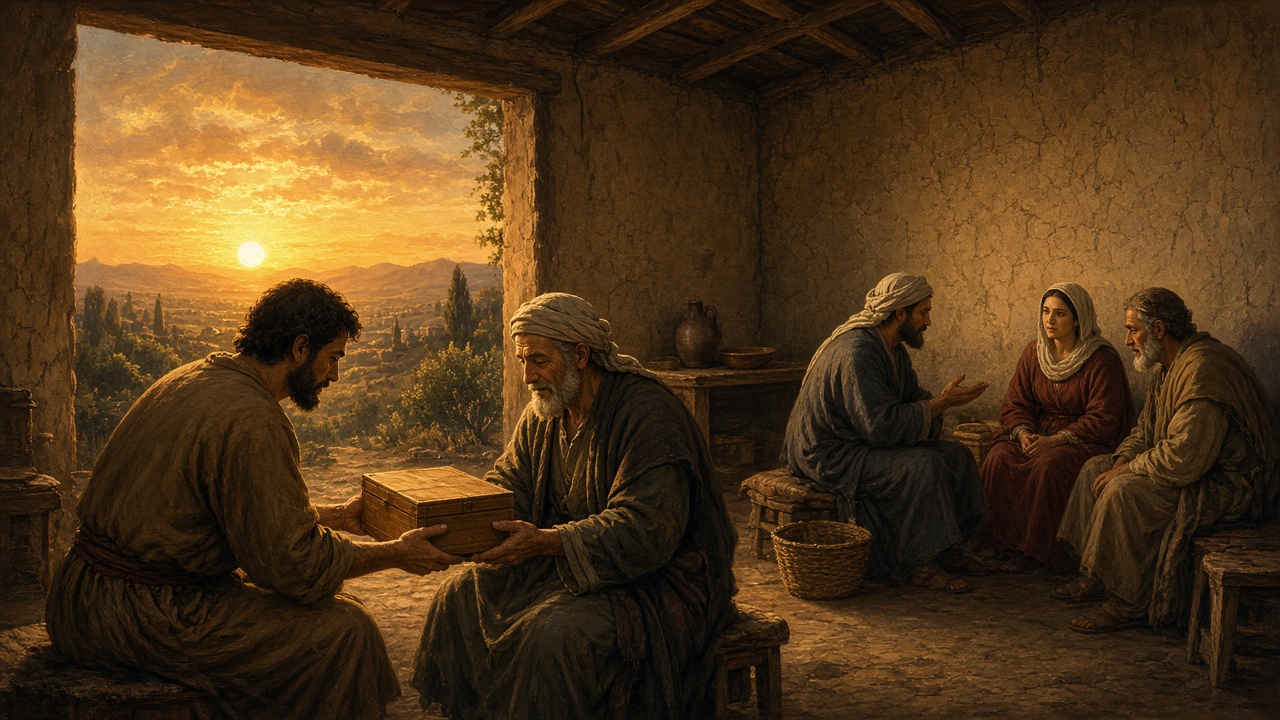
Did you know?
One Body and a Worthy Life
- The chapter opens with the writer calling himself a prisoner in the Lord and urging the readers to walk in a manner worthy of the calling they have received, with humility, gentleness, patience, and diligence to preserve the unity of the Spirit through the bond of peace.Sources: the Bible text itself
- That appeal rests on shared realities named in the chapter: one body, one Spirit, one hope, one Lord, one faith, one baptism, and one God and Father of all, who is over all and through all and in all. The same passage says that the one who ascended gave some to be apostles, some prophets, some evangelists, and some pastors and teachers, to equip the saints and build up the body.Sources: the Bible text itself
- The chapter then pictures a changed life as putting off the former way of life, the old self, and putting on the new self. It tells the readers to put away falsehood and speak truthfully, since they are members of one another; to be angry without sinning and not to let the sun set on their anger; and not to grieve the Holy Spirit of God, in whom they were sealed for the day of redemption.Sources: the Bible text itself
Notes written with AI assistance from open sources (Theographic Bible Metadata, CC BY-SA 4.0; Easton’s Bible Dictionary, public domain) and reviewed before publishing.
Credits and license for this translation
Abureni NT Portions
Abureni: Abureni NT Portions (New Testament)
copyright © 2022 Luke Initiative for Scripture Translationand The Seed Company
Language: (Abureni)
Contributor: The Seed Company
This translation is made available to you under the terms of the
Creative Commons Attribution Share-Alike license 4.0.
You have permission to share and redistribute this Bible translation in any format and to make reasonable revisions and adaptations of this translation, provided that:
You include the above copyright and source information.
If you make any changes to the text, you must indicate that you did so in a way that makes it clear that the original licensor is not necessarily endorsing your changes.
If you redistribute this text, you must distribute your contributions under the same license as the original.
Pictures included with Scriptures and other documents on this site are licensed just for use with those Scriptures and documents.
For other uses, please contact the respective copyright owners.
Note that in addition to the rules above, revising and adapting God's Word involves a great responsibility to be true to God's Word. See Revelation 22:18-19.
2025-07-02
Source: http://ebible.org/mgj/ · eBible.org