Jeremiah 2
Biblica® Ochiw Thuolo Motingʼo Loko Manyien™ · Tap a verse to see its cross-references.
Israel ojwangʼo Nyasaye
1Wach Jehova Nyasaye nobirona: 2“Dhi kendo igo milome ka Jerusalem winjo ni:
“Ma e gima Jehova Nyasaye wacho:
“ ‘Aparo kaka ne ichiwori kane in rawera,
ne ihera ka nyako moikore ne kend,
ne iluwo bangʼa kama
otimo ongoro,
e piny ma ok purie.
3Israel ne en oganda maler ne Jehova Nyasaye,
kaka olembege mokwongo chiek;
jogo duto mane okidhe nomak kaka joketho,
kendo masira nomakogi,’ ”
Jehova Nyasaye owacho.
4Winj wach Jehova Nyasaye, yaye od Jakobo,
un dhoudi duto mag dhood Israel.
5Ma e gima Jehova Nyasaye wacho:
“En ketho mane mane wuoneu oyudo kuoma,
momiyo ne gibaro mabor koda?
Negiluwo bangʼ nyiseche manono
mi gibedo manono gin giwegi.
6Ne ok gipenjo ni, ‘Ere Jehova Nyasaye,
mane ogolowa Misri,
kendo otelonwa e thim ma ok nyag gimoro,
ka wakalo piny motwo kod piny motimo bugni,
piny ongoro kod mudho,
piny maonge ngʼama wuothoe,
kendo onge ngʼama odakie?’
7Ne akelou e piny momewo
mondo ucham olembege kod nyak mage momewo.
To ne ubiro mi unjawo pinya
kendo umiyo girkeni maga obedo gima odwanyore.
8Jodolo ne ok openjo,
‘Ere Jehova Nyasaye?’
Jogo matiyo gi chik ne ok ongʼeya;
jotelo nongʼanyona.
Jonabi nokoro gi Baal,
ka giluwo nyiseche manono.”
9Jehova Nyasaye wacho niya,
“Emomiyo abiro kumou kendo.
Bende abiro kumo nyikwau.
10Dhiuru loka e dho nembe mag Kitim
kendo ungʼigi kaka gichalo,
bende oruru ji Kedar mondo ginon maber;
mondo gine anena ka gima chal kama nosebetie:
11Bende ogendini oseloko nyiseche nyaka nene?
(Kata kamano bende ok gin nyiseche.)
To joga osewilo duongʼ mar Nyasachgi,
gi nyiseche manono maonge tiendgi.
12Kuom mano, agolonu chik, un polo,
mondo uyiengni malich, kuwuoro kendo kudhier nono,”
Jehova Nyasaye owacho.
13“Joga osetimo richo ariyo:
Gisejwangʼa,
an thidhna mar pi ngima,
kendo gisekunyo degnigi giwegi,
degni mobarore kendo ma ok nyal tingʼo pi.
14Bende Israel en jatich,
ngʼat monywol ka misumba?
Kare en angʼo momiyo iyake?
15Sibuoche oseruto;
kendo gisemorne.
Giseketho pinye;
dalane owangʼ kendo odongʼ gunda.
16Bende, jo-Memfis gi jo-Tapanhes
oselielo osimbo mar wiyi.
17Donge usekelo ma kuomu uwegi,
ka ujwangʼo Jehova Nyasaye ma Nyasachu,
kane otelonu e yo?
18Koro angʼo momiyo udhi Misri
mondo umodh pi moa Shihor?
Kendo angʼo momiyo udhi Asuria
mondo umodh pi moa e Aora?
19Timbeu maricho biro kelonu kum;
wech mane uweyago ema biro kelonu kum.
Nonuru kendo ubiro ngʼeyo malongʼo,
kaka en gima rach kendo lit ne un uwegi,
ka ujwangʼo Jehova Nyasaye ma Nyasachu,
kendo ubedo maonge kode gi luor kata matin,”
Ruoth Nyasaye ma en Jehova Nyasaye Maratego, owacho kamano.
20“Chon gi lala ne ituro jok magi
kendo ichodo rateke motweyigo;
kiwacho ni, ‘Ok anatini!’
Adier, ewi gode matindo duto
kendo e bwo yiende motimo otiep,
ninindo piny ka jachode.
21Ne apidhoi kaka mzabibu mar kodhi,
moyier makare kendo manyak.
Kara ere kaka ne iweya mi idonjo e timbe moduwore,
kendo ichalo gi mzabibu mar bungu.
22Kata bedni ilwoko lweti gi magadi
kendo itiyo gi sabun mangʼeny,
chilo mar ketho mari pod nitiere e nyima,”
Jehova Nyasaye Manyalo Gik Moko Duto owacho.
23“Ere kaka diwachi ni,
‘Ok adwanyora; pod ok aringo aluwo bangʼ Baal?’
Par kaka ne itimori e holo; par gima isetimo.
In ngamia ma nyako ma rikni maringo ka gi kacha,
24punda mar thim mongʼiyo gi kama otwo,
ma ngʼweyo yamo kodwaro thuondi;
en ngʼa madigengʼe?
Onge thuon manyalo thagore
ka dware nikech yude yot ka kinde miringo kode ochopo.
25Kik iringi nyaka tiendi dongʼ
nono kendo dwondi two.
To ne iwacho, ‘Onge tiende!
Ahero nyiseche mag pinje mamoko,
kendo nyaka aluw bangʼ-gi.’ ”
26“Kaka jakuo wiye kuot ka omake,
omiyo od Israel wiye okuot,
gin gi ruodhigi kod jotendgi,
jodolo mag-gi kod jonabi mag-gi.
27Giwachone yien ni,
‘In wuonwa,’ kendo ne kidi ni,
‘In ema ne inywola.’
Giselokona ngʼegi to ok wengegi,
to sa ma gin e thagruok, giwacho niya,
‘Bi kendo ireswa!’
28Kare ere nyisecheu mane uloso ne un uwegi?
We mondo gibi ka ginyalo resou ka un e thagruok!
Nimar un gi nyiseche mangʼeny,
mana kaka un gi dala mangʼeny, yaye Juda.”
29“Angʼo momiyo ungʼadona bura? To un duto
usengʼanyona,”
Jehova Nyasaye ema owacho.
30“Kum mane akumogo jou nobedo kayiem nono;
kendo ne ok gilokore.
Liganglani osekidho jonabi magi mana
kaka sibuor modenyo.”
31Un tiengʼ masani,
paruru wach mar Jehova Nyasaye mawacho niya:
“Bende asebedo piny motwo ne Israel kata
ka piny motimo mudho mandiwa?
Angʼo momiyo joga wacho kama:
‘Wan thuolo mondo waba abaya; ok wanabi iri kendo?’
32Bende miaha diwiye wil gi gik molichorego,
kata nyako midhi kendo gi lepe mag kisera?
Joga to wigi osewil koda, odiechienge ma ok kwan.
33Mano kaka in gi lony e dwaro hera!
Kata mana mon ma timbegi richo,
nyalo somo timbegi.
34Remb joma odhier ma unego
yudore e lepu,
kata obedo nine ok umakogi ka gituro uteu.”
To kuom magi duto,
35iwacho ni, “ ‘Aonge ketho,
kendo iye ok owangʼ koda.’
To abiro ngʼadoni bura
nikech iwacho ni, ‘Pod ok atimo richo.’
36Angʼo momiyo ilworori mangʼeny kiloko yoreni?
Ibiro kuod wiyi gi Misri kaka nokuod wiyi gi Asuria.
37Bende ubiro aa kanyo gi lweteu ka uketo ewiu,
nimar Jehova Nyasaye osedagi joma ugeno kuomgi;
ok ginikonyu.”
Did you know?
Israel's Forgotten Devotion
- In Jeremiah 2:10, the prophet contrasts Cyprus (Chittim) in the western Mediterranean with Kedar, representing the nomadic Arab tribes to the east in the Arabian desert. By referencing these opposite geographic horizons, the text emphasizes that not even surrounding pagan nations exchanged their traditional deities.Sources: the Bible text itself · Cyprus · Kedar
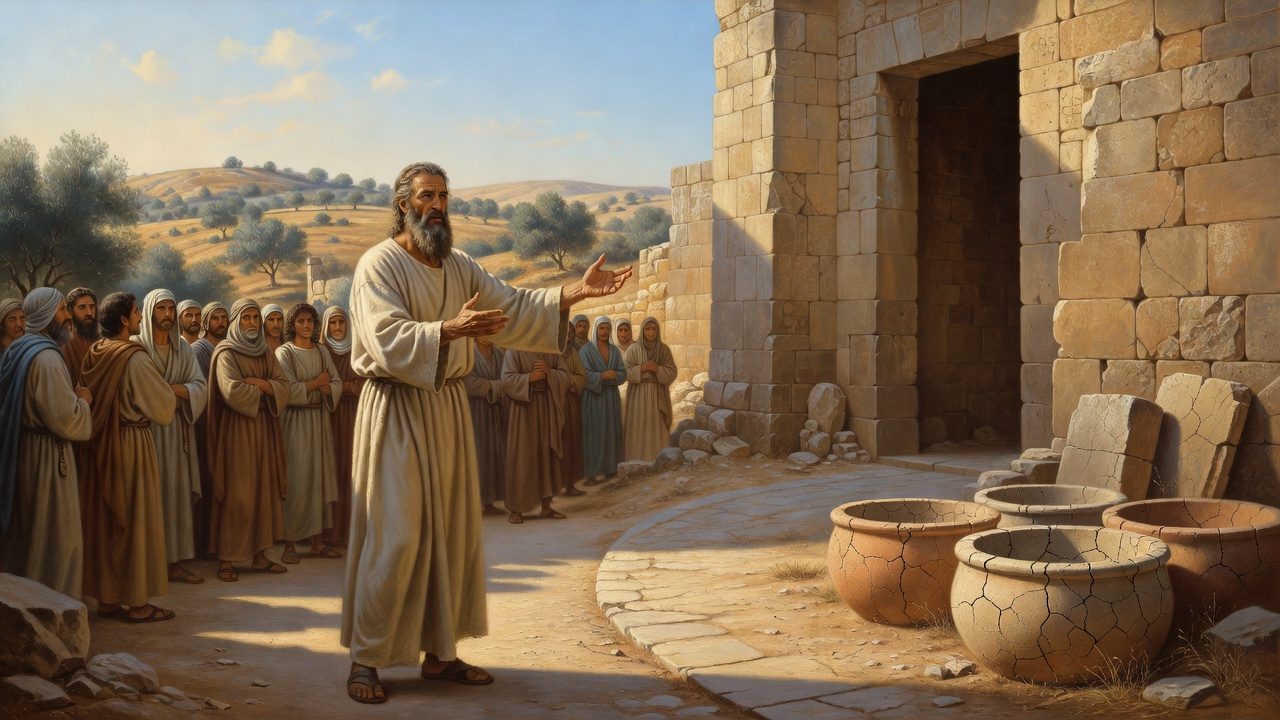
- The references to Memphis (Noph) and drinking the waters of the Nile and Euphrates highlight Judah's unstable political reliance on Egypt and Assyria. Jeremiah compares trusting foreign military powers to abandoning a fountain of fresh water in order to dig cracked, leaky cisterns.Sources: the Bible text itself · Memphis · Egypt · Assyria
- The rebuke against running after the 'Baals' uses the plural form for local cults of Baal, the chief male deity of the Phoenicians. The worship of Baal had repeatedly infiltrated Israel and Judah, frequently taking place on high hills and in sacred groves.Sources: the Bible text itself · Baal
Notes written with AI assistance from open sources (Theographic Bible Metadata, CC BY-SA 4.0; Easton’s Bible Dictionary, public domain) and reviewed before publishing.
Places in this chapter
- Jerusalem · 31.777, 35.234 · verse 2
- Egypt · 30.129, 31.308 · verses 6, 18, 36, 37
- Cyprus · 35.000, 33.000 · verse 10
- Kedar · 29.811, 39.868 · verse 10
- Memphis · 29.849, 31.253 · verse 16
- Tahpanhes · Today: Tell Defenneh · 30.861, 32.171 · verse 16
- Assyria · 36.359, 43.153 · verses 18, 36
- Euphrates · Today: Euphrates River · 31.004, 47.442 · verse 18
- Nile · Today: Nile River · 31.465, 30.367 · verse 18
- Valley of Hinnom · Today: Hinnom Valley · 31.769, 35.228 · verse 23
Only places identified with high confidence are shown (90% or more according to the scholarly sources compiled by OpenBible). Period map: DARE (Digital Atlas of the Roman Empire), CC BY 4.0; modern map: © OpenStreetMap contributors; places: OpenBible.info (CC BY 4.0).
Credits and license for this translation
Biblica® Ochiw Thuolo Motingʼo Loko Manyien™
Dholuo: Biblica® Ochiw Thuolo Motingʼo Loko Manyien™ (Bible)
copyright © 2020 Biblica, Inc.
Language: Dholuo
Translation by: Biblica, Inc.
Biblica® Open New Luo Translation™
Copyright © 1980, 2002, 2003, 2020 by Biblica, Inc.
Used with permission. All rights reserved worldwide.
“Biblica” is a trademark registered in the United States Patent and Trademark Office by Biblica, Inc. Used with permission.
All content on open.bible is made available under a Creative Commons Attribution-ShareAlike 4.0 License ( http://creativecommons.org/licenses/by-sa/4.0/ ).
You are free to:
Share — copy and redistribute the material in any medium or format
Adapt — remix, transform, and build upon the material for any purpose, even commercially
Under the following conditions:
Attribution — You must attribute the work as follows: “Original work available for free at www.biblica.com and open.bible” Attribution statements in derivative works should not in any way suggest that we endorse you or your use of this work.
ShareAlike — If you remix, transform, or build upon the material, you must distribute your contributions under the same license as the original.
Use of trademarks: Biblica® is a trademark registered in the United States Patent and Trademark Office by Biblica, Inc. and may not be included on any derivative works. Unaltered content from open.bible must include the Biblica® trademark when distributed to others. If you alter the content in any way, you must remove the Biblica® trademark before distributing your work.
This translation is made available to you under the terms of the
Creative Commons Attribution Share-Alike license 4.0.
You have permission to share and redistribute this Bible translation in any format and to make reasonable revisions and adaptations of this translation, provided that:
You include the above copyright and source information.
If you make any changes to the text, you must indicate that you did so in a way that makes it clear that the original licensor is not necessarily endorsing your changes.
If you redistribute this text, you must distribute your contributions under the same license as the original.
Pictures included with Scriptures and other documents on this site are licensed just for use with those Scriptures and documents.
For other uses, please contact the respective copyright owners.
Note that in addition to the rules above, revising and adapting God's Word involves a great responsibility to be true to God's Word. See Revelation 22:18-19.
2025-05-10
Source: http://ebible.org/luo/ · eBible.org