Luke 24
Ibibemuwe-Num Iyiki Ifa Ru Dũya · Tap a verse to see its cross-references.
Isisok ra akpe
1Ru unum inggbaashia ri inuma utɔɔva, ri igɔ̃kpeka, akatsɛrh ha anyanga abinkɛ umbɔ aka agbisha azĩmbɔ ru udzaka. 2Umbɔ akpo utarh ukpuku utsim ru udzaka uku ugɔ̃rhũkpɔ. 3Bɔr umbɔ aka atsĩ, umbɔ asi inyãmbɔ ukom Uteijee Uyesu. 4Umbɔ ana awe ri idzeu ifɛrhɛ ha, kanying inera ivaa idɛ̃ɛ̃ ikhapa ru umbɔ, itsim atorho aka aterha ake arhang ru nyaki ishaa unum. 5Akatsɛrh ha agũ iwei na asũrhã atsimbɔ ra abĩ, aner ha agɔr umbɔ agɛ, <<Awu use utsu umbi abee uner urhɛ ra abika akpukpe? 6Unga ashia nggimi, unga aka asoka! Aka ayitu ubinkpi unga aka adɛyiwa umbi, unga aka awu nggu umbi ru Ugarhirhi. 7Agɛ awu ufang umbɔ aka idzowe Ungwɛ̃-Ner ra abi arhim, umbɔ anyapuwe unga nu igãrhãmau ucucii, ru unum untaar unga awuri isoka ikɛi.>> 8Mɔcɛ umbɔ ayitu irhɛmnga.
9Ivangyɛ umbɔ aka apfuri ra anang udzaka abambɔ asɔme abɔrɔ udom hã (11), angwɛ̃ imesanga, nu irhɛ abɔɔ ifɛrha ha. 10Awu umbɔ Umaryamu Umagadarha, nggu Uyowana, nu Umaryamu uyisa Uyaku, nu akatsɛrh abɔɔ aka awu nggu umbɔ, umbɔ asɔme abi itser Uyesu ifɛrha ha. 11Bɔr umbɔ asi ibemumbɔ idzidzɛrhe akatsɛrh ha, ubinkutsu umbɔ anyanga arherhe ha awu isheri itsi. 12Bɔr Ubitru asok atĩ azĩã ru udzaka, agba apfu, na anyã atorho ukpekũ, na abvui azĩã adzeidzeu ifɛrha ha iki iwe.
Nú utsĩndĩ Uimawu
13Ru unum hã ikɛi inera ivaa abika adɔsu Uyesu aka azɛ̃rhã awuri izĩ ungwɛ̃rhũ uteu ukpɔɔ ugburh Uimawu. Iderkpɔ iyongge akirhomita usɔka nu unying uzĩ Urusharhima. 14Umbɔ anu irherhe nggu adɔka ru ubɛn ubinkpi uku ukorhe. 15Umbɔ aka adɛ̃ɛ̃ irherha arherhe ifɛrhɛ ha nggu adɔkambɔ, Uyesu nibikanga adzeka aba azɛ̃rhã nggu umbɔ. 16Bɔr Uyesu asi ibeenga umbɔ ahwɛng ugɛ awu unga.
17Unga arhusa umbɔ agɛ, <<Umbi azɛ̃rhã na ani irherhu use ikivarhambi?>>
Umbɔ atsurha adɛ̃ɛ̃, unyɛ̃ɛ̃mbɔ ughɔrhe. 18Unying itsoka igburh Ukirhiyoba, arhusa unga agɛ, <<Awu ungo ikiyikango uwu utsen ru Urusharhima ungo uku usi ihwɛngngo ifɛrha ha iki ikorhe umɔ inum iyɛrɛ?>>
19Unga arhusa umbɔ agɛ, <<Ifɛrhu use?>>
Umbɔ agɛ, <<Arherhu Uyesu uner Unazarat, uner uwuku usɔm Arherhu-Num, uner ijee ra arherhe nu ikikorhe ra asu Unum na anera kishoo. 20Ikɛi ateiya abika adzowe idɛm-Num nu anggbaashi abɔɔ aka adzowe unga ra abi ijee Uroma, umbɔ atsuke unga ufai akpe, na anyapuwe unga nu igãrhãmau ucucii. 21Bɔr umɛn ifosa ugɛ unga awuri ifai Uisrairha. Utoma rimi, ifɛrha ha iki ikorhe kishoo unum untaar nukpi. 22Utoma rimi, akatsɛrhmɛn abɔɔ adzaa umɛn idzeu. Umbɔ azĩmbɔ ru udzaka ri igɔ̃ ukpea ukpirɛ, 23bɔr umbɔ asi ikpombɔ ukom iyornga. Umbɔ asok aba agɔr umɛn ugɛ umbɔ anyãmbɔ irhi, ípfu itser-Num igɔr umbɔ igɛ awu nggu urhɛ. 24Mɔcɛ abimɛn abɔɔ asok azĩmbɔ ru udzaka azĩ anyã rimi hã ru nyaka akatsɛrh ha aka arherhe, bɔr umbɔ asi inyãmbɔ unga.>>
25Unga agɔr umbɔ agɛ, <<Umbi adzunu use umbi rimi, amɛnmbi adɔ̃rhũ use rimi, ri iwe ru imangmang abinkɛ kishoo abika asɔm Arherhu-Num aka arherhe! 26Asi iwea ufang Ukiristo aka ihwa ayetnum ri ifɛrha ha na atsĩ ri ikpikpoinga?>> 27Na atirhi ru imesu Umusa nu iyi abika asɔm Arherhu-Num kishoo, asɔme umbɔ arherhe akirakɛ aka awe ri itsinga ri itsɛng Arherhu-Num kishoo.
28Umbɔ aka ayoku ungwɛ̃rhũ uteu ha umbɔ aka izĩ, unga akorhe ugɛɛ unga awuri itɔng. 29Umbɔ angipa unga agɔr agɛ, <<Usei nggu umɛn, unuma aka amaanga.>> Nggee unga azĩ asesa nggu umbɔ.
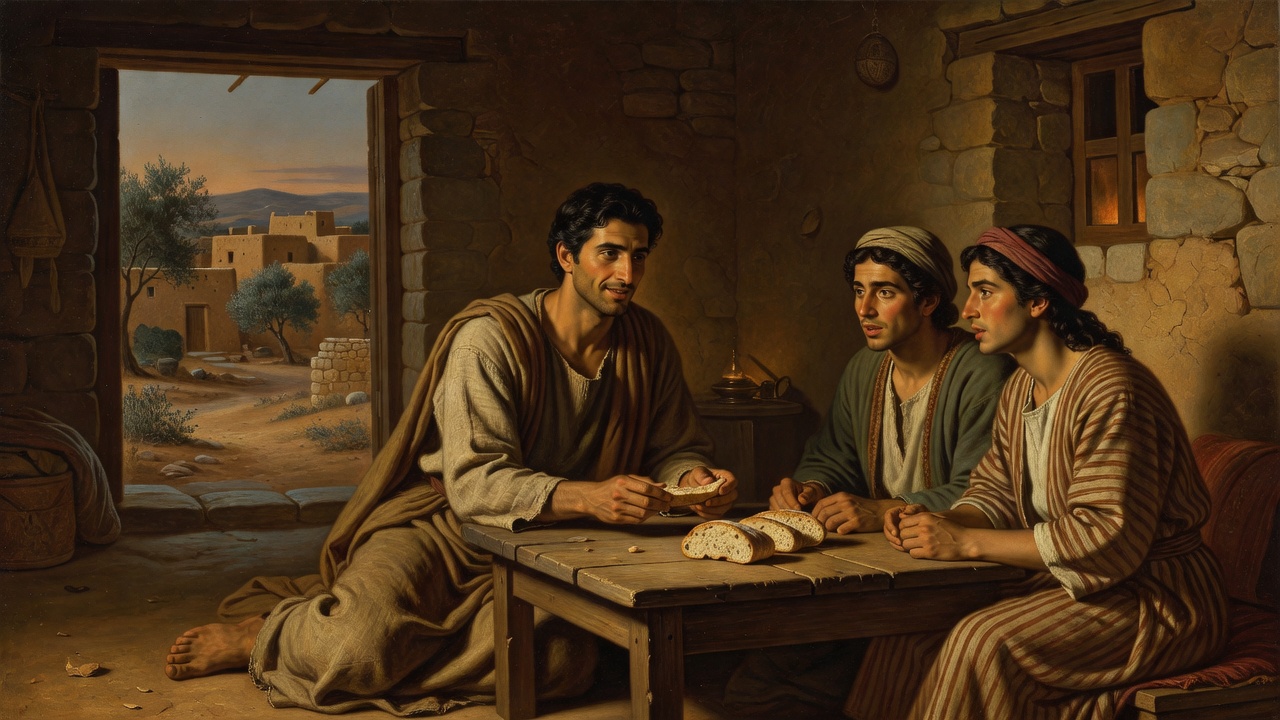
30Ivangyɛ unga aka asei igha ubingha nggu umbɔ, unga anyangu uborodi, atar uwɛɛ adzowe Unum, na atsɔka adzowe umbɔ. 31Mɔcɛ asumbɔ ayanga, umbɔ ahwɛng unga ikɛi, nu unga agwira ri inyĩnyãmbɔ. 32Umbɔ arhusa adɔkambɔ agɛ, <<Anggɔm asi itsu amɛnmɛn ayiruke ri ivangyɛ unga aka arherhe arherhe nggu umɛn ru utsĩndĩ na amesuwa umɛn itsɛng Arherhu-Num?>>
33Kanying umbɔ asok azĩmbɔ Urusharhima, umbɔ azĩ akpo abɔrɔ udom hã (11) ananga unying na abirabɛ aka awu nggu umbɔ. 34Anu igɔr agɛ, <<Awu idzidzɛrhe! Uteijee aka asoka, adzekanga ru Usiman!>> 35Mɔcɛ umbɔ ikivarhambɔ adzowe isarhe ubinkpi uku ukorhe ru utsĩndĩ, ru nyaka umbɔ aka ahwɛng Uyesu ri itsɔku uborodi.
Uyesu adzeka ra angwɛ̃ imesanga
36Ivangyɛ umbɔ aka adɛ̃ɛ̃ irherha arherhe ifɛrha ha, akpurha anyã Uyesu akapɛng adɛ̃ɛ̃ ra ateumbɔ, na agɔr umbɔ agɛ, <<Ididɔɔr iwe nggu umbi.>>
37Bɔr umbɔ agbipa iwei ifɛr umbɔ, umbɔ akaifɛrhkɔ agɛ umbɔ anyã imãrhã. 38Unga agɔr umbɔ agɛ, <<Awu use utsu umbi agũ iwei, awu use umbi anu icang ikɛi ra amɛnmbi? 39Àka arhi abokmum, nu adakmum. Awu umum nibikami! Àka abanga umum agũ. Imãrhã ishingge ri ijuɛ nggu apfupfu ru nyaka umbi aka agũ ru umum.>>
40Ivangyɛ unga aka arherhe rimi, unga adɛyiwe umbɔ aboknga nu adaknga. 41Bɔr umbɔ ana acang ra amɛnmbɔ, ri itsi anggɔm nu idzeu akarhãrhã, unga arhusa umbɔ agɛ, <<Umbi awembi ru ubingha ri nggimi?>> 42Umbɔ adzowe unga awushu ubɛrh uwuku uvum. 43Unga ayɛi atãi ra asumbɔ.
44Unga agɔr umbɔ agɛ, <<Arherhamum ha rakɛ, umum iki idɛyiwa umbi rimɔ̃ɔ̃ umum iki iwu nggu umbi. Ugɛ awu ufang abina kishoo aka itsuafɛr ri itsimum umbɔ aka atsɛng ri Íkpem Umusa, nu abvur abika asɔm Arherhu-Num, nu Ambom.>>
45Mɔcɛ unga ayanguwe amɛnmbɔ umbɔ ahwɛng itsɛng Arherhu-Num. 46Unga agɔr umbɔ agɛ, <<Itsɛng hã iyɛ iki itsɛng igɛ awu ufang Ukiristo aka ihwa ayetnum na asoka ra akpe ru unum untaar. 47Ni igɛ idzidzipa nu itsũwe arhim awuri idzowe isarhangge ri itsoknga, ra abĩã kishoo, awuri itirhi ru Urusharhima. 48Awu umbi awuri idekuwe anera ifɛrha iyɛrɛ. 49Umum iwuri idenukũ ubinkpi Utɛmum aka abemuwa, bɔr aka adãrhã ru utepa utsɛku umbi aka iyɛi ijee iyiki idzeka afã.>>
Ififũ Uyesu ra afã
50Ivangyɛ unga aka akũna umbɔ adzek azĩ akhapa ru Ubetani, unga abera aboka atsuke idorh ru umbɔ. 51Unga aka adɛ̃ɛ̃ itsuke umbɔ idorh, umɔ unga abɔruka umbɔ, ashupa unga afũmbɔ ra afã. 52Mɔcɛ umbɔ adzowe unga igɔng na apfuri azĩmbɔ Urusharhima nggu anggɔm akarhãrhã. 53Ubɛn unuma ikɛi umbɔ akɔng ru ufɔm Iya-Num anu ikpoi Unum.
Did you know?
Resurrection morning and the road to Emmaus
- Luke describes Emmaus as a village about seven miles from Jerusalem. Easton's Bible Dictionary (1897) quotes that distance as three-score furlongs and records two identifications: el-Kubeibeh, over seven miles northwest of Jerusalem, whose name, 'little dome,' comes from the remains of a Crusaders' church still found there, and Khurbet Khamasa, 'the ruins of Khamasa,' about eight miles southwest, where Crusader ruins are also found.Sources: Emmaus · the Bible text itself
- Mary Magdalene, Joanna, Mary the mother of James, and other women with them were the ones who told the apostles what had happened at the tomb. Mary Magdalene takes her name from Magdala, her birthplace, and Easton's Bible Dictionary (1897) calls it a mistake to identify her with the woman called 'a sinner' in Luke 7. Joanna, the wife of Chuza, steward of Herod Antipas, tetrarch of Galilee, was one of the women who ministered to Jesus, and the same dictionary says he appeared to her after the resurrection.Sources: Mary Magdalene · Joanna · the Bible text itself
- One of the two disciples on the road is named Cleopas, a shortened form of Cleopatros. Easton's Bible Dictionary (1897) says that nothing definite is known about him, and that it is not certain he was the Clopas of John 19:25 or the Alphaeus of Matthew 10:3, although he may have been.Sources: Cleophas · the Bible text itself
Notes written with AI assistance from open sources (Theographic Bible Metadata, CC BY-SA 4.0; Easton’s Bible Dictionary, public domain) and reviewed before publishing.
Places in this chapter
- Galilee · 32.760, 35.527 · verse 6
- Jerusalem · 31.777, 35.234 · verses 13, 18, 33, 47, 49, 52
- Nazareth · 32.702, 35.298 · verse 19
Only places identified with high confidence are shown (90% or more according to the scholarly sources compiled by OpenBible). Period map: DARE (Digital Atlas of the Roman Empire), CC BY 4.0; modern map: © OpenStreetMap contributors; places: OpenBible.info (CC BY 4.0).
Credits and license for this translation
Ibibemuwe-Num Iyiki Ifa Ru Dũya
Duya: Ibibemuwe-Num Iyiki Ifa Ru Dũya (New Testament)
copyright © 2024 Wycliffe Bible Translators, Inc.
Language: (Duya)
Translation by: Dũya Development Association
Contributor: SIL Nigeria
This translation is made available to you under the terms of the
Creative Commons Attribution Share-Alike license 4.0.
You have permission to share and redistribute this Bible translation in any format and to make reasonable revisions and adaptations of this translation, provided that:
You include the above copyright and source information.
If you make any changes to the text, you must indicate that you did so in a way that makes it clear that the original licensor is not necessarily endorsing your changes.
If you redistribute this text, you must distribute your contributions under the same license as the original.
Pictures included with Scriptures and other documents on this site are licensed just for use with those Scriptures and documents.
For other uses, please contact the respective copyright owners.
Note that in addition to the rules above, revising and adapting God's Word involves a great responsibility to be true to God's Word. See Revelation 22:18-19.
2025-05-08
Source: http://ebible.org/ldb/ · eBible.org