Hebrews 2
Ibibemuwe-Num Iyiki Ifa Ru Dũya · Tap a verse to see its cross-references.
Igbiir ato ri ingwɛ̃ amɛnmɛn
1Ri itsi akɛrɛ ha awu ufang umɛn ingwɛ̃dzɛn ni ingwɛ̃ amɛnmɛn ra abinkɛ umɛn iki igũ, utsur abin akɔɔ atsu umɛn iyapumɛn. 2Isarheyɛ umbɔ aka adzaa umɛn ra angwĩ ípfu itser-Num idɛ̃ɛ̃ ikerngge, nu ubɛn uwuku uzharhuwe ngge use asi idɔsunga ngge, akpo ufaikpi uku umɛ̃ɛ̃. 3Ngge iba iwe rimi, umɛn ikorhi iguse ni ishɔɔr umɛn ĩba isi ingwɛ̃mɛn amɛnmɛn ru nggaa ififɔrh ha umɛn iki igũ? Ififɔrh iyɛrɛ, Uteijee nibikanga agbaashia adũwã ngge, abirabɛ aka agũ ngge agɔr umɛn agɛ iwu idzidzɛrhe. 4Unum ikɛi atomuwe ngge ideka ra atsar nu abin igbigba nu idzeu nu ízũwã iyi Ipfu Isarsatangge unga aka agasha ru nyaka unga aka abee.
Uyesu awu udzumu uner
5Upfung ukpuku uba, ukpurukpi umɛn iki irherhe ri itsi ukpɔ, Unum asi ítsu ípfu itser-Num agha iyɛrhakpɔ. 6Bɔr anang akɔɔ aweke uner uwɔɔ aka adzowe ideka ri itsɛng Arherhu-Num agɛ,
<<Anera awu use ungo uku utsu umbɔ ri ifɛrhkɔngo,
awɛkaci anera awu use ungo uku udzɛu umbɔ rimi?
7Ungo utsu umbɔ awe abirabɛ ípfu itser-Num inangngge umbɔ ri ivanga ukunjiir.
Ungo ukare umbɔ ikpikpoi nu imor,
8nu utsuke ubɛn ubin ra andaidakmbɔ.>>
Ivangyɛ Unum aka itsuke abina kishoo ra andaidakmbɔ, unga asi ínekuka ubin ukpɔɔ uku usi iwekpɔ ri ijeembɔ. Bɔr icɛrɛ umɛn isi inyãmɛn ubɛn ubin uwekpɔ ri ijeembɔ. 9Bɔr umɛn inyãmɛn Uyesu uwuruwi umbɔ aka atsu ípfu itser-Num inangngge unga ri ivanga ukunjiir. Icɛrɛ umbɔ aka akare unga ikpikpoi nu imor ubinkutsu unga ahwa uver akpe, ngge itsú unga ru ubok imimutu Unum unga akpe ri iyike ubɛn unera.
10Unum unga amuna abina kishoo, abina kishoo awu akinga. Imɛ̃ɛ̃ngge unga akũ anera arhɛrhɛ aba ru umbɔ agasha ri ikpikpoinga. Unga akorha akɛrɛ ri itsu Uyesu awe undzumunga ri ihwa ayetnum na adarh umbɔ azĩ ri ififɔrh.
11Uwuku utsu anera awu asarsatambɔ nggu abirabɛ aka atsu umbɔ asar, Utɛmbɔ awu unying. Nggee Uyesu asi igũa atsa iyisa umbɔ agɛ, <<Umbi awu angwɛ̃mɛn nu anapumɛn.>> 12Unga agɔr agɛ,
<<Umum iwuri idũwũ itsokngo ra angwɛ̃mɛn nu anapumɛn,
ra asu ikikɔng anerngo
umum iwuri itsũ ubom ukpuku ukpoi ungo.>>
13Na agɛ,
<<Umum iwuri itsu imangmangmum ru unga.>>
Ikɛi unga agɔr agɛ,
<<Umum uwi nggu anerabɛ Unum aka adzaa umum.>>
14Iki iwe ugɛ abi ha awe ru ijuɛ nggu adzirh, unga awe ubina unying nggu umbɔ ri iyor, ngge itsú unga ru ubok akpenga, awuri atsĩme Undenggũ, uwuruwi aka akpɔm ijee akpe. 15Na awuri ifɔnuka abirabɛ iwei akpe iki itsu umbɔ igãrhã ru kishoo ibibɛkmbɔ. 16Awu idzidzɛrhe ugɛ unga asi ibanga iyike ípfu itser-Num, bɔr ayike anang Uibrahim. 17Ngge itsu awu ufang unga awe ru nyaka angwɛ̃mbɔ nu anapumbɔ ra atsĩndĩã kishoo, ngge itsú unga awu Ukugɔng Uwuku Udzowe Idɛm-Num uwuku utɔ̃itser Unum nggu idzidzɛrhe nu atorh, na awe idɛm iyiki itsũwe arhim anera. 18Unga imɛ̃ɛ̃ iyike kishoo abirabɛ umbɔ aka avira umbɔ, ubinkutsu unga nibikanga ahwaa ayetnum ri ivang iviviranga.
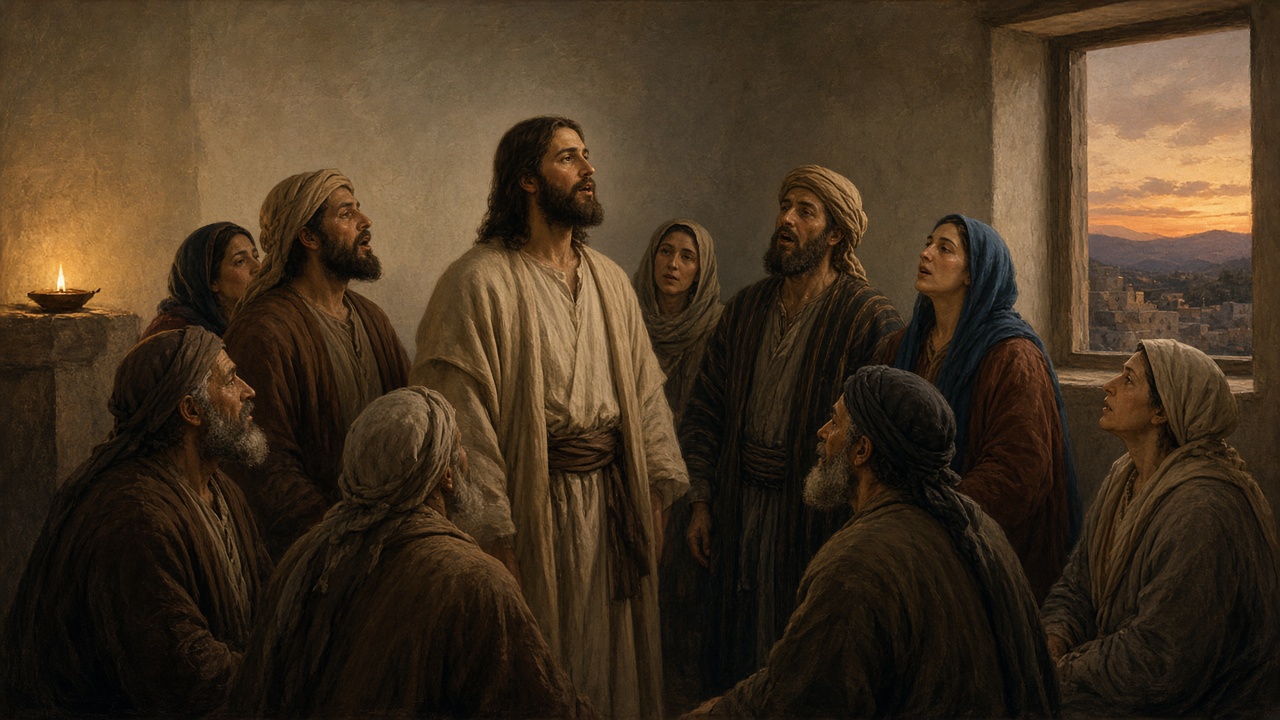
Did you know?
Sharing humanity, crowned through suffering
- Hebrews 2 recalls that the message spoken by angels was binding, and that every transgression and disobedience received its just punishment, then asks how anyone can escape who neglects so great a salvation. That salvation was first announced by the Lord, confirmed to us by those who heard him, and affirmed by God through signs, wonders, various miracles, and gifts of the Holy Spirit distributed according to his will.Sources: the Bible text itself
- The chapter quotes a testimony that man was made a little lower than the angels, crowned with glory and honor, with everything placed under his feet. When God subjected all things to him, he left nothing outside his control, yet at present we do not see everything subject to him. Jesus, made a little lower than the angels, is now crowned with glory and honor because he suffered death, so that by the grace of God he might taste death for everyone.Sources: the Bible text itself
- Hebrews 2 says Jesus helps not angels but the descendants of Abraham, and that he had to be made like his brothers in every way so that he might become a merciful and faithful high priest in service to God, to make atonement for the sins of the people. Abraham, son of Terah, is called father of a multitude and described as the heir of the promises.Sources: the Bible text itself · Abraham
Notes written with AI assistance from open sources (Theographic Bible Metadata, CC BY-SA 4.0; Easton’s Bible Dictionary, public domain) and reviewed before publishing.
Credits and license for this translation
Ibibemuwe-Num Iyiki Ifa Ru Dũya
Duya: Ibibemuwe-Num Iyiki Ifa Ru Dũya (New Testament)
copyright © 2024 Wycliffe Bible Translators, Inc.
Language: (Duya)
Translation by: Dũya Development Association
Contributor: SIL Nigeria
This translation is made available to you under the terms of the
Creative Commons Attribution Share-Alike license 4.0.
You have permission to share and redistribute this Bible translation in any format and to make reasonable revisions and adaptations of this translation, provided that:
You include the above copyright and source information.
If you make any changes to the text, you must indicate that you did so in a way that makes it clear that the original licensor is not necessarily endorsing your changes.
If you redistribute this text, you must distribute your contributions under the same license as the original.
Pictures included with Scriptures and other documents on this site are licensed just for use with those Scriptures and documents.
For other uses, please contact the respective copyright owners.
Note that in addition to the rules above, revising and adapting God's Word involves a great responsibility to be true to God's Word. See Revelation 22:18-19.
2025-05-08
Source: http://ebible.org/ldb/ · eBible.org