2 Corinthians 4
Ibibemuwe-Num Iyiki Ifa Ru Dũya · Tap a verse to see its cross-references.
Iwe ru ubin ra anui abĩ
1Awu ru ubok atorh Unum umɛn iki ikpo itser iyɛrɛ. Nggee, umɛn isi ítsũwũkumɛn amɛnmɛn. 2Umɛn ikpɛ̃mɛn ikorhu ubin atsa ri iwɔk, umɛn isi irhɛmmɛn anera use umɛn isɔm igbɛrangwĩ nggu Arherhu-Num. Unum awu idekamɛn umɛn iki irherhi idzidzɛrhe ukpekũ, ngge itsú anera awe ru imangmang ru umɛn. 3Uba Isarhe Iyiki Izeyɛ umɛn iki idũwã iwiwɔk, iwɔk ra abika atsutsĩm. 4Ushaitan, unum uwu upfung ukpirɛ aka abvurka amɛn abika asheri imangmang, ngge itsú umbɔ asi ínyãmbɔ irhirhang Isarhe Iyiki Ize iki idɛyiwe imor Ukiristo, aka awu usaka Unum. 5Umɛn isi idzowukumɛn isarhe atsimɛn, umɛn idzowe isarhe ugɛ Uyesu Ukiristo awu Uteijee. Ri itsinga umɛn iki iwe agãrhã ru umbi. 6Ngge itsu Unum uwuku ugɔr ugɛ, <<Neke irhirhang irhang ru uzĩ,>> unga atsu irhirhangnga irhang ra amɛnmɛn, itsu umɛn ihwɛng imornga. Anyã imor ha ra asu Ukiristo.
7Bɔr abin aka awe ru ugarh aki Ipfu ha atsu ake ru umɛn, abirabɛ aka awe ru nyaka anui umbɔ aka akũ abĩ adzin. Unum akorha akɛrɛ adɛyiwe ugɛ ijee iyiriyɛ iki inangngge kishoo íjee iwu iyinga isi iwengge iyimɛn. 8Umbɔ aka isaka adzaa umɛn ayetnum ru ubɛn afɛn, bɔr umbɔ asi itsu umɛn inekukumɛn itsermɛn. Ivang iyɔɔ umɛn icicang, bɔr umɛn isi itsũwũkumɛn amɛnmɛn. 9Umbɔ adzaa umɛn uver, bɔr Unum asi ibɔruka umɛn. Umbɔ akwɛr umɛn atar ra abĩ, bɔr umɛn isi ikpemɛn. 10Ubɛn ivang umbɔ akpurha abɔr ifɛre umɛn ru nyaka umbɔ aka akorhuwe Uyesu, ngge itsú umbɔ ama anyã urhɛwi uku uwe ru nyaku uwu Uyesu ru umɛn. 11Umɛn abirabɛ iki iwe ru urhɛ, umɛn ishɔɔr ra akpe ubɛn ivang, ubinkutsu umɛn iwe ru imangmang ru Uyesu, nggee umbɔ ama anyã ibibɛknga ra ayormɛn akika akpe. 12Nggee akpe atɔ̃ itser ru umɛn, bɔr urhɛ utɔ̃itser ru umbi.
13Itsɛng Arherhu-Num igɔr igɛ, <<Umum iwemum ri imangmang, nggee umum irherha arherhe.>> Umɛn iwe ru ikpũ imangmang hã, nggee umɛn irherhe igamɛn, 14ubinkutsu umɛn ihwɛngmɛn ugɛ Unum uwuku usoyiwe Uteijee Uyesu ra akpe, awuri isoyiwanga umɛn nggu Uyesu na akũna umɛn nu umbi aba ra asunga. 15Kishoo akɛrɛ unga akorhuwa umbi, ngge itsú imimutayɛ idɛ̃ɛ̃ itɛ̃rhã ima itsu anera atoma atar uwɛɛ ru Unum akarhãrhã, iyiriyɛ iki idzowe unga ikpikpoi.
16Nggee umɛn isi itsũwũkumɛn amɛnmɛn. Ayormɛn anu ikpikpe, bɔr ubɛn unum ípfumɛn ikpo iker. 17Ayetnummɛn awu ukunjiir asi ídãrhũke, ake awuri ikũwã umɛn ikpikpoi iyi ugbagbaa iyiriyɛ iki inangngge ayetnummɛn hã kishoo. 18Nggee umɛn neke itsu asu ra abinkɛ umɛn iki idɛ̃ɛ̃ inyã, bɔr umɛn itsu asu ra abinkɛ umɛn iki isi ídɛ̃ɛ̃ inyãmɛn. Ubinkutsu, abinkɛ umɛn iki idɛ̃ɛ̃ inyã, asi ídãrhũke, bɔr abinkɛ iki isi ídɛ̃ɛ̃ inyãmɛn awu aki ugbagbaa.
Did you know?
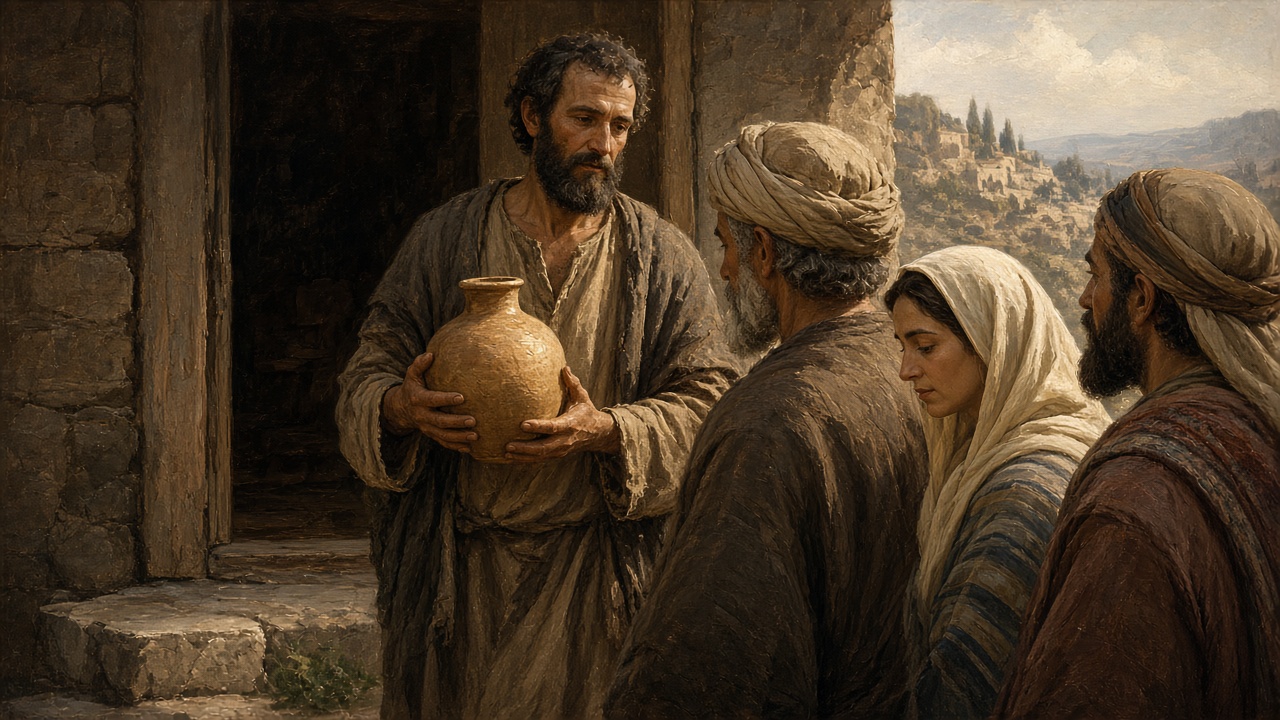
Treasure in Jars of Clay
- In this chapter the speakers say that, because God in his mercy has given them this ministry, they do not lose heart. They have renounced secret and shameful ways: they do not practice deceit or distort the word of God, but by the open proclamation of the truth they commend themselves to every person's conscience in the sight of God.Sources: the Bible text itself
- Their message is pictured as a treasure held in jars of clay, so that this surpassingly great power is shown to be from God and not from them. The same contrast runs through their hardships: hard pressed on all sides but not crushed, perplexed but not in despair, persecuted but not forsaken, struck down but not destroyed.Sources: the Bible text itself
- Light is the chapter's other central image. God, who said, "Let light shine out of darkness," is said to have shone his light in their hearts to give the light of the knowledge of the glory of God in the face of Jesus Christ. They proclaim not themselves but Jesus Christ as Lord, and themselves as servants of those they address, for Jesus' sake; if the gospel is veiled, the text says it is veiled to those who are perishing, whose minds "the god of this age" has blinded.Sources: the Bible text itself
Notes written with AI assistance from open sources (Theographic Bible Metadata, CC BY-SA 4.0; Easton’s Bible Dictionary, public domain) and reviewed before publishing.
Credits and license for this translation
Ibibemuwe-Num Iyiki Ifa Ru Dũya
Duya: Ibibemuwe-Num Iyiki Ifa Ru Dũya (New Testament)
copyright © 2024 Wycliffe Bible Translators, Inc.
Language: (Duya)
Translation by: Dũya Development Association
Contributor: SIL Nigeria
This translation is made available to you under the terms of the
Creative Commons Attribution Share-Alike license 4.0.
You have permission to share and redistribute this Bible translation in any format and to make reasonable revisions and adaptations of this translation, provided that:
You include the above copyright and source information.
If you make any changes to the text, you must indicate that you did so in a way that makes it clear that the original licensor is not necessarily endorsing your changes.
If you redistribute this text, you must distribute your contributions under the same license as the original.
Pictures included with Scriptures and other documents on this site are licensed just for use with those Scriptures and documents.
For other uses, please contact the respective copyright owners.
Note that in addition to the rules above, revising and adapting God's Word involves a great responsibility to be true to God's Word. See Revelation 22:18-19.
2025-05-08
Source: http://ebible.org/ldb/ · eBible.org