1 John 4
Ibibemuwe-Num Iyiki Ifa Ru Dũya · Tap a verse to see its cross-references.
Aviri ípfu
1A aze awɛrhɛ, àka niba awembi ri imangmang ru ubɛn ipfu, bɔr àka aviri ípfu ha anyã use idzeku Unum. Ubinkutsu abika asɔm Arherhu-Num igbɛrangwĩ arhɛrhɛ aka adzeka ru upfunga. 2Umbi awuri ihwɛng Ipfu-Num riminɛ, ubɛn ipfuyɛ iki idzowukungge ideka igɛ Uyesu Ukiristo adzeka ri iyor, ipfu ha idzeku Unum, 3bɔr ubɛn ipfuyɛ iki isi idzowukungge ideka ru Uyesu, isi idzengge ru Unum. Iyɛrɛ ha iwu iyiki ikpɛ̃ Ukiristo, iyiriyɛ umbi aka agũ ngge iki iwuri iba, icɛrɛ iki iwengge ru upfung.
4Umbi, aze awɛkaci, umbi adzeku Unum, umbi aka anangmbi umbɔ, ubinkutsu uwu ha aka awe ru umbi ananga uwuku uwe ru upfung. 5Umbɔ awe abi upfung nggee umbɔ arherhe arherhe aka adzeku upfung, upfung ukpeto ru umbɔ. 6Umɛn indzeku Unum. Abirabɛ aka ahwɛng Unum, akpeto ru umɛn, bɔr abirabɛ aka asi idzembɔ ru Unum, asi ikpembɔ ato ru umɛn. Akɛrɛ ha atsu umɛn ihwɛng Ipfu iyi idzidzɛrhe nu ipfu iyi igbɛrangwĩ.
Ibibemu Unum nu iyimɛn
7A aze awɛrhɛ, awu ufang umɛn ĩbema adɔka, ubinkutsu, ibibema idzeku Unum. Ubɛn uwuku ububema, awu Unum amar unga nu unga ahwɛnga Unum. 8Ubɛn unera aka asi ibemunga asi ihwɛnga Unum, ubinkutsu, Unum awu ibibema. 9Udĩ hã ukpi Unum aka adɛyiwa ibibemanga ru umɛn, unga aka adene unanyĩ Ungwɛ̃nga aba ru upfung ugɛ umɛn ima ibɛk ru uboknga. 10Undzumu ibibema iyɛ, Unum abema umɛn utsɛku unga aka adene Ungwɛ̃nga awu idɛm-Num iyiki itsũwe arhimmɛn, asi iwea umɛn ibemu Unum.
11A aze awɛrhɛ, ngge iki iwe ugɛ Unum abema umɛn, imɛ̃ngge umɛn ibema adɔka. 12Unera anasi inyã Unum, bɔr umɛn ĩba ibemumɛn adɔka, Unum asei ru umɛn, ibibemanga ighwɛrngge ikpũrhã ru umɛn.
13Umɛn ihwɛngmɛn ugɛ umɛn isei ru unga, nu unga asei ru umɛn, ubinkutsu, unga aka adzaanga umɛn Ipfunga. 14Umɛn inyãmɛn ni idekuwe ugɛ Utɛ unga adene Ungwɛ̃, unga awe uner Uwuku Ufɔrh upfunga. 15Unera aba adekuka ugɛ Uyesu awu Ungwɛ̃ Unum, Unum asei ru unga nu unga asei ru Unum. 16Nggee umɛn ihwɛngmɛn ni iwemɛn ri imangmang ru ibibemu Unum ru umɛn.
Unum awu ibibema. Ubɛn unera aka asei ri ibibema asei ru Unum, nu Unum ru unga. 17Ru udĩ ukpirɛ, ibibema ighwɛrngge ikpũrhã ru umɛn. Ngge ítsu umɛn iwe ru ikeramɛn ru unum ukpuku uvarha arherhe, ubinkutsu, ru upfung ukpirɛ umɛn iwe ru nyaka unga. 18Nggee, iwei ishingge ri ibibema. Bɔr ibibema iki ighwɛr ikpũrhã iwayiwe iwei, ubinkutsu, iwei iwu nggu imesuwe amɛn. Unerwi aka awe ru iwei, ibibema isi ighwɛrngge ikpũrhã ru unga.
19Umɛn ibema, ubinkutsu, unga agbaashia abema umɛn. 20Ubɛn unerwi aka agɔr agɛ, <<Umum inbemu Unum,>> na akpɛ̃ɛ̃ ungwɛ̃mbɔ use unapumbɔ, uner ha agbɛra angwĩ. Ubinkutsu, ubɛn unera aka asi ibemunga ungwɛ̃mbɔ use unapumbɔ unga aka anyã, asi ídɛ̃ɛ̃ abemunga Unum, unga aka asi inyãã. 21Unga aka adzaanga umɛn ikpem iyɛrɛ, ubɛn unera aka ubemu Unum, awu ufang unga abemu ungwɛ̃mbɔ nu unapumbɔ.
Did you know?
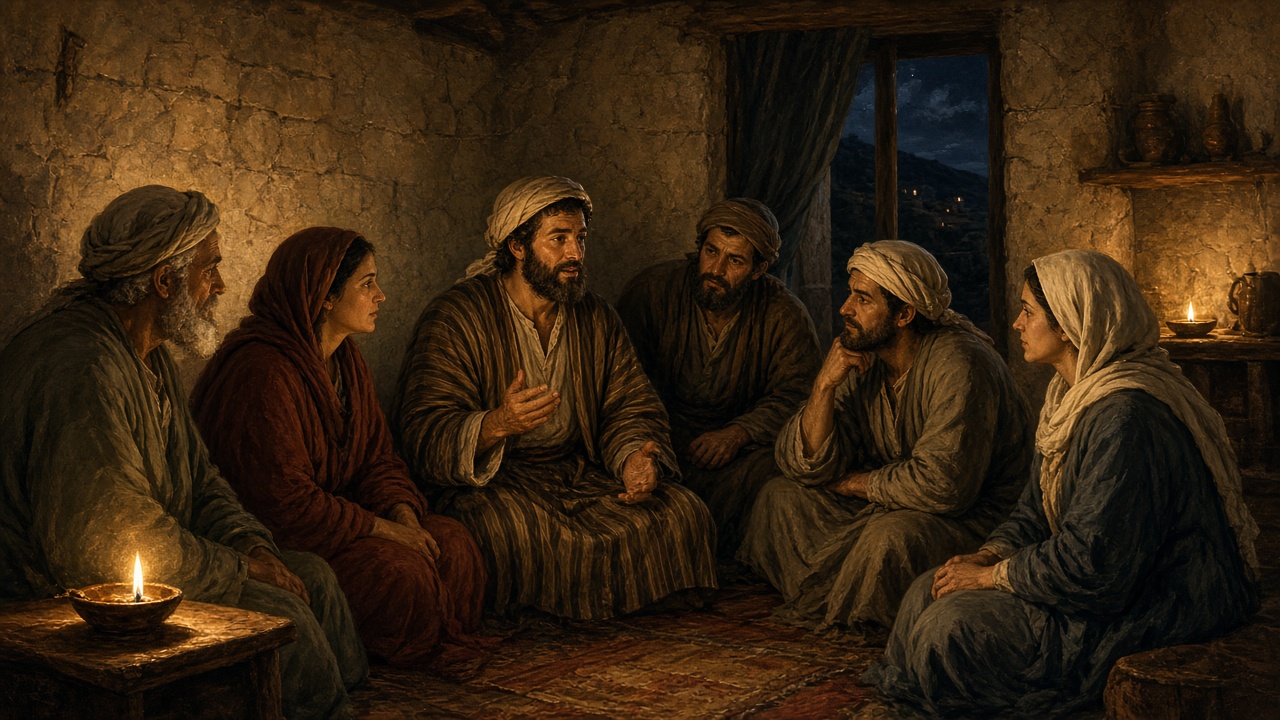
Testing Spirits and the Love That Comes from God
- Readers addressed as beloved are told not to believe every spirit but to test the spirits, for many false prophets have gone out into the world. The Spirit of God is recognized when a spirit confesses that Jesus Christ has come in the flesh; every spirit that does not confess Jesus is not from God and is the spirit of the antichrist, already in the world.Sources: the Bible text itself
- Love comes from God, and God is love, so whoever does not love does not know God. God’s love was revealed by sending His one and only Son into the world as the atoning sacrifice for sins, and those who have been so loved are told they ought to love one another.Sources: the Bible text itself
- No one has ever seen God, but if we love one another, God remains in us and His love is perfected in us. Anyone who says “I love God” but hates his brother is a liar, since the one who does not love his brother, whom he has seen, cannot love God, whom he has not seen, and the commandment is that whoever loves God must also love his brother.Sources: the Bible text itself
Notes written with AI assistance from open sources (Theographic Bible Metadata, CC BY-SA 4.0; Easton’s Bible Dictionary, public domain) and reviewed before publishing.
Credits and license for this translation
Ibibemuwe-Num Iyiki Ifa Ru Dũya
Duya: Ibibemuwe-Num Iyiki Ifa Ru Dũya (New Testament)
copyright © 2024 Wycliffe Bible Translators, Inc.
Language: (Duya)
Translation by: Dũya Development Association
Contributor: SIL Nigeria
This translation is made available to you under the terms of the
Creative Commons Attribution Share-Alike license 4.0.
You have permission to share and redistribute this Bible translation in any format and to make reasonable revisions and adaptations of this translation, provided that:
You include the above copyright and source information.
If you make any changes to the text, you must indicate that you did so in a way that makes it clear that the original licensor is not necessarily endorsing your changes.
If you redistribute this text, you must distribute your contributions under the same license as the original.
Pictures included with Scriptures and other documents on this site are licensed just for use with those Scriptures and documents.
For other uses, please contact the respective copyright owners.
Note that in addition to the rules above, revising and adapting God's Word involves a great responsibility to be true to God's Word. See Revelation 22:18-19.
2025-05-08
Source: http://ebible.org/ldb/ · eBible.org