Ruth 1
Uumeleembaa Buŋa Tere Soomoŋgo Gbilia · Tap a verse to see its cross-references.
About this book
About Ruth
- The events are set in the days of the judges. A great famine led Elimelech, a man of the tribe of Judah and a kinsman of Boaz, to leave Bethlehem with his wife Naomi and their sons Mahlon and Chilion and settle in Moab, east of the Jordan and the Dead Sea. There Elimelech and both sons died.Sources: Elimelech · Moab · Mahlon · Chilion
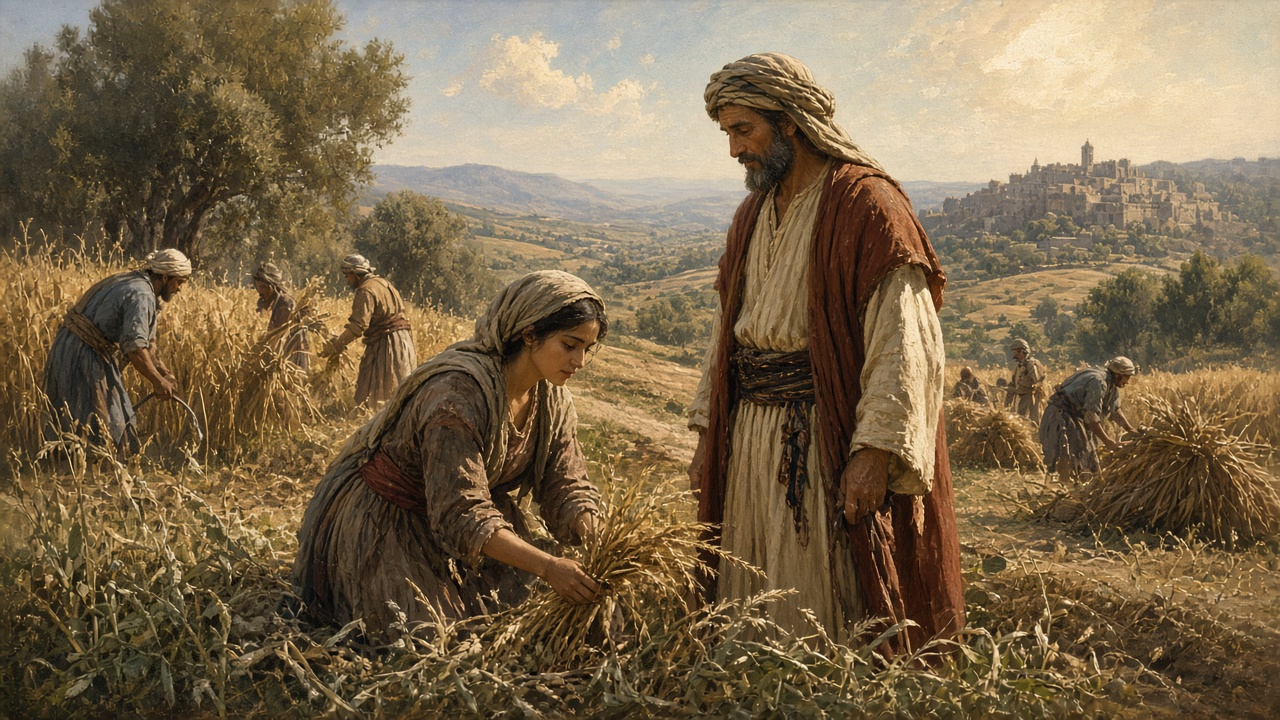
- Naomi then returned to Bethlehem with Ruth, a Moabite and the widow of Mahlon, who refused to leave her. Orpah, Chilion's widow, accompanied Naomi part of the way and then returned to Moab. In the valley east of the town, Ruth gleaned in the fields and was eventually married to Boaz, a wealthy relative.Sources: Easton: Ruth · Orpah · Bethlehem · Boaz
- Easton's Bible Dictionary (1897) says the story of the gleaner Ruth illustrates friendly relations between Boaz and his reapers, the land system, the way property was transferred, and the working of the Mosaic law for the relief of ruined families. By the levirate law, Boaz, a kinsman of Mahlon, took on the duty of marrying Ruth.Sources: Easton: Ruth · Boaz
- Ruth became the mother of Obed, the grandfather of David. The genealogy in Ruth 4:18-22 traces that line, and Matthew 1:5 includes Ruth, a Gentile, among the ancestors of Jesus. Easton also compares her with Tamar and Rahab, who likewise became ancestors of David.Sources: Easton: Ruth · Obed · Ruth
- Bethlehem, in the hill country of Judah, was originally called Ephrath; Ruth 1:2 calls it Bethlehem-Judah and its people Ephrathites. Easton's Bible Dictionary (1897) explains Ruth as meaning a friend, and Naomi as bitter or sad, a symbolic name she gave herself because of her misfortunes.Sources: Bethlehem · Ephrathah · Ruth · Naomi
Notes written with AI assistance from open sources (Theographic Bible Metadata, CC BY-SA 4.0; Easton’s Bible Dictionary, public domain) and reviewed before publishing.
Elimelek ano sumaŋuruta yoŋonoŋ Moab keŋgi.
1Kerugeŋ Israel uutanoŋ kiŋ moŋ mende laligoro eja poŋ yoŋonoŋ kanatuuru galeŋ koma oŋoma laligogi. Kambaŋ kanoŋ bodi kolooŋ baloŋ kuuya sokoma ero. Bodi kambaŋ kanoŋ Juuda eja moŋnoŋ embia ano merawoita uŋuama taoŋgia Betlehem mesaoŋ kantri qata Moab kanoŋ kema raraŋ dunduŋgia meagoŋ waba laligogi. 2Eja qata Elimelek, embia qata Naomi ano merawoigara qagara Malon ano Kilion baloŋgia qata Efrata. Yoŋonoŋ taoŋgia Betlehem mesaoŋ Moab balonoŋ kema kanoŋ laligogi.
3Iikanoŋ laligogi Naomiwaa loya Elimelek komuro. Komuro Naominoŋ emba maloya kolooŋ merawoita yorowo laligogi. 4Merawoita yoronoŋ laligoŋ somariiŋ Moabga emba woi qagara Orpa ano Ruut agimiŋ aogi. Agimiŋ aogi toroqeŋ Moab balonoŋ yambu 10:baa so laligoŋ kougi. 5Laligoŋ kouma merawoita woi Malon ano Kilion yoronoŋ kaaŋagadeeŋ komuri. Komuri nemuŋgara Naomi iinoŋ lomeria qaa aŋodeeŋ laligoro. Kiaŋ.
Naomi ano Ruut yoronoŋ Betlehem eleeni.
6Naominoŋ aŋodeeŋ Moab kantrinoŋ laligoŋ kambaŋ moŋnoŋ qaa kokaeŋ jegi moro: ‘Poŋnoŋ kanatuuruya ilaaŋ oŋoma Israel kanoŋ nembanene sogianoŋ mokolooŋ oŋomakeja.’ Kaeŋ moma Moab mesaoŋ Israel balonoŋ eleema kemambaajoŋ joroŋqoroŋ ama eŋarowoita yorowo waagi. 7Waama gomaŋ baloŋ laligoroti, ii mesaoŋ Juuda balonoŋ eleema kemambaajoŋ ano eŋarowoita yorowo motooŋ kananoŋ keŋgi.
8Kananoŋ kema Naominoŋ eŋarowoita kokaeŋ irijoro: “Emba woi, oro mono eleema nemuŋwoigara yoroo gomanoŋ kema laligowao. Oro noo lomeraana komugiti ano nii nono awaagadeeŋ kalaŋ koma noma laligori Poŋnoŋ mono kawaa so tawaya meleema awaagadeeŋ kiaŋkoomu orono laligowao. 9Poŋnoŋ saanoŋ kana mero oro eja mombo agimiŋ aoŋ laaligo raraŋgara yoroo mirinoŋ mokolooŋ uukorisoro qaganoŋ laligowao.” Kaeŋ irijoŋ buugara kitoŋ neroto, yoronoŋ amburereŋ ama silama saari.
10Saama kokaeŋ ijori: “Qaago! Noro mono giwo eleema goo kanageso tuuŋga yoŋoonoŋ kemboŋa.”
11Kaeŋ ijori meleema kokaeŋ irijoro: “Oo eŋarowoina, mono naambaajoŋ niwo kawowaajoŋ anjao? Nii mombo eja merawoina mewe somariiri ii orombaoraga me? Kaeŋ romoŋgowaoragati eeŋ, iikanoŋ mende sokonja. Qaago totooŋ! Mono keteda koi eleema kembao. 12Nii emba waŋa koloojeŋiwaajoŋ eja moŋnoŋ nii mende nombaa. Oo eŋarowoina, oro mono eleema mirigaranoŋ kembao. Nii mombo eja memambaajoŋ romoŋgoŋ kete gomantiiŋa eja mombo eŋ korowo kolooŋ merawoina qokolooŋ orombenagati eeŋ, ii mono kileŋ bimobimooyawo.
13Mera ii somariiri lowoigara oromambaajoŋ mamboma laligowaoraga me qaago? Yoroojoŋ ama eja memegaraa kania somoŋgoŋ aoŋ kambaŋ batuya koriga ii eeŋ laligowaobo. Ii mende sokonja. Oo eŋarowoina, iikaaŋ qaago. Poŋnoŋ boria boraama lona nuano komurotiwaajoŋ laaligonananoŋ bimooro nii oroojoŋ wosojinjina mojeŋ.”
14Kaeŋ irijoro mombo toroqeŋ silama saari. Saari tegoro Orpanoŋ eŋaroyaa yeizozoya jeŋ buuta kitoŋ neŋ eleema mirianoŋ keno. Orpanoŋ kenoto, Ruutnoŋ kaparaŋ koma sele kopaya kaaŋa qokotaaro. 15Kaaŋa qokotaaro Naominoŋ kokaeŋ ijoro: “Moba, alaganoŋ kenja. Iinoŋ aŋaa beŋsakoŋ ano aŋaa ejemba tuuŋ yoŋoonoŋ kenja. Gii mono kaaŋgadeeŋ eleema miriganoŋ kemba.”
16Kaeŋ ijoroto, Ruutnoŋ kileŋ kokaeŋ meleeno: “Nii mono gii gomesaomaŋatiwaajoŋ kaparaŋ mende koma jewa. Saanoŋ jena giwo kembo. Gii noma nomaeeŋ kembagati, nii mono kaaŋagadeeŋ giwo iikanoŋ kemaŋa. Gii dakanoŋ dakanoŋ laligowagati, nii mono kaaŋagadeeŋ iikanoŋ laligomaŋa. Goonoŋ ejemba tuuŋ ii noo ejemba tuuŋnaga koloogi goonoŋ Anutu ii noo Anutuga kolooro laligomaŋa.
17Gii dakanoŋ komuwagati, nii mono kaaŋagadeeŋ iikanoŋ komuwe roŋ koma nombutiwaajoŋ mojeŋ. Qaa ii kokaeŋ jeŋ kotiijeŋ: Koomu motooŋgonoŋ mono mendeema norombaa. Iwoi morota moŋnoŋ mendeema norombaati eeŋ, Poŋnoŋ saanoŋ iikawaa iroŋa meleeno noo qananoŋ uba.”
18Kaeŋ jeŋ iwo kemambaajoŋ kotakotagadeeŋ kaparaŋ kono iima moma kotoŋ kawaa qaaya mombo mende ijoro.
19Mende ijoroto, motooŋgara kema kema Betlehem taonoŋ keuri. Keuri taonoŋ ejemba kuuyanoŋ ii iriima korisoro somata moma ajoroogi. Emba yoŋonoŋ qama Naomi koma horoŋ joloŋa kokaeŋ jegi: “Ei! Ii oŋanoŋ, Naomi yaŋo me nomaeŋ? Oowe oowe oowe!”
20Kaeŋ jegi Naominoŋ kokaeŋ iŋijoro: “Noo qana Naomi ii eeŋ mende qabu. Nii uukorisoro embaga qaago. Anutu ku-usuŋ Toyanoŋ mono kondooŋ nono uukonduŋ moma laligojeŋ. Kawaajoŋ noo qana Mara qagi sokombaa. 21Noonoŋ iwoi mamaga wala ero taoŋ koi mesaoŋ kembeto, kete Poŋnoŋ nuano bobora eleema eeŋ omaya kajeŋ. Poŋ ku-usuŋ Toyanoŋ qaana gosiŋ meŋ boliŋ nono koŋajiliŋ qaganoŋ laligojeŋ. Kawaajoŋ qana Naomi ii mono eeŋ qabubo.” Kiaŋ.
22Naomi ano eŋaroya Ruut, Moab emba kanoŋ Moab mesaoŋ Betlehem taonoŋ kariti, kambaŋ iikanoŋ ejembanoŋ kanaiŋ padiwaa alia baali ii gawoŋgianoŋ kema borogianoŋ kuŋgi.
Did you know?
Naomi and Ruth Return to Bethlehem
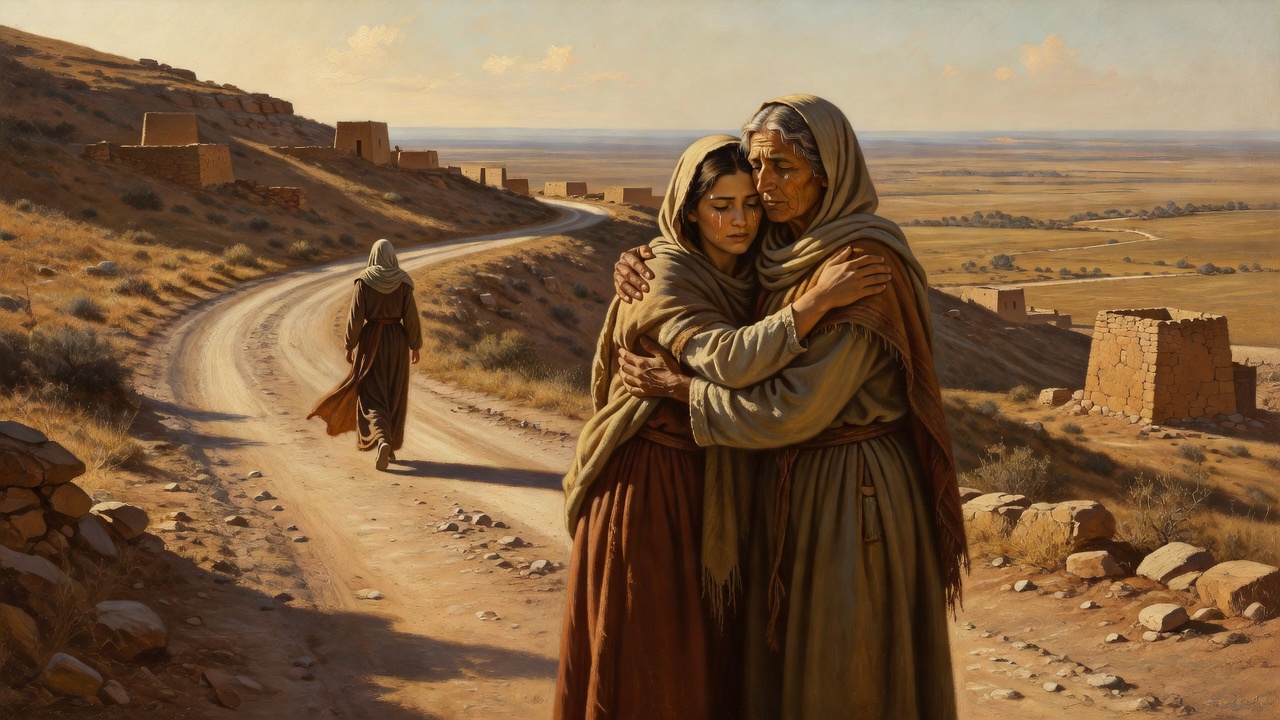
- In the days when the judges ruled, famine forced Elimelech and his family from Bethlehem in the hill country of Judah to migrate to the land of Moab, east of the Dead Sea. After the deaths of Elimelech and her two sons, Naomi decided to return to Bethlehem when she heard that food was once again available in Judah.Sources: the Bible text itself · Bethlehem · Moab · Elimelech
- While Orpah returned to her people and gods in Moab, Ruth clung to her mother-in-law and pledged loyalty to Naomi and her God. Ruth, a Moabite woman, traveled to Bethlehem and would later become an ancestor of King David.Sources: the Bible text itself · Ruth · Orpah
- Upon arriving in Bethlehem at the beginning of the barley harvest, Naomi asked the women of the city to call her Mara, meaning bitter, because she felt the Almighty had dealt bitterly with her. She had departed full with a husband and two sons, but returned empty after their deaths.Sources: the Bible text itself · Naomi
Notes written with AI assistance from open sources (Theographic Bible Metadata, CC BY-SA 4.0; Easton’s Bible Dictionary, public domain) and reviewed before publishing.
Places in this chapter
- Bethlehem · 31.704, 35.208 · verses 1, 2, 19, 22
- Moab · Today: Moab 1 · 31.181, 35.701 · verses 1, 2, 4, 6, 22
Only places identified with high confidence are shown (90% or more according to the scholarly sources compiled by OpenBible). Period map: DARE (Digital Atlas of the Roman Empire), CC BY 4.0; modern map: © OpenStreetMap contributors; places: OpenBible.info (CC BY 4.0).
Credits and license for this translation
Uumeleembaa Buŋa Tere Soomoŋgo Gbilia
The New Testament and portions of the Old Testament in the Borong Language of Papua New Guinea
Sampela hap Buk Baibel long tokples Borong long Niugini
Copyright © 2002, 2011 The Bible Society of Papua New Guinea
Language: Borong
Translation by: Wycliffe Bible Translators
This translation is made available to you under the terms of the
Creative Commons Attribution-Noncommercial-No Derivatives license 4.0.
You may share and redistribute this Bible translation or extracts from it in any format, provided that:
You include the above copyright and source information.
You do not sell this work for a profit.
You do not change any of the words or punctuation of the Scriptures.
Pictures included with Scriptures and other documents on this site are licensed just for use with those Scriptures and documents.
For other uses, please contact the respective copyright owners.
2015-01-26
Source: http://png.bible/ksr/ · eBible.org