Genesis 14
Uumeleembaa Buŋa Tere Soomoŋgo Gbilia · Tap a verse to see its cross-references.
Abramnoŋ Loot ii kere yoŋoo borogianoŋa metogoro.
1Kambaŋ kanoŋ Babilombaa (Sinarwaa) kiŋa qata Amrafel, Elasarwaa kiŋa qata Ariok, Elambaa kiŋa qata Kedorlaomer ano Goimbaa kiŋa qata Tidal laligogi. 2Yoŋonoŋ kiŋ koi yoŋowo kanaiŋ manja aogi: Sodom taombaa kiŋa qata Bera, Gomora taombaa kiŋa qata Birsa, Adma taombaa kiŋa qata Sinab, Seboim taombaa kiŋa qata Semeber ano Bela (qata moŋ Zoar) taoŋ kawaa kiŋa. 3Kiŋ kuuya koi yoŋonoŋ dondooŋa qata Sidim kanoŋ ajorooŋ ku-usuŋgia mindiriŋ soomoŋgo aŋgi. Sidim dondooŋanoŋ kambaŋ kokaamba Sii Kowe Koomuya ii eja. 4Yoŋonoŋ yambu 12:waa so Kedorlaomerwaa jeŋkooto baatanoŋ laligoŋ kouma yambu 13:ŋa kanoŋ iwaa qaa baatanoŋ kembombaajoŋ qotogoŋ kareŋ motoŋ manja qegi.
5Kaeŋ aŋgi yambu 14:ŋa kanoŋ Kedorlaomer ano kiŋ tosaaŋa iwo soomoŋgo ama laligogiti, iyoŋonoŋ kaŋ kanageso koi kaaŋa yoŋowo manja qeŋ haamo aŋgi: Refa kanageso ii Asterot Karnaim gomanoŋ uŋuŋ haamo aŋgi. Zuzi kanageso ii Haam gomanoŋ ano Eme kanageso ii Kiriataim gomaŋ kanoŋ uŋuŋ haamo aŋgi. 6Hoor kanageso ii Seir baloŋ baaŋawo kanoŋ uŋuŋ oŋotaaŋ kema kema El Paran gomaŋ kanoŋ keuma haamo ama oŋoŋgi. El Paran ii baloŋ qararaŋkoŋkoŋaa goraayanoŋ eja. 7Haamo ama oŋoma iikanondeeŋ eleema En Mispat (qata moŋ Kaades) kanoŋ kaŋ Amalek kanageso haamo ama oŋoma baloŋgia kuuya aŋgoŋ koŋgi. Amor kanageso Hazezon Taamar balonoŋ laligogiti, ii kaaŋiadeeŋ uŋuŋ haamo ama oŋoŋgi.
8Kaeŋ kolooro Sodombaa kiŋa, Gomorawaa kiŋa, Admawaa kiŋa, Zeboimbaa kiŋa ano Bela (qata moŋ Zoar) kawaa kiŋa yoŋonoŋ waama asasa riiŋ Sidim dondooŋanoŋ keuma kiŋ koi kaaŋa yoŋowo manja qewombaa jawoya ama aroŋ qeŋ naŋgi: 9Elambaa kiŋa Kedorlaomer, Goimbaa kiŋa Tidal, Babilombaa (Sinarwaa) kiŋa Amrafel ano Elasarwaa kiŋa Ariok. Kiŋ 4 yoŋonoŋ kiŋ 5 yoŋowo aroŋ qegi.
10Kaeŋ aroŋ qegito, Sidim baloŋ dondooŋa kanoŋ roŋ resa saposapoyawo kanoŋ saa qeŋ raro. Kaeŋ raro Sodom ano Gomora taoŋ yoroo kiŋ poŋgianoŋ manjaqeqe ejaurugara yoŋowo unjurama kemaligi eja tosianoŋ roŋ iikanoŋ ritooŋ kemeŋ uŋuro. Kaeŋ uŋuro alaurugia tosaaŋa kuuya yoŋonoŋ oloŋ koma unjurama baloŋ baaŋawo kanoŋ ugi. 11Ugi kiŋ 4 yoŋonoŋ Sodom ano Gomora kema esuhinagia ano nembanenegia kuuya ii leiŋ qeŋ meŋ togoŋ keŋgi. 12Abrambaa beeta Lootnoŋ Sodom laligorotiwaajoŋ ama ii kaaŋiadeeŋ esuhinayawo wama keŋgi.
13Kaeŋ keŋgi eja moŋnoŋ oloŋ koma misiŋgoŋ kaŋ iikawaa buzu qaaya ii Hibruu (waba) eja Abram ijoro. Kambaŋ kanoŋ Abramnoŋ Amor eja qata Mamre iwaanoŋ jujuu gere somasomata iikawaa kosogianoŋ laligoro. Mamrenoŋ kowoita qagara Eskol ano Aner yorowo motooŋ Abrambo soomoŋgo ama laligogi. 14Abramnoŋ beeta Loot wama keŋgiti, iikawaa qaaya moma ejauruta 318 aŋaa mirinoŋ kolooŋ momo moma manjaqeqe koma gbiliŋ laligogiti, ii oŋoono ajorooŋ kere tuuŋ oŋotaaŋ Noot waageŋ kema laligoŋ Dan gomanoŋ keugi.
15Abramnoŋ ejauruta mendeema oŋono yoŋonoŋ gomantiiŋa kanoŋ konjoma kere tuuŋ qelanjiŋ uŋuŋ haamo ama oŋoŋgi. Haamo ama oŋoma oŋotaaŋ kema laligoŋ Damaskaswaa Noot leegeŋ gomaŋ qata Hoba kanoŋ keugi. 16Kanoŋ keuma esuhina kuuya leiŋ qeŋ meŋ keŋgiti, ii mokoloogi. Beeta Loot ano iwaanoŋ ilawoila ii meŋ wama eleema kagi. Sodom ano Gomora yoŋoo emba meraaŋurugia ano ejemba tosaaŋa ii kaaŋiadeeŋ kuuya uŋuama kagi.
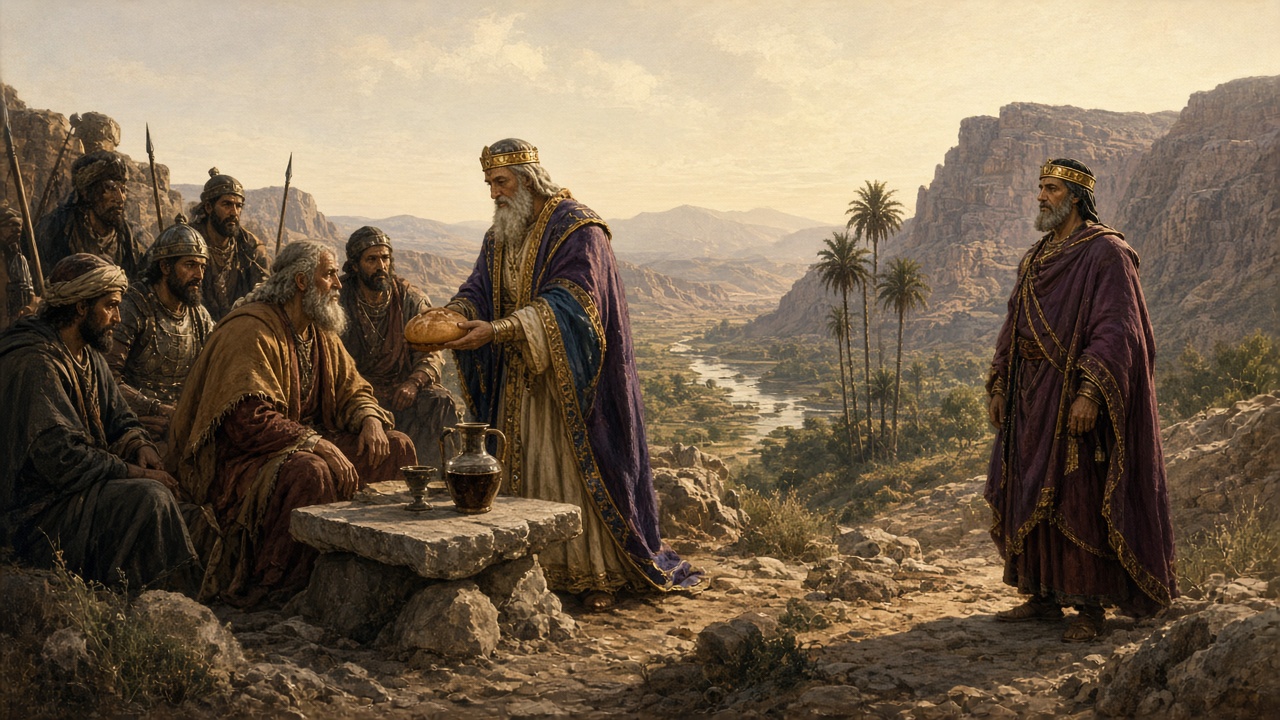
Melkizedeknoŋ Abram kotuegoro.
17Abramnoŋ kaeŋ Kedorlaomer ano kiŋ tosaaŋa iwo soomoŋgo ama laligogiti, ii uŋuŋ haamo ama oŋoma eleema karo Sodombaa kiŋa iinoŋ Sawe dondooŋa (qata moŋ Kimbaa dondooŋa) kanoŋ mokolooŋ iimambaajoŋ keno. 18Kambaŋ kanoŋ Melkizedek Saalembaa kiŋa iinoŋ bered ano wain apu meŋ karo. Iinoŋ Anutu uutaa jigo gawoŋ galeŋa kolooro. 19Kaeŋ ama Abram kotuegoŋ muŋ qaa kokaeŋ ijoro: “Anutu uuta Siwe namo mokolooŋ oronoti, iinoŋ mono Abram gii kotuegoŋ gono laligowa. 20Anutu uutanoŋ kereuruga goo boronoŋ ama oŋonoti, mono ii mepeseejoŋ.” Kaeŋ ijoro Abramnoŋ ilawoilaya kuuya mendeeno tuuŋ ten kolooro iikanoŋga motomotooŋ (10%) meŋ mamatewooya muro.
21Ii muro Sodombaa kiŋanoŋ Abram kokaeŋ ijoro: “Ejembauruna ii nombagato, esuhina ii mono geeŋgaa buŋa koloowa.”
22Kaeŋ ijoroto, Abramnoŋ Sodombaa kiŋaajoŋ kokaeŋ jero: “Qaana kotiiwaatiwaajoŋ niinoŋ borona Poŋ Anutu uuta Siwe namo mokolooŋ oronoti, iwaanoŋ baageŋ meŋ waama jojopaŋ qaa kokaeŋ jejeŋ: 23Nii goonoŋ iwoi moŋ ii mende totooŋ memaŋa. Beweso kasagaa kitia me kana esugaa kasia ii kaaŋiadeeŋ mende memaŋa. Kaeŋ ambe giinoŋ kanageŋ kokaeŋ jewabo: ‘Niinoŋ Abram iwoi mube iinoŋ eja esuhina qaqabuŋayawo kolooŋ laligoja.’ Gii mono kaeŋ jemambaajoŋ amamaaŋ laligowa. 24Nii iwoi moŋ mende toroqeŋ memaŋato, ejaurunanoŋ naa iwoiga negiti, ii meleema nonoŋgi sokondaboroja. Kaaŋagadeeŋ eja alauruna Aner, Eskol ano Mamre niwo kagiti, iyoŋonoŋ mono tawagia soya jejeya mewu.” Kiaŋ.
Did you know?
The Campaign of the Four Kings
- Easton's Bible Dictionary (1897) identifies the four invading kings with names on ancient inscriptions: Chedorlaomer with Khudur-Lagamar of Elam, Amraphel with Khammu-rabi of Shinar (southern Chaldea), Arioch, king of Ellasar, with Eri-Aku of Larsa, and Tidal with Tudkhula. It explains Eri-Aku as an Elamite name meaning “servant of the moon-god,” later changed to Rimsin, and takes Goiim—“nations”—as Gutium, east of the Tigris and north of Elam.Sources: Chedorlaomer · Amraphel · Arioch (king of Ellasar) · Tidal
- The five local kings drew up for battle in the Valley of Siddim, which this chapter equates with the Salt Sea, and the valley was full of tar pits into which some of the fleeing men fell. Easton's Bible Dictionary places that valley at the south end of the Dead Sea, between Engedi and the cities of the plain, and calls the pits bitumen pits.Sources: the Bible text itself · Vale of Siddim
- Abram lived near the oaks of Mamre the Amorite, a brother of Eshcol and Aner, and the three were bound by treaty to him. Easton's Bible Dictionary calls Mamre and Eshcol Amorite chiefs and Aner a Canaanite chief, and notes that they joined Abram in pursuing Chedorlaomer and recovering Lot.Sources: the Bible text itself · Mamre · Eshcol · Aner
Notes written with AI assistance from open sources (Theographic Bible Metadata, CC BY-SA 4.0; Easton’s Bible Dictionary, public domain) and reviewed before publishing.
Places in this chapter
- Elam · 32.189, 48.258 · verses 1, 9
- Shinar · Today: Babylonia · 32.543, 44.422 · verses 1, 9
- Salt Sea · Today: Dead Sea · 31.500, 35.500 · verse 3
- Shaveh-kiriathaim · Today: within 1 km of Al Qurayyat · 31.541, 35.686 · verse 5
- Dan · Today: Tel Dan · 33.249, 35.652 · verse 14
- Damascus · 33.511, 36.306 · verse 15
- Valley of Shaveh · Today: intersection of Kidron Valley and Valley of Hinnom · 31.767, 35.236 · verse 17
- Salem · Today: Jerusalem · 31.777, 35.234 · verse 18
Only places identified with high confidence are shown (90% or more according to the scholarly sources compiled by OpenBible). Period map: DARE (Digital Atlas of the Roman Empire), CC BY 4.0; modern map: © OpenStreetMap contributors; places: OpenBible.info (CC BY 4.0).
Credits and license for this translation
Uumeleembaa Buŋa Tere Soomoŋgo Gbilia
The New Testament and portions of the Old Testament in the Borong Language of Papua New Guinea
Sampela hap Buk Baibel long tokples Borong long Niugini
Copyright © 2002, 2011 The Bible Society of Papua New Guinea
Language: Borong
Translation by: Wycliffe Bible Translators
This translation is made available to you under the terms of the
Creative Commons Attribution-Noncommercial-No Derivatives license 4.0.
You may share and redistribute this Bible translation or extracts from it in any format, provided that:
You include the above copyright and source information.
You do not sell this work for a profit.
You do not change any of the words or punctuation of the Scriptures.
Pictures included with Scriptures and other documents on this site are licensed just for use with those Scriptures and documents.
For other uses, please contact the respective copyright owners.
2015-01-26
Source: http://png.bible/ksr/ · eBible.org