Ephesians 6
MƗNƗM KOMIŊ · Tap a verse to see its cross-references.
Ñɨ pai okok; nonɨm nap okok
1Nɨbi ñɨ pai okok, Bɨ Kɨb kɨsen gɨpɨm rek, nanɨm nap mɨnɨm agnɨmir rek dɨnɨmɨb. Nag tep me ar nɨbak. 2God mɨnɨm aknɨb wajrem alaŋ agak ak agɨl agak, “Nanɨm nap sɨkop kɨrop dɨ tep gɨl, agnɨmir rek gɨnɨmɨb,” agak. Pen God mɨnɨm nɨbak nep agɨl mɨnɨm alap sek agɨl agak, “Nɨbi aknɨb genɨgabɨm, yad nɨbep tap tep alap ñɨnɨgain,” agak. 3God agak, “Nɨg genɨgabɨm ak, kasek ma kɨmnɨgabɨm; lɨm dai ar wagɨn aul mɨlek par mɨdɨl, mɨd tep gɨnɨgabɨm,” agak.
4Pen nap sɨkop, ñɨ pai nɨbi okok mɨd tep gɨlaŋ, agɨl, kɨrop yo sɨj rɨmel nɨŋeb rek mɨnɨm ak rek ma agnɨmɨb. Nɨb agem, ñɨ pai nɨbi okok yo sɨj rɨmel nɨŋɨl, mɨnɨm agnɨgabɨm rek ma nɨŋnɨgal. Pen ñɨ pai nɨbi okok kɨb gel nɨŋlɨg gɨ, nɨbi nap sɨkop God Mɨnɨm ag ñɨ tep gɨl, nag tep ar nɨbak ag yom ñɨlɨg gɨ mɨdenɨmɨb.
Bɨ mɨñ wög gɨpal okok; bɨ kɨb kɨrop kod mɨdebal okok
5Pen nɨbi bin bɨ, bɨ kɨb nɨbep mani tau dap lel kɨrop mɨñ wög gɨ ñɨbɨm okok, Krais mɨnɨm agek, pɨrɨkɨl dɨ tep gɨpɨm rek, bɨ kɨb nɨbi lɨm dai ar wagɨn aul okok mɨnɨm agenɨgal, nɨbi ak rek nep pɨrɨkɨl kɨsen gɨl dɨ tep gɨnɨmɨb.
6Bɨ kɨb okok nɨŋ mɨdel nɨŋlɨg gɨ, wög gɨ tep gon, kɨrop tep gaŋ agɨl gos nɨbak nep ma nɨŋnɨmɨb; Krais nop mɨñ wög gɨpkep rek, God nop tep gaŋ agɨl, per wög gɨ tep gɨnɨmɨb. 7Bin bɨ lɨm dai ar wagɨn aul kɨrop nep wög gobɨn agɨl ma nɨŋnɨmɨb; Bɨ Kɨb ak nop wög gobɨn agɨl, tep gek nɨŋlɨg gɨ wög gɨnɨmɨb. 8Nɨbi nɨpɨm, bin bɨ mɨñ wög gɨpal okok abe, bin bɨ gos kɨri ke nɨŋɨl wög gɨpal okok abe, Bɨ Kɨb wög kɨrop nɨŋɨl, wög gɨ tep genɨgal ak kɨrop ak rek nep pen ñɨnɨgab.
9Pen nɨbi bɨ kɨb mɨdɨl, bin bɨ cɨnop mɨñ wög gɨlaŋ agɨl, mani tau dap lɨpɨm okok, kɨrop gɨ tep gɨnɨmɨb. Mɨnɨm kɨlɨs agem pɨrɨklɨg gɨ wög ma gɨnɨmel. Bɨ Kɨb seb kab ar alaŋ mɨdeb ak, ne bin bɨ mɨñ wög gɨpal Bɨ Kɨb kɨri abe, bin bɨ kɨrop kod mɨdebal Bɨ Kɨb kɨri abe mɨdeb. Bɨ Kɨb ne bin bɨ okok kɨb, bin bɨ okok sɨkol, agɨl ma nɨŋɨp; udɨn yɨrɨk ne ak adɨp adɨp mɨdebal nɨŋɨl ne gol alap aka gol alap ma amnɨgab.
Cɨm kadɨŋ God cɨnop ñɨb ak magɨlsek dɨ tol gɨ mɨdon
10Mɨnɨm ag dai junɨg gebin aul nɨŋ tep gɨnɨmɨb. Bɨ Kɨb nop cɨg gem, ne kɨlɨs ne nɨbep ñɨnɨmɨŋ. 11Seten cɨnop per gɨ tɨmel gɨnɨg geb ak, cɨm kadɨŋ God cɨnop ñɨb ak magɨlsek dɨ tol gɨl, kanɨb tam sɨŋak ulɨŋɨn lɨ mɨd tep gɨnɨmɨb. 12Bin bɨ mɨb goŋ lakañ mɨdeb okok eip pen pen ma gobɨn. Kɨjeki kɨyob ñɨlɨk tap tɨmel okok bɨ kɨb kɨri wagɨn ke ke seb kab alaŋ kod mɨdɨl, kɨslɨm eyaŋ tapal okok eip pen pen gobɨn. 13Nɨb ak, cɨm kadɨŋ God cɨnop ñɨb ak magɨlsek dɨ tol gɨ tep gɨl mɨdem me, ñɨn koslam mɨdep ak apek, kɨlɨs gɨl nep mɨdem, tap ognap nɨbep gɨnɨmel rek ma lɨnɨgab. caption|alt="3 Roman soldiers" src="HK00197B.TIF" size="col" ref="6:13-17" 14Nɨb ak, God Mɨnɨm nɨŋɨd ak, sɨb nag rek pɨŋ lɨ tep gɨnɨmɨb. Abɨk ñagnɨgal, agɨl, per nep yɨpɨd gɨl gep nag ar ak, sior kɨlɨs lɨpal rek, dɨ pabɨl bak nɨbi ak lɨnɨmɨb. 15Tob tɨrɨp lɨpal rek, God eip jɨm ñɨl mɨdep mɨnɨm tep ak dad amnɨmɨb. Bin bɨ ognap kɨrop mɨnɨm tep nɨbak ag ñɨnɨg per gɨ jɨn gɨ mɨdɨl, gos nɨbak nep nɨŋɨl tob tɨrɨp rek lɨnɨmɨb. 16Kadɨŋ teŋɨd ñapal rek, God cɨnop kod mɨdenɨgab, agɨl, nop gos nɨŋ dɨlɨg gɨ nep mɨdem me, ne gek Bɨ Tɨmel Gep kinalɨk ne mab rek yɨnek nɨŋlɨg gɨ ñagnɨgab okok pɨs nep soŋ gɨnɨgab. Gos nɨbak nep nɨŋɨl, kadɨŋ rek teŋɨd gɨnɨmɨb. 17Usajɨl kɨlɨs bad lɨpal rek, God nɨbep yɨmɨg nɨŋɨl dɨ komɨŋ yokɨp gos ak, dɨ nabɨc ar alaŋ usajɨl bad rek lɨnɨmɨb. Tu par kɨd dad ambal rek, God Kaun tu par kɨd nɨbep ñɨb ak tu par kɨd rek dad amnɨmɨb. God Kaun tu par kɨd ak God Mɨnɨm ne me. 18Kaun ne gos ñek nɨŋlɨg gɨ, God nop mɨnɨm ar ke ke ag nɨŋlɨg gɨ mɨdenɨmɨb. Gos sek mɨdɨl, bin bɨ Krais pɨs ar mɨdebal okok magɨlsek God nop per nep sobok gɨlɨg gɨ mɨdenɨmɨb. 19Yɨp ak rek nep God nop sobok gem, yɨp kod mɨdɨl, mɨnɨm magɨl ne ke yɨp ñek nɨŋlɨg gɨ, yad ma pɨrɨkɨl, Krais mɨnɨm tep ned ma nɨŋelɨgɨpal bin bɨ okok kɨrop abramek ag ñɨnɨm. 20Yad Krais bɨ ne mɨdɨl, mɨnɨm tep ne nɨbak ag ñɨ tagen yɨp mɨñ lel mɨdebin ak pen God nop sobok gem yad ma pɨrɨkɨl abramek ag ñɨnɨm. Yad ak rek nep gɨnɨm ak tep.
Mɨnɨm dai won ognap
21Pen yad titi gɨl rek mɨdebin ak, wög tari tari gebin ak, mam tep cɨn Ticikas, bɨ God nop per nep wög gɨ tep gɨp ak, amjakɨl nɨbep magɨlsek ag ñɨnɨgab. 22Cɨn titi gɨl rek mɨdobɨn ak, Ticikas amɨl agek nɨŋɨl gos sek mɨdenɨmɨb, agɨl, nop mɨdebɨm sɨŋak ag yokebin.
23Bapi God Bɨ Kɨb Jisas Krais apɨl mal nɨbep kod mɨder nɨŋlɨg gɨ, God Mɨnɨm nɨŋ dɨ kɨlɨs gɨlɨg gɨ mɨdɨl, ai mam okok eip kapkap mɨdɨl, pen pen mɨdmagɨl lɨlɨg gɨ mɨdenɨmɨb. 24Bɨ Kɨb cɨn Jisas Krais nop mɨdmagɨl lɨlɨg gɨ nep mɨdebɨm okok, God nɨbep magɨlsek yɨmɨg nɨŋɨl dɨ tep yɨb gɨnɨmɨŋ.
Did you know?
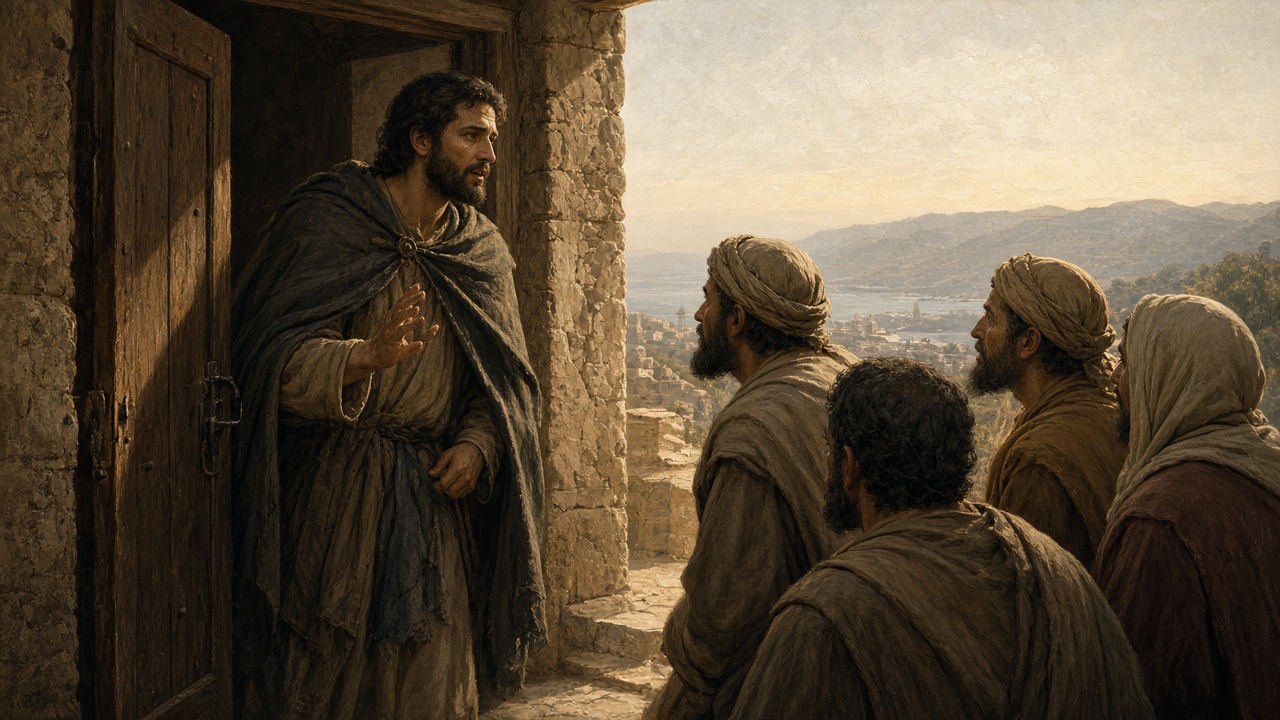
Household duties, God's armor, and Tychicus
- This chapter presents the command to honor one's father and mother as the first commandment with a promise: that it may go well with you and that you may have a long life on the earth. It also tells fathers not to provoke their children to wrath, but to bring them up in the discipline and instruction of the Lord.Sources: the Bible text itself
- The chapter says the struggle is not against flesh and blood, but against rulers, authorities, the powers of this world's darkness, and spiritual forces of evil in the heavenly realms. Readers are urged to take up the full armor of God—a belt of truth, a breastplate of righteousness, feet fitted with the readiness of the gospel of peace, a shield of faith, a helmet of salvation, and the sword of the Spirit, which is the word of God—so they can stand when the day of evil comes.Sources: the Bible text itself
- The writer asks for prayer to proclaim the gospel fearlessly as an ambassador in chains, and sends Tychicus, the beloved brother and faithful servant in the Lord, to tell the readers how he is and to encourage them. Tychicus is described as an Asiatic Christian who, with Trophimus, accompanied Paul on part of the journey from Macedonia to Jerusalem and was with Paul at Rome, from where he was sent to Ephesus, probably to build up and encourage the church.Sources: the Bible text itself · Tychicus
Notes written with AI assistance from open sources (Theographic Bible Metadata, CC BY-SA 4.0; Easton’s Bible Dictionary, public domain) and reviewed before publishing.
Credits and license for this translation
MƗNƗM KOMIŊ
The New Testament in the Minimib dialect of the Kalam language of Papua New Guinea
Nupela Testamen long tokples Minimib long Niugini
copyright © 2008 Wycliffe Bible Translators, Inc.
Language: Minimib (Minimib dialect of Kalam)
Translation by: Wycliffe Bible Translators
This translation is made available to you under the terms of the
Creative Commons Attribution-Noncommercial-No Derivatives license 4.0.
You may share and redistribute this Bible translation or extracts from it in any format, provided that:
You include the above copyright and source information.
You do not sell this work for a profit.
You do not change any of the words or punctuation of the Scriptures.
Pictures included with Scriptures and other documents on this site are licensed just for use with those Scriptures and documents.
For other uses, please contact the respective copyright owners.
2013-02-07
Source: http://png.bible/kmh-m/ · eBible.org