Acts 3
MƗNƗM KOMIŊ · Tap a verse to see its cross-references.
Bɨ tob tɨmel gak ak, Pita gek, komɨŋ lak
1Praj nonɨm tɨk dowak ñɨn ak nep tob tɨmel gak alap, nop ñɨn nokɨm nokɨm per per dapɨl, God sobok gep karɨp kɨjoŋ wagɨn, Kɨjoŋ Kɨl Tep, apal ak, gol sɨŋak lel bɨsɨg mɨdolɨgɨp. Mɨdlɨg gɨ, bin bɨ God sobok gep karɨp ñɨlɨk mɨgan ap amelɨgɨpal okok, kɨrop mani tap yɨp alap ñɨm, agɨl asɨb golɨgɨp.
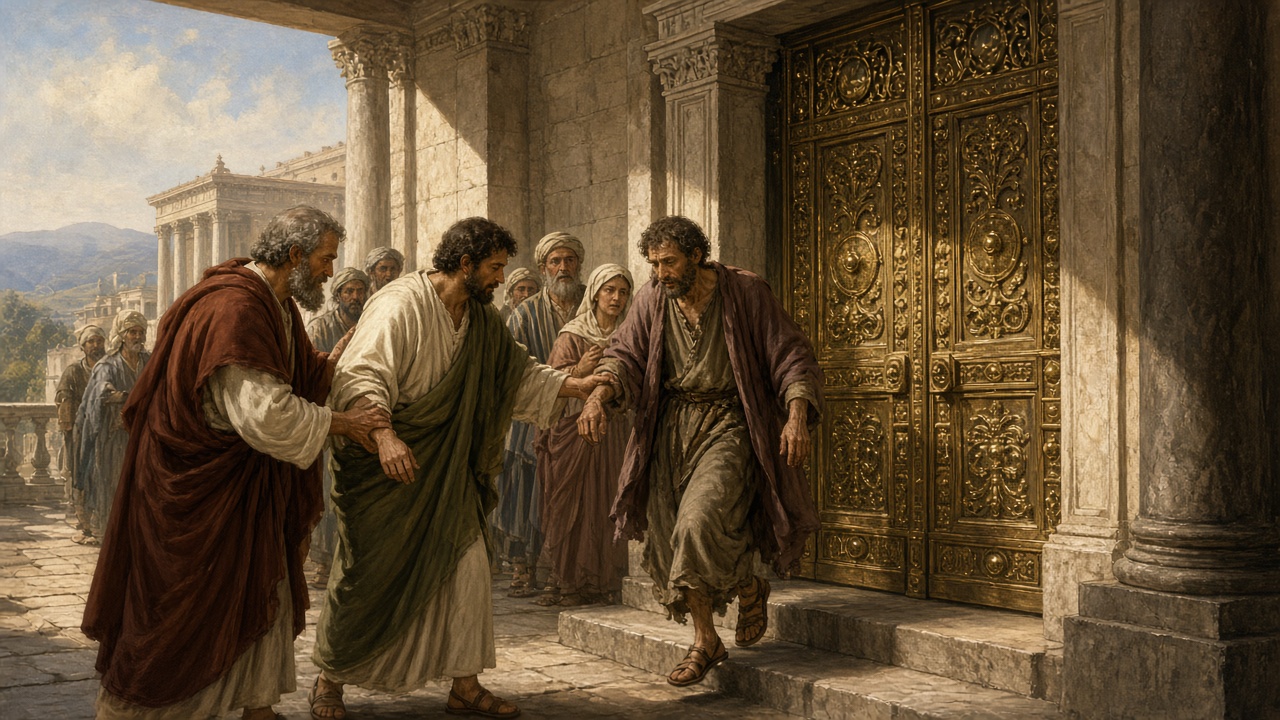
Pen mɨnek alap, Pita eip, Jon eip pɨb kim gak dɨgep won ak, God nop sobok gep won ak, God nop sobok gɨnɨg, ap padɨker nɨŋlɨg gɨ, bɨ tob tɨmel gak nɨbak kɨrop mal nɨŋɨl agak, “Yɨp mani ognap ñɨr,” agak. 4Agek, kɨri mal nop nɨŋ i sek lɨ mɨdɨl, Pita agak, “Cɨrop mal nɨŋan!” agak. 5Agek, yɨp tap alap ñɨnɨg gebir, agɨl, kɨrop mal nɨŋ mɨdek nɨŋlɨg gɨ, 6Pita agak, “Mani silpa, mani gol, yad ma mɨdeb ak pen tap yad nokɨm alap mɨdeb ak nep ñɨnɨgain. Jisas Krais Nasaret nɨb ak, yɨb ne agɨl nep agebin, ‘Warɨk amnoŋ!’” agak. 7Pita nɨb agɨl, ñɨnmagɨl yɨpɨd pɨs kɨd nop dɨl, dɨ warɨk ñek nɨŋlɨg gɨ, magɨl nɨbak nep tob abe, tob gol abe tep gak. 8Tep gek, kasek warɨk amlɨg gɨ, talak talak gɨlɨg gɨ, God nop tep aglɨg gɨ, kɨri mal eip God sobok gep karɨp ñɨlɨk mɨgan ak amnak. 9God nop tep, agɨl, tob taulɨg gɨ ajek ak, bin bɨ mɨdelak okok nɨŋɨl, 10bɨ tob tɨmel per apɨl, God sobok gep karɨp kɨjoŋ wagɨn, Kɨjoŋ Kɨl Tep, apal ak, gol sɨŋak bɨsɨg mɨdɨl, mani tap okok asɨb agolɨgɨp bɨ nɨbak, titi gɨl tob yɨb taulɨg gɨ apeb, agɨl, kɨri gos par nɨŋɨl kɨb gaul gɨlak.
Pita mɨnɨm ag ñak
11Bɨ nɨbak ne, God sobok gep karɨp mɨs ken, Solomon Karɨp Badak, apal, mɨgan ak mɨdɨl, Pita eip, Jon eip kɨrop mal nab nab lɨl dɨ mɨdek nɨŋlɨg gɨ, bin bɨ magɨlsek kɨb gaul gɨlɨg gɨ, pɨg gɨ rɨkɨd ag apelak. 12Bin bɨ apelak, Pita ne nɨŋɨl agak, “Isrel bin bɨ sɨŋ aul, nɨbi tari gɨnɨg gos par nɨŋɨl cɨrop bɨ mal nɨŋ i sek lebɨm? ‘Cɨr mal bɨ kɨlɨs, bɨ tep mɨdɨl gesir, bɨ nɨbaul kanɨb tag tep geb,’ agɨl, gos ak nɨŋebɨm ar? Ak mer. 13Ebraham, Aisak, Jekop, based acɨk cɨn sɨkop okok sobok gölɨgɨpal, God nɨbak nep ne ke gek, bɨ wög gɨ ñeb ne Jisas warɨkek, bin bɨ okok nɨŋɨl, ne melɨk tep aknɨb ke sek mɨdeb, agɨl, nɨpal. Nɨbi pen Jisas nop ma dɨpek. Pailot, Jisas nop wɨsɨb yokin, agak ak pen nɨbi ke, nop dam mab bak alaŋ ñag pak lɨlaŋ, apek. 14Jisas ne Bɨ Sɨŋ; ne Bɨ Komɨŋ Tep per nep God ageb rek nep geb. Pen nɨbi apek, Jisas ne bɨ nɨŋeb cɨn mer, bɨ cɨp ñagolɨgɨp bɨ ak cɨnop wɨsɨb yokan, apek. 15Nɨg gɨl, Bɨ komɨŋ mɨdep magɨl ñeb Bɨ ak nop ñag pak lɨpek. Pen God gek, ne warɨkak ak, cɨn udɨn magɨl cɨn ke nɨŋɨl agobɨr. 16Bɨ tob tɨmel per nɨpɨm aul, mɨñi komɨŋ losɨp nɨpɨm. Jisas kɨlɨs ne gek me, komɨŋ lɨp. Jisas nɨŋ dɨl, yɨb ne agor, ne gek pɨs nep komɨŋ lɨp.
17“Pen mɨdemam yad sɨŋaul. Nɨbi ke abe, bɨ kɨb nɨbi okok abe, sakɨl sek mɨdɨl, Jisas nop nɨg gɨpek. 18Pen God ne bɨ mɨnɨm ne agep okok kɨrop bɨrarɨk nep gos ñek aglak, ‘Kɨsen God Mesaia ne yur kɨb yɨb dɨl kɨmnɨgab,’ aglak ak me, aglak rek nep gɨpek. 19Nɨb ak, tap si tap tɨmel gɨpɨm ak, tari gɨnɨg nɨg gɨpɨn, agɨl, kɨrɨg gɨl, God nop adɨk gɨ apem, ne tap si tap tɨmel gɨpɨm acɨr ak lɨg gɨ yoknɨgab. 20Nɨg gem, Bɨ Kɨb ne kaun nɨbep nab adaŋ kɨlɨs ne ñɨl, Krais ak nɨbep bɨrarɨk nep ag lak ak ag yoknɨgab. Krais ak Jisas. 21God ne bɨrarɨk nep agek, bɨ mɨnɨm agep sɨŋ ne okok aglak rek, Jisas ne karɨp lɨm seb kab ar alaŋ sɨŋak mɨdeb rek mɨdenɨgab nɨŋlɨg gɨ, God tap magɨlsek kauyaŋ gɨ lɨ rep gɨnɨgab ñɨn ak onɨgab. 22Mosɨs agak, ‘Kɨsen Bɨ Kɨb God nɨbi, ne bɨ mɨnɨm agep yad rek, bɨ wagɨn nɨbi ke alap, ag yoknɨgab. Ne apɨl, mɨnɨm agnɨgab ak magɨlsek nɨŋ tep gɨnɨmɨb. 23Bin bɨ mɨnɨm ne ma dɨnɨgal okok, bin bɨ ne ma mɨdenɨgal; kɨri pɨs nep söŋ ar eyaŋ amɨl, kɨmnɨgal,’ agak.
24“Bɨ God mɨnɨm agep Samyuel abe, bɨ God mɨnɨm agep kɨsen olak okok abe, magɨlsek tap mɨñi mɨseŋ leb nɨŋobɨn ak, bɨr ag ñɨlak. 25God bɨrarɨk nep nased acɨk nɨbi mɨnɨm ag lak ak, nɨbi ke tap ame debɨm me ak. God based Ebraham nop gɨnɨgain, agɨl, mɨnɨm ag lak. Mɨnɨm ag lɨl agak, ‘Ñɨ pai nak tɨkek, kɨri tɨk dam dapɨl gɨl tɨknɨgal okok, bɨ alap mɨdɨl me, ne gek bin bɨ okok magɨlsek mɨñ mɨñ gɨnɨgal,’ agak. 26Pen God Bɨ Wög Gɨ Ñeb ne Jisas karɨp lɨm wagɨn aul ag yokak ak, nɨbep nep nen agɨl, ned ag yokek owak. Isrel bin bɨ tap si tɨmel tɨmel yɨb gɨpal ak, tari gɨnɨg nɨg gɨpɨn, agɨl, ar nɨbak kɨrɨg gɨl, mɨd tep gɨlaŋ, agɨl, nɨbep Isrel bin bɨ sɨŋ aul ned ag yokek owak,” agak.
Did you know?
Healing and Preaching at the Temple
- The temple gate called Beautiful, where a man lame from birth was placed each day to beg, is named in this chapter. It is supposed to have been the door from the court of the Gentiles into the court of the women, and it was massive, covered with plates of Corinthian brass.Sources: Beautiful Gate · the Bible text itself
- After the healing, the astonished crowd ran to Peter and John in the walkway called Solomon’s Colonnade. This was a colonnade, or cloister, probably on the eastern side of the temple; it is not mentioned with the first temple, but Josephus mentions a porch of that name in Herod’s temple.Sources: Solomon's Portico · the Bible text itself
- In his address there, Peter said the people had handed Jesus over and rejected him before Pilate, although Pilate had decided to release him. A dictionary entry identifies Pontius Pilate as the sixth Roman procurator of Judea, from A.D. 26 to 36, with headquarters at Caesarea, though he frequently went up to Jerusalem; his name comes into prominent notice in connection with the trial of Jesus.Sources: Pontius Pilate · the Bible text itself
Notes written with AI assistance from open sources (Theographic Bible Metadata, CC BY-SA 4.0; Easton’s Bible Dictionary, public domain) and reviewed before publishing.
Places in this chapter
- Beautiful Gate · Today: in Jerusalem · 31.777, 35.234 · verses 2, 10
- Nazareth · 32.702, 35.298 · verse 6
- Solomon’s Portico · Today: in Jerusalem · 31.777, 35.234 · verse 11
Only places identified with high confidence are shown (90% or more according to the scholarly sources compiled by OpenBible). Period map: DARE (Digital Atlas of the Roman Empire), CC BY 4.0; modern map: © OpenStreetMap contributors; places: OpenBible.info (CC BY 4.0).
Credits and license for this translation
MƗNƗM KOMIŊ
The New Testament in the Minimib dialect of the Kalam language of Papua New Guinea
Nupela Testamen long tokples Minimib long Niugini
copyright © 2008 Wycliffe Bible Translators, Inc.
Language: Minimib (Minimib dialect of Kalam)
Translation by: Wycliffe Bible Translators
This translation is made available to you under the terms of the
Creative Commons Attribution-Noncommercial-No Derivatives license 4.0.
You may share and redistribute this Bible translation or extracts from it in any format, provided that:
You include the above copyright and source information.
You do not sell this work for a profit.
You do not change any of the words or punctuation of the Scriptures.
Pictures included with Scriptures and other documents on this site are licensed just for use with those Scriptures and documents.
For other uses, please contact the respective copyright owners.
2013-02-07
Source: http://png.bible/kmh-m/ · eBible.org