2 Corinthians 3
MƗNƗM KOMIŊ · Tap a verse to see its cross-references.
1Pen mɨnɨm ñu kɨl tɨkebin nɨbaul, “Yad mɨj ñu kɨl tɨken, cɨnop dɨ tep gɨnɨmel,” agɨl, ma tɨkebin. Cɨn bin bɨ yokop rek mɨdon, cɨnop dɨnɨmɨb, agɨl, bin bɨ nɨbi nɨpɨm ognap kɨrop agon, mɨj ognap ñu kɨl tɨk ñel, cɨn dap nɨbep ñon nɨŋɨl, cɨnop ma dɨnɨgabɨm. Pen nɨbi, “Bɨ ognɨl kɨrop dɨnɨmɨb,” agɨl, mɨj ognap ñu kɨl tɨk ñem, cɨn dam bin bɨ ognap kɨrop ma ñɨnɨgabɨn. 2Pen mɨj mɨdmagɨl nab cɨn adaŋ ñu kɨl tɨk mɨdeb rek me, nɨbi bin bɨ mɨdebɨm. Gos cɨn nɨpɨn ak, nɨbep mɨnɨm ag ñon nɨŋɨl dɨpɨm ak me, bin bɨ okok nɨbep nɨŋɨl, cɨn bɨ tigep bɨ rek mɨdobɨn ak nɨŋnɨgal. 3Pen cɨn Krais nop wög gon, Krais ne ke mɨj nɨbaul ñu kɨl tɨkɨl cɨnop ñak. Yɨg tap ñu kɨl tɨkep dɨl tɨkpal rek mer; kab ar ak ñu kɨl tɨkpal rek mer. God per komɨŋ mɨdeb Kaun ne ak Krais mɨnɨm tep ne ak bin bɨ mɨdmagɨl nab kɨri adaŋ tɨkɨp.
4Yad mɨnɨm agebin nɨbaul, God tari tari ageb ak Krais magɨlsek nɨb aknɨb rek nep gɨnɨgab, agɨl agebin. 5Cɨn nɨpɨn, cɨn kɨlɨs cɨn ke gon wög tep amnɨmɨŋ rek ma lɨp; God nep me cɨnop gɨ ñek nɨŋlɨg gɨ, gon wög tep amnɨgab. 6God ne nep gek, cɨn wög gɨ ñeb bɨ ne mɨdɨl, God Mɨnɨm kɨsen nɨb ag lɨp ak, damɨl bin bɨ okok kɨrop ag ñɨbɨn. God Mɨnɨm kɨsen nɨb ag lɨp nɨbak, lo mɨnɨm ak rek mer; mɨnɨm kɨsen nɨb ag lɨp ak God Kaun ñɨb. Lo mɨnɨm gek, bin bɨ kɨmnɨgal; pen God Kaun gek, bin bɨ komɨŋ mɨdenɨgal.
7Lo mɨnɨm nɨbak, God kab salai bad ar ak ñu kɨl tɨkek, Mosɨs dapek nɨŋlɨg gɨ, melɨk kɨb yɨb gak. Melɨk kɨb nɨbak Mosɨs mɨlɨk jo mɨlɨk ne melɨk golɨgɨp. Mɨdarɨk mɨdarɨk melɨk kɨb nɨbak bɨr kɨr gek pen Isrel bin bɨ Mosɨs mɨlɨk jo mɨlɨk ne nɨŋnɨmel rek ma lak. Lo mɨnɨm kɨmeb magɨl dowak ak pen melɨk kɨb yɨb sek owak. 8Pen God Kaun wög ne gɨp ak melɨk tep aknɨb ke sek mɨdeb. 9Mɨnɨm kɨb agep lo mɨnɨm ak melɨk sek owak rek, cɨn God udɨn yɨrɨk ar ne ak bin bɨ komɨŋ tep rek lep mɨnɨm tep nɨbak melɨk tep aknɨb ke sek owak. 10Melɨk tep aknɨb ke mɨñi bɨr owɨp ak me, lo mɨnɨm ned melɨk sek owak ak mɨñi melɨk ma gɨp. 11Lo mɨnɨm ak per ma mɨdɨl kɨr gɨnɨg gek ak pen lo mɨnɨm ak melɨk sek owak; nɨb ak me, mɨnɨm tep ak per per mɨdɨl ma kɨr gɨnɨgab mɨnɨm tep ak melɨk tep aknɨb ke sek mɨdeb.
12Nɨb ak, cɨn gos sek mɨdɨl, nabɨŋ ma dɨl, kɨlɨs gɨl Krais mɨnɨm tep ak mɨseŋ ag ñɨbɨn. 13Mosɨs gak rek ma gɨpɨn. Ne lo mɨnɨm ak damɨl, mɨlɨk jo mɨlɨk ne ak melɨk kɨb yɨb gak, pen mɨdarɨk mɨdarɨk melɨk kɨb gak nɨbak sɨkol gek apek nɨŋlɨg gɨ, Mosɨs ne bin bɨ okok melɨk sɨkol gak nɨbak ma nɨŋnɨmel, agɨl, usajɨl bad alap dɨl, mɨlɨk jo mɨlɨk ne ak pak karɨk ñak. 14Pen gos kɨri nɨŋ tep ma gɨlak. Tari gɨnɨg: usajɨl bad rek gos kɨri kom kam gɨl mɨdek ak me, God ned bɨrarɨk nep mɨnɨm nɨŋɨd ag lep agak mɨnɨm ak udɨn lɨ nɨŋlak ak pen mɨnɨm wagɨn ak ma nɨŋlak. Mɨñi ak rek nep kɨri lo mɨnɨm nɨbak udɨn lɨ nɨpal pen tap usajɨl bad rek gos kɨri kom kam gek, mɨnɨm wagɨn ma nɨpal. Tap usajɨl bad rek gos kɨri kom kam gɨp ak, Krais ne nep dɨ ke okok yoknɨmɨŋ rek lɨp. 16Pen bin bɨ Bɨ Kɨb ak nop onɨgal ak, ne usajɨl bad gos kɨri karɨkɨl mɨdeb ak, tɨg wal gɨ yokek, gos kɨri pag yɨkek, nɨŋnɨgal. 17Bɨ Kɨb agebin ak, Kaun ak me. Bɨ Kɨb Kaun ne cɨn eip mɨdenɨgab ak, tap tari tari gɨl cɨnop bɨ nagɨman rek lɨnɨmɨŋ ak, ne pak pag gɨ ke okok yokɨl cɨnop tɨg asɨk yoknɨgab. 18Pen mɨlɨk jo mɨlɨk cɨn ak karɨk we gɨl ma mɨdobɨn rek, cɨn magɨlsek Bɨ Kɨb melɨk tep ne ak mɨseŋ nɨpɨn. Ne gek, cɨn magɨlsek ne ke melɨk tep sek mɨdeb rek lɨnɨgabɨn. Cɨn magɨl alap nep ne mɨdeb rek ma ulek lɨnɨgabɨn; pen ñɨn nokɨm nokɨm ne per nep cɨnop gɨ gɨ gek, cɨn melɨk tep ne mɨdeb rek ulek lɨnɨgabɨn. Bɨ Kɨb nɨg gɨp Kaun ak me.
Did you know?
A More Glorious Covenant
- The chapter asks whether letters of recommendation to or from the believers are needed, as some people require. It answers that the believers themselves are a letter from Christ, the result of this ministry, inscribed on the ministers' hearts and known and read by everyone.Sources: the Bible text itself
- The chapter contrasts ink and tablets of stone with the Spirit of the living God writing on human hearts. It calls the ministry engraved in letters on stone a ministry of death and condemnation, and describes a new covenant of the Spirit, for the letter kills but the Spirit gives life.Sources: the Bible text itself
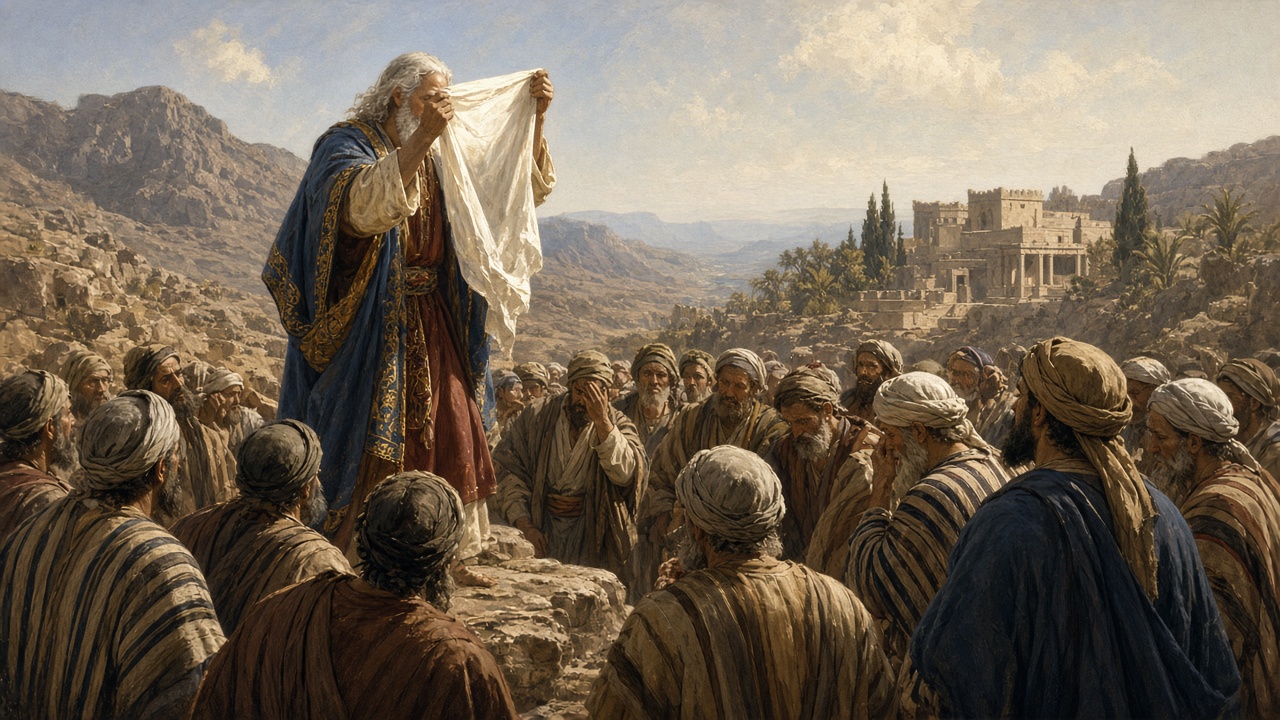
- The Israelites could not gaze at Moses's face because of a glory that was fading, and Moses put a veil over his face so they would not look at the end of what was passing away. The chapter says that a veil still covers their hearts when Moses is read, and that it is taken away whenever anyone turns to the Lord.Sources: the Bible text itself
Notes written with AI assistance from open sources (Theographic Bible Metadata, CC BY-SA 4.0; Easton’s Bible Dictionary, public domain) and reviewed before publishing.
Credits and license for this translation
MƗNƗM KOMIŊ
The New Testament in the Minimib dialect of the Kalam language of Papua New Guinea
Nupela Testamen long tokples Minimib long Niugini
copyright © 2008 Wycliffe Bible Translators, Inc.
Language: Minimib (Minimib dialect of Kalam)
Translation by: Wycliffe Bible Translators
This translation is made available to you under the terms of the
Creative Commons Attribution-Noncommercial-No Derivatives license 4.0.
You may share and redistribute this Bible translation or extracts from it in any format, provided that:
You include the above copyright and source information.
You do not sell this work for a profit.
You do not change any of the words or punctuation of the Scriptures.
Pictures included with Scriptures and other documents on this site are licensed just for use with those Scriptures and documents.
For other uses, please contact the respective copyright owners.
2013-02-07
Source: http://png.bible/kmh-m/ · eBible.org