Luke 11
Biblica® Kiugo Gĩtheru Kĩa Ngai Kĩhingũre · Tap a verse to see its cross-references.
Ũrutani wa Jesũ ũkoniĩ Mahooya
1Na rĩrĩ, mũthenya ũmwe Jesũ aarĩ handũ akĩhooya. Rĩrĩa aarĩkirie kũhooya, mũrutwo ũmwe wake akĩmwĩra atĩrĩ, “Mwathani, tũrute kũhooya o ta ũrĩa Johana aarutire arutwo ake.”
2Nake Jesũ akĩmeera atĩrĩ, “Rĩrĩa mũkũhooya, ugagai atĩrĩ:
“ ‘Ithe witũ (ũrĩ Igũrũ),
rĩĩtwa rĩaku nĩrĩamũrwo,
ũthamaki waku nĩũũke.
(Ũrĩa wendete nĩwĩkagwo gũkũ thĩ,
o ta ũrĩa gwĩkagwo kũu igũrũ.)
3Tũheage o mũthenya irio ciitũ cia gũtũigana.
4Na ũtũrekere mehia maitũ,
o ta ũrĩa o na ithuĩ tũrekagĩra arĩa othe matwĩhagĩria.
Na ndũgatũtware magerio-inĩ
(no kũhonokia ũtũhonokagie ũũru-inĩ).’ ”
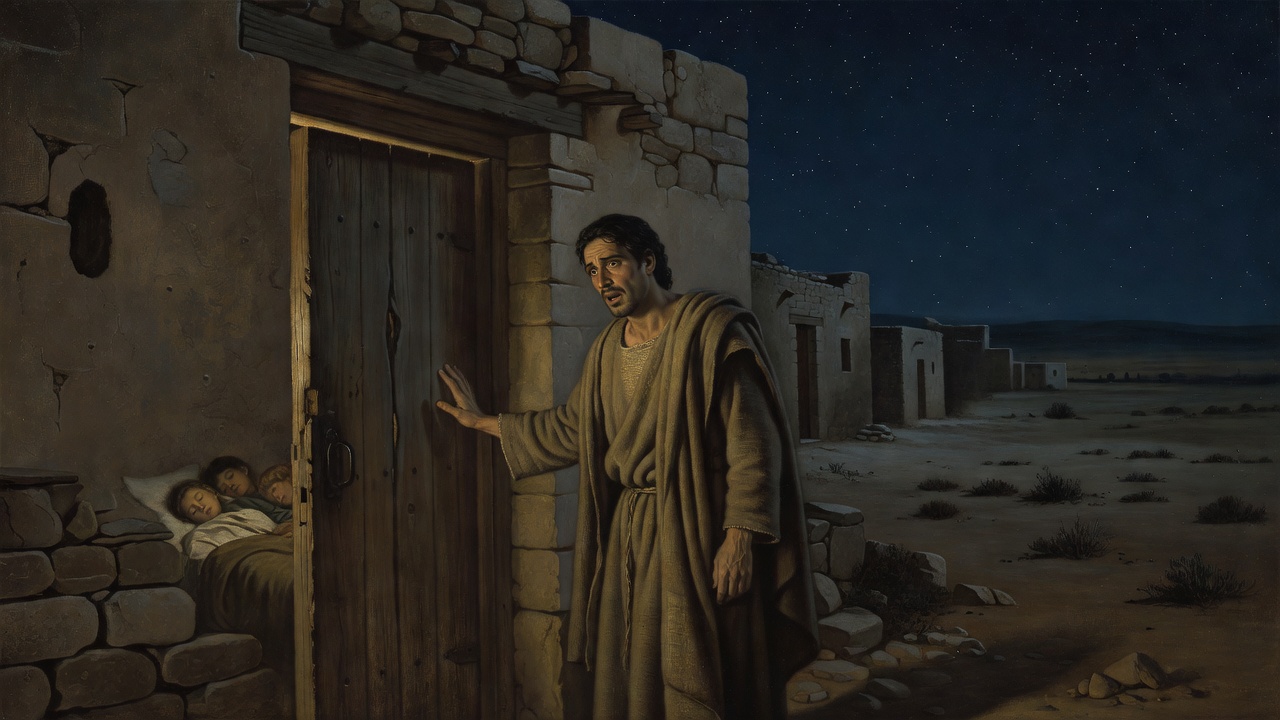
5Agĩcooka akĩmeera atĩrĩ, “Mũndũ ũmwe wanyu angĩkorwo arĩ na mũrata nake athiĩ gwake ũtukũ gatagatĩ amwĩre atĩrĩ, ‘Mũrata wakwa, he mĩgate ĩtatũ, 6nĩgũkorwo ndĩ na mũrata wakwa wanjeerera, na ndirĩ na kĩndũ gĩa kũmũhe arĩe.’
7“Nake mũndũ ũcio ũrĩ nyũmba thĩinĩ amũcookerie atĩrĩ, ‘Tiga gũũthĩĩnia. Nĩndĩkĩtie kũhinga mũrango na tũrĩ toro hamwe na ciana ciakwa. Ndingĩhota gũũkĩra ngũhe mĩgate.’ 8Ngũmwĩra atĩrĩ, o na angĩkorwo ndangĩũkĩra amũhe mĩgate ĩyo nĩ ũndũ wa ũrata-rĩ, no nĩ ũndũ wa ũrĩa amũringĩrĩirie-rĩ, mũndũ ũcio nĩegũũkĩra amũhe kĩrĩa gĩothe abatairio nĩkĩo.”
9“Nĩ ũndũ ũcio ngũmwĩra atĩrĩ: Hooyai na nĩmũkũheo; mathaai na nĩmũkuona; ringaringai mũrango na nĩmũkũhingũrĩrwo. 10Nĩgũkorwo ũrĩa wothe ũhooyaga nĩaheagwo; na ũrĩa ũmaathaga nĩonaga; na ũrĩa ũringaringaga mũrango nĩahingũragĩrwo.
11“Nĩ mũciari ũrĩkũ thĩinĩ wanyu ũngĩĩtio thamaki nĩ mwana wake, nake amũhe nyoka? 12Kana eetio itumbĩ amũhe kangʼaurũ? 13Angĩkorwo inyuĩ, o na mũrĩ ooru, nĩmũũĩ kũhe ciana cianyu iheo njega-rĩ, Ithe wanyu ũrĩa ũrĩ Igũrũ githĩ ndarĩkĩragĩrĩria kũhe Roho Mũtheru kũrĩ arĩa mamũhooyaga!”
Jesũ na Beelizebuli
14Na rĩrĩ, Jesũ nĩaingataga ndaimono yume thĩinĩ wa mũndũ ũtaaragia. Rĩrĩa ndaimono ĩyo yoimire, mũndũ ũcio ũtaaragia akĩaria, nakĩo kĩrĩndĩ kĩa andũ gĩkĩgega. 15No amwe ao makiuga atĩrĩ, “Aingataga ndaimono na hinya wa Beelizebuli ũrĩa mũnene wa ndaimono.” 16Nao andũ angĩ makĩmũgeria, makĩmũũria amaringĩre kĩama kiumĩte igũrũ.
17Jesũ nĩamenyire ũrĩa meciiragia, nake akĩmeera atĩrĩ: “Ũthamaki o wothe ũngĩgayũkana ũũkanĩrĩre guo mwene no ũharagane, nayo nyũmba ĩngĩgayũkana yũkanĩrĩre yo nyene no ĩgwe. 18Angĩkorwo Shaitani nĩagayũkanĩte akeyũkĩrĩra we mwene-rĩ, ũthamaki wake ũngĩkĩĩhaanda atĩa? Ndoiga ũguo tondũ mũroiga atĩ niĩ nyingataga ndaimono na hinya wa Beelizebuli. 19Ningĩ angĩkorwo niĩ nyingataga ndaimono na hinya wa Beelizebuli-rĩ, arũmĩrĩri anyu maingataga ndaimono na hinya wa ũ? Nĩ ũndũ ũcio-rĩ, acio nĩo makaamũtuĩra ciira. 20Na rĩrĩ, ingĩkorwo nyingataga ndaimono na hinya wa kĩara kĩa Ngai-rĩ, ũthamaki wa Ngai nĩũũkĩte kũrĩ inyuĩ.
21“Rĩrĩa mũndũ njamba oya indo ciake ciothe cia mbaara, arangĩre nyũmba yake mwene, indo ciake ciikaraga irĩ ngitĩre. 22No rĩrĩ, mũndũ ũngĩ ũrĩ na hinya kũmũkĩra angĩmũtharĩkĩra amũtoorie, nĩamũtunyaga indo ciake cia mbaara iria ehokete, na akagaĩra andũ indo iria akoragwo atahĩte.
23“Mũndũ ũrĩa ũtarĩ hamwe na niĩ, ũcio nĩ thũ yakwa, na ũrĩa ũtacookanagĩrĩria hamwe na niĩ, ũcio nĩ kũhurunja ahurunjaga.
24“Na rĩrĩ, hĩndĩ ĩrĩa ngoma thũku yoima thĩinĩ wa mũndũ, ĩtuĩkanagĩria werũ-inĩ ĩgĩcaria ũhurũko na ĩkawaga. Hĩndĩ ĩyo ĩkoiga atĩrĩ, ‘Nĩngũcooka nyũmba ĩrĩa ndoimire.’ 25Na yacooka ĩgakora nyũmba ĩyo ĩrĩ haate, ĩgathondekwo wega. 26Hĩndĩ ĩyo ngoma ĩyo thũku ĩkagĩĩra ngoma ingĩ mũgwanja thũku makĩria mayo, igatoonya, igaikara kuo. Naguo mũikarĩre wa mũndũ ũcio ũgathũka gũkĩra wa mbere.”
27Rĩrĩa Jesũ aaragia maũndũ maya-rĩ, mũndũ-wa-nja warĩ gatagatĩ-inĩ ga kĩrĩndĩ akĩanĩrĩra na mũgambo mũnene, akiuga atĩrĩ, “Kũrathimwo nĩ maitũguo ũrĩa wagũciarire na agĩkuongithia.”
28Nake Jesũ agĩcookia atĩrĩ, “Kũrathimwo nĩ arĩa maiguaga kiugo kĩa Ngai na magagĩathĩkĩra.”
Kĩmenyithia kĩa Jona
29Na rĩrĩa kĩrĩndĩ kĩa andũ kĩongererekire-rĩ, Jesũ akiuga atĩrĩ, “Rũrũ nĩ rũciaro rwaganu. Rũũragia rũringĩrwo kĩama, no gũtirĩ kĩama rũkaringĩrwo tiga o kĩrĩa kĩaringĩirwo Jona. 30Nĩgũkorwo o ta ũrĩa Jona aarĩ kĩmenyithia kũrĩ andũ a Nineve, ũguo noguo Mũrũ wa Mũndũ egũkorwo arĩ kĩmenyithia kũrĩ rũciaro rũrũ. 31Mũtumia-mũthamaki ũrĩa wa mwena wa Gũthini nĩakarũgama hĩndĩ ya ciira hamwe na andũ a rũciaro rũrũ arũtuĩre ciira, nĩgũkorwo oimire ituri cia thĩ oke athikĩrĩrie ũũgĩ wa Solomoni, na rĩu ũmwe mũnene gũkĩra Solomoni arĩ haha. 32Andũ a Nineve nĩmakarũgama hĩndĩ ya ciira hamwe na rũciaro rũrũ marũtuĩre ciira; nĩgũkorwo nĩmeririre maahunjĩirio nĩ Jona, na rĩu ũmwe mũnene gũkĩra Jona arĩ haha.
Tawa wa Mwĩrĩ
33“Gũtirĩ mũndũ ũgwatagia tawa agacooka akaũiga handũ ũtangĩoneka kana akaũiga rungu rwa irebe, no aũigaga handũ igũrũ nĩguo arĩa megũtoonya nyũmba mathererwo nĩ ũtheri. 34Riitho rĩaku nĩrĩo tawa wa mwĩrĩ waku. Rĩrĩa maitho maku marĩ mega, mwĩrĩ waku wothe o naguo ũkoragwo ũiyũrĩte ũtheri. No rĩrĩa matarĩ mega-rĩ, mwĩrĩ waku o naguo ũkoragwo ũiyũrĩte nduma. 35Hakĩrĩ ũguo-rĩ, menyerera ũtheri ũrĩa ũrĩ thĩinĩ waku ndũgatuĩke nduma. 36Nĩ ũndũ ũcio-rĩ, mwĩrĩ waku wothe ũngĩiyũrwo nĩ ũtheri, na ndũrĩ handũ harĩ nduma, nĩũrĩtheragĩrwo nĩ ũtheri biũ, o ta ũrĩa ũtheri wa tawa ũkũmũrĩkagĩra.”
Haaro Ithathatũ
37Hĩndĩ ĩrĩa Jesũ aarĩkirie kwaria, Mũfarisai ũmwe akĩmũnyiita ũgeni gwake makarĩanĩre; nĩ ũndũ ũcio agĩthiĩ, agĩikara metha-inĩ. 38No Mũfarisai ũcio ona ũguo akĩgega nĩ ũndũ Jesũ ndaambire gwĩthamba moko atanarĩa irio.
39Nake Mwathani akĩmwĩra atĩrĩ, “Inyuĩ Afarisai mũthambagia gĩkombe na thaani mwena wa na igũrũ, no thĩinĩ wanyu mũiyũrĩtwo nĩ ũkoroku na waganu. 40Inyuĩ irimũ ici! Githĩ ũrĩa wombire mwena wa na nja to we wombire mwena wa na thĩinĩ? 41No rĩrĩ, heagai athĩĩni kĩrĩa kĩrĩ thĩinĩ wa thaani, na hĩndĩ ĩyo indo ciothe nĩigũtuĩka theru harĩ inyuĩ.”
42“Kaĩ mũrĩ na haaro inyuĩ Afarisai-ĩ! Tondũ mũrutagĩra Ngai gĩcunjĩ gĩa ikũmi gĩa terere, na togotia na nyeni cia mĩthemba yothe no mũkaaga kũrũmbũiya kĩhooto na wendani wa Ngai. Mwaagĩrĩirwo nĩ gwĩkaga maũndũ macio mũtegũtiganĩria macio mangĩ ma mbere.
43“Kaĩ mũrĩ na haaro inyuĩ Afarisai-ĩ! Tondũ mwendaga gũikarĩra itĩ iria cia mbere thunagogi-inĩ na mũgeithagio mũrĩ ndũnyũ-inĩ.
44“Kaĩ mũrĩ na haaro-ĩ, tondũ mũtariĩ ta mbĩrĩra itarĩ rũũri iria andũ mageragĩra igũrũ rĩacio matekũmenya.”
45Mũrutani ũmwe wa Watho akĩmũcookeria, akĩmwĩra atĩrĩ, “Mũrutani, rĩrĩa ũkwaria maũndũ macio-rĩ, nĩũratũruma o na ithuĩ.”
46Nake Jesũ akĩmũcookeria atĩrĩ, “O na inyuĩ arutani a Watho kaĩ mũrĩ na haaro-ĩ! Tondũ mũkuuithagia andũ mĩrigo mĩritũ ĩrĩa matangĩhota gũkuua, na inyuĩ ene mũtingĩmĩhutia o na kaara kamwe mũmateithie.
47“Kaĩ mũrĩ na haaro-ĩ! Tondũ mwakagĩra anabii mbĩrĩra, o arĩa mooragirwo nĩ maithe manyu ma tene. 48Nĩ ũndũ ũcio mũgakĩruta ũira atĩ nĩmwĩtĩkanĩtie na ũrĩa maithe manyu meekire; atĩ nĩo mooragire anabii, na inyuĩ mũkamaakĩra mbĩrĩra. 49Tondũ wa ũguo ũũgĩ wa Ngai uugĩte atĩrĩ, ‘Nĩngamatũmĩra anabii na atũmwo, moorage amwe ao na manyariire arĩa angĩ.’ 50Nĩ ũndũ ũcio rũciaro rũrũ nĩrũgaciirithĩrio thakame ya anabii othe ĩrĩa yanaitwo kuuma o kĩambĩrĩria gĩa thĩ, 51kuuma thakame ya Habili nginya thakame ya Zekaria ũrĩa woragĩirwo gatagatĩ-inĩ ga kĩgongona na handũ harĩa hatheru. Ĩĩ nĩguo, ngũmwĩra atĩrĩ, rũciaro rũrũ nĩrũkaherithĩrio thakame ĩyo.
52“Kaĩ mũrĩ na haaro inyuĩ arutani a watho-ĩ! Tondũ nĩmweheretie kĩhingũro kĩa ũmenyo. Inyuĩ ene mũtiigana gũtoonya, na arĩa marenda gũtoonya mũkamagiria.”
53Jesũ aarĩkia kuuma kũu, Afarisai na arutani a watho makĩambĩrĩria kũmũkararia marĩ na ũũru mũno na kũmũũgita na kũmũũria ciũria nĩguo aarie maũndũ maingĩ, 54makĩgeria kũmũtega maigue kana nĩ harĩ ũndũ mũũrũ angĩaria.
Did you know?
Prayer, Signs, and Woes
- Jesus speaks of the blood of all the prophets, from the blood of Abel to the blood of Zechariah, who was killed between the altar and the sanctuary. Abel was the second son of Adam and Eve and was killed by his brother Cain. Easton's Bible Dictionary (1897) identifies this Zechariah as the son or grandson of the high priest Jehoiada, stoned at the king's command in the court of the house of the Lord after he condemned the king and the people, and notes that Jesus alludes to that murder in this chapter.Sources: the Bible text itself · Abel · Zacharias
- Jesus says this generation will be given no sign except the sign of Jonah: as Jonah was a sign to the Ninevites, so the Son of Man will be a sign to this generation, and the men of Nineveh, who repented at his preaching, will condemn it at the judgment, because someone greater than Jonah is here. Easton's Bible Dictionary (1897) describes Jonah, son of Amittai of Gath-hepher, as a prophet of Israel and a missionary to Nineveh, and calls him a type of the Son of Man. It describes Nineveh as a great and populous city, the flourishing capital of the Assyrian empire.Sources: the Bible text itself · Jonah · Nineveh
- After Jesus drives out a demon that was mute, some say he does it by Beelzebul, the prince of the demons. Easton's Bible Dictionary (1897) explains the name Satan as adversary or accuser, says the New Testament uses it interchangeably with the devil, and lists Beelzebub among his titles. Jesus answers that every kingdom divided against itself will be laid waste, and asks how Satan's kingdom can stand if Satan is divided against himself.Sources: the Bible text itself · Satan
Notes written with AI assistance from open sources (Theographic Bible Metadata, CC BY-SA 4.0; Easton’s Bible Dictionary, public domain) and reviewed before publishing.
Places in this chapter
Only places identified with high confidence are shown (90% or more according to the scholarly sources compiled by OpenBible). Period map: DARE (Digital Atlas of the Roman Empire), CC BY 4.0; modern map: © OpenStreetMap contributors; places: OpenBible.info (CC BY 4.0).
Credits and license for this translation
Biblica® Kiugo Gĩtheru Kĩa Ngai Kĩhingũre Gikuyu: Biblica® Kiugo Gĩtheru Kĩa Ngai Kĩhingũre (Bible) of Kenya copyright © 2013 Biblica, Inc. Language: Kikuyu (Gikuyu) Contributor: Biblica, Inc. Wĩra ũyũ ũheanĩtwo na ũndũ wa rũtha rwa biacara rwa Creative Commons Attribution-ShareAlike 4.0 International License (CC BY-SA). Ũngĩenda kuona kobĩ ya rũtha rũrũ rwa biacara, rora rũrenda-inĩ rwa: http://creativecommons.org/licenses/by-sa/4.0, kana ũtũme marũa kũrĩ: Creative Commons, PO Box 1866, Mountain View, CA 94042, USA. Biblica® nĩ mũhũri wa biacara wandĩkithĩtio nĩ Biblica, Inc., kũhũthĩra mũhũri wa biacara wa Biblica® kũbataraga marũa ma gwĩtĩkĩrio kuuma kũrĩ Biblica, Inc. Kuumana na rũtha rwa biacara rwa CC BY-SA, no ũkobie kana ũtambie wĩra ũyũ ũtarĩ mũgarũre, ĩndĩ ndũkagarũre rũri rwa biacara rwa Biblica®. Ũngĩgarũra kana ũkobie wĩra ũyũ, na tondũ wa ũguo ũtuĩke nĩ wĩra mwerũ uumanĩte na ũcio-rĩ, no nginya weheria mũhũri wa biacara wa Biblica®. Wĩra-inĩ ũcio mwerũ no nginya wonanie nĩ maũndũ marĩkũ ũgarũrĩte, na ũtarĩrie wĩra-inĩ ũcio ta ũũ: “Wĩra wa kĩhumo warĩ wa Biblica, Inc. na ũheanĩtwo tũhũ ng’enda-inĩ cia www.biblica.com na open.bible.” Kĩmenyitha kia Mwene-wĩra no nginya kĩandĩkwo iratathi rĩa kĩongo kĩa wĩra kana rĩa ũhoro wa Mwene-wĩra ta ũũ: Biblica® Kiugo Gĩtheru Kĩa Ngai Kĩhingũre™ Kĩmenyithia kĩa Mwene-wĩra © 2013 nĩ Biblica, Inc. Biblica® Open Kikuyu Holy Word of God™ Copyright © 2013 by Biblica, Inc. “Biblica” nĩ mũhũri wa biacara wandĩkithĩtio wabici-inĩ ya United States Patent and Trademark Office nĩ Biblica, Inc. Ũhũthĩrĩtwo na rũtha. “Biblica” is a trademark registered in the United States Patent and Trademark Office by Biblica, Inc. Used with permission. No nginya wĩtĩkĩrie wĩra ũcio mwerũ ũgarũrĩte ũheanwo na ũndũ wa rũtha rwa biacara rũu rwa CC BY-SA. Ũngĩenda kũmenyithia Biblica, Inc. ũhoro wĩgiĩ ũtaũri waku wa wĩra ũyũ-rĩ, twandĩkĩre rũrenda-inĩ rwa: https://open.bible/contact-us. This work is made available under the Creative Commons Attribution-ShareAlike 4.0 International License (CC BY-SA). To view a copy of this license, visit http://creativecommons.org/licenses/by-sa/4.0 or send a letter to Creative Commons, PO Box 1866, Mountain View, CA 94042, USA. Biblica® is a trademark registered by Biblica, Inc., and use of the Biblica® trademark requires the written permission of Biblica, Inc. Under the terms of the CC BY-SA license, you may copy and redistribute this unmodified work as long as you keep the Biblica® trademark intact. If you modify a copy or translate this work, thereby creating a derivative work, you must remove the Biblica® trademark. On the derivative work, you must indicate what changes you have made and attribute the work as follows: “The original work by Biblica, Inc. is available for free at www.biblica.com and open.bible.” Notice of copyright must appear on the title or copyright page of the work as follows: Biblica® Kiugo Gĩtheru Kĩa Ngai Kĩhingũre™ Kĩmenyithia kĩa Mwene-wĩra © 2013 nĩ Biblica, Inc. Biblica® Open Kikuyu Holy Word of God™ Copyright © 2013 by Biblica, Inc. “Biblica” nĩ mũhũri wa biacara wandĩkithĩtio wabici-inĩ ya United States Patent and Trademark Office nĩ Biblica, Inc. Ũhũthĩrĩtwo na rũtha. “Biblica” is a trademark registered in the United States Patent and Trademark Office by Biblica, Inc. Used with permission. You must also make your derivative work available under the same license (CC BY-SA). If you would like to notify Biblica, Inc. regarding your translation of this work, please contact us at https://open.bible/contact-us. This translation is made available to you under the terms of the Creative Commons Attribution Share-Alike license 4.0. You have permission to share and redistribute this Bible translation in any format and to make reasonable revisions and adaptations of this translation, provided that: You include the above copyright and source information. If you make any changes to the text, you must indicate that you did so in a way that makes it clear that the original licensor is not necessarily endorsing your changes. If you redistribute this text, you must distribute your contributions under the same license as the original. Pictures included with Scriptures and other documents on this site are licensed just for use with those Scriptures and documents. For other uses, please contact the respective copyright owners. Note that in addition to the rules above, revising and adapting God's Word involves a great responsibility to be true to God's Word. See Revelation 22:18-19. 2025-05-07
Source: http://ebible.org/kik/ · eBible.org