John 8
Biblica® Kiugo Gĩtheru Kĩa Ngai Kĩhingũre · Tap a verse to see its cross-references.
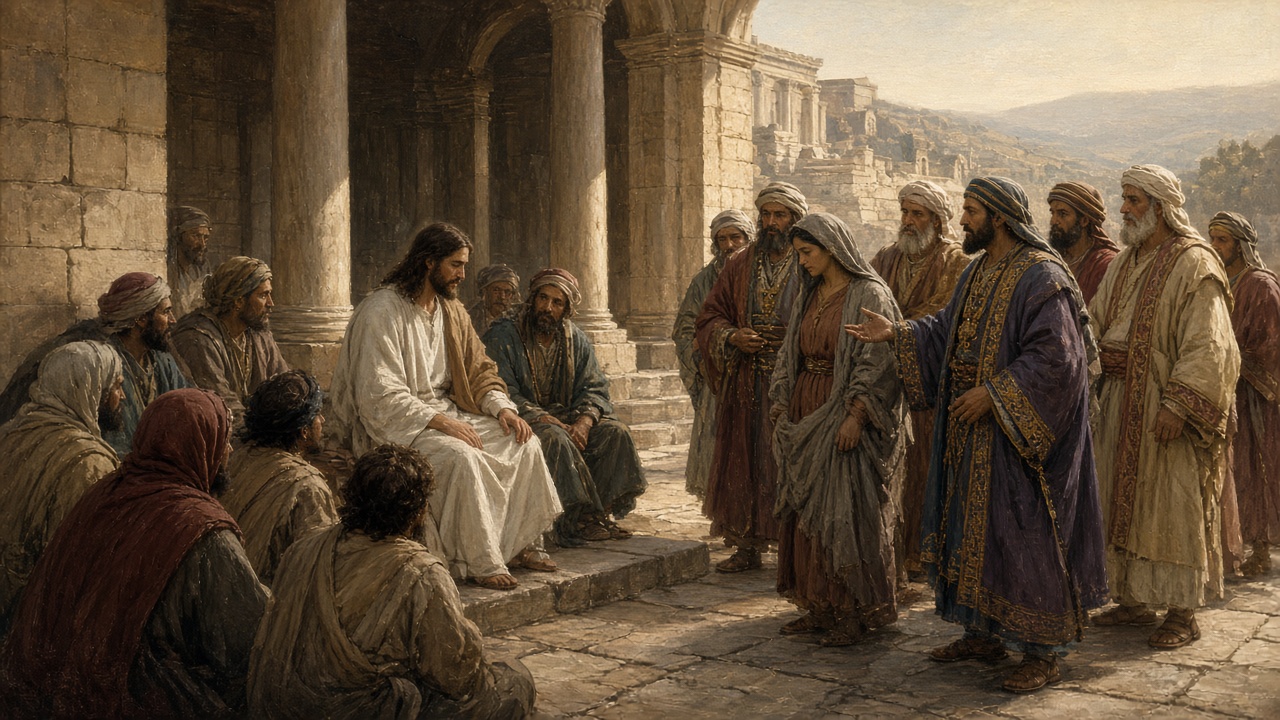
1No rĩrĩ, Jesũ agĩthiĩ Kĩrĩma-inĩ kĩa Mĩtamaiyũ. 2Na rũciinĩ tene akĩroka o rĩngĩ kũu nja cia hekarũ, kũrĩa andũ othe maamũrigiicĩirie. Nake agĩikara thĩ kũmaruta. 3Arutani a watho hamwe na Afarisai makĩrehe mũtumia wanyiitĩtwo agĩtharia. Makĩmũrũgamia hau mbere ya gĩkundi, 4na makĩĩra Jesũ atĩrĩ, “Mũrutani, mũtumia ũyũ aanyiitwo agĩtharia. 5Thĩinĩ wa watho-rĩ, Musa aatwathire tũhũũrage atumia ta aya na mahiga nyuguto. Rĩu we ũkuuga atĩa?” 6Maahũthagĩra kĩũria gĩkĩ kĩrĩ ta mũtego, nĩgeetha magĩe na ũndũ wa kũmũthitangĩra.
No Jesũ akĩinamĩrĩra, na akĩambĩrĩria kwandĩka thĩ na kĩara gĩake. 7Na rĩrĩa maathiire na mbere kũmũũria ũhoro ũcio, akĩinamũka, akĩmeera atĩrĩ, “Angĩkorwo harĩ na ũmwe wanyu ũtarĩ ehia-rĩ, nĩatuĩke wa mbere kũmũikĩria ihiga.” 8Agĩcooka akĩinamĩrĩra rĩngĩ, akĩandĩka thĩ na kĩara.
9Rĩrĩa maiguire ũguo, makĩambĩrĩria kwehera hau ũmwe kwa ũmwe, maambĩrĩirie na arĩa akũrũ, nginya hagĩtigara o Jesũ na mũtumia ũcio arũngiĩ o hau. 10Jesũ akĩinamũka, akĩmũũria atĩrĩ, “Mũtumia ũyũ, agũthitangi marĩ ha? Hatirĩ o na ũmwe wao wagũtuĩra?”
11Nake akĩmũcookeria atĩrĩ, “Mũthuuri ũyũ, gũtirĩ o na ũmwe.”
Nake Jesũ akiuga atĩrĩ, “O na niĩ ndigũgũtuĩra. Thiĩ, na ndũkanacooke kwĩhia.”)
Ũira wa Jesũ nĩ wa Ma
12Rĩrĩa Jesũ aarĩirie andũ rĩngĩ, akiuga atĩrĩ, “Niĩ nĩ niĩ ũtheri wa thĩ. Ũrĩa wothe ũnũmagĩrĩra ndarĩ hĩndĩ arĩthiiaga na nduma, no arĩgĩaga na ũtheri wa muoyo.”
13Nao Afarisai makĩmũkararia, makĩmwĩra atĩrĩ, “We ũraheana ũira waku wee mwene; ũira waku ti wa ma.”
14Nake Jesũ agĩcookia atĩrĩ, “O na ingĩruta ũira wakwa niĩ mwene-rĩ, ũira wakwa nĩ wa ma, nĩgũkorwo nĩnjũũĩ kũrĩa ndoimire o na kũrĩa ndĩrathiĩ. No inyuĩ mũtiũĩ kũrĩa nyumĩte kana kũrĩa ndĩrathiĩ. 15Inyuĩ mũtuanagĩra ciira na ũmũndũ; niĩ ndirĩ mũndũ nduagĩra ciira. 16No o na ingĩtuanĩra ciira-rĩ, itua rĩakwa nĩrĩagĩrĩire, nĩgũkorwo ndituanagĩra ndĩ nyiki. No niĩ ndĩ na Baba, ũrĩa wandũmire. 17Thĩinĩ wa watho wanyu nĩ kwandĩkĩtwo atĩ ũira wa andũ eerĩ nĩ wa ma. 18Niĩ ndĩraruta ũira wakwa mwene; nake mũira wakwa ũcio ũngĩ nĩ Baba ũrĩa wandũmire.”
19Ningĩ makĩmũũria atĩrĩ, “Thoguo arĩ kũ?”
Nake Jesũ akĩmacookeria atĩrĩ, “Inyuĩ mũtinjũũĩ, o na Baba mũtimũũĩ. Korwo nĩmũnjũũĩ, o na Baba nĩmũngĩmũũĩ.” 20Nake aaragia ciugo icio akĩrutana hekarũ-inĩ hakuhĩ na harĩa mũhothi warutagĩrwo. No gũtirĩ mũndũ wamũnyiitire nĩ tondũ ihinda rĩake rĩtiarĩ ikinyu.
21O rĩngĩ Jesũ akĩmeera atĩrĩ, “Nĩngwĩthiĩra, na inyuĩ nĩmũkanjaria no mũgaakua mũrĩ o mehia-inĩ manyu. Kũrĩa ngũthiĩ inyuĩ mũtingĩhota gũũka.”
22Ũhoro ũcio ũgĩtũma Ayahudi morie atĩrĩ, “Kaĩ ekwĩyũraga? Hihi nĩkĩo aroiga atĩ, ‘Kũrĩa ngũthiĩ mũtingĩhota gũũka’?”
23Nowe akĩmeera atĩrĩ, “Inyuĩ mũrĩ a gũkũ thĩ, niĩ nyumĩte Igũrũ. 24Inyuĩ mũrĩ a thĩ-ĩno; no niĩ ndirĩ wa thĩ-ĩno. Ndamwĩrire atĩ mũgaakua mũrĩ o mehia-inĩ manyu; mũngĩrega gwĩtĩkia ũrĩa njugaga atĩ niĩ nĩ niĩ we, ti-itherũ mũgaakua mũrĩ o mehia-inĩ manyu.”
25Nao makĩmũũria atĩrĩ, “Wee nĩwe ũ.”
Nake Jesũ akĩmeera atĩrĩ, “Niĩ nĩ niĩ o ũrĩa ndũũrĩte ndĩmwĩraga kuuma o kĩambĩrĩria. 26Ndĩ na maũndũ maingĩ ingiuga ma kũmũciirithia namo. No ũrĩa wandũmire nĩ mwĩhokeku, naguo ũrĩa njiguĩte kuuma kũrĩ we nĩguo njĩĩraga kĩrĩndĩ.”
27Nao matiigana kũmenya atĩ aameeraga ũhoro wa Ithe. 28Nĩ ũndũ ũcio Jesũ akĩmeera atĩrĩ, “Mwarĩkia kwambararia Mũrũ wa Mũndũ-rĩ, nĩguo mũkamenya ũrĩa njugaga atĩ niĩ nĩ niĩ we, na atĩ gũtirĩ ũndũ njĩkaga ndĩĩrĩte, no njaragia o ũrĩa Baba andutĩte. 29Nake ũrĩa wandũmire arĩ hamwe na niĩ; ndandigĩte ndĩ nyiki, nĩgũkorwo hĩndĩ ciothe njĩkaga maũndũ o marĩa mamũkenagia.” 30O akĩaragia-rĩ, andũ aingĩ makĩmwĩtĩkia.
Ciana cia Iburahĩmu
31Nake Jesũ akĩĩra Ayahudi arĩa maamwĩtĩkĩtie atĩrĩ, “Mũngĩrũmia ũrutani wakwa-rĩ, mũrĩ arutwo akwa kũna. 32Nĩ mũkaamenya ũhoro wa ma, naguo ũhoro ũcio wa ma nĩ ũkaamũkũũra.”
33Nao makĩmũcookeria makĩmwĩra atĩrĩ, “Ithuĩ tũrĩ a rũciaro rwa Iburahĩmu, na tũtirĩ twatuĩka ngombo cia mũndũ o na ũ. Ũngĩkiuga atĩa atĩ nĩtũgakũũrwo?”
34Nake Jesũ akĩmacookeria atĩrĩ, “Ngũmwĩra atĩrĩ o ma, mũndũ o wothe wĩhagia nĩ ngombo ya mehia. 35No rĩrĩ, ngombo ti ya gũtũũra mũciĩ nginya tene no mũriũ wa mwene mũciĩ nĩ wa gũtũũra mũciĩ nginya tene. 36Nĩ ũndũ ũcio Mũrũ wa Ngai angĩkamũkũũra-rĩ, nĩmũgakũũrwo kũna. 37Nĩnjũũĩ mũrĩ a rũciaro rwa Iburahĩmu, no nĩmwĩharĩirie kũnjũraga, tondũ ũhoro wakwa ndũrĩ na ũikaro thĩinĩ wanyu. 38Niĩ ndĩramwĩra maũndũ marĩa nyonete harĩ Baba, na inyuĩ mwĩkaga maũndũ marĩa mũiguĩte kuuma kũrĩ ithe wanyu.”
39Nao makĩmũcookeria atĩrĩ, “Iburahĩmu nĩwe ithe witũ.” Nake Jesũ akĩmeera atĩrĩ,
“Mũngĩrĩ ciana cia Iburahĩmu-rĩ, nĩ mũngĩĩkaga maũndũ marĩa Iburahĩmu eekaga. 40Ũrĩa kũrĩ nĩ atĩ, inyuĩ nĩmũtuĩte itua rĩa kũnjũraga, o niĩ mũndũ ũrĩa ũmũheete ũhoro ũrĩa wa ma, o ũrĩa ndaiguire kuuma kũrĩ Ngai. Ũguo tiguo Iburahĩmu eekaga. 41Inyuĩ mũreka maũndũ marĩa ithe wanyu ekaga.”
Nao makĩmũkararia makĩmwĩra atĩrĩ, “Ithuĩ tũtirĩ ciana ciumanĩte na ũtharia. Ithuĩ tũrĩ na Baba ũmwe tu, na nĩwe Ngai.”
Ciana cia Mũcukani
42Jesũ akĩmeera atĩrĩ, “Ngai angĩrĩ Ithe wanyu-rĩ, no mũnyende, nĩgũkorwo ndoimire kũrĩ Ngai, na rĩu ndĩ gũkũ. Ti niĩ mwene ndĩĩtũmĩte, no nĩwe wandũmire. 43Mũraga gũtaũkĩrwo nĩ ũrĩa ndĩroiga nĩkĩ? Tondũ mũtirahota kũmenya ũhoro ũrĩa ndĩraria. 44Inyuĩ mũrĩ ciana cia ithe wanyu, Mũcukani, na mwendaga kũhingia merirĩria ma ithe wanyu. We aarĩ mũũragani kuuma o kĩambĩrĩria. Ndathingataga ũhoro wa ma, nĩgũkorwo gũtirĩ ũhoro wa ma thĩinĩ wake. Rĩrĩa ekũheenania, aaragia rũthiomi rwake, tondũ we nĩ mũheenania, na nĩwe ithe wa maheeni. 45No tondũ njaragia ũhoro wa ma-rĩ, mũtinjĩtĩkagia. 46Nĩ kũrĩ mũndũ ũmwe wanyu ũngĩonania atĩ ndĩ mwĩhia? Angĩkorwo ndĩraria ũhoro wa ma-rĩ, mũregaga kũnjĩtĩkia nĩkĩ? 47Ũrĩa ũrĩ wa Ngai nĩaiguaga ũrĩa Ngai oigaga. Kĩrĩa kĩgiragia mũmũigue nĩ tondũ mũtirĩ a Ngai.”
Uuge wa Jesũ Igũrũ Rĩake we Mwene
48Nao Ayahudi makĩmũcookeria atĩrĩ, “Githĩ tũtirĩ na kĩhooto gĩa kuuga atĩ wee ũrĩ Mũsamaria na ũrĩ na ndaimono?”
49Nake Jesũ akĩmeera atĩrĩ, “Niĩ ndirĩ na ndaimono, no nĩndĩĩte Baba, no inyuĩ mũtindĩĩte. 50Ndirecarĩria ũgooci wakwa niĩ mwene, no nĩ harĩ na ũmwe ũrĩa ũũcaragia, na nĩwe mũtuanĩri ciira. 51Ngũmwĩra atĩrĩ na ma, mũndũ o wothe angĩrũmia kiugo gĩakwa, ndarĩ hĩndĩ akona gĩkuũ.”
52Ayahudi maigua ũguo, makĩgũthũka makĩmwĩra atĩrĩ, “Rĩu nĩtwamenya atĩ ũrĩ na ndaimono. Iburahĩmu nĩakuire o na anabii magĩkua, no wee ũroiga atĩ mũndũ o wothe angĩrũmia kiugo gĩaku, ndagacama gĩkuũ. 53Wee ũkĩrĩ mũnene gũkĩra ithe witũ Iburahĩmu? We nĩakuire o na anabii magĩkua. Kaĩ ũreciiria we ũrĩ ũ?”
54Nake Jesũ akĩmacookeria atĩrĩ, “Ingĩĩgooca-rĩ, kwĩgooca gwakwa nĩ gwa tũhũ. Baba, ũrĩa muugaga atĩ nĩwe Ngai wanyu nĩwe ũngoocithagia. 55O na gũtuĩka mũtimũũĩ, niĩ nĩndĩmũũĩ. Ingiuga atĩ ndimũũĩ, ingĩtuĩka wa maheeni ta inyuĩ, no nĩndĩmũũĩ na nĩnũmĩtie kiugo gĩake. 56Ithe wanyu Iburahĩmu nĩakenaga atĩ nĩakona mũthenya wakwa; na nĩawonire na agĩcanjamũka.”
57Nao Ayahudi makĩmwĩra atĩrĩ, “Wee o na ndũkinyĩtie mĩaka mĩrongo ĩtano, na ũkoiga atĩ nĩwonete Iburahĩmu!”
58Nake Jesũ akĩmacookeria atĩrĩ, “Ngũmwĩra atĩrĩ na ma, Iburahĩmu atanaciarwo, Niĩ ndũire!” 59Maigua ũguo makĩoya mahiga mamũhũũre namo nyuguto, no Jesũ akĩĩhitha, akiuma kũu hekarũ-inĩ.
Did you know?
Light, Law, and Abraham
- John 8 opens as Jesus goes to the Mount of Olives and returns early in the morning to the temple courts, where he sits and teaches the people who gather. The Mount of Olives is a ridge east of Jerusalem, separated from the city by the Kidron valley and named for the olive trees that cover its sides.Sources: the Bible text itself · Mount of Olives
- Scribes and Pharisees bring in a woman caught in adultery and ask Jesus what he says about Moses' command in the Law to stone such a woman, seeking to test him and to gain a basis for accusing him. Still in the temple courts, near the treasury, Jesus later says, "I am the light of the world." A dated event list places both episodes in AD 29, each lasting one day.Sources: the Bible text itself · Woman Caught in Adultery · Light of the World/I am discourse
- When Jesus says that the truth will set them free, his hearers answer that they are Abraham's descendants and have never been slaves to anyone. Abraham is called "father of a multitude"; he was the son of Terah and the heir of the promises. After Jesus declares, "before Abraham was born, I am," they pick up stones to throw at him.Sources: the Bible text itself · Abraham
Notes written with AI assistance from open sources (Theographic Bible Metadata, CC BY-SA 4.0; Easton’s Bible Dictionary, public domain) and reviewed before publishing.
Places in this chapter
- Mount of Olives · 31.778, 35.246 · verse 1
Only places identified with high confidence are shown (90% or more according to the scholarly sources compiled by OpenBible). Period map: DARE (Digital Atlas of the Roman Empire), CC BY 4.0; modern map: © OpenStreetMap contributors; places: OpenBible.info (CC BY 4.0).
Credits and license for this translation
Biblica® Kiugo Gĩtheru Kĩa Ngai Kĩhingũre Gikuyu: Biblica® Kiugo Gĩtheru Kĩa Ngai Kĩhingũre (Bible) of Kenya copyright © 2013 Biblica, Inc. Language: Kikuyu (Gikuyu) Contributor: Biblica, Inc. Wĩra ũyũ ũheanĩtwo na ũndũ wa rũtha rwa biacara rwa Creative Commons Attribution-ShareAlike 4.0 International License (CC BY-SA). Ũngĩenda kuona kobĩ ya rũtha rũrũ rwa biacara, rora rũrenda-inĩ rwa: http://creativecommons.org/licenses/by-sa/4.0, kana ũtũme marũa kũrĩ: Creative Commons, PO Box 1866, Mountain View, CA 94042, USA. Biblica® nĩ mũhũri wa biacara wandĩkithĩtio nĩ Biblica, Inc., kũhũthĩra mũhũri wa biacara wa Biblica® kũbataraga marũa ma gwĩtĩkĩrio kuuma kũrĩ Biblica, Inc. Kuumana na rũtha rwa biacara rwa CC BY-SA, no ũkobie kana ũtambie wĩra ũyũ ũtarĩ mũgarũre, ĩndĩ ndũkagarũre rũri rwa biacara rwa Biblica®. Ũngĩgarũra kana ũkobie wĩra ũyũ, na tondũ wa ũguo ũtuĩke nĩ wĩra mwerũ uumanĩte na ũcio-rĩ, no nginya weheria mũhũri wa biacara wa Biblica®. Wĩra-inĩ ũcio mwerũ no nginya wonanie nĩ maũndũ marĩkũ ũgarũrĩte, na ũtarĩrie wĩra-inĩ ũcio ta ũũ: “Wĩra wa kĩhumo warĩ wa Biblica, Inc. na ũheanĩtwo tũhũ ng’enda-inĩ cia www.biblica.com na open.bible.” Kĩmenyitha kia Mwene-wĩra no nginya kĩandĩkwo iratathi rĩa kĩongo kĩa wĩra kana rĩa ũhoro wa Mwene-wĩra ta ũũ: Biblica® Kiugo Gĩtheru Kĩa Ngai Kĩhingũre™ Kĩmenyithia kĩa Mwene-wĩra © 2013 nĩ Biblica, Inc. Biblica® Open Kikuyu Holy Word of God™ Copyright © 2013 by Biblica, Inc. “Biblica” nĩ mũhũri wa biacara wandĩkithĩtio wabici-inĩ ya United States Patent and Trademark Office nĩ Biblica, Inc. Ũhũthĩrĩtwo na rũtha. “Biblica” is a trademark registered in the United States Patent and Trademark Office by Biblica, Inc. Used with permission. No nginya wĩtĩkĩrie wĩra ũcio mwerũ ũgarũrĩte ũheanwo na ũndũ wa rũtha rwa biacara rũu rwa CC BY-SA. Ũngĩenda kũmenyithia Biblica, Inc. ũhoro wĩgiĩ ũtaũri waku wa wĩra ũyũ-rĩ, twandĩkĩre rũrenda-inĩ rwa: https://open.bible/contact-us. This work is made available under the Creative Commons Attribution-ShareAlike 4.0 International License (CC BY-SA). To view a copy of this license, visit http://creativecommons.org/licenses/by-sa/4.0 or send a letter to Creative Commons, PO Box 1866, Mountain View, CA 94042, USA. Biblica® is a trademark registered by Biblica, Inc., and use of the Biblica® trademark requires the written permission of Biblica, Inc. Under the terms of the CC BY-SA license, you may copy and redistribute this unmodified work as long as you keep the Biblica® trademark intact. If you modify a copy or translate this work, thereby creating a derivative work, you must remove the Biblica® trademark. On the derivative work, you must indicate what changes you have made and attribute the work as follows: “The original work by Biblica, Inc. is available for free at www.biblica.com and open.bible.” Notice of copyright must appear on the title or copyright page of the work as follows: Biblica® Kiugo Gĩtheru Kĩa Ngai Kĩhingũre™ Kĩmenyithia kĩa Mwene-wĩra © 2013 nĩ Biblica, Inc. Biblica® Open Kikuyu Holy Word of God™ Copyright © 2013 by Biblica, Inc. “Biblica” nĩ mũhũri wa biacara wandĩkithĩtio wabici-inĩ ya United States Patent and Trademark Office nĩ Biblica, Inc. Ũhũthĩrĩtwo na rũtha. “Biblica” is a trademark registered in the United States Patent and Trademark Office by Biblica, Inc. Used with permission. You must also make your derivative work available under the same license (CC BY-SA). If you would like to notify Biblica, Inc. regarding your translation of this work, please contact us at https://open.bible/contact-us. This translation is made available to you under the terms of the Creative Commons Attribution Share-Alike license 4.0. You have permission to share and redistribute this Bible translation in any format and to make reasonable revisions and adaptations of this translation, provided that: You include the above copyright and source information. If you make any changes to the text, you must indicate that you did so in a way that makes it clear that the original licensor is not necessarily endorsing your changes. If you redistribute this text, you must distribute your contributions under the same license as the original. Pictures included with Scriptures and other documents on this site are licensed just for use with those Scriptures and documents. For other uses, please contact the respective copyright owners. Note that in addition to the rules above, revising and adapting God's Word involves a great responsibility to be true to God's Word. See Revelation 22:18-19. 2025-05-07
Source: http://ebible.org/kik/ · eBible.org