2 Corinthians 8
Topẽ vĩ rá · Tap a verse to see its cross-references.
Ẽg tỹ jãnkamy nĩm ke
1Kỹ sóg ãjag mỹ Topẽ tỹ ga tỹ Macedônia tá ke ag tar han mũ tó sór mũ gé, Macedônia tá igreja krẽm vẽnhmãn kỹ nỹtĩ ag, ũ tỹ tá vẽnh pãnpin tĩ ag. Ãjag jagãgtar hã ra ag tóg Jerusalém tá ke ag jagãgtãn sór mũ, ag mỹ jãnkamy jẽnẽn kỹ. 2Ha vé, ti jagy pẽ hã ve ja ag tóg nĩgtĩ, Macedônia tá ke ag, ag jykre há vẽnh ven jé. Ge ra tóg ag mỹ sér tĩ. Jagãgtar ag nỹtĩ gé, tỹ nén (ũ) mág tũ ag nỹtĩ. Hã ra ag tóg, ag mỹ sér nĩn kỹ (ag tóg) vin mág pẽ han ja nĩgtĩ, ag jagtar mág mũ ra. Ag tỹ Jerusalém ra jãnkamy jẽnẽ sór vẽ. 3Ha vé, ag jykre ve inh. Ãjag tỹ nén (ũ) tỹ vẽnh kãpãm ag tóg, ag jẽn mré hã. 4To ag tóg inh mỹ to vĩ mág, isỹ ag mỹ: “ãjag tũ tỹ vẽnh kãpãm tũg nĩ,” he tũ nĩn jé. Ag tỹ Topẽ tũ ag mỹ nén ũ há han sór vẽ. Tag hã ne ag mỹ sér tĩ', Topẽ tỹ tag to ag tar han kỹ, hã kỹ ag tóg inh mỹ: “ẽg tỹ ag mỹ jãnkamy jẽnẽ sór vẽ,” he mũ. 5Kỹ ag tóg vẽnh jykre há han, isỹ ag ki vẽnh jykre há ve sór mũ ẽn kãfór. Ẽg Senhor mỹ ag tóg vẽnh vin, kar kỹ ag tóg inh mỹ vẽnh vin gé, Topẽ tỹ ag mỹ: “ha ti mỹ vẽnh vin,” hen kỹ.
6Kỹ sóg Tito mỹ ké, ti tỹ ãjag ki jãnkamy ũ ve jé, ãjag tỹ Jerusalém tá ke ag mỹ jãnkamy jẽnẽnh ke ti. Ãjag ki tóg hur jãnkamy sĩ vé, kỹ tóg ti tỹ ũri ve kãn há tĩ, ti tỹ ãjag mỹ sér tĩ jé gé, Topẽ tỹ tag to ãjag tar han kỹ. 7Ha vé, Jesus ki ge kỹ ãjag nỹtĩ. Vĩ há ãjag nỹtĩ. Ki kanhrãn mág ãjag nỹtĩ. Ũ jagãgtãn sór ãjag nỹtĩ. Jagnẽ to há ãjag nỹtĩ. Tag kar ki ãjag tóg ũn rico ri ke nỹtĩ. Kỹ nén ũ há tag han sórmnĩ gé, Tito tỹ ãjag ki nén venh ke mũ tag ti.
8Inh pi(jé) ãjag mỹ: “ker ag jagãgtãn tũg hẽ',” he sór mũ. Sỹ ãjag tỹ vẽnh kar to há nỹtĩ ve sór vẽ, ãjag tỹ ũ ag jagãgtãn mũn ki. 9Ha vé, ẽg Senhor tỹ Jesus Cristo vỹ ẽg jagãgtãn ja nĩ gé. Tag ki kanhró ãjag tóg nỹtĩ. Kanhkã tá ti rico nĩ ja nĩgtĩ, hã ra tóg ã tỹ nén (ũ) ẽn tovãnh kãn. Ã tỹ ẽg jagfy jagtar tĩ jé tóg kãtĩg. Kỹ ẽg tóg ti jagtar tugrĩn rico nỹtĩ sir.
10Kỹ sóg tag to jykrén, ha mẽ. Ano ti nĩ ha, ãjag tỹ ag mỹ jẽnẽnh ke tỹ vyrmỹ vin han vén kri. Ãjag hã ne to jykrén vén ja nĩgtĩ gé', Jerusalém tá ke ag mỹ jãnkamy jẽnẽnh ke to. 11Kỹ ãjag tỹ nén han vén ja ẽn han kãn nĩ, ũri. To jykrén ja ãjag tóg nĩgtĩ, kỹ han kãn sórmnĩ gé. Ãjag tỹ vyrmỹ nén vin ja ẽn kri vin mãn nĩ, ag mỹ jẽnẽn jé. 12Ãjag tỹ nén nĩm kỹ ti tỹ ãjag mỹ sér nĩn kỹ tóg Topẽ mỹ há tĩ. Ũ tỹ nén ũ mág vỹ nĩm mág han ke mũ, ũ tỹ nén ũ sĩ vỹ sĩn kỹ nĩm ke mũ. Topẽ pi(jé) ũ tỹ nén ũ sĩ tỹ nĩm mág ve sór mũ'.
13Ti tỹ ãjag tỹ ũ jagãgtãn tugrĩn ãjag mỹ tũ tĩn kỹ tóg Topẽ mỹ ũ tĩ sir. Vẽnh kar tỹ nén ũ sĩ ve kỹ tóg há tĩ. 14Ũri ãjag tũ tóg e nĩ, hã kỹ tóg ãjag tỹ ũn jagãgtar ag mỹ vẽnh kãpãm há tĩ. Kejẽn tóg ãjag mỹ tũ' henh ke mũ gé, kỹ ag tóg sir ãjag mỹ nén (ũ) vin ke mũ gé, vẽnh kato. Kỹ vẽnh kar vỹ jagnẽ ri ke nỹtĩ sir. Tag hã vỹ há nĩ'. 15Hã kỹ tag tóg rán kỹ nĩ, ha mẽ: “ũ tóg vẽjẽn génh mág han ja nĩgtĩ, ũ tóg génh pir han ja nĩgtĩ gé. Kỹ ũ tỹ génh mág han mũ mỹ tóg kãfór ja tũ nĩgtĩ, hã ra ũ tỹ génh pir han mũ ẽn mỹ tóg tũ' he ja tũ nĩgtĩ gé,” he tóg mũ, Topẽ vĩ rá ki. Jagnẽ ri ke ag tóg nỹtĩ ja nĩgtĩ. Hã kỹ tóg ẽg tỹ ũ tỹ nén (ũ) pir nĩ ẽn jagãgtãn há tĩ.
Tito to vẽme
16Topẽ hã ne Tito fe han', ti tỹ ãjag to há tãvĩ nĩ jé. Kỹ sóg Topẽ mỹ vĩ há han tĩ sir, ti tỹ ti fe han kỹ. 17Kỹ tóg kãnhmar inh mỹ: “hej,” hé, sỹ ti mỹ: “ha Corinto ra tĩg,” hen kỹ. Kãnhmar tóg tĩg sór ja nĩ, Tito ti. 18Kỹ sóg ti mré ẽg régre ũ jẽnẽ sór mũ gé. Ẽg régre tag vỹ Jesus kãmén tĩ, kỹ igreja krẽm vẽnhmãn kỹ nỹtĩ ag kar vỹ ti to vĩ há han tĩ, ũ tỹ ẽmã kar ki Topẽ vĩ to vẽnh pãnpin tĩ ag. 19Kỹ igreja krẽm ke kar vỹ ti hã kuprẽg, ti hã tỹ inh mré ẽg tỹ ũn jagãgtar ag mỹ nén jẽnẽnh ke tag ki rĩr jé. Ẽg Senhor tỹ ũn mág nĩ tag vẽnh ven hã jé ẽg tóg tag ki rĩr sór mũ, ẽg tỹ ag jagãgtãn ke tag ti ki. Kỹ tóg inh mỹ há tĩ gé, sỹ inh pir mỹ ki rĩr tũ nĩn kỹ.
20Kỹ ũ tóg iso jykrén kónãn ke tũ nĩ gé, isỹ inh pir mỹ ki rĩr tũ nĩn kỹ. Jãnkamy e vẽ, ẽg tỹ ma mũnh ke ti, kỹ tóg inh mỹ ũ tỹ tag to iso jykrén kónãn ha mẽ tĩ. Kỹ tóg inh mỹ há tĩ, ũ ag tỹ inh mré ki rĩr mũn kỹ. 21Isỹ vẽnh jykre kuryj han sór vẽ, hã to sóg jykrén tĩ. Ẽg Senhor ne inh jykre ki kanhró nĩ', kỹ tóg há tĩ gé, ẽprã ke ag tỹ inh jykre há vég mũn kỹ.
22Inh mré tĩg ke mũ tag vỹ Tito mré ãjag ki jun ke mũ, kar kỹ ẽg régre ũ ke gé. Ẽg régre tag hã ne ẽg Senhor tũ ki rĩr há han tĩgtĩ', tag ve tỹ hẽn ri ke han inh huri. Ti tũ ki rĩr nĩ vỹ ti mỹ sér tĩ. Kỹ tóg ãjag vẽme mẽ, hã kỹ tóg ãjag ve sór mũ. Ãjag to tóg há tãvĩ nĩ, ti tỹ ãjag vẽme mẽn kỹ.
23Kỹ Tito ne ãjag venh kãtĩg ke mũ'. Inh mré rãnhrãj jafã vẽ, Tio ti, kỹ tóg inh mré ãjag to vãsãn tĩ. Ti mré kãmũ tag ag vỹ tỹ ũn há nỹtĩ gé. Ũ tỹ igreja krẽm vẽnhmãn kỹ nỹtĩ ag vỹ ag jẽgnẽ ja nĩ, ãjag to. Ag tỹ Cristo jykre há ẽn han kỹ nỹtĩ vỹ ve há tĩ. 24Ag tỹ ãjag ki junjun kỹ ag ki rĩr há han nĩ, vẽnh kar tỹ ve jé, ãjag tỹ ag to há nỹtĩ ti, igreja krẽm vẽnh pãnpin tĩ ag kar tỹ ãjag jykre há ve jé. Vẽnh kar mỹ sóg ãjag to: “vĩ há tãvĩ han ag tóg tĩ,” he tĩ. Kỹ Tito ag mỹ vĩ há han nĩ, ke tũ nĩ (mũ) ra sóg ón ja nĩnh mũ.
Did you know?
Generosity and the Jerusalem Collection
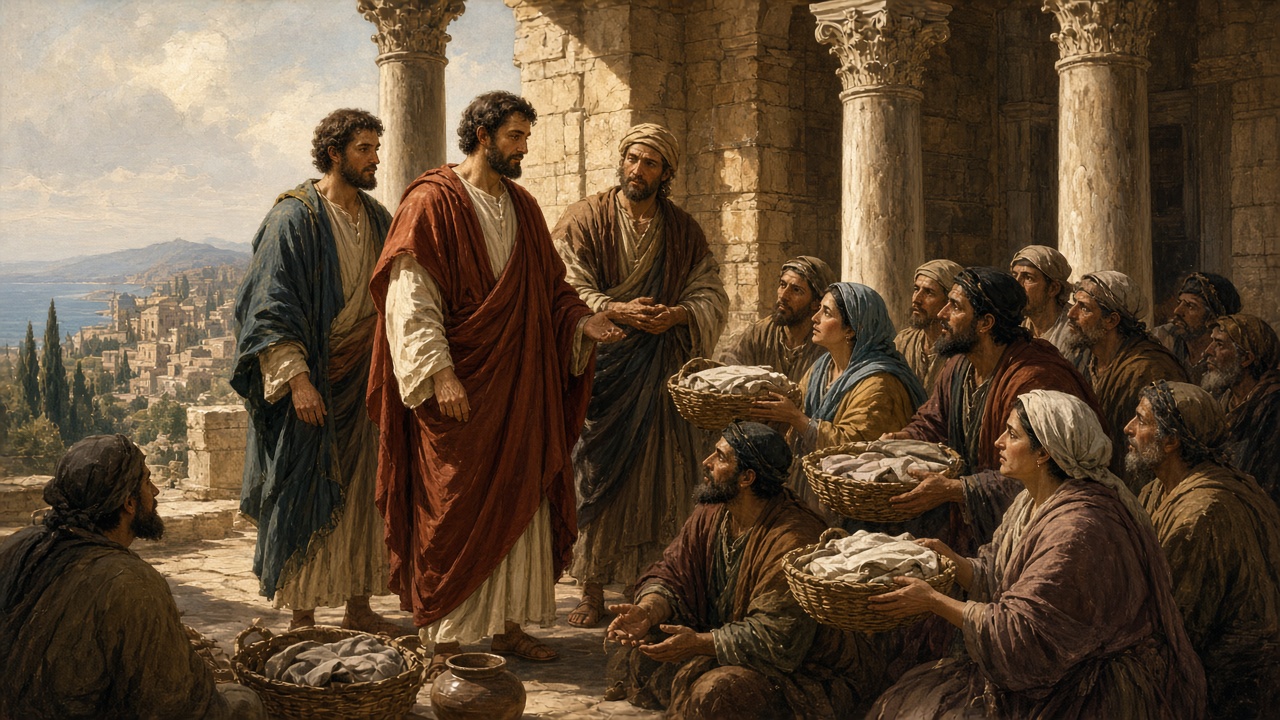
- In New Testament times Macedonia was a Roman province north of Greece. Paul was summoned by the vision of a man of Macedonia to preach the gospel there, and this chapter tells the Corinthians how those churches, in a terrible ordeal and deep poverty, gave joyfully and even beyond their ability.Sources: Macedonia · the Bible text itself
- Titus, whose name nowhere occurs in Acts, appears to have been a Gentile chiefly engaged in ministering to Gentiles. From Ephesus, Paul sent him to Corinth to forward the church's contributions for the poor saints at Jerusalem; in this chapter Paul urges him to complete that work, and Titus is coming eagerly of his own accord.Sources: Titus · the Bible text itself
- Along with Titus, Paul is sending a brother praised by all the churches for his work in the gospel and chosen by them to accompany the offering, and another brother whose earnestness has been proven many times and in many ways. He explains that this care is meant to avoid criticism of how the generous gift is administered, so that they do what is right not only in the eyes of the Lord but also in the eyes of other people.Sources: the Bible text itself
Notes written with AI assistance from open sources (Theographic Bible Metadata, CC BY-SA 4.0; Easton’s Bible Dictionary, public domain) and reviewed before publishing.
Places in this chapter
Only places identified with high confidence are shown (90% or more according to the scholarly sources compiled by OpenBible). Period map: DARE (Digital Atlas of the Roman Empire), CC BY 4.0; modern map: © OpenStreetMap contributors; places: OpenBible.info (CC BY 4.0).
Credits and license for this translation
Topẽ vĩ rá
New Testament in Kaingang (BR:kgp:Kaingang)
copyright © 2011 Wycliffe Bible Translators, Inc.
Language: Kaingang
Translation by: Wycliffe Bible Translators, Inc.
Copyright Information
© 2011, Wycliffe Bible Translators, Inc. All rights reserved.
This translation text is made available to you under the
terms of the Creative Commons License: Attribution-Noncommercial-No Derivative Works.
( http://creativecommons.org/licenses/by-nc-nd/3.0/ )
In addition, you have permission to port the text to different file formats, as long as you
do not change any of the text or punctuation of the Bible.
You may share, copy, distribute, transmit, and extract portions
or quotations from this work, provided that you include the above copyright
information:
You must give Attribution to the work.
You do not sell this work for a profit.
You do not make any derivative works that change any of the actual words or punctuation of the Scriptures.
Permissions beyond the scope of this license may be
available if you contact
us with your request.
The New Testament
in Kaingang
© 2011, Wycliffe Bible Translators, Inc. All rights reserved.
This translation is made available to you under the terms of the
Creative Commons Attribution-Noncommercial-No Derivatives license 4.0.
You may share and redistribute this Bible translation or extracts from it in any format, provided that:
You include the above copyright and source information.
You do not sell this work for a profit.
You do not change any of the words or punctuation of the Scriptures.
Pictures included with Scriptures and other documents on this site are licensed just for use with those Scriptures and documents.
For other uses, please contact the respective copyright owners.
2022-03-04
Source: http://ebible.org/kgpNT/ · eBible.org