2 Corinthians 10
Topẽ vĩ rá · Tap a verse to see its cross-references.
Paulo tỹ nén to vĩ
1Ha vé, ãjag jyvẽn sór inh mũ, inh, hã vỹ: Paulo, he mũ. Sỹ ãjag mré nĩn kỹ sóg nẽji komẽr hã vĩ tĩ, kỹ, isỹ kór há tá nĩn kỹ isóg nẽji vĩ jũ han tĩ ãjag mỹ. Cristo ne komẽr hã vĩ tĩ'. Ũn há vẽ, Cristo ti. Ti jykre hã han sór inh nĩgtĩ. 2Hã kỹ sóg ãjag mỹ tag to vĩ sór mũ, ha mẽ. Isỹ ãjag mỹ nén rán mũ tag jẽmẽmnĩ. Kỹ sóg ãjag ki jun kỹ vĩ jũ han ke tũ nĩ. Vĩ jũ han jé sóg ke mũ, ha vemnĩ, ũ tỹ inh kato vĩ mũ ag mỹ, ũ tỹ iso: “ã tỹ vẽsóg ki nén to jykrén mũ ẽn hã han tóg tĩ,” he mũ ag mỹ. 3Ẽprã ke vỹ tỹ inh nĩ, hã ra inh pi(jé) ẽprã ke jykre han kỹ vẽnh jykre kórég han to vãsãn tĩ'. 4Vãsãn mág sóg tĩ, hã ra inh pi(jé) ẽprã ke ag jykre han kỹ vãsãn mũ'. Topẽ jykre tar ẽn hã han kỹ sóg hã to vãsãn tĩ, kỹ tóg soldado tỹ rárá jafã ri ke nĩ, Topẽ jykre tar ti. Tỹ sóg ẽg kato tẽ mũ ag vẽnh pigju jafã mág ẽn kókég tĩ, hã vỹ: isỹ ũ tỹ ẽg vĩ kato vãsãnsãn mũ ag vĩ tỹ tũ' he mũ, he mũ. 5Ũ tỹ Topẽ kato vĩ sór mũ ag vĩ tỹ sóg tũ' he tĩ gé. Vẽsỹ ũn mág han sór ag tóg nỹtĩ, Topẽ kato vãsãn kỹ, ẽg tỹ Topẽ jykre ki kanhrãn mũ kato vãsãn kỹ. Tỹ tũ' he jé sóg ke mũ, Topẽ jykre tar hã tỹ. Ẽprã ke ag tỹ Topẽ vĩ kato tẽ mũ ag tỹ Cristo krẽm ge han kãn sór sóg mũ, kỹ ag sigse kỹ nỹtĩ ri ke vẽ sir. 6Kỹ, sỹ ãjag tỹ Topẽ vĩ kri nĩm mũ ve kỹ sóg ũ tỹ kri fi sór tũ ag mỹ vĩ jũ han ke mũ sir, ha vemnĩ.
7To jykrén há han nĩ, ha mẽ. “Tỹ sóg Cristo mré ke nĩ,” he ãjag tóg tĩ, ãjag kãmĩ ũ. Kỹ to jykrén há han nĩ. Tỹ sóg Cristo mré ke nĩ gé, inh, ãjag kóm mỹr, ha mẽ. 8Ẽg Senhor ne inh fẽg', sỹ ãjag jyvẽn jé. Ti pi(jé) inh mỹ: “ha ag kókén,” hé'. Kỹ sóg ãjag mỹ tó, ẽg Senhor tỹ inh fẽg ja ti. Isỹ vẽso vĩ há han hã vẽ. Ge ra tóg inh mỹ'a tũ nĩ, isỹ vẽso vĩ há han mũ ti. 9Sỹ ãjag jyvẽn sór vẽ. Inh pi(jé) ãjag kanẽ jun sór mũ'. Ãjag jyvẽn hã jé sóg ãjag mỹ rán. 10Inh carta ki inh nẽji ãjag mỹ vĩ tar han tĩ, vĩ jũ, kỹ sỹ ãjag mré nĩn kỹ sóg nẽji krój nĩ ve nĩ, kỹ inh vĩ nẽji tóg tỹ nén ũ tũ nĩ ve nĩ. 11Tag to jykrén, ha mẽ: isỹ rán mũ ri ke han jé sóg ke mũ, isỹ ãjag mré nĩnh ken kỹ, ha mẽ. Ãjag vég tũ sóg nĩ, isỹ carta tag rán kỹ. Isỹ ãjag mré nĩnh ken kỹ sóg inh vĩ tag ri ke han ke mũ, ha vemnĩ.
12Ãjag kãmĩ ũ tóg vẽso vĩ há han sór tĩ. Inh pi(jé) ag ri ke nĩ', inh pi(jé) tỹ ag mré ke nĩ gé'. Vẽsóg ki to jykrén kỹ ag tóg nén ũ to: “tag vỹ há nĩ, tag vỹ há tũ nĩ,” he tĩ. Tag to jykrén kỹ ag jykre tóg ag mỹ há nĩ ve nĩ. Topẽ jykre ve vén sór tũ ag tóg nĩ. Ag tỹ vẽsóg ki nén to jykrén hã tóg ag mỹ há tĩ. Krĩ tũ ag nỹtĩ.
13Ag jãvo sóg Topẽ jykre vég tĩ, hã kỹ sóg ãjag mỹ: “inh jykre vỹ há nĩ,” he tĩ. Topẽ ne inh mỹ inh rãnhrãj ti nĩm, kỹ tóg inh mỹ: “ha Corinto tá ke ag ki rĩr,” he ja nĩgtĩ gé. 14Inh pi(jé) Topẽ tỹ inh mỹ vẽnh rãnhrãj nĩm ẽn pãtén tĩ', kỹ sóg pãtén ja tũ nĩ gé, sỹ ãjag mỹ rán kỹ. Inh hã ne ãjag mỹ Cristo kãmén vén ja nĩgtĩ'. 15Hã kỹ sóg isũ tỹ ãjag jyvẽn tĩ. Ũ tũ pijé'. Inh pi(jé) ũ rãnhrãj to: “isỹ han ja vẽ,” he mũ'. Isũ hã ki sóg tỹ ũn mág nĩ. Kỹ sóg tag to jykrén mũ gé, ha mẽ: ãjag tỹ Topẽ ki ge kỹ nỹtĩ to tar nỹtĩn kỹ sóg tỹ ũn mág tãvĩ nĩnh ke mũ gé, ãjag mré. Isũ hã vẽ, inh rãnhrãj hã vẽ. 16Kỹ sóg ãjag jamã mã ra tĩg sór mũ gé, sỹ Cristo kãmén jé, ũ tỹ ag mỹ tó ja tũ ẽn ra. Sỹ tãtá ag mỹ kãmén kỹ sóg inhhã ki rãnhrãj mũ sir, ũ tỹ ag mỹ tá Topẽ vĩ kãmén ja tũ nĩn kỹ. Kỹ sóg inh rãnhrãj hã tugnĩn tỹ ũn mág jẽnh mũ, ũ rãnhrãj tugrĩn ke tũ vẽ.
17Hã ra tóg há tũ tĩ, ẽg vẽme tag ti. Ãjag tỹ ũn mág nĩ tó sór kỹ ẽg Senhor ti tómnĩ. 18Ẽg tỹ vẽso: “ũn há vỹ tỹ inh nĩ,” he mũ ra ẽg pi(jé) tỹ ũn há nỹtĩ'. Ẽg Senhor tỹ ẽg to: “ũn há vỹ tỹ ã nĩ,” hen hã kỹ ẽg tóg tỹ ũn há nỹtĩ.
Did you know?
Letters, Presence, and Warfare Not of This World
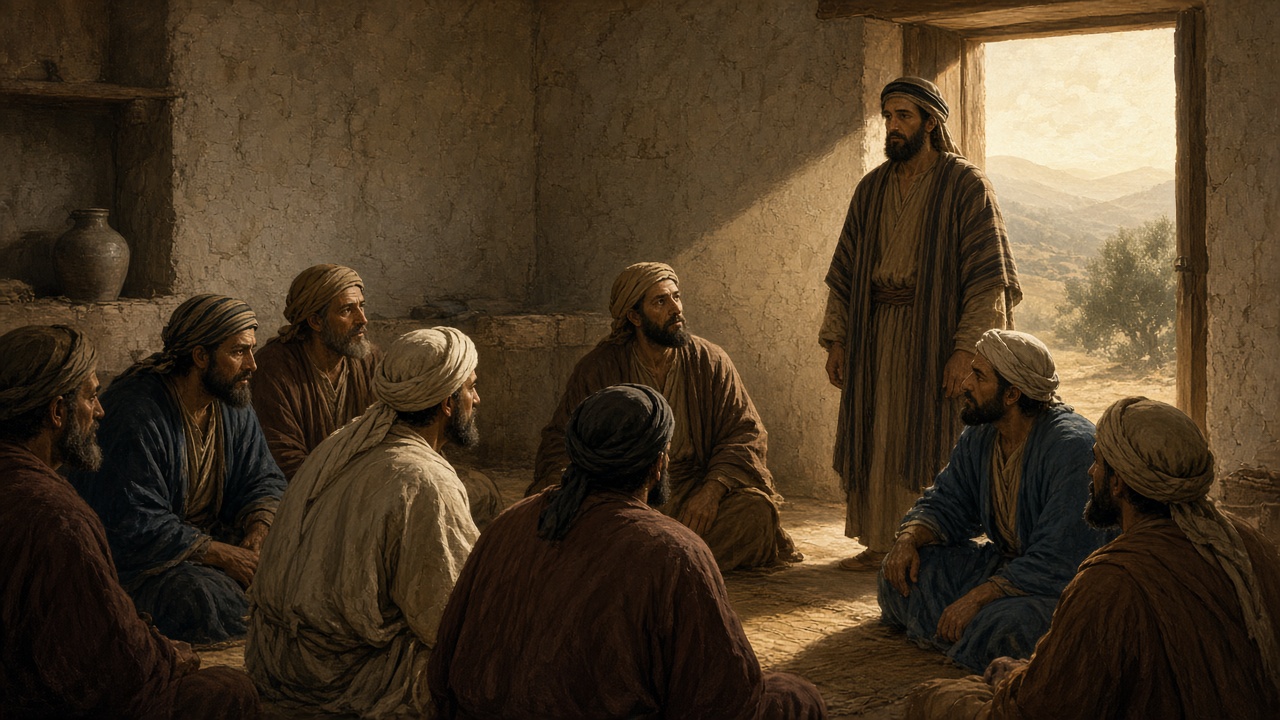
- Some people measured Paul by appearances and by his speech. They granted that his letters were weighty and forceful, yet called his physical presence unimpressive and his speaking of no account. He replies that what he is in his letters when away, he will be in his actions when he is present.Sources: the Bible text itself
- He casts the conflict in military terms, but not as an ordinary fight. Living in the flesh, he says, does not mean waging war according to the flesh. The weapons he claims are not the world's; they have divine power to pull down strongholds, to dismantle arguments and every presumption set against the knowledge of God, and to bring every thought into obedience to Christ.Sources: the Bible text itself
- Paul will not boast beyond the field of influence God has assigned him, a field that already includes his readers, since he was the first to reach them with the gospel of Christ. Anyone who boasts, he says, should boast in the Lord; approval belongs not to the one who commends himself, but to the one whom the Lord commends.Sources: the Bible text itself
Notes written with AI assistance from open sources (Theographic Bible Metadata, CC BY-SA 4.0; Easton’s Bible Dictionary, public domain) and reviewed before publishing.
Places in this chapter
- Corinth · 37.906, 22.879 · verse 14
Only places identified with high confidence are shown (90% or more according to the scholarly sources compiled by OpenBible). Period map: DARE (Digital Atlas of the Roman Empire), CC BY 4.0; modern map: © OpenStreetMap contributors; places: OpenBible.info (CC BY 4.0).
Credits and license for this translation
Topẽ vĩ rá
New Testament in Kaingang (BR:kgp:Kaingang)
copyright © 2011 Wycliffe Bible Translators, Inc.
Language: Kaingang
Translation by: Wycliffe Bible Translators, Inc.
Copyright Information
© 2011, Wycliffe Bible Translators, Inc. All rights reserved.
This translation text is made available to you under the
terms of the Creative Commons License: Attribution-Noncommercial-No Derivative Works.
( http://creativecommons.org/licenses/by-nc-nd/3.0/ )
In addition, you have permission to port the text to different file formats, as long as you
do not change any of the text or punctuation of the Bible.
You may share, copy, distribute, transmit, and extract portions
or quotations from this work, provided that you include the above copyright
information:
You must give Attribution to the work.
You do not sell this work for a profit.
You do not make any derivative works that change any of the actual words or punctuation of the Scriptures.
Permissions beyond the scope of this license may be
available if you contact
us with your request.
The New Testament
in Kaingang
© 2011, Wycliffe Bible Translators, Inc. All rights reserved.
This translation is made available to you under the terms of the
Creative Commons Attribution-Noncommercial-No Derivatives license 4.0.
You may share and redistribute this Bible translation or extracts from it in any format, provided that:
You include the above copyright and source information.
You do not sell this work for a profit.
You do not change any of the words or punctuation of the Scriptures.
Pictures included with Scriptures and other documents on this site are licensed just for use with those Scriptures and documents.
For other uses, please contact the respective copyright owners.
2022-03-04
Source: http://ebible.org/kgpNT/ · eBible.org