1 Timothy 2
Topẽ vĩ rá · Tap a verse to see its cross-references.
Igreja krẽm vẽnh jykre
1Ã tỹ ã tũ ag jyvẽn kỹ ag mỹ ag tỹ Topẽ mré vẽmén ke hã tómnĩ. Ag mỹ: “Topẽ mré vẽmén e han nĩ,” hemnĩ. “Ti mỹ nén ũ kar to vĩmnĩ, vẽnh kar jagfy vĩmnĩ, ti mré, ti mỹ nén ũ kar to: “há ti nĩ,” hemnĩ gé,” hemnĩ ag mỹ. 2Pã'i mág ag jagfy Topẽ mré vĩmnĩ gé, pã'i kar ag to ke gé. Kỹ ag tóg jatu nỹtĩ. Kỹ ẽg tóg jatun mỹ ag krẽm nỹtĩn kỹ ẽg rãnhrãj nón mũnh ke mũ gé, ẽg tỹ Topẽ to há nỹtĩn kỹ, ẽg tỹ jagnẽ to há nỹtĩn kỹ ke gé. 3Topẽ mỹ tóg há nĩ, tag ti, ũ tỹ ẽg kren han tĩ ti mỹ, ti mỹ tóg sér tĩ. 4Ti tỹ tag han sór vẽ, ha mẽ: ẽprã ke ag krenkren han sór tóg mũ, vẽnh kar tỹ ti tỹ ki hã tó mũ tag mẽ han kãn jé. 5Pir ti nĩ, Topẽ ti. Pir ti nĩ gé, ũ tỹ Topẽ mré ẽg jagfy vĩ mũ ti, hã vỹ: ẽg mré ke tỹ Jesus Cristo, he mũ, ũ tỹ ẽg ri ke mur ja ẽn ti. 6Ti hã ne vẽnh fẽg', ti tỹ vẽnh kar kygjãm jé. Topẽ tỹ ti mỹ kurã nĩm ẽn kã ke ja vẽ. Kỹ vẽnh kar vỹ mẽnh ke mũ, ũ tỹ ve ja ag vĩ ti. 7Hã kỹ tóg inh mỹ: “ha vẽnh kar mỹ tónh tĩg,” he ja nĩ. Sỹ tỹ ti apóstolo jẽ jé tóg inh kuprẽg, hã kỹ sóg tó mũ. Ki hã sóg tó mũ. Inh pi(jé) ón mũ'. Fóg ag to tóg inh jẽnẽ, kanhgág ag to ke gé, sỹ ag mỹ vẽnh vĩ há tó jé, ag tỹ Topẽ ki ge jé gé.
8Kỹ tá Jesus ki ge kỹ nỹtĩ ag mỹ tómnĩ, ag kar tỹ igreja krẽm Topẽ mré vẽmén jé. Hã ra tóg há tũ nĩ, ũ tỹ ã jykre pãno tovãnh sór tũ nĩn kỹ, ti tỹ Topẽ mré vẽmén mũ (hã) ra. Ag tỹ Topẽ mré vẽmén kỹ ag tóg ãjag jũ tovãnh ke mũ, ag tỹ ũn kato tẽ mũ ag tovãnh jé ag tóg ke mũ gé. Tag tómnĩ ag mỹ.
9Kỹ ũn tỹtá fag vỹ ge nỹtĩnh mũ gé, ãjag tỹ vẽnh mãn kỹ nỹtĩn kỹ. Fag sĩnvĩ han jafã vỹ tỹ fag jykre kuryj nĩ. Fag tũ hã vẽ. Tag han kỹ ẽg tóg vég mũ, fag tỹ Topẽ to há nỹtĩ ti. Kur to mỹ'ãg tĩ ra rãnh ke tũ fag nĩ hã ra. Fag tỹ ãjag kur tỹ vẽsĩ tãvĩ han tĩ to ken hã vẽ, fag gãnh to ke gé. Pi(jé) há nĩ', fag tỹ brinco mág tỹ vẽso vin kỹ, jãnka e tỹ vẽso sa kỹ, kur kaja e tu kỹ, fag tỹ nén kar kaja e génh kỹ tóg há tũ nĩ, fag tỹ tỹ vẽsĩ tãvĩ han kỹ. Fag kur há vỹ há nĩ, kur sĩnvĩ ti.
11Ãjag tỹ vẽnh mãn kỹ nỹtĩn kỹ fag vỹ vĩnh ke tũ nĩ. Mẽ tãvĩ han jé fag tóg ke mũ, fag tỹ tỹ ag krẽm ke nỹtĩn kỹ. 12Fag tỹ ag mỹ vẽnh jykre nĩm kỹ tóg há tũ nĩ. Fi tỹ fi mén krĩn sór nĩn kỹ tóg kórég nĩ gé. Fag tỹ ẽmẽ kã nỹtĩn kỹ tóg há tĩ. 13Tag to jykrén nĩ, ha mẽ. Topẽ tỹ ũn han vén mũ vỹ tỹ Adão nĩ, kar kỹ Eva fi. Ti tỹ tỹ fi kri ke to ken hã vẽ. 14Kỹ Japo tỹ ũn krĩn kónãn mũ fi vỹ tỹ fi nĩ ja nĩgtĩ. Adão pijé'. Fi hã ne Topẽ vĩ mranh vén', kỹ tóg fi nón mranh ja nĩgtĩ gé, Adão ti. Hã kỹ tóg há tũ nĩ, fag tỹ ag krĩn sór kỹ. 15Hã ra fag krenkren ke mũ gé, fag krẽ mré hã. Kỹ tóg há nĩ, fag tỹ Jesus tovãnh sór tũ nỹtĩn kỹ, fag tỹ ti to há nỹtĩn kỹ, jagnẽ to há ke gé, fag tỹ tỹ ti tũ nỹtĩn kỹ. Fag krĩ há nỹtĩn kỹ tóg há tĩ.
Did you know?
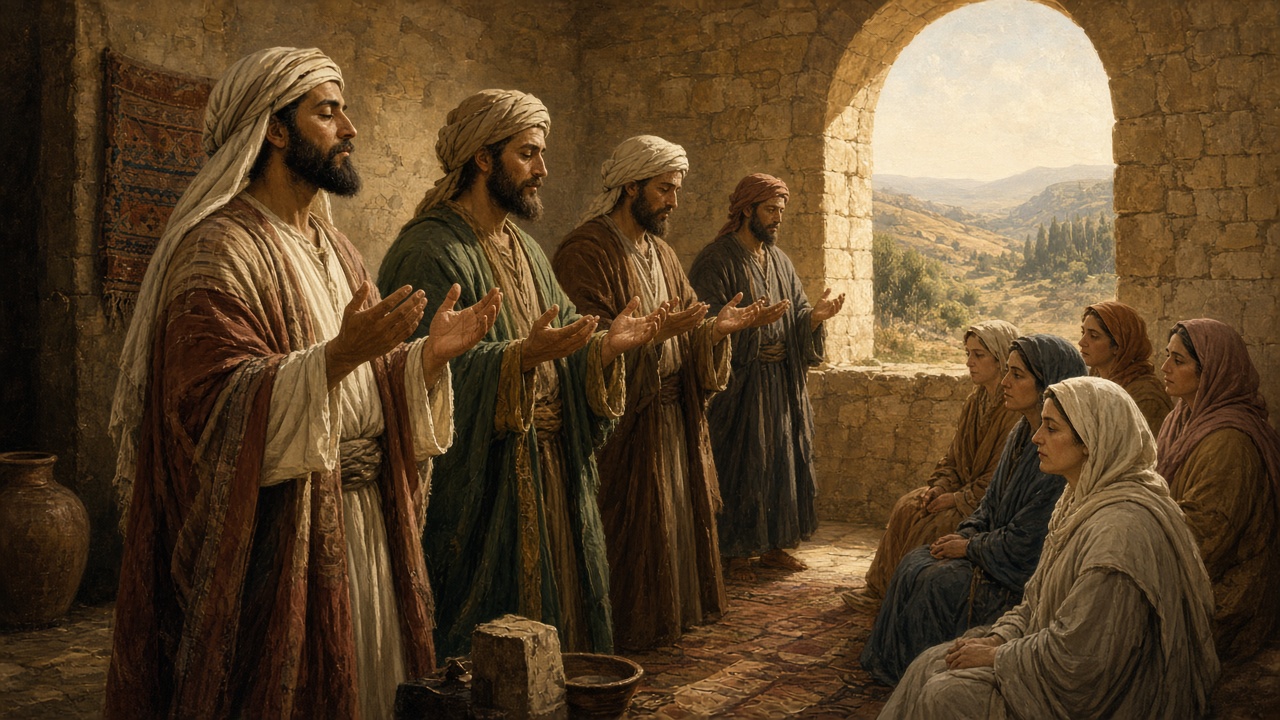
Prayer, modest worship, and Adam and Eve
- This chapter urges that petitions, prayers, intercessions, and thanksgiving be offered for everyone, including kings and all those in authority, so that believers may lead tranquil and quiet lives in all godliness and dignity. It also says there is one God and one mediator between God and men, the man Christ Jesus, who gave himself as a ransom for all.Sources: the Bible text itself
- When the letter says that Adam was formed first, and then Eve, it appeals to the first man of Genesis. Easton's Bible Dictionary (1897) explains that Adam is a Babylonian word meaning 'red,' the generic name for man, with the same meaning in Hebrew and Assyrian, and that he was formed from the dust of the earth.Sources: the Bible text itself · Adam
- The letter says it was not Adam who was deceived, but the woman, who was deceived and fell into transgression. Easton's Bible Dictionary (1897) says Eve means 'life' or 'living,' the name Adam gave his wife, and that the account of her creation is given in Genesis 2:21-22.Sources: the Bible text itself · Eve
Notes written with AI assistance from open sources (Theographic Bible Metadata, CC BY-SA 4.0; Easton’s Bible Dictionary, public domain) and reviewed before publishing.
Credits and license for this translation
Topẽ vĩ rá
New Testament in Kaingang (BR:kgp:Kaingang)
copyright © 2011 Wycliffe Bible Translators, Inc.
Language: Kaingang
Translation by: Wycliffe Bible Translators, Inc.
Copyright Information
© 2011, Wycliffe Bible Translators, Inc. All rights reserved.
This translation text is made available to you under the
terms of the Creative Commons License: Attribution-Noncommercial-No Derivative Works.
( http://creativecommons.org/licenses/by-nc-nd/3.0/ )
In addition, you have permission to port the text to different file formats, as long as you
do not change any of the text or punctuation of the Bible.
You may share, copy, distribute, transmit, and extract portions
or quotations from this work, provided that you include the above copyright
information:
You must give Attribution to the work.
You do not sell this work for a profit.
You do not make any derivative works that change any of the actual words or punctuation of the Scriptures.
Permissions beyond the scope of this license may be
available if you contact
us with your request.
The New Testament
in Kaingang
© 2011, Wycliffe Bible Translators, Inc. All rights reserved.
This translation is made available to you under the terms of the
Creative Commons Attribution-Noncommercial-No Derivatives license 4.0.
You may share and redistribute this Bible translation or extracts from it in any format, provided that:
You include the above copyright and source information.
You do not sell this work for a profit.
You do not change any of the words or punctuation of the Scriptures.
Pictures included with Scriptures and other documents on this site are licensed just for use with those Scriptures and documents.
For other uses, please contact the respective copyright owners.
2022-03-04
Source: http://ebible.org/kgpNT/ · eBible.org