1 John 3
Topẽ vĩ rá · Tap a verse to see its cross-references.
Jesus jãvy ag
1Ha vé, ẽg jóg mág tóg ẽg to há tãvĩ nĩ, hã kỹ tóg ẽg to: “inh krẽ,” he mũ sir. Ti krẽ vỹ tỹ ẽg nỹtĩ, Jesus jãvy. Hã kỹ ẽprã ke ũ ag vỹ ẽg jykre ki kagtĩg nỹtĩ. Ag pi(jé) Topẽ ki kanhró nỹtĩ', hã kỹ ag tóg ẽg jykre ki kagtĩg nỹtĩ gé, ẽg tỹ tỹ ti krẽ nỹtĩn kỹ. 2Ãjag to inh há tãvĩ nĩ. Ũri ẽg tóg tỹ Topẽ krẽ nỹtĩ. Kãnhmar ẽg tóg ti mré nỹtĩnh mũnh mũ. Kỹ ẽg hỹn hẽ ri ke nỹtĩnh mũ, kanhkã tá? Ha'. Kar kỹ ẽg venh ke mũ, ti kãtĩg kar kỹ. Ẽn kã ẽg tóg tỹ ti hã pẽ nỹtĩnh mũ, ẽg tỹ ẽg kanẽ tỹ ti ve kỹ. Ti ve pẽ han jé ẽg tóg (ke) mũ, kurã ẽn kã. 3Ẽg tỹ tag hã ve sór vẽ. Hã kỹ ẽg vẽnh jãnhkrig ke mũ, ẽg tỹ ti jãnhkri nĩ ẽn ri ke nỹtĩ jé, vẽnh jykre pãno tovãnh kãn kỹ.
4Ẽg tỹ ti vĩ mranh kỹ ẽg tóg mranh mũ sir, ti tỹ ẽg mỹ nén tó ja ti. Hỹ, mranh kỹ ẽg tóg mranh tĩ, ti tỹ ẽg jyvẽn ja ti. 5Hã ra Cristo vỹ kãtĩg ja nĩ, ti tỹ ẽg tỹ ti vĩ mranh ja tỹ tũg' he jé. Tag ki kanhró ẽg tóg nỹtĩ. Ti pi(jé) mranh ja nĩgtĩ', Topẽ vĩ ti, inhhã. 6Ẽg tỹ ti ki ge kỹ nỹtĩn kỹ ẽg tóg mranh mãn sór tũ nĩ ha. Ũ tỹ ver mranh mãn sór kỹ tóg ti ve ja tũ nĩ, ti ki kagtĩg nĩ sir.
7Inh krẽ', ker ũ vĩ jẽmẽ hẽ', ũ tỹ ãjag krĩn kónãn sór mũ vĩ ti. Ũ tỹ vẽnh jykre kuryj han mũ ẽn hã vỹ kuryj nĩ, Topẽ kuryj nĩ ẽn ri ke. 8Ũ tỹ Topẽ vĩ mranh mũ ẽn vỹ tỹ Japo mré ke nĩ. Japo hã ne Topẽ vĩ mranh tĩgtĩ'. Topẽ tỹ nén ũ kar han mũ ẽn kã Japo ne ti vĩ mranh vén', kỹ tóg ũri ti vĩ mranh tĩ nĩ gé. Hã ra Topẽ kósin vỹ Japo tỹ nén han mũ kókén ja nĩ, hã jé tóg mur ja nĩ.
9Ẽg tỹ tỹ Topẽ krẽ nỹtĩn kỹ ẽg tóg Topẽ vĩ mranh mãn sór vãnh nỹtĩ ha, ẽg tỹ Topẽ kuprĩg tỹ jagrẽ nỹtĩn kỹ. Topẽ vĩ mranh mãn sór ke tũ ẽg nĩ ha, ẽg tỹ tỹ ti krẽ nỹtĩn kỹ. 10Ẽg tỹ ag jykre tugnỹm kỹ ẽg tóg ũ tỹ tỹ Topẽ krẽ mré Japo krẽ ki kanhró nỹtĩ. Ũ tỹ vẽnh jykre kuryj han jãvãnh ẽn pi(jé) tỹ Topẽ krẽ nỹtĩ', ũ tỹ ã régre to há tũ nĩ ẽn pi(jé) tỹ Topẽ krẽ nỹtĩ gé'.
Ẽg tỹ jagnẽ to há nỹtĩnh ke
11Tag mẽ ãjag tóg, ãjag tỹ Topẽ vĩ mẽ vén kỹ, hã vỹ: “jagnẽ to há nỹtĩmnĩ,” he mũ. 12Ẽg pi(jé) Caim jykre han ke mũ'. Satanás mré ke ja vẽ, Caim ti, hã kỹ tóg ã jãvy tén. Ne nỹ hỹn ti jũ han, kỹ tóg ti tãnh? Jykre kórég ja ti nĩ, jãvo ti jãvy vỹ jykre há ja nĩ. Hã kỹ tóg ã jãvy tãnh, ti jykre há ẽn to. Hã kỹ jagnẽ jykre vég mũ ra jagnẽ to jũ tũg nĩ.
13Inh kanhkã', ũ tỹ Topẽ ki rã tũ ag pi(jé) ẽg to há nỹtĩnh mũ'. Tag jé ãjag mỹ kórég nỹ tũg hã ra. 14Ha vé, jykre tãg ẽg nỹtĩ, kỹ ẽg tóg ẽg rĩr krỹg ja tũ venh ke mũ. Ẽg jykre si tovãnh ẽg huri. Tag ki kanhró ẽg nỹtĩ, ẽg tỹ ũ tỹ ẽg mré ti ki rã kỹ nỹtĩ kar ag to há nỹtĩn kỹ. Ũ tỹ ẽg mré Jesus ki rã mũ to há tũ nĩ ẽn vỹ venh ke tũ nĩ, ẽg rĩr krỹg ja tũ ti. 15Ẽg tỹ ũ to kórég tĩ nĩn kỹ ẽg ti tén ri ke han huri. Kỹ ẽg tỹ ũ tén kỹ ẽg pi(jé) ẽg rĩr krỹg ja tũ venh ke mũ', tag ki kanhró ãjag nỹtĩ. 16Cristo vỹ ẽg tỹ jagnẽ to há nĩ tag tỹ ẽg kanhrãn. Vẽnh fẽg tóg, ũ tỹ ti tén ke mũ ag mỹ, ti tỹ ẽg jagfy ter jé. Hã kỹ ẽg tóg ẽg mré ke jagfy ter ke tag to tar nỹtĩnh ke mũ gé, ũ tỹ ag jagfy ẽg tén sór kỹ. 17Ha vé, ũ tóg tag ki nén ũ mág vég tĩ. Jãvo ti mré Jesus ki rã kỹ nĩ ũ tóg tỹ nén ũ tũ nĩ. Hã ra tóg ti jagãgtãn sór tũ nĩ. Ẽn vỹ Topẽ to há tũ nĩ gé.
Kanẽ jur ke tũ ẽg nĩ
18Inh krẽ', ãjag vĩ tãvĩ tỹ jagnẽ to há nỹtĩ tũg nĩ, krĩg mỹ. Jagnẽ ki rĩrmnĩ. Jagnẽ to há tãvĩ nỹtĩ to ken hã vẽ. 19Kỹ ẽg tóg ki kanhró nỹtĩ, ẽg tỹ tỹ ũ tỹ ki hã tó mũ ẽn krẽ nỹtĩn kỹ. Kỹ Topẽ tóg ẽg kanẽ jun mãn ke tũ nĩ ha. Jatu ẽg nỹtĩ ha, ẽg tỹ jagnẽ to ha pẽ nỹtĩn kỹ. 20Kejẽn ẽg tóg ẽg kygnẽ ja to ẽkrég tĩ. Hã ra Topẽ tóg ki kanhró kar nĩ. Ẽg kãfór tóg nĩ, Topẽ ti, hã kỹ tóg kãnhmar ẽg vóg kónãn ke tũ nĩ. 21Inh krẽ', kejẽn ẽg tóg Topẽ jykre ki króm há han tĩ. Kỹ ẽg tóg: “inh hỹn kygnẽ ja tũ nĩ,” he tĩ. Kỹ ẽg tóg jatun mỹ Topẽ mré vẽmén tĩ sir. 22Kỹ tóg ẽg mỹ nĩm ke mũ, ẽg tỹ ti mỹ nén to vĩ mũ ti. Ti tỹ ẽg mỹ nén tó mũ ẽn hã han ẽg tóg tĩ, nén tỹ ti mỹ há nĩ hã ki króm ẽg tóg tĩ, hã kỹ ẽg tóg jatun mỹ ti mỹ nén ũ to vĩ tĩ. 23Ti tỹ ẽg mỹ nén tó mũn hã vẽ, ha mẽ: “inh kósin tỹ Jesus Cristo ki gemnĩ, kỹ jagnẽ to há nỹtĩmnĩ,” he ja ti nĩ ẽg mỹ. Ẽg tỹ tag han mũ hã ve sór ti mũ. 24Ẽg tỹ ti vĩ ki króm kỹ ẽg tóg sir ti ki ge kỹ nỹtĩ. Kỹ Topẽ tóg tỹ ẽg mré ke nĩ sir. Ã kuprĩg jẽnẽ ja tóg nĩ ẽg mỹ, kỹ ti kuprĩg tóg ẽg mỹ tó tĩ, Topẽ tỹ tỹ ẽg mré ke nĩ ti.
Did you know?
Children of God and brotherly love
- The warning not to be like Cain recalls Adam and Eve's firstborn, a tiller of the ground, whose brother Abel followed a pastoral life. They presented offerings: Abel's, of the firstlings and the fat of his flock, was accepted as more excellent, and Cain, whose offering was of the fruit of the ground, became very angry. The letter says Cain belonged to the evil one and murdered Abel because his own deeds were evil and his brother's were righteous.Sources: Cain · the Bible text itself
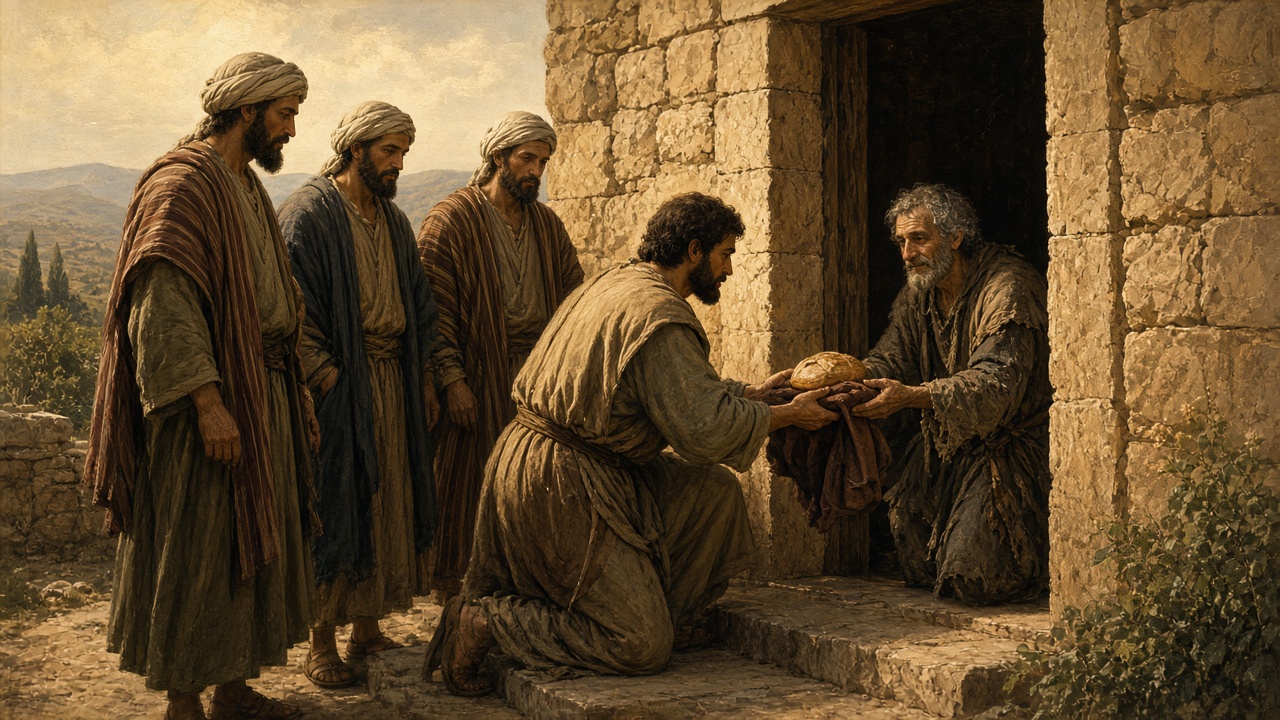
- In this chapter, hating a brother is treated as murder: everyone who hates his brother is a murderer, and eternal life does not reside in a murderer. Love is known because Jesus laid down his life for us, and the readers are told they ought to lay down their lives for their brothers.Sources: the Bible text itself
- The children of God are distinguished from the children of the devil by practicing righteousness and by loving one's brother. The message heard from the beginning is that we should love one another, and God's commandment is to believe in the name of his Son, Jesus Christ, and to love one another as he commanded.Sources: the Bible text itself
Notes written with AI assistance from open sources (Theographic Bible Metadata, CC BY-SA 4.0; Easton’s Bible Dictionary, public domain) and reviewed before publishing.
Credits and license for this translation
Topẽ vĩ rá
New Testament in Kaingang (BR:kgp:Kaingang)
copyright © 2011 Wycliffe Bible Translators, Inc.
Language: Kaingang
Translation by: Wycliffe Bible Translators, Inc.
Copyright Information
© 2011, Wycliffe Bible Translators, Inc. All rights reserved.
This translation text is made available to you under the
terms of the Creative Commons License: Attribution-Noncommercial-No Derivative Works.
( http://creativecommons.org/licenses/by-nc-nd/3.0/ )
In addition, you have permission to port the text to different file formats, as long as you
do not change any of the text or punctuation of the Bible.
You may share, copy, distribute, transmit, and extract portions
or quotations from this work, provided that you include the above copyright
information:
You must give Attribution to the work.
You do not sell this work for a profit.
You do not make any derivative works that change any of the actual words or punctuation of the Scriptures.
Permissions beyond the scope of this license may be
available if you contact
us with your request.
The New Testament
in Kaingang
© 2011, Wycliffe Bible Translators, Inc. All rights reserved.
This translation is made available to you under the terms of the
Creative Commons Attribution-Noncommercial-No Derivatives license 4.0.
You may share and redistribute this Bible translation or extracts from it in any format, provided that:
You include the above copyright and source information.
You do not sell this work for a profit.
You do not change any of the words or punctuation of the Scriptures.
Pictures included with Scriptures and other documents on this site are licensed just for use with those Scriptures and documents.
For other uses, please contact the respective copyright owners.
2022-03-04
Source: http://ebible.org/kgpNT/ · eBible.org