Luke 9
Nhandejáry Nhe'ẽ · Tap a verse to see its cross-references.
Gwemimbo'e kwéry omondo Hesu
1Ha upéi katu Hesu ohenói doze gwemimbo'e kwéry-pe ojogweroaty hagwã henda-py.
—Xe nhe'ẽ-py emosẽ sẽmba katu anháy imondo-vy, he'i íxupe kwéry. —Xe nhe'ẽ-py ereporombogwera-ta ave, he'i. 2—Tereho eremombe'u hagwã Nhandejáry rehegwa nhe'ẽ. “Pemoirũ katu Nhandejáry pende ruvixarã-pe” ere kuri xe mombe'u-vy, he'i íxupe kwéry. —Ha hasy va'e-pe erembogwera-ta ave, he'i íxupe kwéry imondo-vy. 3—Ani ereraha mba'eve nde rupive. Nde pykoka ani ereraha teĩ. Nde plata ryru ani ereraha teĩ ave. Nde avío ani ereraha teĩ ave. Nde plata ani ereraha teĩ ave. Ne kamisa mokõi ani ave ereraha teĩ, he'i. —Nandi ete voi tapeho, he'i íxupe kwéry. 4—Ereike ramo óga-py, epyta upe-py. Eresẽ peve upe tetã-gwi, eiko peteĩ óga-py. Ani erembopopa óga ereiko-vy. 5Ha tetã mygwa kwéry nane mogwahẽséiry ramo, eresẽ jave embovava nde py ho'apa hagwã yvy timbore nde py-gwi. Hekoha vaipaha eremombe'u hagwã emopotĩ porã nde py. He'i arã upe pygwa, “Nhande rekoha vai eterei-gwi nipo ra'e opy omopotĩ potĩ oho-vy” he'i arã nde-rehe. “Nhandejáry re'ýi e'ỹ-rami nipo ra'e nhande kwéry rekoha” he'i arã gwekoha vaiha oikwaa-vy hikwái, he'i íxupe kwéry Hesu omondo-vy.
6Aipo ramo oho hemimbo'e kwéry. Tetã'i tã'i-rupi onhemonhe'ẽ enterove-pe oho-vy. Nhandejáry Hesu Cristo rehegwa nhe'ẽ porã omombe'u. Ha opa ohoha-rupi ombogwera hasy va'e-pe.
Hesu rerakwã ohendu Herodes
7Upe jave Galiléia pygwa mburuvixagwasu ohendu-ma Hesu rerakwã. Herodes mburuvixagwasu réry. Ohendu-ma ramo herakwã, he'i:
—Kiva'e tipo upe va'e, he'i opondera-vy.
Omombe'u joavy avy, omombe'u jokupe kupe rei íxupe. Oĩ he'i va'e Hesu-rehe: “João Batista amyrĩ voi ra'e ojehexa uka jevy ra'e” he'i rei va'e hese. 8Oĩ ave he'i rei va'e hese: “Upéa ko myamyrĩkwe Elias ojehexa uka jevy ra'e” he'i rei hese. Oĩ ave he'i va'e hese: “Upéa ko yma myamyrĩkwe Nhandejáry nhe'ẽ-py omombe'u va'ety ojehexa uka jevy-ma ra'e” he'i rei va'e hese. 9Upéa-rehe Herodes he'i:
—Kiva'e tipo upe va'e, he'i. —João amyrĩ anhakã'o uka va'ekwe ndaha'éi nipo ha'e voi ra'e, he'i mo'ã hese. —Aipo ramo kiva'e nipo aipo va'e ra'e, he'i rei hese. —Ahendu herakwã jokupe kupe rei. Ahexase eterei Hesu-pe, he'i.
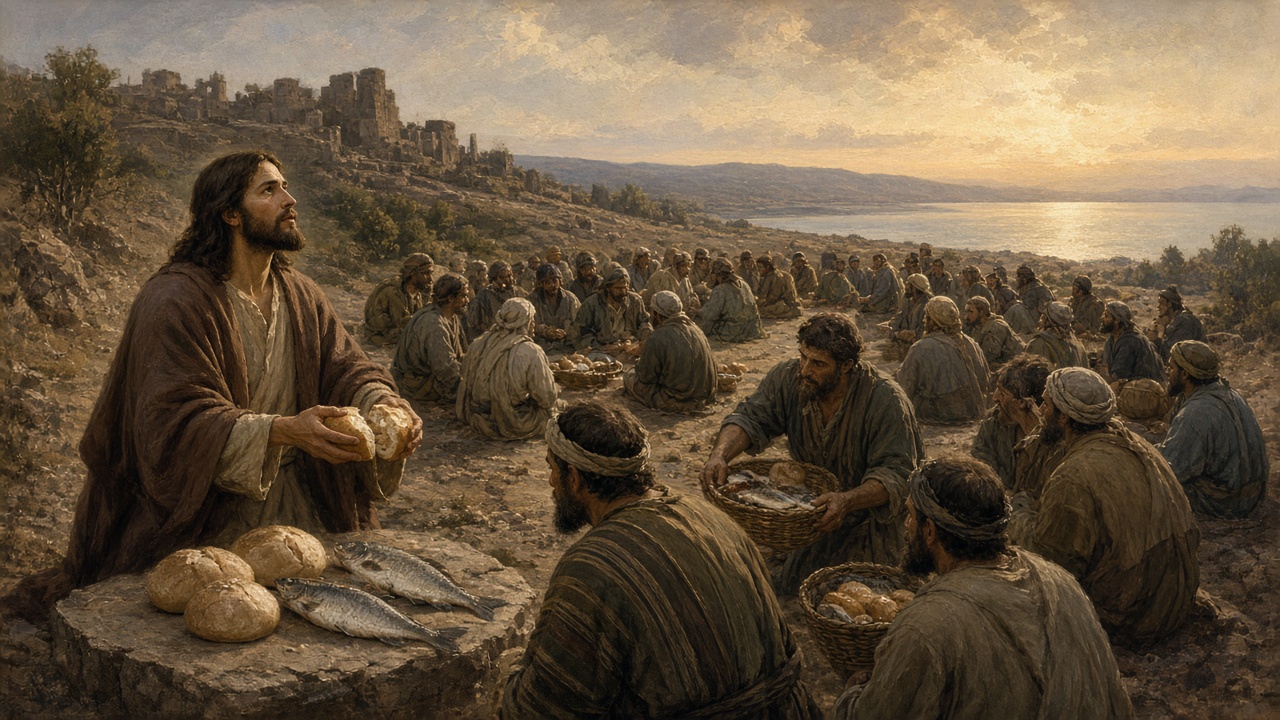
Hesu ombopopóy heta va'e-pe cinco mbojape, mokõi pira ave
10Upe rire hemimondo kwéry ou jevy-ma ramo Hesu renda-py omombe'upa íxupe. Ojapo japo va'ekwe omombe'u íxupe. Upe-ma ramo ha'e ogweraha íxupe kwéry Betsaida tetã-my omokane'ogwa-vy mo'ã ogweraha. 11Oikwaa-ma ramo jepe kente kwéry oho hapykwéri. Ogwahẽ-ma ramo hikwái ojogwerohory ogwahẽ-vy Hesu ha-py. Omombe'u íxupe kwéry. Nhandejáry nhande ruvixarã rehegwa nhe'ẽ omombe'u íxupe kwéry. Ha hasy va'e-pe ombogwera meme.
12Ka'aru ete-tama ramo upe doze hemimondo kwéry ou onhemoagwĩve-ma Hesu-gwi. He'i Hesu-pe:
—Ere ojogweroaty va'e-pe toho tetã mirĩ-rupi tetã jerekwe-rupi gwemi'urã toheka, oke hagwã ave, he'i Hesu-pe. —Ndaipóri mba'eve a-py, he'i Hesu-pe.
13Ha'e katu he'i íxupe kwéry:
—Peẽ jepe peme'ẽ hemi'urã kwéry íxupe kwéry, he'i.
—Ndahetái nhane remi'urã, he'i —cinco mbojape, mokõi pira ka'ẽ mate oĩ, he'i. —Oroho-ta tipo orojogwa heta hetave hemi'urã kwéry hetave ho'u hagwã, he'i oporandu-vy Hesu-pe.
He'i ave íxupe:
—Heta eterei oime kente kwéry ko'a-py, he'i onhomongeta-vy Hesu-pe.
14Haimete cinco mil Hesu nhe'ẽ renduhaty oime upe-py. Upéixa-gwi he'i hese kwéry “Heta eterei voi oime kente kwéry ko'a-py” he'i.
Ha Hesu he'i:
—Nahániry, pembogwapy uka katu íxupe kwéry. Cinqüenta oĩ va'e ojoypy ypy-py ogwapy hagwã, he'i gwemimondo kwéry-pe. —Ojogweroaty mirĩ mirĩ-vy pembogwapy uka íxupe kwéry, he'i íxupe kwéry.
15Ha'e kwéry omombe'u enterove ogwapy hagwã. Ha ogwapypa-ma hikwái. 16Upéi Hesu oipyhy upe cinco mbojape. Mokõi pira ave oipyhy. Upéi hovayva temi'urã-rehe omboete-vy. Hemime'erã-rehe Hesu otima porã Nhandejáry-pe. Upéi ombopopóy temi'urã. Ome'ẽ me'ẽ gwemimbo'e kwéry-pe ombogwejy hagwã enterove rovagwy-py. 17Ha enterovete okaru. Hygwyatãmba-ma ave hikwái. Upéi ombohyru ho'u va'ekwe rembyre. Doze ajaka jevy joty ombohyru hembyre kwéry. Hynyhẽmba.
“Nde ko Nhandejáry rembiporavokwe voi” he'i Hesu-pe Pedro
18Hesu omondo jevy onhe'ẽ Nhandejáry-pe. Ha'enho ombojeupi onhe'ẽ. Ha hemimbo'e kwéry oĩ ave hendive. Upéi oporandu íxupe kwéry ojekwaa uka hagwã.
—Mbava'e tipo he'i ra'e kente kwéry xe-rehe? he'i oporandu-vy.
19Ha'e kwéry he'i:
—Ne mombe'u joavy avypa kuri hikwái. “Yma myamyrĩ omano va'ekwe ojehexa uka jevy kuri nhande-vy” he'i joa kuri nde-rehe entero kente kwéry, he'i íxupe. —“João Batista amyrĩ voi ojehexa uka jevy nipo ra'e” oĩ he'i va'e nde-rehe. “Elias amyrĩ ojehexa uka jevy nipo ra'e” oĩ ave he'i va'e nde-rehe. “Myamyrĩ Nhandejáry nhe'ẽ-py omombe'u va'ety ojehexa uka jevy nipo ra'e” oĩ he'i ave va'e nde-rehe, he'i íxupe.
20—Ha nde katu, mbava'e ere xe-rehe? he'i ave oporandu-vy íxupe kwéry.
Ha Pedro katu he'i:
—Nde ko Cristo voi, he'i íxupe. —Nde ko Nhandejáry rembiporavokwe voi nde, he'i íxupe Pedro.
21—Ha'e voi xe. Ani ae katu xe mombe'u teĩ kuri avave-pe, he'i. —“Cristo nhane remiha'arõ voi upe va'e” ani peje teĩ avave-pe xe mombe'u-vy, he'i íxupe kwéry.
22—Xe Nhande Ryke'y tee va'e voi ko xe, he'i. —Tekotevẽ xe ahasa asy aiko-vy. Xe mbojevy-ta judeu ruvixa kwéry, pa'i ruvixa kwéry ave, judeu rekombo'ehaty kwéry ave. Upéi xe jukase-ta hikwái. Ha xe juka uka-ta joty hikwái. Xe juka-ma rire, mbohapy áry rire aikove jevy-ma va'erã, he'i ojehegwa omotenonde-vy íxupe kwéry.
Hesu moirũse va'e rehegwa nhe'ẽ
23—Xe moirũse ramo anive ne rakate'ỹ nde rekove-rehe. Okurusugwasu-rehe omano va'erã-rami ae katu eiko nderejapovéi hagwã erejapose va'e. Xe reko-rupi ae ereiko meme hagwã. 24Gwekove-rehe hakate'ỹ va'e ndoikói va'erã voi Nhandejáry ndive. Ha xe-rehe ha-py gwekove-rehe nopenái va'e oikove meme va'erã Nhandejáry ndive. 25Ndovaléi va'erã nde-vy ko yvy apy gwive járy ramo ereiko hagwã, ne mba'e retave tave erereko hagwã erepena e'ỹ Nhandejáry-rehe. Ndereiko porãi ramo Nhandejáry ndive, ndovaléi arã nde-vy nde rekoha porã mo'ã. Ha'e nde joko-ta gwenda-gwi, he'i. 26—Ha kente gwapixa renda-py ogwenotĩ he'i hagwã, “Ajerovia-ma Hesu-rehe” he'i hagwã va'e, nohenduséi ave xe nhe'ẽ. Upéa-rehe xe ave, xe Nhande Ryke'y tee va'e voi, napena mo'ãi ave hese, he'i. —Xe amano rire aju jevy va'erã. Xe pu'aka resakã reheve agwahẽ jevy va'erã aju-vy. Xe Ru pu'aka resakã reheve agwahẽ jevy va'erã aju-vy. Hembigwái marangatu va'e yváy gwigwa va'e ndive agwahẽ jevy va'erã aju-vy. Ha upéixa aju ramo, napena pena mo'ãi hese kwéry xéhegwi otĩ va'ekwe-rehe, he'i voi.
27—Anhete ko xe ha'e-ta nde-vy. Oĩ a-py gwĩ nhane pa'ũ mygwa ohexa ranhe-ta mba'eixagwa pa oiko va'e Nhandejáry nhande ruvixarã. Ohexa e'ỹ reheve nomano mo'ãi. Ohexa rire mate omano va'erã, he'i onhemombe'u-vy íxupe kwéry Hesu.
Hesu onhomongeta mokõi ojereropyahu jevy va'e ndive
28Peteĩ semana rire mbohapy ogweraha gwupive Hesu. Pedro, João, Tiago ave ogweraha omondo hagwã onhe'ẽ Nhandejáry-pe. Ogwerojeupi yvyatyrusu-rehe heraha-vy. 29Ha Nhandejáry ndive onhomongeta jave ojehekoviarõ-ma oiko-vy Hesu. Ijao imorotĩgwasu ete va'e voi. Nhande resa mbojevy ete hesakã-gwi ijao. 30Ha sapy'a mokõi va'e ojereropyahu jevy va'ekwe onhomongeta indive. Moisés, Elias ave 31ojereropyahu jevy ramo va'ekwe ojehexa uka jevy íxupe. Nhandejáry omoendy porã ijere-rehe. Upe reheve ojehexa uka. Hesu ndive onhomongeta jave ojehexa uka. Mba'e ojehu va'erã-rehe onhomongeta. Hesu ohasa asy va'erã Jerusalém-my. Ojuka-tama íxupe upe-py. Upéa-rehe onhomongeta-ma Hesu ndive upe mokõigwa. 32Ha upe jave Pedro, inhirũ ndive hapehýi eterei-gwi oke hatã-ma oĩ-vy. Opáy-ma ramo, ohexa Hesu hendy ete reheve. Mokõi indive onhomongeta va'e ave ohexa-ma ave. 33Ha upéi katu upe mokõigwa oje'ói-tama hikwái. Upe jave Pedro he'i Hesu-pe:
—Iporã voi japyta ko'a-py, mbo'eháry. Iporã arã orojapo-ta peẽ-my gwarã tapyirã. Peteĩ nde-vy gwarã, peteĩ Moisés pegwarã, peteĩ Elias pegwarã orojapo-ta, he'i Pedro. Onhemondýi eterei íxugwi ndoikwaáiry mba'e pa he'i.
34Onhe'ẽ jave omo'ã-ma íxupe kwéry arai. Oiko jave arai-py onhemondyipa íxugwi hexa-vy. 35Ohendu-ma arai pa'ũ-my onhe'ẽ va'e:
—Hesu xe ra'y tee, he'i. —Xe rembiporavo va'ekwe, he'i. —Ejeapysaka porã katu inhe'ẽ-rehe, he'i. —Inhe'ẽ-rupi eiko katu, he'i íxupe kwéry Nhandejáry.
36Opa-ma ramo upe va'e nhe'ẽ, ohexa Hesu anho-ma opyta oĩ-vy. Mokõi indive onhomongeta va'ekwe-pe ndohexavéi-ma. Upéa-rehe Hesu remimbo'e okirirĩmba opyta-vy. Ohexa va'ekwe avave-pe ndoikwaa ukáiry.
Hesu omosẽ imondo-vy anháy
37Upéi áry ambue-ma ramo, ogwejy jevy hikwái yvyatyrusu ári-gwi. Ha heta eta ou ohogwaitĩ-vy Hesu-pe. 38Upéi ojogweroaty va'e pa'ũ-my oĩ inhe'ẽ hatã va'e:
—Ajerure-ta nde-vy xe ra'y-rehe, mbo'eháry. Ha'e anhomi xe ra'y. 39Ha anháy ojepota-ma hese. Ogwereko ramo sapy'a ombosapukái oity imondo-vy íxupe, he'i omombe'u Hesu-pe. —Onhembohete hatã ombojuruyjuipa-ma íxupe. Omboheteryrýi oiko-vy oityha óra. Ndopoi mo'ãi voi íxugwi, he'i. 40—Ajerure rei ne remimbo'e-pe omosẽ hagwã mo'ã imondo-vy. Ndikatúi omosẽ, he'i Hesu-pe ojerure-vy gwa'ýry ombogwera hagwã.
41Hesu katu he'i:
—Ãygwa katu ndojeroviái vyteri xe-rehe. Ndogwerovaséi gwekoha xe ndive oiko hagwã. Ndapyta are mo'ãi pene ndive. Ndoroipokwaa mo'ãvéi-tama.
Upéi he'i túvy-pe:
—Eru katu nde ra'y xe ha-py.
42Ou-tama ramo nogwahẽ jepéiry ramo, anháy oity jevy-ma íxupe imondo-vy yvy-py, omboheteryrýi íxupe. Hesu ae oja'o-ma anháy-pe:
—Epoi íxugwi. Anive erejepota hese, he'i anháy-pe ombogwera hagwã kunumĩ-pe.
Ombogwera-ma rire he'i:
—Eraha jevy nde ra'y, he'i túvy-pe.
43Ha entéro ohexa va'e opondera ndera oiko-vy:
—Ipu'aka tee va'e voi nipo Nhandejáry ra'e, he'i hikwái hese.
Gwenonde-rupi Hesu omombe'u ojejukaha
Ha Hesu rembiapo porã ete-rehe opondera-vy oiko jave, Hesu he'i gwemimbo'e kwéry-pe:
44—Pejeapysaka porã katu ko xe nhe'ẽ amombe'u va'erã-rehe peẽ-my. Ajekwaa uka-tama peẽ-my. Xe Nhande Ryke'y tee va'e xe mombe'u-ta voi xe pyhyharã-pe. Xe pyhy-ta xe reraha-ta kente kwéry xe juka hagwã, he'i.
45Ha Hesu nhe'ẽ katu ndoikwaái voi. Ojeapysaka rei hikwái ndoikwaái inhe'ẽ. Onhenhomi íxugwi, upéa-gwi ndoikwaái. Ha mba'eve noporandúi íxupe. Otĩ eterei oporandu hagwã.
Kiva'e po Nhandejáry ombotuvixave-ta?
46Ha onhomongeta onhondive hemimbo'e kwéry:
—Kiva'e opyta-ta onhembotuvixave hagwã —oporandu randu ojóupe. Onhembotuvixaseve mo'ã hikwái.
47Hesu ae katu oikwaa-ma joty mba'e-rehe onhepy'amongeta hikwái. Upéa-rehe oipyhy mitã oyke-py omoĩ omombe'u hagwã íxupe kwéry hekorã.
48—Eremogwahẽ ramo mitã xe réry-py, ererovy'a ramo íxupe, xe mogwahẽ ave arã. Xe mogwahẽ ramo katu, eremogwahẽ ave arã xe mbouhare-pe ave, he'i. —Nonhemboete ukái va'e-pe Nhandejáry ombotuvixa-ta joty imboete-vy, he'i.
“Nhande-rehe ndaija'e'ỹi va'e nhane pytygwõ va'e joty” he'i Hesu
49Ha João katu he'i íxupe:
—Orohexa-ma kuri kwimba'e omosẽ ramo anháy-pe, mbo'eháry. Omosẽ imondo-vy nde réry-py. Ha upe va'e nanhane moirũi-gwi oro'e íxupe “Ani eremosẽ teĩ Hesu réry-py” oro'e kuri íxupe, he'i Hesu-pe João.
50Ha Hesu katu he'i:
—Ani erejoko teĩ íxupe xe nhe'ẽ-py oiko va'e. Nhande-rehe ndaija'e'ỹi va'e nhane pytygwõ va'e joty, he'i íxupe.
Hesu ohose jevy Jerusalém tetã-my nhande-rehe ha-py ojejuka uka hagwã
51Haimete ogwahẽ-ma hi'óra ojeupi jevy hagwã yváy-py. Upe-ma ramo he'i gwemimbo'e kwéry-pe:
—Taha jevy ranhe Jerusalém tetã-my, he'i.
Ohose eterei jevy Jerusalém-my. 52Omondo gwenonderã gwĩ hendive okwa va'e. Osẽ-ma oho-vy ohexa hagwã Hesu rejupagwã. Jerusalém tetã rape ku'a-py rei Samaria yvy pygwa tetã'i-my ogwahẽse mo'ã. 53Ha upe pygwa oikwaa-ma ramo Hesu ohose Jerusalém-my, nomogwahẽ mo'ãi henonderã-rupi oho va'e-pe gwetã-my. 54Upéa-rehe hemimbo'e Tiago, João ave oporandu Hesu-pe:
—Mbo'eháry, ereipota tipo orohenói tata yváy-gwi ho'a hagwã ko tetã mygwa ári ohundipa hagwã íxupe kwéry, he'i oporandu-vy nomogwahẽ ukái-gwi íxupe upe pygwa kwéry.
55Hesu ojere ha onhemonhe'ẽ íxupe kwéry:
—Naháni. Ndikatúi. Ani erejapo vai hese kwéry, he'i. —Ndereikwaái vyteri xe ae xe rekoha. 56Xe Nhande Ryke'y tee va'e aju aresende hagwã kente kwéry. Nahundiséiry avave-pe, he'i onhemonhe'ẽ-vy íxupe kwéry.
Upéi ohasa oho-vy tetã'i ambue-py ogwahẽ oho-vy.
“Xe moirũ katu” he'i Hesu
57Hesu ndive oje'ói hikwái. Ha peteĩ va'e he'i íxupe:
—Oromoirũ meme-ta mamo ereho ha-py.
58Hesu ae he'i íxupe:
—Mba'eixagwa pa xe amombe'use peẽ-my. Agwara kwéry ogwereko okeha yvyrakwa, gwyra kwéry gwaity ogwereko. Ha xe, Nhande Ryke'y tee va'e, ndarekói xe rupagwã anhemokane'õgwa hagwã, he'i oikwaa hagwã gwekorã.
59Peteĩ upe-py oĩ va'e-pe ae he'i:
—Xe moirũ katu, he'i.
Upe va'e he'i Hesu-pe:
—Xe reja ranhe aha'arõ hagwã xe ru omano. Upe rire ae-ma aha va'erã ne ndive oromoirũ hagwã, he'i íxupe.
60Upéi:
—Nahániry. ãy voi aipota xe moĩru, he'i íxupe. —Xe moirũse e'ỹ va'e ae taimandu'a ranhe katu omano va'ekwe ojaty hagwã-rehe, he'i. —Nde xe moirũ meme katu, he'i. —Emoherakwã Nhandejáry nhande ruvixarã rehegwa nhe'ẽ, he'i.
61Upéi peteĩ va'e he'i jevy íxupe:
—Oromoirũ-ta xe Járy. Taha ranhe tamombe'u xe róga ygwa-pe oromoirũ hagwã, he'i Hesu-pe.
62Hesu ae he'i íxupe:
—Xe moirũ katu. Kavaju-py omba'apo va'e-rami ani erejapo. Kavaju omboasuru yvy jave ojeapa ramo, ojapo parĩ parĩ oho-vy. Gwapykwe-koty orepara-gwi ndohexái gwenonderã. Xe-rehe nderejerovia porãi ramo kavaju-py omba'apo va'e-rami upéixa nde rekoha karẽ karẽ arã ave. Upéixa ramo ou ramo Nhandejáry nhande ruvixarã nande py'a porãi va'erã ereiko hagwã indive, he'i íxupe. —Ani ererepara rei teĩ nde rekokwe-rehe. Xe moirũ ae katu, he'i íxupe.
Did you know?
Mission, identity, and the road to Jerusalem
- Herod the tetrarch, perplexed by reports about Jesus, is Herod Antipas, Herod's son by Malthace. He said he had beheaded John, while some claimed that John had risen from the dead, others that Elijah the Tishbite, the "Elias" of the New Testament, had appeared, and still others that a prophet of old had arisen. One chronology of these events dates John's beheading to AD 29.Sources: Herod Antipas · Elijah · John Beheaded · the Bible text itself
- After the apostles returned, Jesus withdrew with them to a town called Bethsaida, where he welcomed the crowds, spoke about the kingdom of God, and fed about five thousand men with five loaves and two fish. Easton's Bible Dictionary (1897) places this Bethsaida on the east side of the lake, two miles up the Jordan, in the region of Gaulonitis; Philip the tetrarch enlarged it and called it Julias, after the emperor's daughter. Some have supposed there was only one Bethsaida, built on both sides of the lake near where the Jordan enters it; the entry identifies the ruins as et-Tel.Sources: Bethsaida · the Bible text itself
- Peter, originally called Simon, answered that Jesus is "the Christ of God." About eight days later Jesus took Peter, James, and John up a mountain to pray; Moses and Elijah appeared in glory and spoke about the departure Jesus was about to accomplish at Jerusalem. James, elder brother of John and a fisherman in partnership with Peter, was with them; he and John were called Boanerges, "sons of thunder," probably because of their boldness and energy, and later they asked whether they should call down fire from heaven on a village of the Samaritans that would not welcome Jesus because he was heading for Jerusalem.Sources: Simon Peter · James (Son of Zebedee) · the Bible text itself
Notes written with AI assistance from open sources (Theographic Bible Metadata, CC BY-SA 4.0; Easton’s Bible Dictionary, public domain) and reviewed before publishing.
Places in this chapter
Only places identified with high confidence are shown (90% or more according to the scholarly sources compiled by OpenBible). Period map: DARE (Digital Atlas of the Roman Empire), CC BY 4.0; modern map: © OpenStreetMap contributors; places: OpenBible.info (CC BY 4.0).
Credits and license for this translation
Nhandejáry Nhe'ẽ
New Testament in Kaiwá (BR:kgk:Kaiwá)
copyright © 2006 Wycliffe Bible Translators, Inc.
Language: Kaiwá
Translation by: Wycliffe Bible Translators, Inc.
Copyright Information
© 2006, Wycliffe Bible Translators, Inc. All rights reserved.
This translation text is made available to you under the
terms of the Creative Commons License: Attribution-Noncommercial-No Derivative Works.
( http://creativecommons.org/licenses/by-nc-nd/3.0/ )
In addition, you have permission to port the text to different file formats, as long as you
do not change any of the text or punctuation of the Bible.
You may share, copy, distribute, transmit, and extract portions
or quotations from this work, provided that you include the above copyright
information:
You must give Attribution to the work.
You do not sell this work for a profit.
You do not make any derivative works that change any of the actual words or punctuation of the Scriptures.
Permissions beyond the scope of this license may be
available if you contact
us with your request.
The New Testament
in Kaiwá
© 2006, Wycliffe Bible Translators, Inc. All rights reserved.
This translation is made available to you under the terms of the
Creative Commons Attribution-Noncommercial-No Derivatives license 4.0.
You may share and redistribute this Bible translation or extracts from it in any format, provided that:
You include the above copyright and source information.
You do not sell this work for a profit.
You do not change any of the words or punctuation of the Scriptures.
Pictures included with Scriptures and other documents on this site are licensed just for use with those Scriptures and documents.
For other uses, please contact the respective copyright owners.
2014-04-27
Source: http://ebible.org/kgkNT/ · eBible.org