1 Thessalonians 4
Nhandejáry Nhe'ẽ · Tap a verse to see its cross-references.
Oipota Nhandejáry heko marangatu
1Ko'ánga oromombe'u jevy-ta pende rekorã, ore re'ýi kwéry. Oromombe'u va'ekwe pende rekorã. Mba'éixa po pejapo-ta Nhandejáry remimbota orombo'e va'ekwe. Ko'ánga pejapo voi Nhandejáry remimbota orombo'e hagwe-rami. Upéa-gwi oronhemonhe'ẽ jevy peẽ-my Nhandejáry Hesu réry-py: “Pejapo porãve rãve katu hemimbota” oro'e peẽ-my. Nhane moirũ-gwi nhande-vy Hesu oronhemonhe'ẽ. 2Nhandejáry Hesu réry-py oronhemonhe'ẽ peẽ-my va'ekwe. Mba'e-py orombo'e va'ekwe peikwaa voi. 3Oipota Nhandejáry pende reko marangatu. Ndoipotái teko ky'a-rupi peiko rei-vy. 4Emenda katu peteĩ teĩ pekwa va'e erereko kwaa hagwã ne rembireko erenhomongy'a e'ỹ reheve. Pejogwereko enterovéa ne mboete hagwã. 5Teko ky'a-rupi rei ani ereiko teĩ judeu e'ỹ va'e-rami. Gwĩ Nhandejáry-pe oikwaa e'ỹ va'e-rami ani ereiko teĩ. 6Nhandejáry ndoipotái erejejavy. Ndoipotái erejapo vai nde rapixa-rehe. Ha erejapo vai ramo ae nde rapixa-rehe, ne rembiapo vaikwe-rehe ne mbohasa asy va'erã Nhandejáry nde rapixa repy-vy. Upéa-gwi oro'eri eri va'ekwe peẽ-my: “Anive erejapo upéa.” 7Nhande poravo va'ekwe Nhandejáry jaiko hagwã teko ky'a e'ỹ reheve. Jaiko marangatu hagwã nhande poravo va'ekwe. Nanhande poravói voi va'ekwe teko ky'a-rupi jaiko hagwã. 8Ko va'e nhe'ẽ ndaha'éi teko rei nhe'ẽ. Nhandejáry nhe'ẽ ae. Upéa-gwi ohendu e'ỹ va'e kente kwéry omboyke voíte Nhandejáry-pe. Nhandejáry ome'ẽ va'ety peẽ-my Nhe'ẽ Marangatu tee va'e. Upéa-gwi ndikatúi eremboyke íxupe.
Pejohayhuve huve katu, he'i Paulo
9Oromombe'u va'ekwe peẽ-my pejohayhu hagwã. Ha ko'ánga upéixa jevy oromombe'u ramo, oromombe'u rei arã. Pene mbo'e va'ekwe Nhandejáry pejohayhu hagwã. Upéa-gwi Hesu nhe'ẽ reroviaha-pe gwive, Macedônia yvy-rupi oiko va'e, pehayhu voi pekwa-vy. Upéa-gwi natekotevẽi avave ohai peẽ-my penhemonhe'ẽ-vy pejohayhu hagwã. Ko'ãy ae katu “Pejohayhuve huve rei katu” oro'e ae-ta peẽ-my. 11Ani pejotoryva teĩ. Ani ne mba'e avyky ereiko-vy ne akã hatã reheve. Ani erema'ẽ teĩ nde rapixa mba'e-rehe. Ne mba'e-rehe ae enhangareko katu. Oro'e jevy-ma oro'e hagwe-rami: “Emba'apo katu ne mboete hagwã Hesu rendu e'ỹha. Ani ereiko ipituva va'e-rami. Emba'apo katu mba'eve-rehe ereikotevẽ e'ỹ hagwã. Anive teĩ ne mba'e jerure” oro'e meme peẽ-my.
Paulo omombe'u omano va'ekwe rehegwa
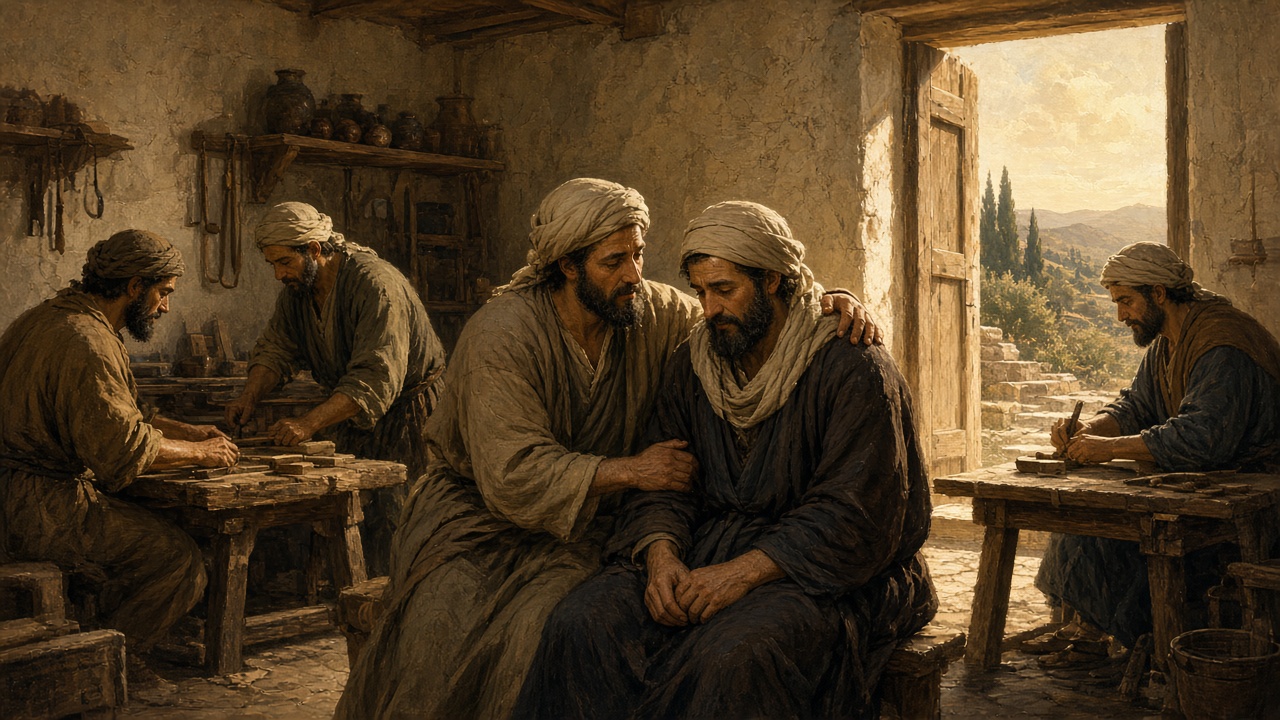
13Ko'ánga, ore re'ýi kwéry, oromombe'u-ta peikwaa hagwã omano va'ekwe rehegwa. Heta oĩ ohapirõ va'e: “Ãy ae ndajahexavéi-ma voíte omano va'ekwe. Opa ma ngatu” he'i mo'ã. Ndoroipotái erehapirõ gwĩ va'e-rami. 14Ha Hesu katu omano rire, oikove jevy-ma. Upéa nhe'ẽ jarovia voi. Upéixa voi Hesu oikove jevy-gwi omoingove-ta Nhandejáry heru-vy. Hesu reroviaha omano va'ekwe-pe ogweru-ta Nhandejáry. Upéa-gwi ani pehapirõ teĩ. 15Kóa nhe'ẽ Nhandejáry-gwi orohendu va'ekwe oromombe'u-ma peẽ-my. Hesu ogwejy jevy ou-vy ramo, entéro hese ojerovia va'e gwive ojeupi va'erã yváy-py. Omano va'ekwe ranhe oje'ói va'erã ojeupi-vy nhane renonde-rupi. Ha nhande jaikove va'e, ko yvy-py japyta va'e, nhande rerojeupi arã hapykwéri. Ha Nhandejáry Hesu ogwejy-ta ou-vy yváy-gwi. Hatã onhe'ẽ-ta omanda-vy. Ha hembigwái yváy pygwa onhemomba'egwasu ete va'e nhane renói-ta. Nhane renói-vy omonhe'ẽ-ta Nhandejáry remimbygwasu. Nhandejáry mba'e tee va'e voi. Ha upéi katu oikove jevy ranhe-ta gwĩ omano va'ekwe, Hesu onhangareko hese va'e. 17Upe rire nhande jaikove va'e, nhamano e'ỹ va'e, nhande rerojeupi va'erã nhande reraha-vy arai-rupi. Onhemoingove va'ekwe ndive nhande rerojeupi va'erã. Upe-py áry-rupi nhande nhanhogwaitĩ va'erã jaha-vy Nhandejáry Hesu ndive jaiko hagwã. Upéixa ramo mante jaiko meme ete-ta voi Nhandejáry Hesu ndive. 18Upéa-gwi kóa nhe'ẽ pemombe'u mbe'u ojóupe napehapirõvéi hagwã, penhombopy'agwapypa hagwã.
Did you know?
Holiness, Love, and Hope for the Dead
- This chapter notes that its readers were already showing love to all the brothers throughout Macedonia. In New Testament times Macedonia was a Roman province lying north of Greece, governed by a propraetor with the title of proconsul. Paul was summoned by a vision of the "man of Macedonia" to preach the gospel there.Sources: the Bible text itself · Macedonia
- The chapter speaks of the dead as people who sleep or have fallen asleep, and it asks the readers not to grieve like the rest, who have no hope. Because Jesus died and rose again, it says, God will bring with Jesus those who have fallen asleep in him; the dead in Christ will rise first, and then those still alive will be caught up with them in the clouds to meet the Lord in the air.Sources: the Bible text itself
- The readers are urged to aspire to a quiet life, to attend to their own matters, and to work with their own hands, as they had already been instructed. The chapter presents this as the way to behave properly toward outsiders and to avoid being dependent on anyone.Sources: the Bible text itself
Notes written with AI assistance from open sources (Theographic Bible Metadata, CC BY-SA 4.0; Easton’s Bible Dictionary, public domain) and reviewed before publishing.
Places in this chapter
- Macedonia · 41.600, 22.540 · verse 10
Only places identified with high confidence are shown (90% or more according to the scholarly sources compiled by OpenBible). Period map: DARE (Digital Atlas of the Roman Empire), CC BY 4.0; modern map: © OpenStreetMap contributors; places: OpenBible.info (CC BY 4.0).
Credits and license for this translation
Nhandejáry Nhe'ẽ
New Testament in Kaiwá (BR:kgk:Kaiwá)
copyright © 2006 Wycliffe Bible Translators, Inc.
Language: Kaiwá
Translation by: Wycliffe Bible Translators, Inc.
Copyright Information
© 2006, Wycliffe Bible Translators, Inc. All rights reserved.
This translation text is made available to you under the
terms of the Creative Commons License: Attribution-Noncommercial-No Derivative Works.
( http://creativecommons.org/licenses/by-nc-nd/3.0/ )
In addition, you have permission to port the text to different file formats, as long as you
do not change any of the text or punctuation of the Bible.
You may share, copy, distribute, transmit, and extract portions
or quotations from this work, provided that you include the above copyright
information:
You must give Attribution to the work.
You do not sell this work for a profit.
You do not make any derivative works that change any of the actual words or punctuation of the Scriptures.
Permissions beyond the scope of this license may be
available if you contact
us with your request.
The New Testament
in Kaiwá
© 2006, Wycliffe Bible Translators, Inc. All rights reserved.
This translation is made available to you under the terms of the
Creative Commons Attribution-Noncommercial-No Derivatives license 4.0.
You may share and redistribute this Bible translation or extracts from it in any format, provided that:
You include the above copyright and source information.
You do not sell this work for a profit.
You do not change any of the words or punctuation of the Scriptures.
Pictures included with Scriptures and other documents on this site are licensed just for use with those Scriptures and documents.
For other uses, please contact the respective copyright owners.
2014-04-27
Source: http://ebible.org/kgkNT/ · eBible.org