1 Corinthians 2
Nhandejáry Nhe'ẽ · Tap a verse to see its cross-references.
Hesu omano ramogware rehegwa nhe'ẽ
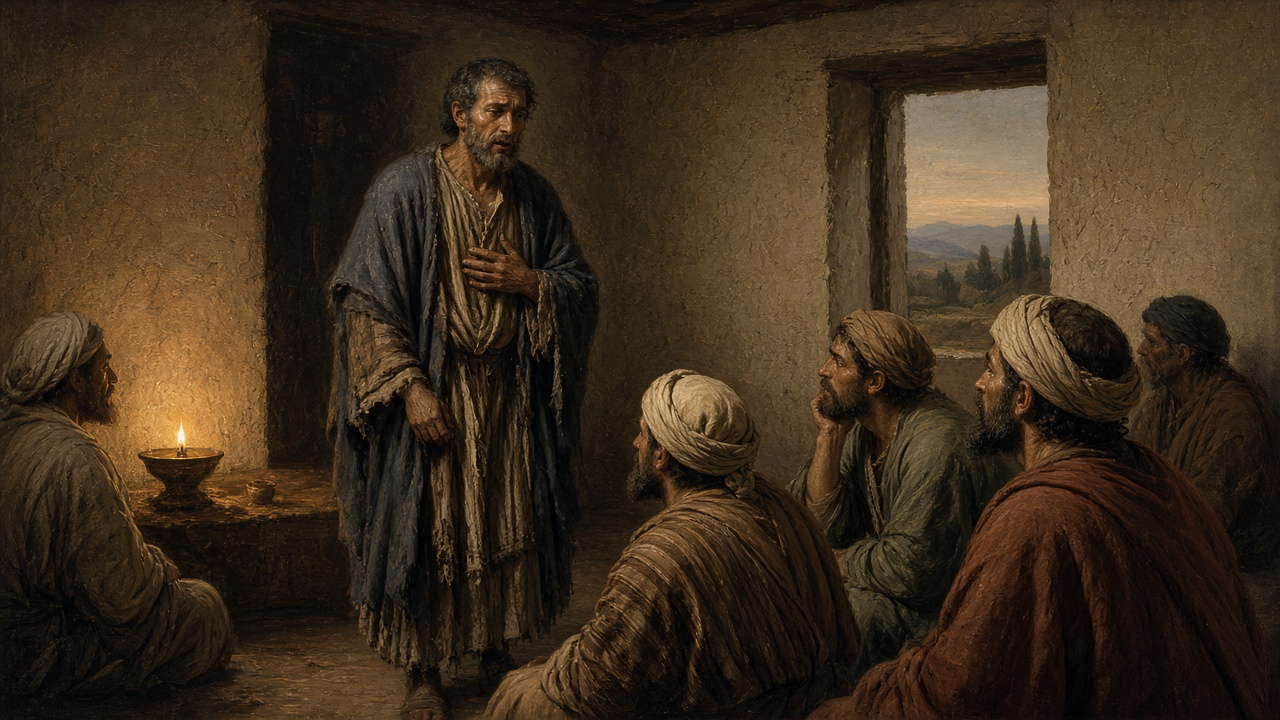
1“Hesu Cristo rehegwa nhe'ẽ anho mante amombe'u-ta íxupe kwéry” ha'e va'ekwe xejéupe pende-rehe. “Mba'eve-rehe namombe'u mo'ãiry upe-py” ha'e ave. “Nhande-rehe ha-py Hesu Cristo omano va'ekwe okurusugwasu-rehe. Hesegwa nhe'ẽ meme mante xe amombe'use íxupe kwéry.” Aipo ha'e-vy xejéupe agwahẽ va'ekwe pene renda-py.
Ha pene ndive aime jave anhemomirĩve va'ekwe pejeroviave hagwã Hesu Cristo-rehe. Aime ramo upe-py anhemokangy ajepy'apy-vy pende-rehe. Napombojerovia ukaséi xe arandu-rupi rei. Hesu Cristo anho-rehe mate apombojerovia ukase. Upéixa-gwi ndaiporúi ko'ãygwa arandu nhe'ẽ amombe'u hagwã Hesu rehegwa nhe'ẽ peẽ-my.
Ha hesegwa nhe'ẽ amombe'u jave Nhandejáry Nhe'ẽ Marangatu tee va'e oiko ave xe ndive. Ohexa uka peẽ-my opu'akaha. Ha upéixa ipu'akaha-rupi peteĩ teĩ pejerovia-ma Hesu Cristo-rehe. Ndaha'éi ko'ãy rupigwa arandu-rupi erejerovia hese. Nhandejáry Nhe'ẽ Marangatu tee va'e pu'akaha-rupi erejerovia-ma hese.
Nhandejáry ojekwaa uka va'erã nhande-vy Nhe'ẽ Marangatu tee va'e-rupi
6Ha Nhe'ẽ Marangatu tee va'e reko-rupi oiko porã va'e-pe ambo'e ramo ae aiporu arã hi'arandu tee va'e nhe'ẽ. Upéa ndaha'éi ko'ãygwa arandu. Ndaiporu mo'ãi peẽ-my upéa arandu. Ndaiporu mo'ãi ave mburuvixa arandukwe. Ha'e kwéry opa-tama. Hi'arandu reheve opa va'erã. Ha ndovaléi arã ko'ãygwa-pe mburuvixa-pe ave hi'arandu hagwe. Ha'e kwéry ndoikwaái ave Nhandejáry arandu. Oikwaa e'ỹ-gwi ohupi uka va'ekwe kurusugwasu-rehe imoĩ-vy ojuka Hesu-pe. Ha'eixagwa ndaipóri. Ipu'aka marangatu tee va'e voi Hesu.
Ha xe katu Nhandejáry arandu-rupi amombe'u aiko-vy.
Yma araka'e Nhandejáry onhongatu araka'e hi'arandu. Nomombe'úi gwembiaporã avave-pe. Ãy ae katu gwembiporavo-pe omombe'u oaranduha Nhandejáry. Ko yvy nhepyrũ e'ỹ mboyve Nhandejáry oikwaa ukase araka'e nhande-vy.
“Kurusu-rehe omano-ta xe ra'y. Hese ojerovia va'e-pe aresenda-ta xe. Xe ra'y Hesu-rami opyta hagwã ipotĩ. Upe xe rembiporavorã-me aikwaa uka-ta xe arandu.”
Upéixa he'i araka'e Nhandejáry gwemimombe'urã-rehe. Upéa-rehe omoĩ uka ave va'ekwe kwatia-rehe ko nhe'ẽ:
“Avave ndohexái va'ekwe, nohendúi va'ekwe, mba'e ndojepy'a mongetái vyteri joty ave Nhandejáry rembiapo porã íxupe ohayhu va'e kwéry pegwarã.”
10Upe Nhandejáry oarandu onhongatu va'ekwe ko'ãy nhande jaikwaa-ma. Nhandejáry Nhe'ẽ Marangatu tee va'e oikwaa uka-ma nhande-vy. Ha'e oikwaapa-ma Nhandejáry py'apy ete-py oĩ va'e jepe ave Nhe'ẽ Marangatu tee va'e oikwaapa-ma joty.
11Nhande yvypóry, nhande py'apy pygwa avave ndoikwaáiry. Nhande ae peteĩ teĩ jaikwaa mba'e-rehe nhande py'apy-py nhanhemongeta. Avave ndoikwaáiry. Upéixa ave Nhandejáry. Avave ndoikwaái mba'e oĩ ipy'apy ete-py. Nhe'ẽ Marangatu tee va'e mante oikwaa. 12Ha Nhandejáry ome'ẽ-ma nhande-vy Nhe'ẽ Marangatu tee va'e opyta hagwã nhande py'apy-py. Ha'e katu oikwaa uka nhande-vy mba'eixagwa pa gwemime'ẽgwe. Ndaha'éi teko rei nhe'ẽ ko'ãygwa ome'ẽ nhande-vy. Nhe'ẽ Marangatu tee va'e katu Nhandejáry ome'ẽ-ma nhande-vy nhane mbo'e hagwã.
13Ore ae rei orejéhegwi ore arandu noromombe'úiry. Nhe'ẽ Marangatu tee va'e ore mbo'e va'ekwe mante oromombe'u jevy. Oromombe'u ramo oĩ ohendu kwaa va'e. Oĩ ave ohendu kwaa e'ỹ va'e. Ohendu kwaa va'e ogwereko-ma Nhe'ẽ Marangatu tee va'e opy'apy-py. Ha'e oikwaa uka íxupe hi'arandurã ohendu porã hagwã, oikwaa hagwã ave anhetegwa nhe'ẽ. “Iporã voi kóa” he'i hagwã. “Mixĩ mate ovale upéa” he'i ave hagwã. “Niporãi voi upéa” he'i ave hagwã ipy'apy-py Nhe'ẽ Marangatu tee va'e omoarandu va'erã íxupe.
Nhandejáry rehegwa nhe'ẽ nohendu kwaái va'e katu ndogwerekói joty Nhe'ẽ Marangatu tee va'e opy'apy-py. Ndogwerekói ave hemime'ẽgwe kwéry. Ndaixupe gwarãi, ndoikwaái ave mba'eixagwa pa upe va'e. Upéixa-gwi Nhe'ẽ Marangatu tee va'e ogwereko e'ỹ va'e ndohekojohu kwaáiry Hesu reroviaha rembiapo-rehe. Nhe'ẽ Marangatu tee va'e ogwereko va'e ae ohekojohu kwaa opaixagwa.
16A-rami he'i Nhandejáry kwatia nhe'ẽ:
“Avave ndoikwaáiry Nhandejáry py'a-py oĩ va'e. Ndaipóri ombo'e va'erã íxupe mba'eve-rehe.”
Upéixa he'i kwatia-rehe. Ha nhande katu, Nhe'ẽ Marangatu tee va'e oime-ma nhande py'apy-py. Oiko-ma Cristo py'a nhande py'apy-py.
Did you know?
Christ crucified and the Spirit's wisdom
- The writer says he did not come with eloquence or wisdom when he proclaimed the testimony about God. He had resolved to know nothing while he was with them except Jesus Christ and him crucified, and he came in weakness, fear, and much trembling, so their faith would rest on God's power rather than on human wisdom.Sources: the Bible text itself
- The wisdom spoken among the mature is not the wisdom of this age or of its rulers, who are coming to nothing. It is called God's mysterious, hidden wisdom, destined for glory before time began; those rulers did not understand it, or they would not have crucified the Lord of glory.Sources: the Bible text itself
- The chapter says God has revealed by the Spirit what lies beyond human sight, hearing, and imagination. Only a person's own spirit knows that person's thoughts, and only the Spirit of God knows God's thoughts. The natural person does not accept what comes from the Spirit, treats it as foolishness, and cannot understand it, because it is spiritually discerned.Sources: the Bible text itself
Notes written with AI assistance from open sources (Theographic Bible Metadata, CC BY-SA 4.0; Easton’s Bible Dictionary, public domain) and reviewed before publishing.
Credits and license for this translation
Nhandejáry Nhe'ẽ
New Testament in Kaiwá (BR:kgk:Kaiwá)
copyright © 2006 Wycliffe Bible Translators, Inc.
Language: Kaiwá
Translation by: Wycliffe Bible Translators, Inc.
Copyright Information
© 2006, Wycliffe Bible Translators, Inc. All rights reserved.
This translation text is made available to you under the
terms of the Creative Commons License: Attribution-Noncommercial-No Derivative Works.
( http://creativecommons.org/licenses/by-nc-nd/3.0/ )
In addition, you have permission to port the text to different file formats, as long as you
do not change any of the text or punctuation of the Bible.
You may share, copy, distribute, transmit, and extract portions
or quotations from this work, provided that you include the above copyright
information:
You must give Attribution to the work.
You do not sell this work for a profit.
You do not make any derivative works that change any of the actual words or punctuation of the Scriptures.
Permissions beyond the scope of this license may be
available if you contact
us with your request.
The New Testament
in Kaiwá
© 2006, Wycliffe Bible Translators, Inc. All rights reserved.
This translation is made available to you under the terms of the
Creative Commons Attribution-Noncommercial-No Derivatives license 4.0.
You may share and redistribute this Bible translation or extracts from it in any format, provided that:
You include the above copyright and source information.
You do not sell this work for a profit.
You do not change any of the words or punctuation of the Scriptures.
Pictures included with Scriptures and other documents on this site are licensed just for use with those Scriptures and documents.
For other uses, please contact the respective copyright owners.
2014-04-27
Source: http://ebible.org/kgkNT/ · eBible.org